 Reef
Reef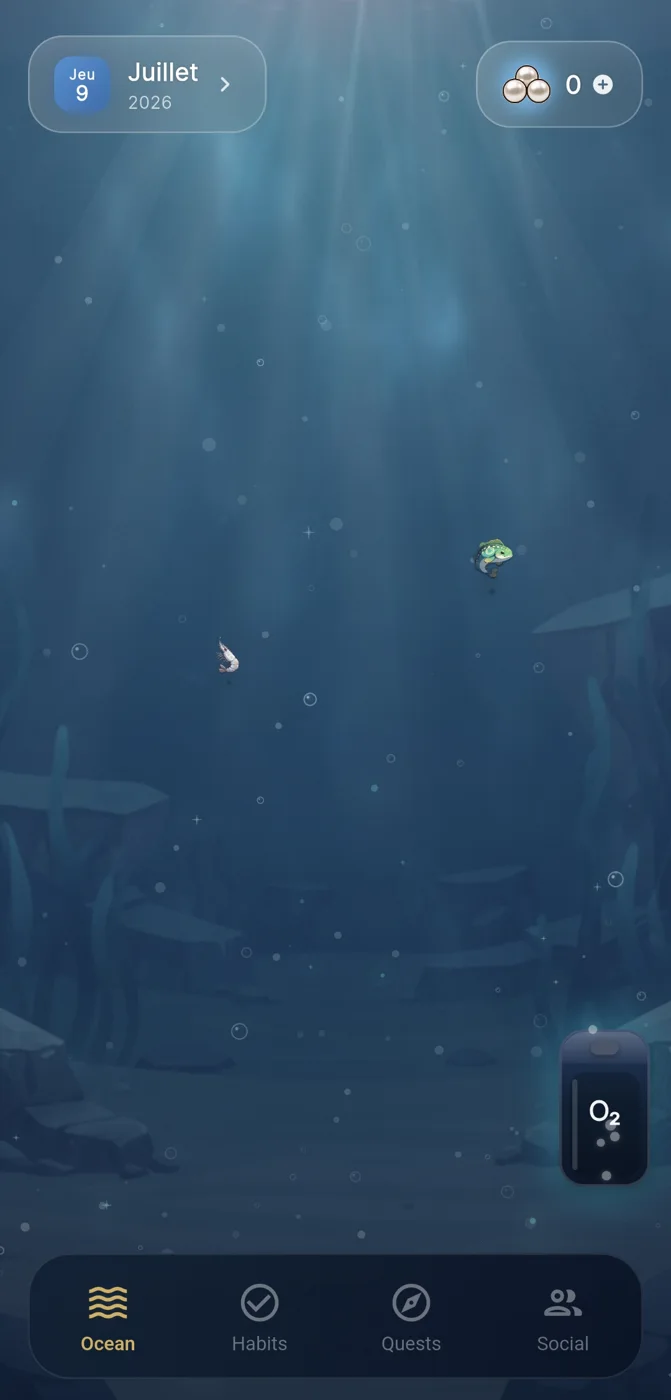
What 'best' actually means for a daily routine app
When people search for the daily routine app best suited to them, they usually aren't looking for a single winner so much as a fit: something that matches how they think, how much friction they can tolerate, and what kind of feedback keeps them coming back. An app that works well for someone who loves streaks and leaderboards may feel stressful to someone who just wants a quiet visual reminder that they showed up.
Before comparing features, it helps to separate three different jobs an app might do: prompting the habit itself, protecting a block of focused time to do it, and giving you a way to see progress afterward. Some apps do all three, some only one. Knowing which job you actually need solved narrows the search considerably.
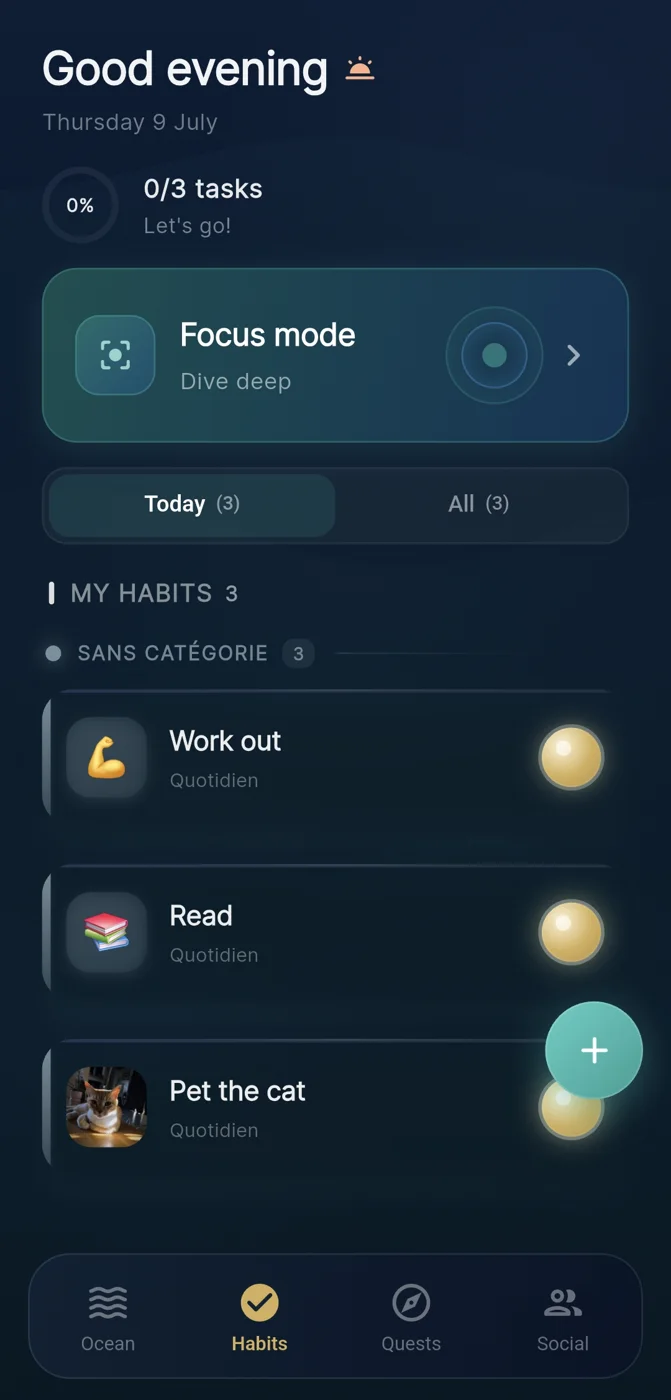
- Habit prompting: reminders, checklists, simple logging
- Focus protection: timers, session tracking, distraction reduction
- Progress visibility: streaks, charts, or a more visual metaphor
Visible progress and why it matters
One of the more consistent ideas across habit-design writing is that progress needs to be visible in some form, because most habits fail quietly and invisibly long before anyone consciously decides to quit. A daily routine app that only tracks completion silently in a list can make it easy to miss a slide until several days have passed.
Reef, an IVRYN habit tracker for iOS and Android, approaches this by turning each completed habit into a pearl that adds to a growing visual ocean. The mechanic doesn't change the underlying difficulty of building a habit, but it gives a low-effort, visual way to notice a pattern of upkeep or a pattern of drop-off, which is one of the required principles behind this kind of design: making repeated action visible rather than promising that visibility alone changes behaviour.
Focus sessions and protecting time, not just tasks
A routine is rarely just a checkbox; it usually needs a protected window of attention, whether that's fifteen minutes of reading, a workout, or deep work on a project. Apps that only log completion without any structure for the time itself can miss this need entirely, leaving the person to protect their own focus with no support.
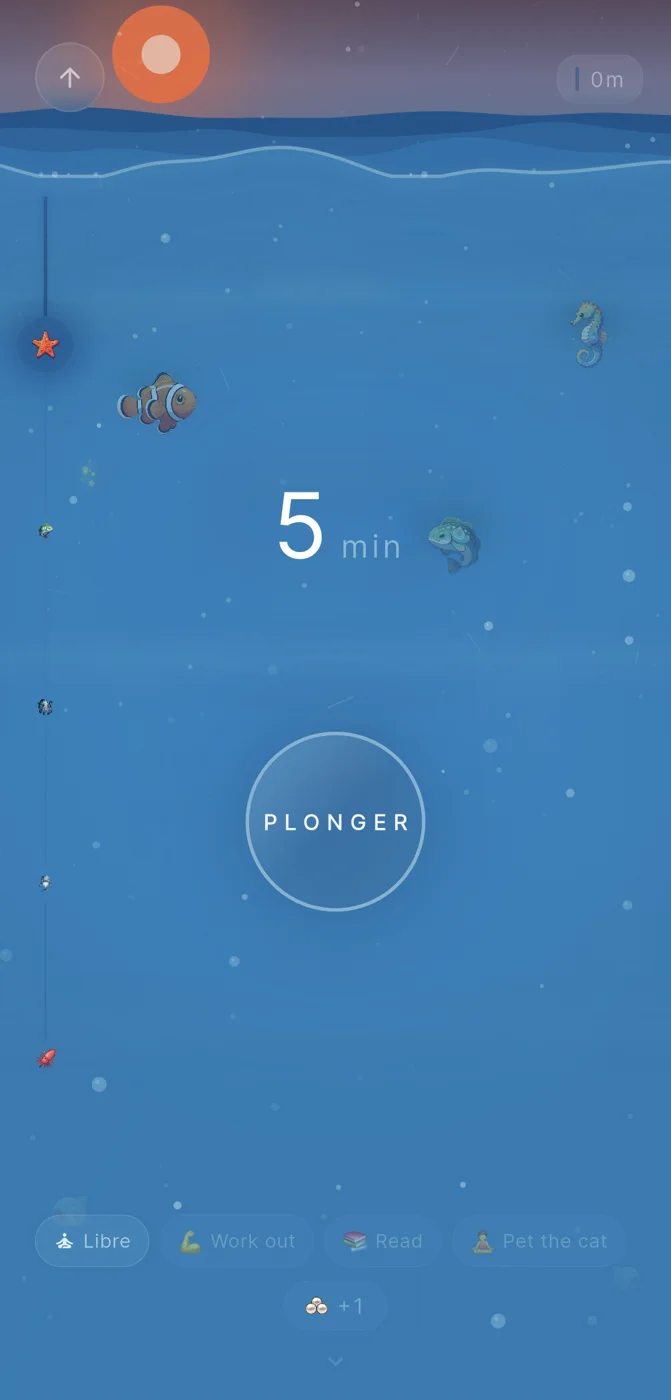
Reef frames this as a 'dive': a focus session styled around descending into calmer water, with completed focus time rewarded by the same pearl mechanic used for habits. This ties the reward system together across both prompting and sustained effort, but it is worth being clear-eyed that a dive metaphor and a pearl reward do not themselves guarantee sustained attention; they are a structure that some people find easier to stick with than a bare countdown timer, and others may not.
Gentle recovery after a missed day
A meaningful test of any daily routine app is not how it looks on a good week, but how it responds after a bad one. Rigid streak-based systems can make a single missed day feel like total failure, which sometimes pushes people to abandon the app altogether rather than restart quietly.
Recovery-friendly design tends to avoid all-or-nothing framing, instead treating a missed day as part of the pattern rather than a reset to zero. In a visual-ocean model, a missed day might simply mean fewer pearls that day rather than the loss of an entire streak, which is meant to lower the emotional cost of restarting. This is a design principle worth checking in any app you evaluate, not a guarantee that it will make returning to a habit easy for every person.
Optional social accountability, used carefully
Social features can help some people stay consistent, and can feel like unwanted pressure for others. The key question isn't whether an app has a social layer, but whether that layer is optional and whether it's designed around encouragement rather than comparison or public shaming of missed days.
Reef includes optional social crews, meaning people can choose to share progress with a small group or use the app entirely on their own. This is worth checking in any app you're considering: is the social layer something you opt into deliberately, or is it switched on by default in a way that makes your habit data visible before you've decided you want that.
- Ask whether social features are opt-in or default-on
- Check whether missed days are visible to others or kept private
- Consider whether comparison-based features (leaderboards) fit your temperament
A worked example: choosing between three approaches
Example only, not a real product comparison or test result: imagine someone named Alex who wants to read for twenty minutes daily, do a short workout three times a week, and occasionally check in with a friend about progress. Alex tries a plain checklist app first and finds that after a missed Tuesday, the broken streak makes the whole week feel wasted, so they stop opening the app.
Alex then tries an app built entirely around competitive leaderboards, which works for the workout habit but starts to feel like pressure around reading, a habit Alex wanted to keep private and low-stakes. Finally, Alex tries an app with a visual progress metaphor, protected focus sessions for reading, and an optional accountability feature only turned on for the workout habit with one friend. In this hypothetical, the third setup matches Alex's actual needs: something visible but forgiving for reading, and optional social support only where it was wanted. The lesson isn't that one app is universally best, but that matching the mechanic to the specific habit and temperament is what determines whether 'best' actually holds up day to day.
A short checklist before you commit
Given all of the above, it's worth working through a short checklist before settling on a daily routine app, rather than choosing based on aesthetics or App Store ranking alone.
None of these questions guarantee that an app will work for you long-term, since a habit tracker is a tool that supports a routine rather than a substitute for the underlying effort and circumstances that make a habit stick.
- Does it separate prompting, focus protection, and progress visibility, or only do one?
- Does a missed day cause a harsh reset, or a gentler dip?
- Is any social or comparison feature optional and clearly labelled?
- Can you see progress in a way that's meaningful to you personally, not just a number?
- Does it avoid making promises about guaranteed outcomes or health results?
Frequently asked questions
Is there one daily routine app that's objectively the best for everyone?
No single app is best for everyone, because habit apps differ in how they handle prompting, focus time, missed days, and social features, and people respond differently to each of those mechanics. The better approach is to match the app's design to your own habits and temperament rather than looking for a universal winner.
Does a visual progress feature, like Reef's pearl and ocean system, guarantee a habit will stick?
No. A visual progress mechanic makes repeated actions easier to notice, which can support motivation, but it does not guarantee a behaviour or health outcome. Building a lasting habit still depends on the person's circumstances, effort, and the fit between the tool and their needs.
Should I use social accountability features in a habit app?
That depends on your temperament and the habit involved. Optional social features can help some people stay consistent, while others find comparison-based features stressful or intrusive; a good app should let you choose whether to use them rather than making them mandatory.
Sources and further reading
These resources provide the wider reference frame. Product statements on this page are limited to the public information provided by Reef.