 Reef
What a daily routine format actually is
A daily routine format is the structure you use to lay out a day. It covers which actions repeat, roughly when they happen and how you record whether they happened. It is not an hour-by-hour schedule. Most people searching for a daily routine format want something to copy, but the useful part is the shape underneath, not the exact times on someone else's page.
A workable format answers three questions at a glance. What is the smallest version of each habit? What existing moment cues it? Where does the evidence of completion go? If a format cannot answer those quickly, it tends to turn into a to-do list that grows until it is abandoned.
The four parts of a workable daily routine format
Whatever medium you choose, whether paper, a spreadsheet or an app, four components carry most of the weight. Keeping them separate makes it easier to see which part is failing when the routine slips.
Notice what is left out: long goal lists, colour-coded hours and ambitious habits you have never actually done. These can be added later, once the core repeats reliably. A light format looks less impressive on paper, but it is easier to keep.
- Anchors: two or three fixed points in your day, such as waking, lunch or closing a laptop, that cue a habit.
- Small habits: each written at a size you could still complete on a poor day, such as two minutes of stretching rather than a full workout.
- Focus blocks: one or two protected stretches for demanding work, each with a clear start and end.
- A recovery rule: a pre-written line saying what happens after a missed day.
Example: a one-card format for an ordinary weekday
Example (hypothetical, for illustration only): someone wants to read more, drink water earlier in the day and protect time for a study project. Their whole format fits on a single card.
Each habit is attached to an existing anchor, sized down and recorded straight away. The focus block has a fixed length, so finishing it becomes a visible event rather than a vague effort. The evening line is a short reflection, not a performance review.
Treat this as a first draft. After a week, the person would look at which lines were done and which were skipped, then adjust the size or timing of a habit rather than adding new ones.
- After waking: one glass of water, then a tick.
- After lunch: a 25-minute focus block on the project, with the phone in another room.
- After closing the laptop: read four pages.
- Before bed: one line on what helped or got in the way.
- Recovery rule: after a missed day, the next day starts with the smallest version only.
Planning for missed days before they happen
Many routines break at the first missed day. The miss itself is rarely the problem. The format simply has no plan for it, so people often restart with a stricter version, which raises the cost of the next attempt.
A recovery rule written in advance removes that decision. Common options include returning with the smallest version of the habit, allowing one planned rest day a week, or carrying on without trying to make up lost ground. Pick one and make it part of the format itself, not something you decide in the moment.
Tone matters too. A record that treats a gap as information rather than failure makes it easier to come back the next day.
Visible progress and optional accountability
Visible progress helps because it turns a repetition you cannot see into something that accumulates in front of you, whether that is a row of ticks, a filled jar or a growing picture. Its main job is to answer 'did I do it?' quickly.
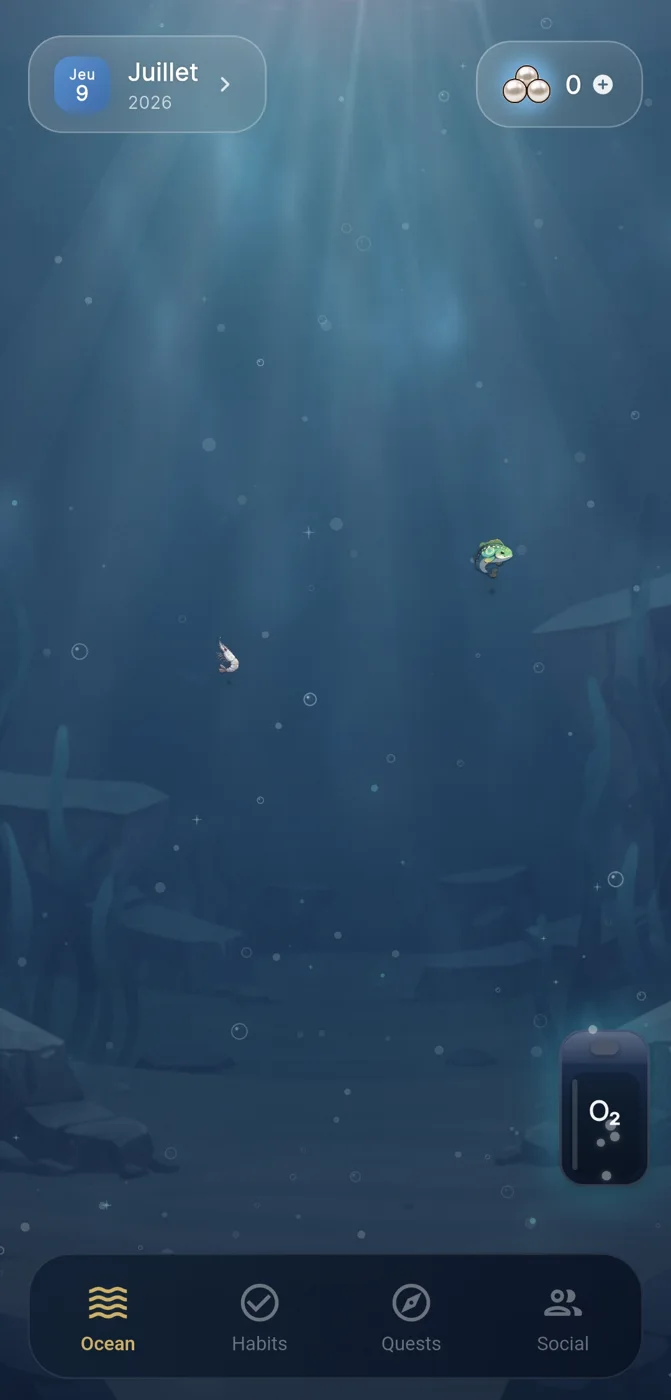
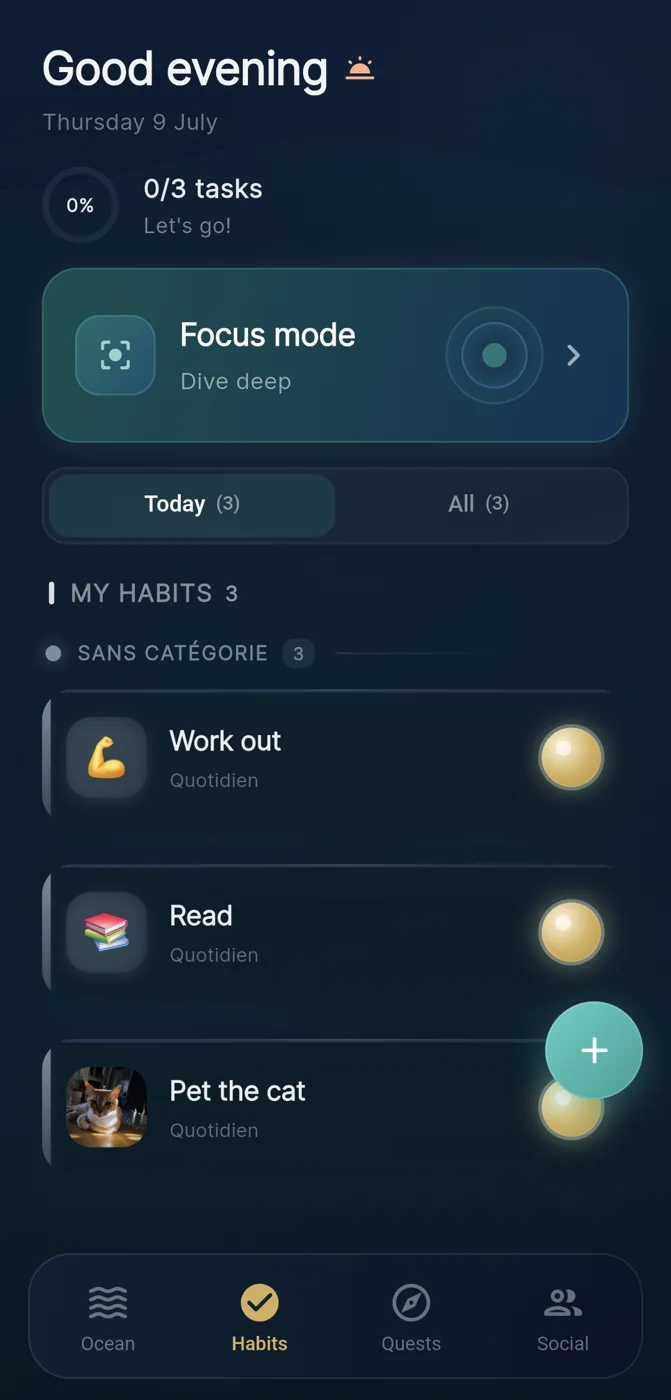
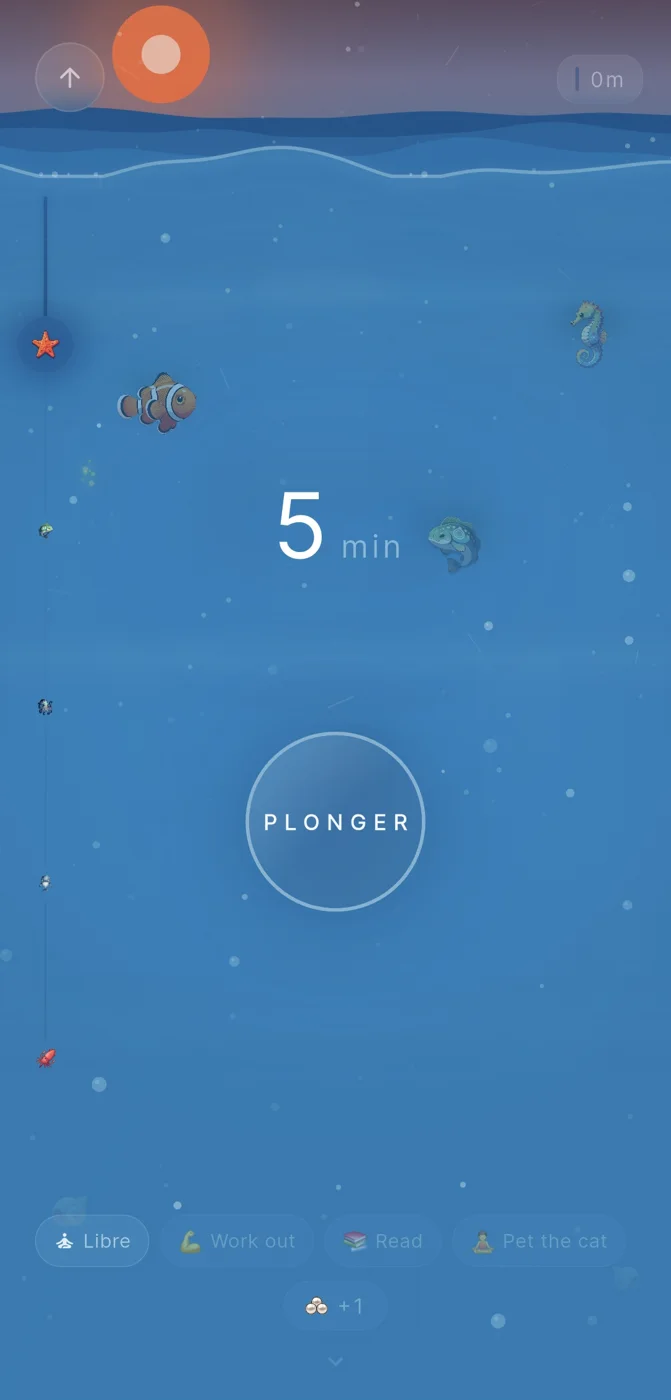
Reef, an IVRYN habit tracker for iOS and Android, is one example of this approach. Each finished habit adds a pearl to a gradually growing ocean scene, a streak freeze can cover an off day, and a small shrimp companion called Gambi responds to both kept and skipped days without scolding. Reef's methodology page and its guide to gamified habit trackers describe how it frames these mechanics. An app like this is one way to hold the format, not a requirement for it.
Shared accountability motivates some people and pressures others. Share a habit with a friend or small group only if knowing someone will see it makes you more likely to return, not more anxious. Reef treats its crews as opt-in for the same reason.
Limits to check before you act
No daily routine format guarantees a change in behaviour or health. A routine makes repetition easier to notice, but results depend on things a template cannot see, including work hours, caring duties, sleep and health. If a habit concerns a medical condition, diet or medication, ask a qualified professional for advice.
Routines copied from other people also carry those people's constraints, such as early starts or quiet homes. Before adopting one, check each line against your own week using the questions below.
- Can every habit be done on a bad day?
- Is each habit tied to a moment that already happens?
- Is there a written recovery rule?
- Is it clear where each completion gets recorded?
- Is any sharing genuinely your own choice?
Frequently asked questions
What should a daily routine format include?
A practical daily routine format usually includes a few fixed anchor moments, small habits linked to those anchors, one or two protected focus blocks and a written rule for what to do after a missed day. A simple place to record each completion, on paper or in an app, makes progress visible.
How many habits should a new daily routine start with?
Starting with two or three small habits is usually easier to sustain than a long list. Size each habit so it can still be done on a difficult day, and add more only after the first ones repeat reliably for a while.
What should you do after missing a day in your routine?
Follow a recovery rule decided in advance, such as returning the next day with the smallest version of the habit, rather than restarting with a stricter plan. Treat the gap as information about timing or size, and adjust the routine if the same habit keeps slipping.
Sources and further reading
These resources provide the wider reference frame. Product statements on this page are limited to the public information provided by Reef.