 Reef
Reef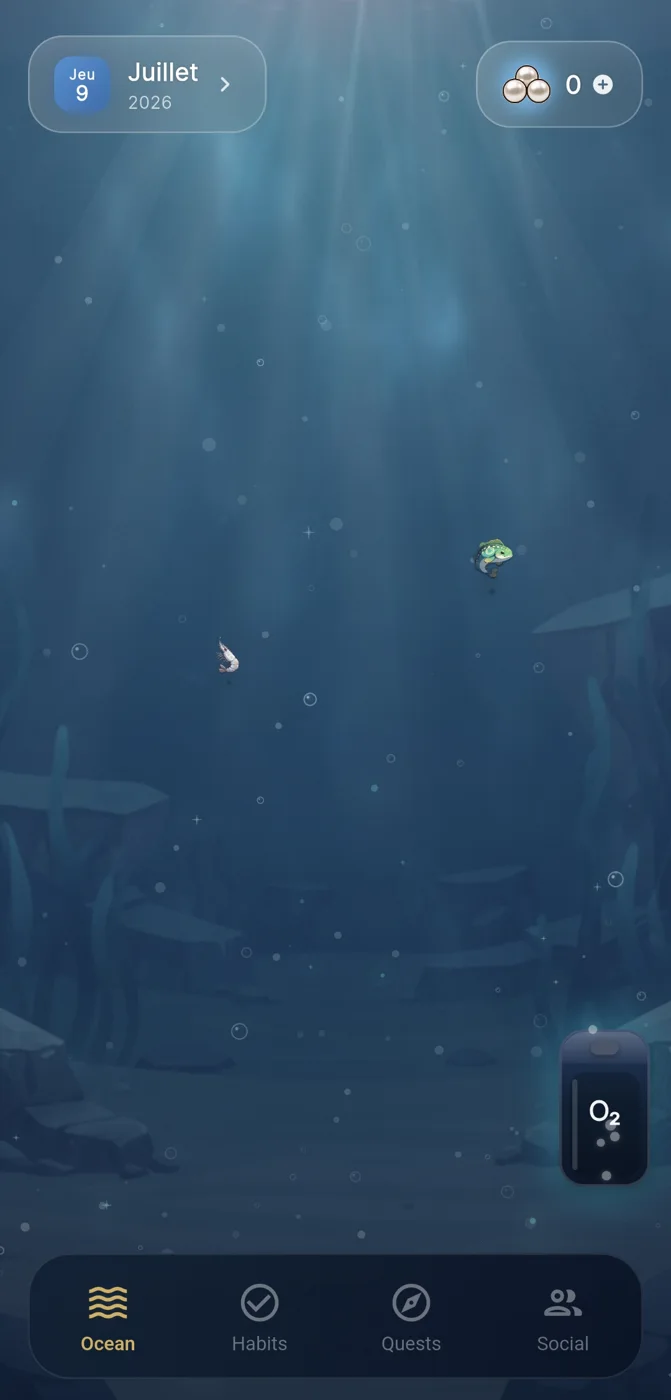
What a daily routine app apple search should help you decide
Searching for a daily routine app apple often starts with a simple need: remember a few actions, make room for focused work, or stop treating one missed day as proof that a routine has failed. Before downloading anything, clarify whether you need reminders, a visible record of repetition, protected focus time, optional accountability, or some combination of these.
A routine app can organise cues and records, but it cannot make a habit happen on your behalf. Its value is usually practical rather than magical: reducing the effort of deciding what to do next, making completed repetitions easier to notice, and giving you a way to restart after an interruption. That boundary matters when choosing an app, especially if your goal involves health, work, relationships, or another area shaped by many factors beyond a tracker.
Start with habits small enough to repeat
A useful routine begins with an action that can survive an ordinary day. Instead of starting with a broad identity goal such as “be more organised,” define a concrete repeatable action: prepare tomorrow’s bag after dinner, write one sentence, or take a five-minute walk. A smaller action is not trivial when it creates a dependable point of return.
Choose a cadence that reflects real life. Some actions belong every day; others fit three days a week or only on workdays. A tracker is more honest when its schedule matches the commitment you actually intend to keep, rather than creating avoidable misses through an overly ambitious default.
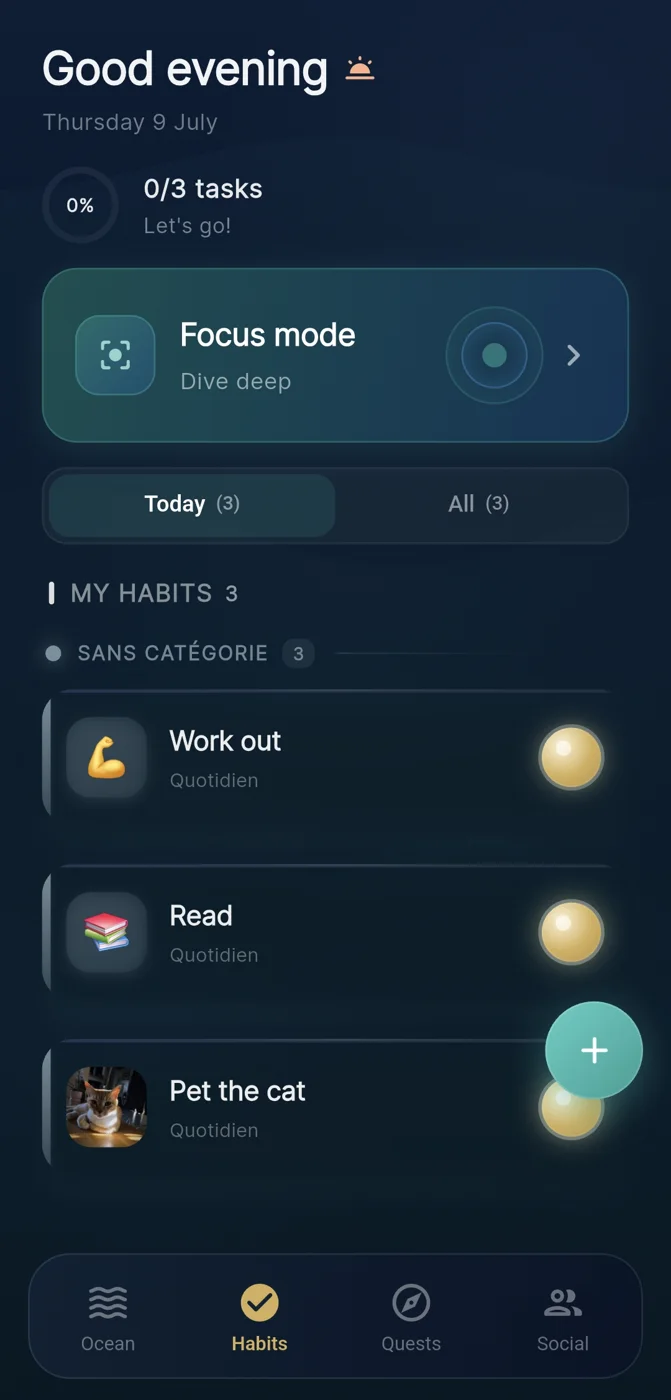
Before adding another habit, ask whether the current list can be completed without turning into a second job. A short routine with clear actions often gives more useful feedback than a long list that produces constant unfinished items.
Why visible progress can support a routine
Visible progress can turn an abstract intention into something you can inspect. A completed entry does not prove personal transformation, but it can show that an action occurred and make patterns easier to notice. That distinction helps keep tracking informative instead of punitive.
Reef is an IVRYN habit tracker for iOS and Android that represents completed habits as pearls added to an evolving ocean scene. In this context, the visual is a record and a gentle prompt to return, not evidence that a particular outcome is guaranteed. Its published methodology and gamified-tracker guide frame habit design around transparent evidence boundaries and practical engagement mechanics rather than promises of universal results.
If visual feedback appeals to you, decide what kind you want it to provide. The best feedback is usually specific enough to answer, “What did I do today?” while leaving room for the fact that a missed entry may reflect travel, illness, competing responsibilities, or a deliberate change of plan.
Protect focus time without mistaking it for productivity proof
Routine planning and focus planning solve related but different problems. A habit list identifies repeated actions; a focus session creates a temporary boundary around one chosen task. Using both can be helpful when your routine includes work that needs attention rather than a quick check-off.
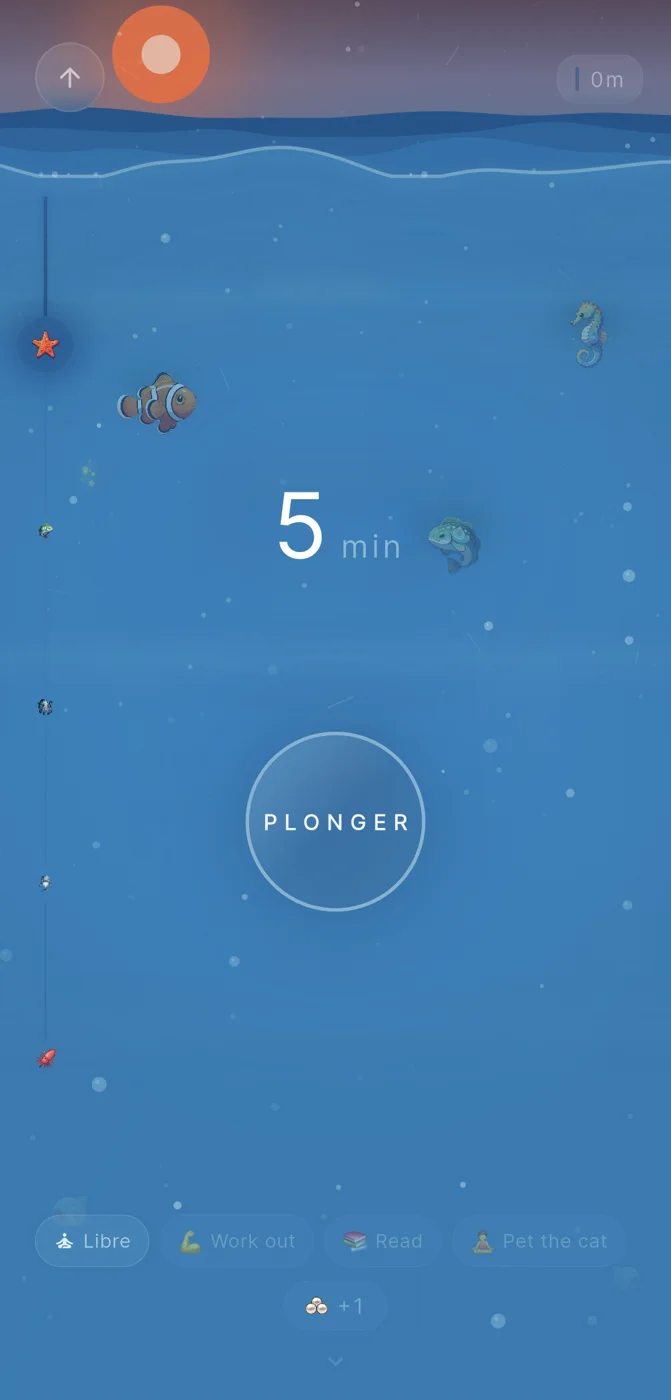
In Reef, focus time is presented through a dive theme, and finishing a session earns pearls for the same visual ocean. That can make planned attention feel connected to the rest of your routine, but a completed timer only records time you set aside. It does not establish the quality, importance, or ultimate result of the work.
Set a focus session around a defined next step, such as outlining three headings or sorting one folder. At the end, make a brief choice: continue, record the next step, or stop. This prevents the timer from becoming an end in itself and keeps the routine tied to work you can describe.
Use gentle recovery after missed days
Missed days are normal data, not necessarily a reason to abandon a routine. A travel day, deadline, family responsibility, low-energy period, or changed priority can interrupt repetition. A useful daily routine app should leave space for restarting without asking you to reinterpret one gap as permanent failure.
Create a recovery rule before you need it. For example: when a habit is missed, complete the smallest version at the next available opportunity; when it is missed twice, review whether the cue, frequency, or size needs changing. The purpose is to restore contact with the routine, not to erase the record.
Avoid compensating with a punishing catch-up plan. If the action was meaningful enough to track, it is meaningful enough to redesign when it repeatedly does not fit. Shrinking the task, moving its cue, or reducing frequency can be a more durable response than demanding extra effort.
Optional social accountability: a worked example
Social accountability can be useful when it feels chosen, specific, and proportionate to the goal. It can also create pressure or unwanted comparison. Reef includes optional crews, so sharing is a choice rather than a required condition of using the app; it should be treated as a support structure, not a guarantee that anyone will follow through.
Example decision aid: Maya wants a calmer weekday routine. She selects two habits: fill a water bottle after breakfast and spend ten minutes planning the next workday before dinner. She schedules one 25-minute dive-style focus session for the task that tends to be postponed. After a missed Tuesday, her recovery rule is to do the smallest version on Wednesday rather than doubling the target.
Maya then asks three questions before joining a crew: Do I want other people to see this type of goal? Would a simple check-in help more than comparison? Can I leave or reduce sharing if it becomes stressful? If the answer is uncertain, she can begin privately and reconsider later.
Checklist for acting on a routine app:
Choose no more than two initial habits.
Write each habit as a specific action with a realistic cue.
Set a recovery rule for missed days.
Use focus sessions for a defined next step, not as a score of worth.
Make social sharing opt-in and review whether it remains helpful.
Review the routine after one or two weeks and adjust the design before adding more.
Frequently asked questions
What is a daily routine app for Apple devices?
A daily routine app for Apple devices is a tool that helps you plan, remember, and record recurring actions. It can support visibility and structure, but it cannot guarantee behaviour change or a particular personal outcome.
Can a habit tracker help after I miss a day?
A habit tracker can help you notice a missed day and restart with a smaller, realistic next action. It should be used as a record and planning aid, not as proof that one interruption has ruined your routine.
Do I need social accountability to use Reef?
No. Reef’s crew feature is optional. You can use its habit and focus mechanics privately, then choose social accountability only if sharing feels useful for your situation.
Sources and further reading
These resources provide the wider reference frame. Product statements on this page are limited to the public information provided by Reef.