 Reef
Reef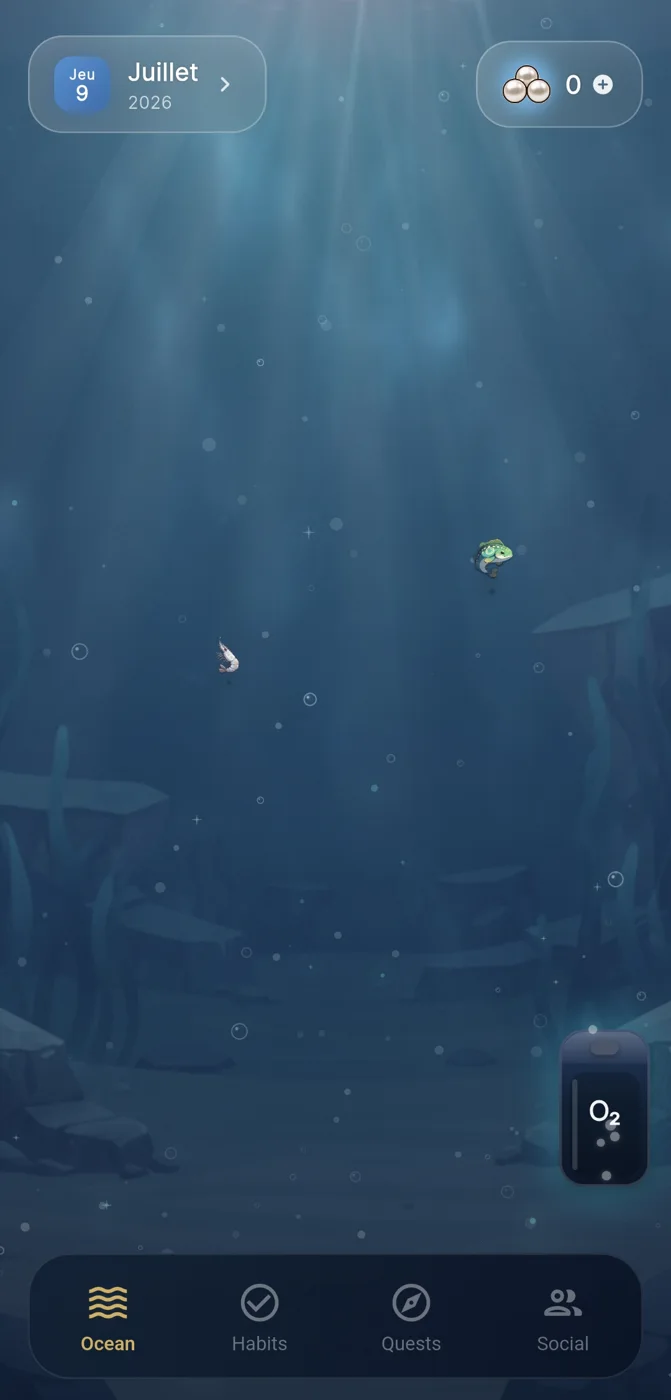
What a morning routine notes app is actually for
A morning routine notes app is meant to hold the small, repeatable steps of a morning in one visible place, so a person doesn't have to reconstruct their plan from memory every day. The core job is simple: list the habits, mark what got done, and let the pattern build over time. That sounds basic, but the value comes from consistency of use, not from any single feature.
Before choosing one, it helps to separate two different needs that often get bundled together: capturing free-form notes about a morning (thoughts, journaling, planning) versus tracking a defined set of repeatable actions (stretch, hydrate, read). Some apps do both, but the tracking side is where habit-focused tools like Reef are built to help, since they are structured around marking small actions as complete rather than open-ended writing.
The principles worth checking before you commit
Whatever app you pick, a few underlying principles tend to separate tools that actually get used from ones that get abandoned after a week. Habits stick better when they are small and repeatable rather than ambitious, when progress is visible rather than hidden in a list, when missing a day is easy to recover from rather than treated as a failure, and when any social element is optional rather than a source of pressure.
These aren't unique to any one product, but they're a reasonable checklist when comparing morning routine notes apps generally. An app that punishes a missed day with guilt-inducing streak resets, or that forces you into a group before you're ready, works against the way habits actually form for most people.
- Small, repeatable steps rather than long ambitious lists
- Some visible marker of progress over days or weeks
- A gentle way back in after a missed morning
- Social or accountability features that stay optional
How Reef approaches this, and where its limits are
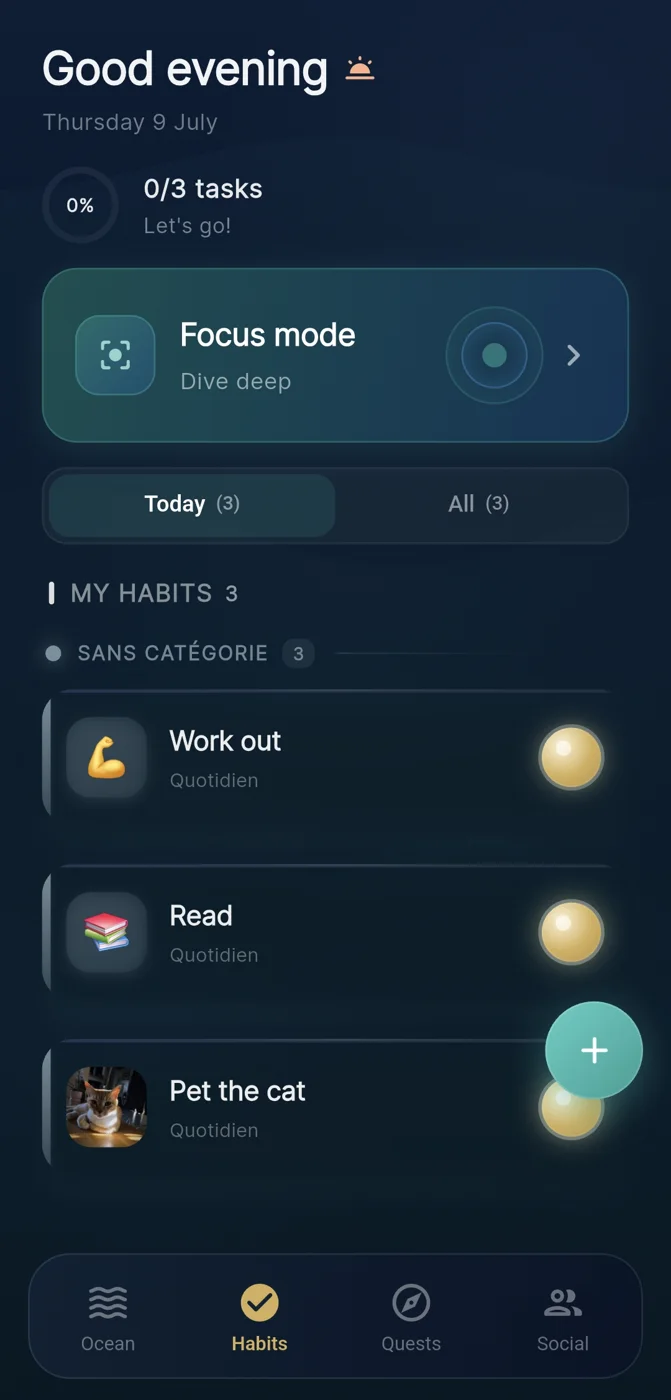
Reef is an IVRYN habit tracker for iOS and Android that is relevant here as one example of a tool built around these principles rather than as the definitive answer. Instead of a blank note field, completing a habit in Reef produces a small visual marker that adds to an evolving underwater scene, giving the person a sense of accumulated progress without needing to reread past entries.
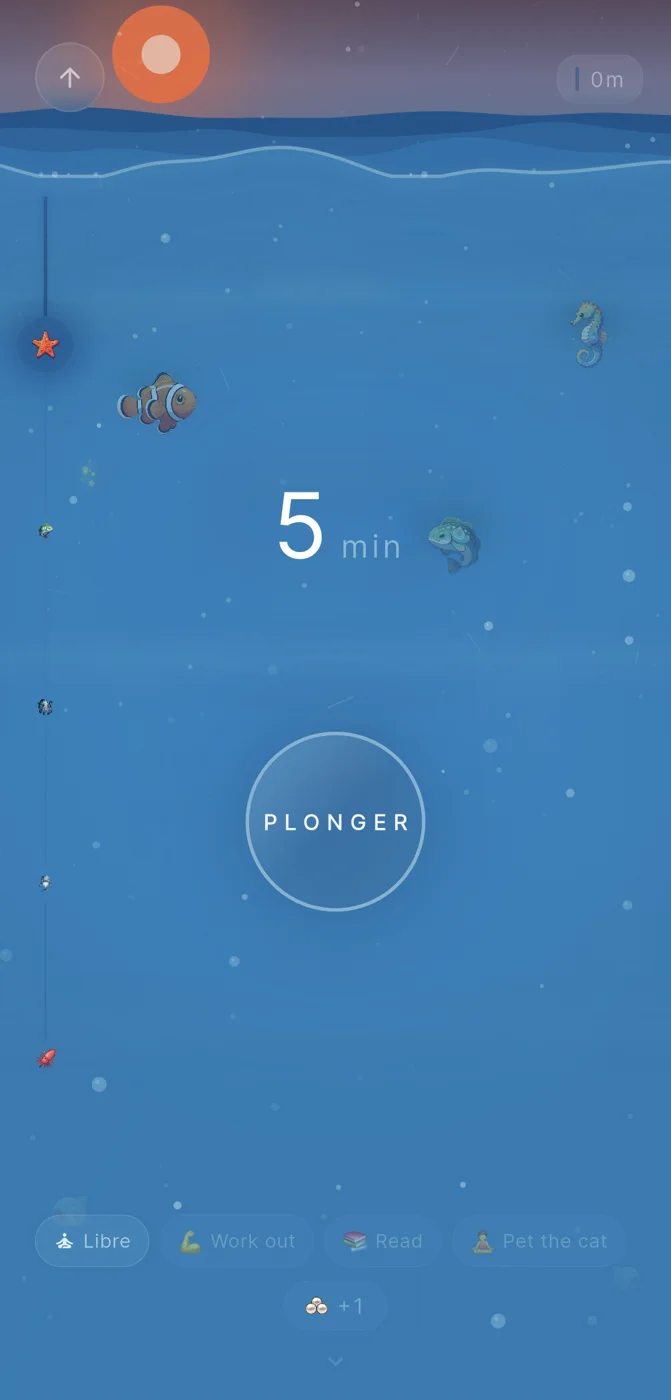
Reef also includes a focus-session feature framed around a diving metaphor, where sustained periods of attention are rewarded once completed, which can suit a morning routine that includes a block of quiet work or reading. Separately, Reef offers optional crews for people who want light social accountability, but nothing about the design requires using them, and joining one doesn't change how the individual tracking works.
It's worth being clear about the boundary here: Reef documents how its habit, focus and social mechanics make repeated actions visible, but it does not claim to guarantee any behaviour or health outcome. Visibility of progress is not the same as a promise that the routine will stick, and no habit app can substitute for a person's own consistency.
Worked example: choosing between three morning routine setups
To make the decision concrete, consider a hypothetical reader, Dana, who wants to build a five-step morning routine (water, stretch, ten minutes of reading, a to-do list, and a short walk). This example is illustrative only and not a documented case.
Option one is a plain notes app: fast to set up, but Dana has to manually check off items and there's no visual sense of a streak or accumulated effort, so the routine is easy to quietly drop.
Option two is a habit tracker with mandatory social feed, which surfaces other people's routines by default; for Dana, who wants privacy, this adds friction rather than motivation.
Option three is a habit-focused tracker like Reef, where each completed step contributes to a visual scene and any group accountability is opt-in; Dana can track the five steps privately at first and decide later whether a crew adds value.
In this hypothetical, option three best matches Dana's stated preference for a gentle, visual, optionally social approach, without assuming it will outperform the others in practice.
A short checklist before you download anything
Rather than judging an app by its marketing screenshots, it's more useful to test it against the specific morning you're trying to support. A short trial period, a week or two, usually reveals whether the visible-progress and recovery mechanics actually match how you respond to missed days.
Questions worth answering during that trial include whether the app lets you start with two or three habits instead of ten, whether a missed morning resets everything or just marks a gap, and whether any social features can be turned off entirely if you decide you don't want them.
- Can you start with a short list and add habits gradually?
- Does missing a day reset progress or just leave a gap?
- Are social or sharing features optional, not required?
- Does the app separate quick tracking from longer free-form notes?
What this app category cannot promise
It's worth stating plainly that no notes or habit-tracking app, including Reef, can guarantee that a morning routine will become permanent or that it will produce a specific health or productivity outcome. These tools are built to make repeated actions visible and to lower the friction of tracking them, which is a meaningful but bounded kind of support.
If someone is choosing a morning routine app as part of managing a medical condition or a significant life change, that decision should involve a qualified professional rather than relying on tracking software alone; this article does not offer medical advice and none of the sources referenced here are clinical evidence.
Frequently asked questions
What's the real difference between a notes app and a habit tracker for a morning routine?
A notes app is generally open-ended text, useful for journaling or planning, while a habit tracker is structured around marking a defined set of repeatable actions as done, which tends to make patterns over time easier to see at a glance.
Do I need social or accountability features to keep a morning routine going?
No. Social features can help some people, but they are optional in well-designed habit tools, and a private tracking setup can work just as well for someone who prefers not to share their routine.
Can a habit tracker guarantee my morning routine will stick?
No app can guarantee that, since building a lasting routine depends on the person's own consistency; tracking tools can only make progress visible and make recovery after a missed day easier, not promise a specific outcome.
Sources and further reading
These resources provide the wider reference frame. Product statements on this page are limited to the public information provided by Reef.