 Reef
Reef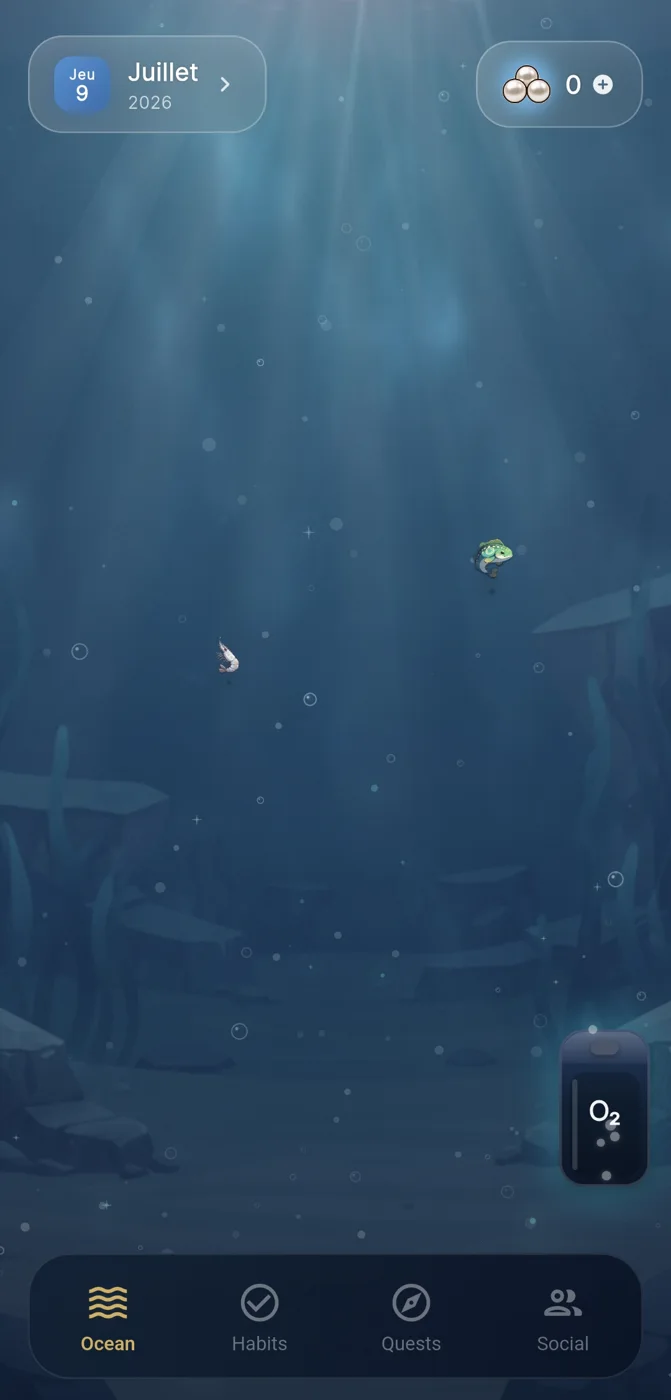
What a daily routine chart app is actually for
A daily routine chart app is a tool for turning an abstract intention, like 'exercise more' or 'read every day', into a small repeatable action that you can log and see over time. The chart itself is not the habit; it's a record. Its value comes from making patterns visible: which days you kept a streak, where gaps appear, and how consistent you've been across weeks rather than any single day.
People searching for this kind of app are usually not looking for a productivity system overhaul. They want something low-friction that fits into a routine they already have, and that gives some visual sense of progress without demanding constant attention. That framing matters when comparing apps, because the best fit is rarely the one with the most features, but the one whose visual language and daily interaction feel sustainable to you personally.
The core mechanics worth evaluating
When comparing daily routine chart apps, it helps to separate three mechanics that often get bundled together: habit logging, focus-time tracking, and social accountability. Each solves a different problem, and not every user needs all three.
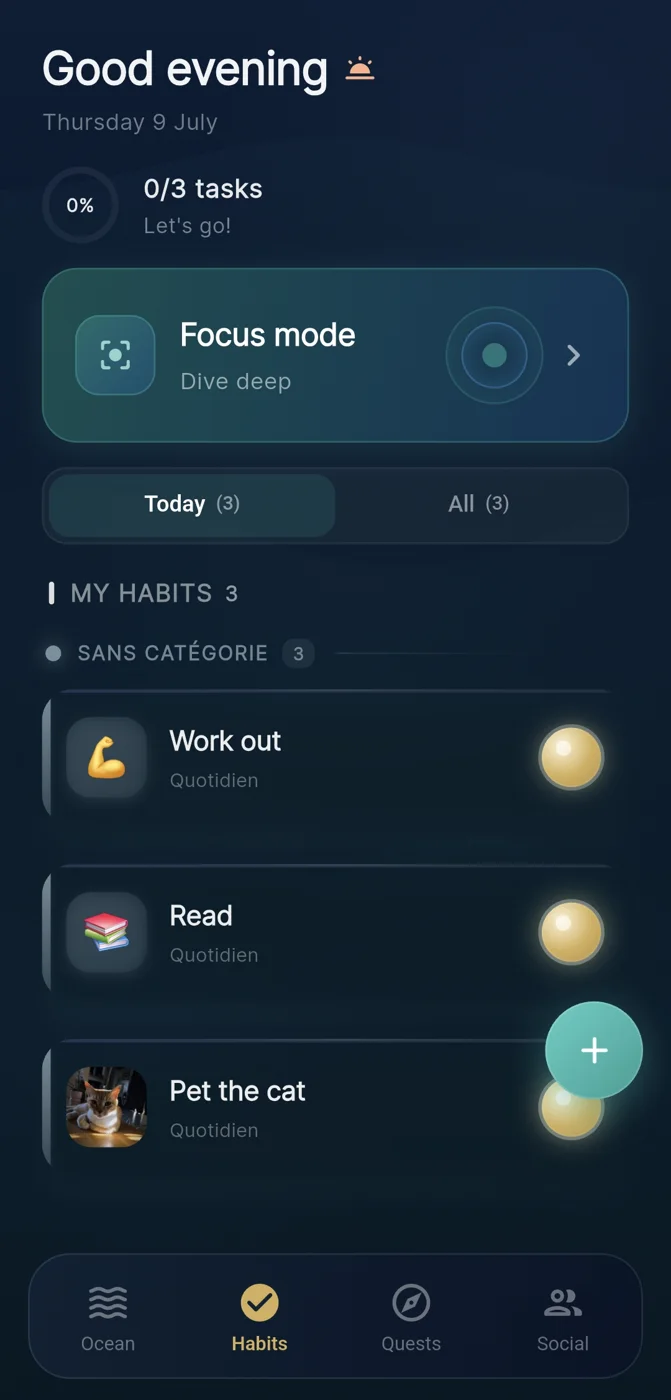
Habit logging is the baseline: marking a small action as done for the day, ideally with minimal taps. Focus-time tracking extends this into blocks of concentrated work, useful if part of your routine involves study, deep work, or screen-time discipline rather than a single quick action. Social accountability, such as sharing progress with a small group, is optional for most people and works best when it's genuinely opt-in rather than a default you have to disable.
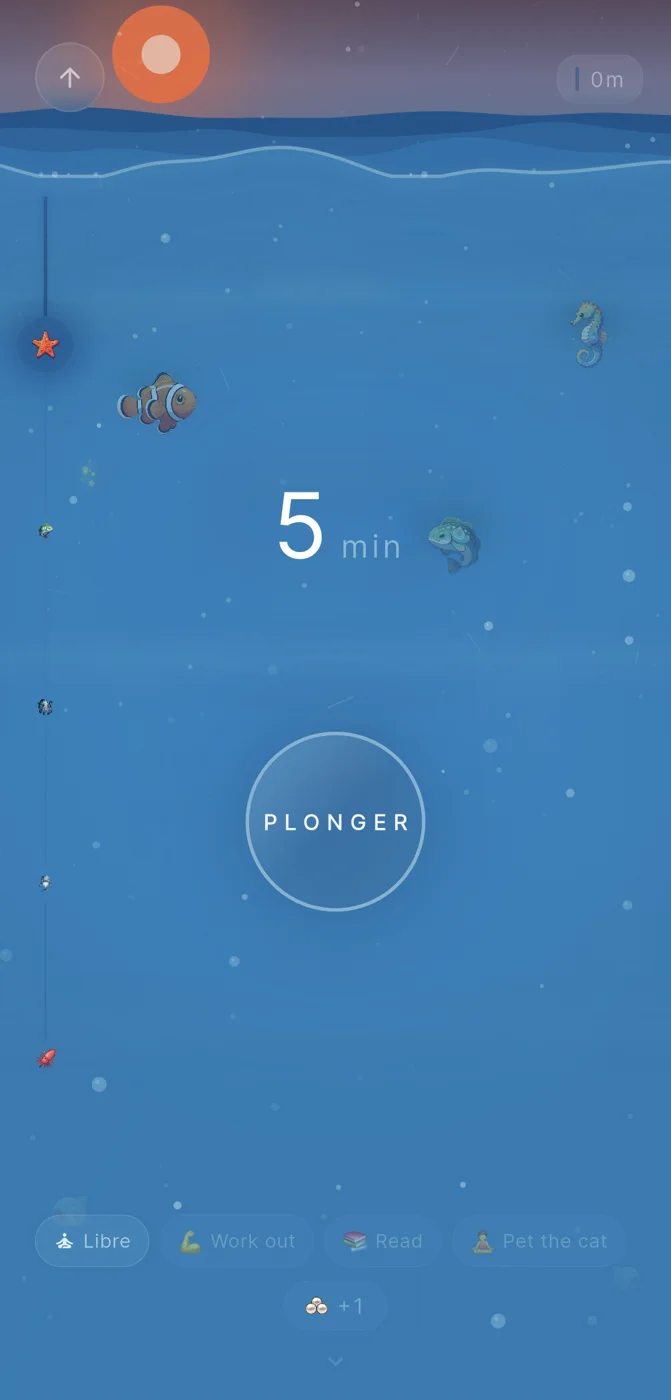
Reef, an IVRYN habit tracker for iOS and Android, is one example of how these mechanics can be combined visually: completing a habit releases a pearl into an ocean-style visual that grows over time, focus sessions use a dive metaphor with pearls earned for completed focus time, and joining a crew for social accountability is optional rather than required. That combination illustrates one design approach, not a universal template, and it doesn't promise a specific behaviour or health outcome.
The principles that should guide your routine, not the app
Regardless of which app you choose, a handful of underlying principles do most of the work. Small, repeatable habits succeed more often than ambitious ones because they require less willpower on any given day. A habit you can complete in under two minutes on a bad day is more durable than one that only works when you're motivated.
Visible progress matters because humans respond to seeing patterns, not just remembering them. A chart, streak, or growing visual gives you feedback that a mental tally doesn't. But visibility should feed reflection, not anxiety; if seeing a broken streak makes you want to quit rather than adjust, the tool is working against you.
Gentle recovery after missed days is arguably the most underrated principle. Most routine-chart apps and most habit research emphasize that missing one day matters far less than how you respond to it. An app that punishes a miss with harsh visual resets or guilt-inducing messaging works against long-term consistency, while one that treats a miss as normal and easy to resume from supports it.
A worked example: choosing an app for a two-habit routine
Here is a hypothetical, for illustration only. Imagine someone wants to track two habits: a ten-minute walk and twenty minutes of reading, most days of the week. They don't want social features, but they do want to see progress visually and not feel bad about the days they miss.
In this scenario, the decision aid below is a way to think through the choice, not a recommendation of a specific outcome:
- Does the app let you log a habit in one or two taps, without extra screens?
- Does the visual progress update daily in a way you'd actually want to check?
- Is social sharing optional, and can it be ignored entirely without losing functionality?
- What happens visually or in messaging when you miss a day - does it feel punitive or neutral?
- Can you track two unrelated habits without the app assuming they're linked?
Limits worth keeping in mind before you commit
No routine chart app, including Reef, can guarantee that visualising a habit will make you keep it. The chart is feedback, not motivation on its own, and people vary widely in how much visual progress actually changes their behaviour. Some find streak-and-visual mechanics genuinely helpful; others find them stressful or eventually ignorable.
It's also worth being cautious about apps, categories, or reviews that promise specific health or behaviour outcomes from tracking alone. Tracking a habit is a supporting structure, not a substitute for the underlying change itself, and any app claiming otherwise is overstating what a chart or streak can do.
Feature sets, pricing, and platform availability for any given app change over time, so it's worth checking current details directly with the app rather than relying on older comparisons, including this one, for anything beyond the general shape of what the app offers.
How to actually decide, using the daily routine chart app search itself
If you're searching for a daily routine chart app, the most useful next step is usually to shortlist two or three candidates and test each for a week with just one habit, before committing to tracking your full routine. This limits the cost of switching later and gives you a real sense of whether the visual style and daily interaction suit you.
Pay particular attention to how each app handles a missed day, since that moment - not the initial setup - is where most routine tracking either survives or gets abandoned.
Frequently asked questions
What's the main benefit of a daily routine chart app over a paper habit tracker?
The main practical benefit is automatic pattern visibility over time, such as streaks or trends, without you having to manually tally results, plus reminders. Paper trackers can work just as well for some people, but they require more manual upkeep and don't surface longer-term patterns as easily.
Should I worry about breaking a streak in a habit-tracking app?
A single missed day matters far less than how you respond to it; the goal is resuming quickly rather than maintaining an unbroken record. Apps that make recovery after a miss easy and low-guilt tend to support consistency better than ones that reset progress harshly.
Is social accountability necessary for a routine chart app to work?
No, social features are optional for most people and help some, particularly for external accountability, but plenty of people build consistent routines using only private tracking. Choose an app where social sharing, if present, can be fully ignored without losing core functionality.
Sources and further reading
These resources provide the wider reference frame. Product statements on this page are limited to the public information provided by Reef.