 Reef
Reef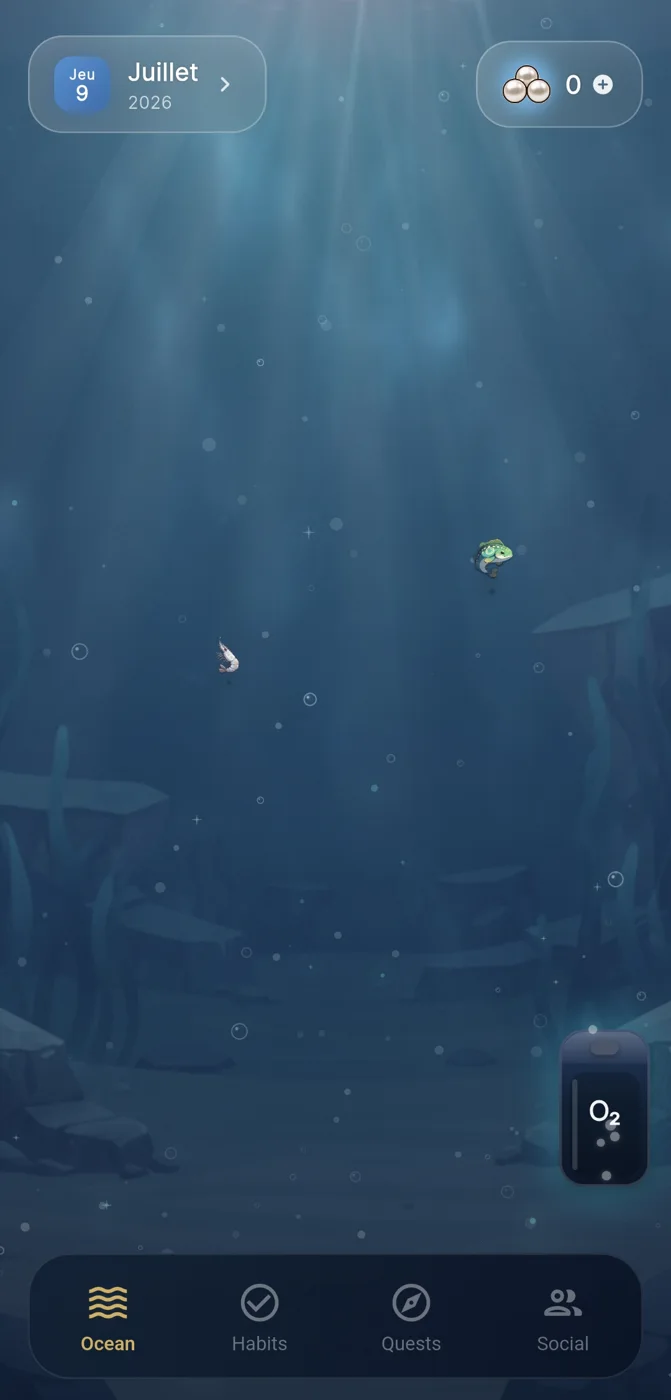
Habit tracker jak zrobic: what the question is really asking
"Habit tracker jak zrobic" is Polish for "how do I make a habit tracker". The question is practical. Someone wants to build a simple record, usually a grid on paper or a screen, that shows whether a chosen action happened on a given day. This article answers that directly. It covers how to design the tracker, how to fill it in, and what a tracker can and cannot do for you.
Before you draw a single box, it helps to know the limit. A habit tracker is a mirror, not an engine. It makes repetition visible, and that can make the next repetition easier to choose. It cannot guarantee that you will change your behaviour, and no layout, colour scheme or app removes that uncertainty. Treat everything below as a way to make your effort easier to see, not a promise of results.
Step one: choose habits small enough to tick honestly
A tracker is easier to keep when each habit is defined clearly from the start, before you draw the grid. "Exercise more" cannot be ticked honestly, because you never know whether today counted. "Walk for ten minutes after lunch" can. A good tracked habit has a clear action, a rough time or trigger, and a minimum version so small that a bad day can still produce a tick.
Start with one to three habits. Every extra row is one more thing to update and one more empty box to look at. If a habit only makes sense a few times a week, decide in advance which days count. That way an unplanned rest day is not marked as a failure.
- Write each habit as a visible action, not a goal or a feeling.
- Add a minimum version, for example one page read or two minutes of stretching.
- Limit the first month to three rows or fewer.
Step two: build the grid on paper or on screen
On paper, the classic layout puts the month's dates across the top and your habits down the left side. Each cell gets one mark per day. Some people use a circle or a spiral instead of rows, which looks attractive but is harder to scan for gaps. Whatever shape you choose, keep it where you will see it at the moment the habit happens, not in a notebook you open once a week.
On a phone, the logic is the same. What changes is the friction. An app can remind you, keep the history without redrawing, and show patterns across months. A paper tracker gives you full control over the design and keeps the data entirely with you. Neither is objectively better. The right one is whichever you will actually update every day.
- Dates across the top, habits down the side, one cell per day.
- A small notes column for context such as travel, illness or a deadline.
- A weekly glance, not a daily judgement, to look for patterns.
Step three: decide now how you will handle missed days
Every tracker eventually shows an empty box. How you planned to read that box matters more than the box itself. A single gap can feel like failure and tempt you to stop tracking altogether, which would lose far more than one missed day. Decide your recovery rule before you need it. One commonly cited heuristic is "never miss twice": treat one gap as information and simply aim to make the next day count. It is a rule of thumb, not an established finding, and it carries no guarantee of any outcome.
Your tracker can make this rule visible. Use a neutral mark for planned rest, a different one for a genuine miss, and leave a short note about why. Over a few weeks, the notes may reveal more than the ticks. They can point to the days, triggers or commitments that get in the way, and those are things you can redesign.
Where an app like Reef fits, and its boundaries
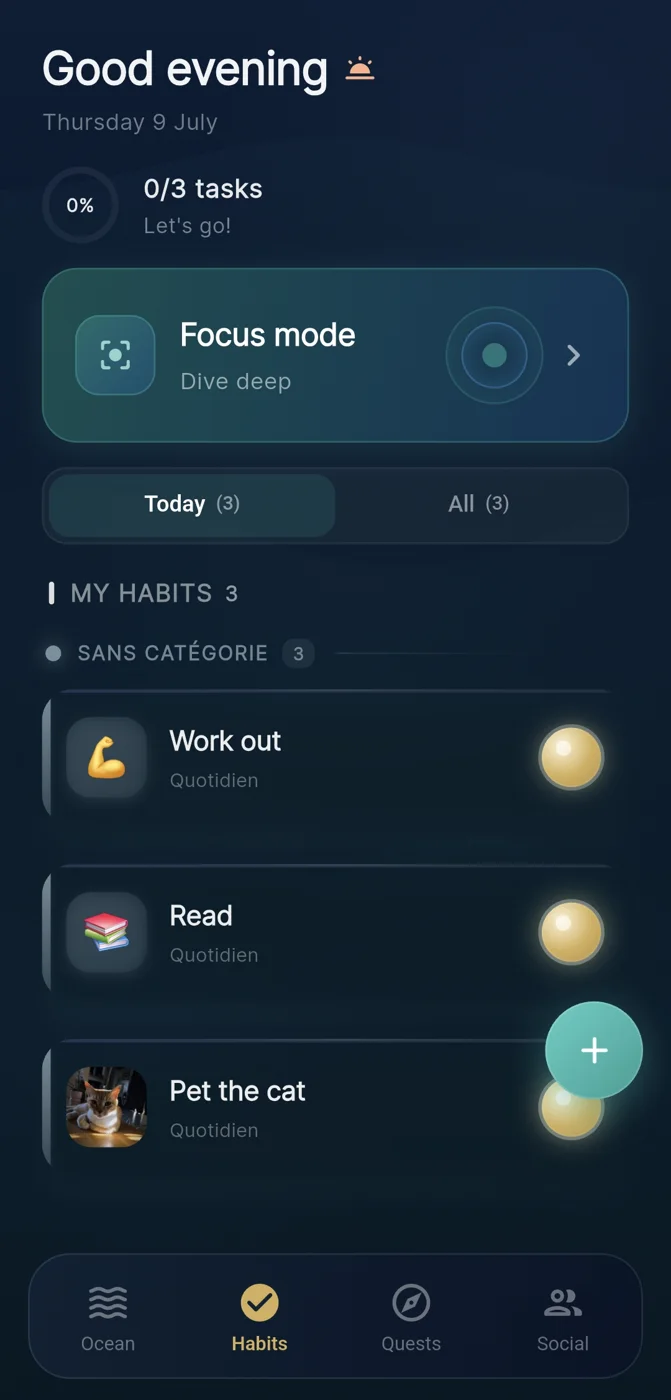
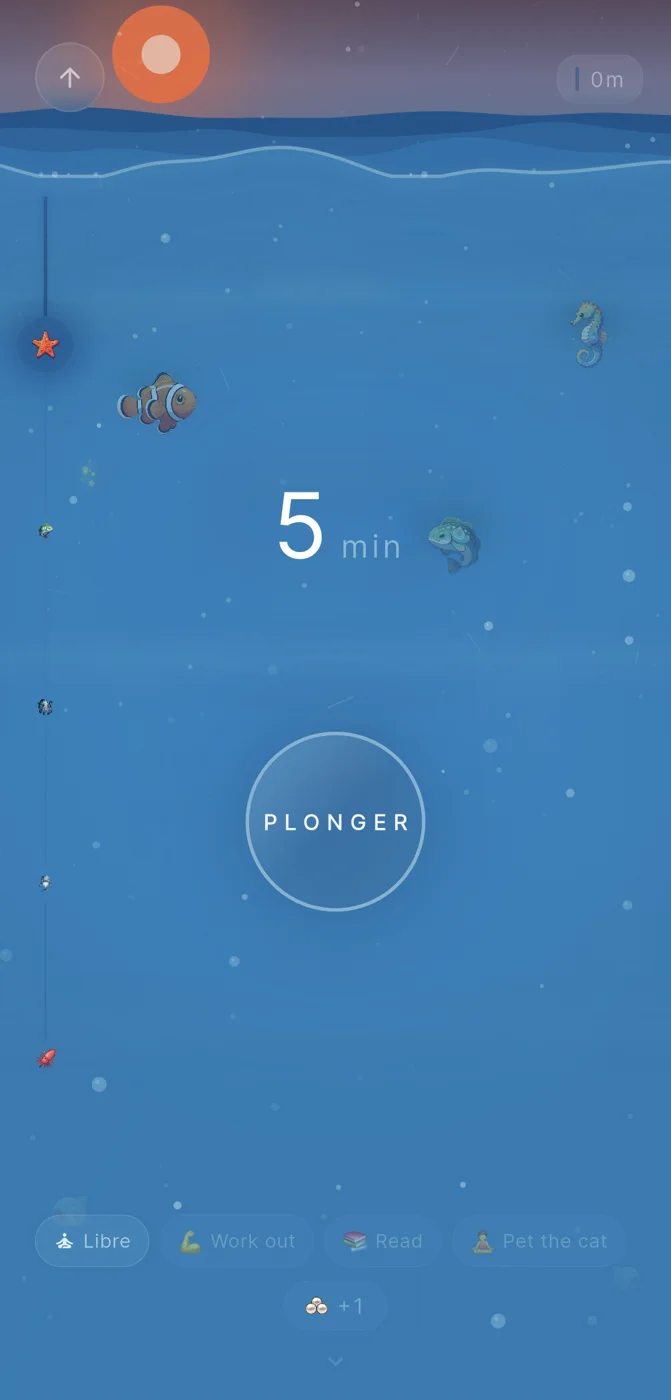
If you would rather not draw grids, a gamified app is one alternative. Reef, a mobile habit tracker from IVRYN for iOS and Android, turns each completed habit into a pearl that adds to a growing ocean. It also offers a streak freeze for off days, and Gambi, a shrimp companion who responds to misses without guilt. That maps closely onto the recovery rule above. Its public methodology and its guide to gamified tracking describe the reasoning, but the app does not claim to guarantee any behaviour or health outcome.
Accountability is the other design choice. Some people prefer that a friend can see their progress, while others may find that pressure unhelpful. On paper you can simply show someone the page. In Reef, shared crews exist but are optional. Treat social visibility as a dial you adjust, not a requirement.
Example (hypothetical, for illustration only): a reader wants to read daily and protect one focused work block. They might draw a two-row paper grid for a month: "read one page" and "25-minute focus block before email." They add a notes column and a dot for planned rest. After four weeks they review the gaps. If the reading habit held but the focus block kept slipping, that is a sign to change the trigger or the length. It does not mean that the person has failed.
- Will I update it daily? Choose the format you will actually touch every day.
- Does a miss make me want to quit? Pick a format with a gentle recovery rule built in.
- Do I want others watching? Add sharing only if it helps rather than pressures.
Frequently asked questions
What does "habit tracker jak zrobic" mean in English?
It is Polish for "how do I make a habit tracker". It usually refers to building a simple daily grid, on paper or in an app, that records whether a chosen habit was done each day.
How many habits should a new habit tracker include?
Starting with one to three clearly defined habits is a sensible approach. Fewer rows make the tracker quicker to update and easier to keep using. Each habit should be written as a concrete action with a small minimum version, so a difficult day can still count.
Can a habit tracker guarantee that a habit will stick?
No. A habit tracker makes repetition and gaps visible, which can support reflection and planning. It cannot guarantee any change in behaviour or health, whether it is a paper grid or an app. It works best alongside small habits and a planned way to recover after missed days.
Sources and further reading
These resources provide the wider reference frame. Product statements on this page are limited to the public information provided by Reef.