 Reef
Reef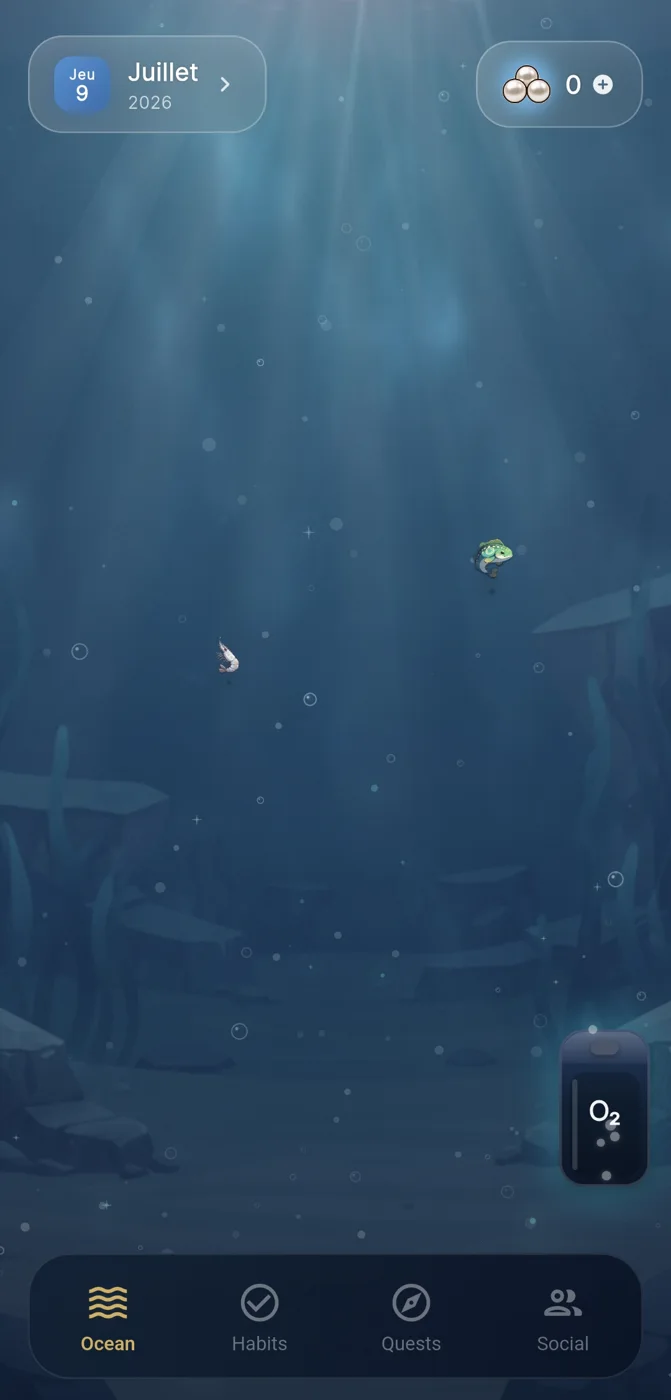
What a daily routine management app can actually do for you
A daily routine management app is, at its core, a way to make repeated actions visible. It doesn't do the habit for you, and it can't force consistency; what it can do is give you a place to log small actions, see them accumulate, and notice patterns in when you follow through and when you don't. That visibility is the main value on offer, and it's worth being precise about it before you pick a tool, so you don't expect the app itself to change your behaviour.
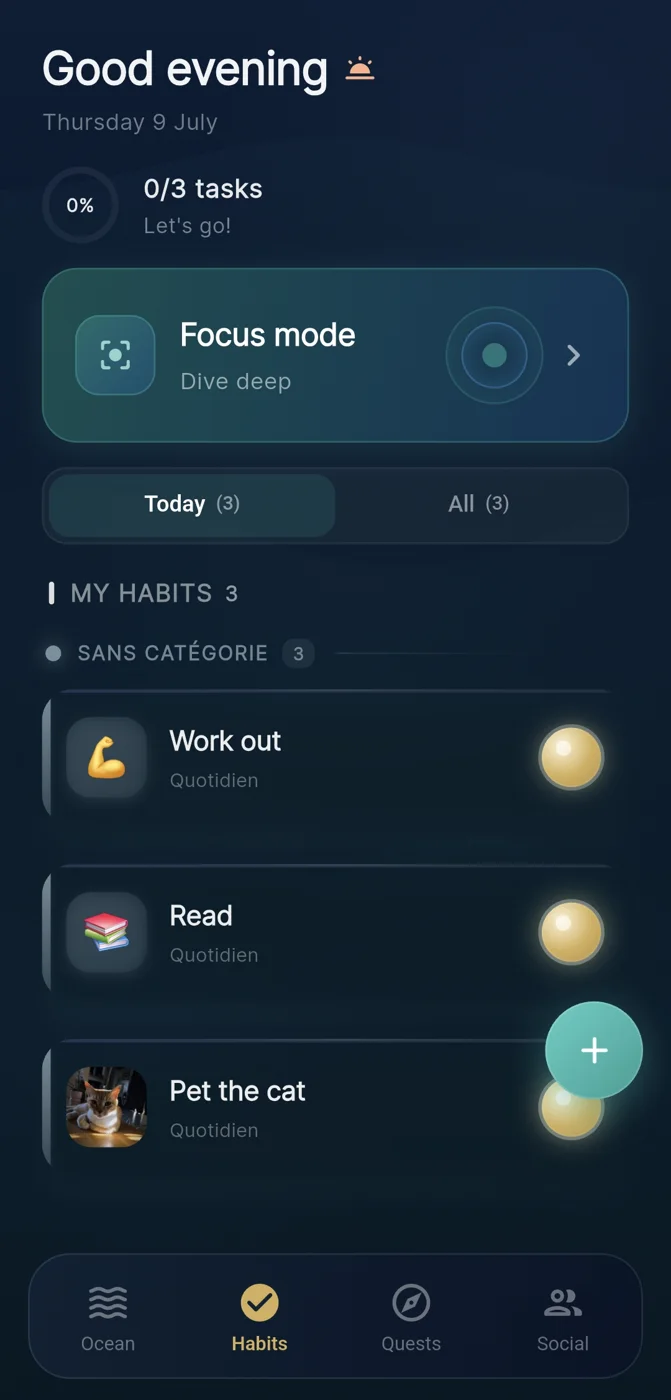
The most useful apps in this category are built around small, repeatable units rather than big ambitious goals. A routine that asks you to 'exercise more' is hard to log honestly; a routine that asks you to 'do ten minutes of movement' is easy to mark done or not done. If you're evaluating a daily routine management app, look at whether it nudges you toward habits sized for daily repetition, because that sizing does more for follow-through than any feature list.
- Look for habits you can complete in under fifteen minutes on a bad day
- Prefer apps that show streaks or history rather than just today's checklist
- Be wary of apps that frame missing a day as failure rather than data
Visible progress and why it matters more than it sounds
One underrated feature of good routine apps is a visual representation of accumulated effort - a chart, a growing collection, a changing scene - that reflects completed actions over time. Reef, an IVRYN habit tracker for iOS and Android, uses this idea directly: each completed habit adds a pearl to an evolving underwater scene, so your history becomes something you can look at rather than a number buried in settings. That's a design choice aimed at making consistency legible, not a claim that watching the scene grow will change your behaviour on its own.
Visual progress works because it turns an abstract idea ('I've been consistent') into something concrete you can glance at. That said, the visual is a record, not a mechanism. If the underlying habit is unrealistic or misaligned with your actual schedule, no amount of visual feedback will make it stick. The app's job is to reflect what you did; your job is still to choose habits that fit your life.
Focus sessions and protecting time inside a daily routine management app
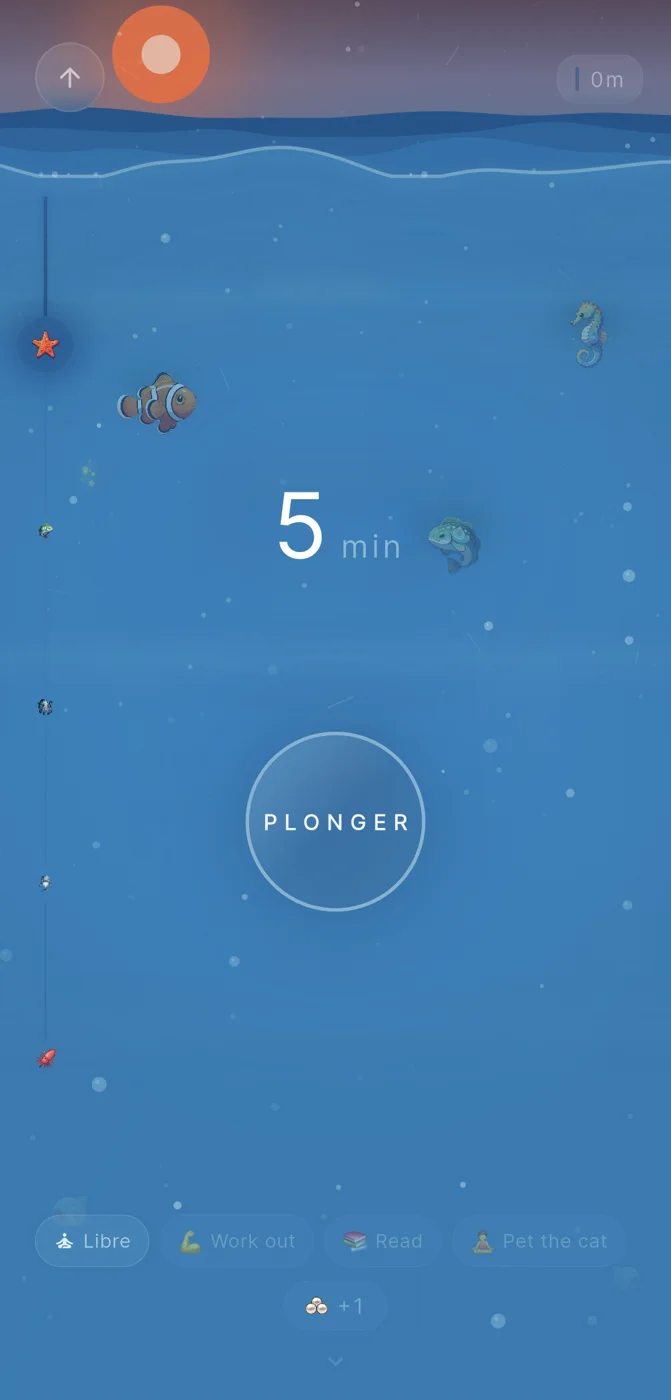
Many routine apps now bundle a focus-timer feature alongside habit logging, and this is worth evaluating separately from the habit-tracking side. Reef frames its version around a dive metaphor, where completing a stretch of focused time earns pearls in the same way a completed habit does - the point being to reward the act of protecting time, not to measure or judge what you produced during it.
This distinction matters for how you use the feature. A focus session tool measures whether you sat down and protected a block of time from interruption; it says nothing about whether that time was productive, whether the task was the right one, or whether you're overworking. If you're using a daily routine management app to build focus habits, treat the timer as a record of attempted protection of time, not a productivity guarantee.
Where social accountability helps, and where it doesn't
Some routine apps include social or crew-based features, letting you share progress with others by choice. This can help with the specific problem of motivation drop-off, since having someone else aware of your streak adds a small external reason to show up on a hard day. It's a legitimate mechanism, but it's optional by design in tools like Reef, and it comes with real tradeoffs worth naming.
Sharing progress can create healthy light accountability, or it can create pressure that makes people hide slips instead of recovering from them. If a routine app's social layer starts making you dread logging a missed day, that's a signal to make the sharing more private or drop it, not a sign you've failed. No routine app, social or otherwise, can guarantee a behaviour or health outcome - that responsibility stays with you and, where relevant, your own judgment or a professional you trust.
Gentle recovery after missed days: a worked example
The clearest test of whether a daily routine management app is well designed is what happens after you miss a day - or five. Punitive apps reset streak counts to zero and frame the gap as a failure. Better-designed apps treat a missed day as a data point and make it easy to resume without extra friction or guilt-inducing UI.
Here's a labelled example to make this concrete. Imagine someone tracking a daily ten-minute reading habit. They log it consistently for three weeks, then travel for work and miss six days in a row. In a punitive app, their visible streak drops to zero and the interface treats week four as a fresh start, which often discourages people from reopening the app at all. In a gentler design, the app shows the six missed days plainly, but keeps the prior three weeks of history visible and lets the person resume on day one of a new stretch without erasing the record of what came before. The habit itself hasn't changed; what's changed is whether the interface makes recovery feel achievable or makes the person feel like they're starting from nothing.
This is the practical thing to check when comparing apps: open the settings or help documentation and look at how streaks and missed days are described. If the language is about resets and losses, expect that framing to affect how you feel about lapses. If the language is about ongoing history and resuming, that's more aligned with the actual research consensus that habits are built through repetition over time, not unbroken perfection.
A short decision checklist before you choose an app
Given all of this, it helps to have a short, concrete list to run through before committing to any daily routine management app, rather than judging by app-store screenshots alone.
Use this checklist as a starting point, adapting it to whichever habits matter most to you:
- Does it let you define small, sub-fifteen-minute habits rather than pushing big goals?
- Does it show accumulated history, not just today's checklist?
- Does missing a day reset your record, or does it let you resume without erasing past progress?
- If it has a focus-timer feature, does it reward protected time rather than judging output?
- If it has social or sharing features, can you opt out or keep it private without losing functionality?
- Does the app avoid promising specific health or behaviour outcomes?
The honest limits of any daily routine management app
It's worth stating plainly: no app, including Reef, can guarantee that using it will change your behaviour or improve your health. What these tools offer is structure and visibility - a way to make small repeated actions easier to track and, ideally, easier to resume after a lapse. The actual work of choosing achievable habits, adjusting them when they don't fit your life, and deciding how much social exposure you want is still yours.
If you're dealing with a habit tied to a medical condition, mental health, or a significant life change, a routine app is a logging tool, not a substitute for advice from a qualified professional. Treat any daily routine management app as one input among several, and judge it by whether it makes your actual days easier to track honestly - not by how motivating its marketing sounds.
Frequently asked questions
What's the most important feature to look for in a daily routine management app?
Look for support for small, easily repeatable habits and a way to view accumulated history over time, rather than just a same-day checklist. These two things do more for long-term use than gamification extras.
Does a daily routine management app guarantee I'll build better habits?
No. These apps provide structure and visibility for actions you choose to take, but no app can guarantee a behaviour or health outcome. The consistency still depends on your own choices and circumstances.
How should a good routine app handle a missed day?
It should treat a missed day as a data point rather than a failure, ideally keeping your prior history visible and letting you resume easily rather than resetting streaks to zero, since that framing tends to support recovery instead of discouraging it.
Sources and further reading
These resources provide the wider reference frame. Product statements on this page are limited to the public information provided by Reef.