 Reef
Reef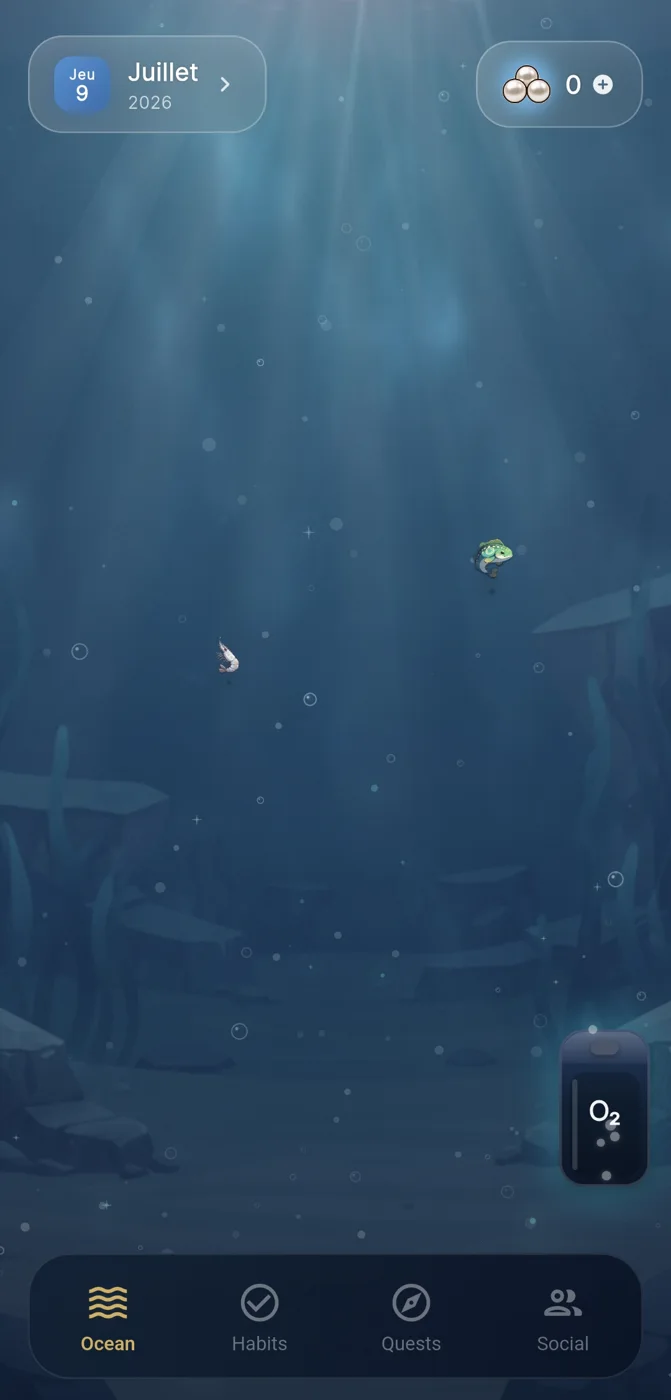
What a routine maker app free trial can and cannot tell you
A routine maker app free trial is a short window to learn whether an app fits the way you actually live, not a verdict on whether you will keep a habit. Most trials last days or weeks, and no routine forms in that time. What you can learn is practical: whether logging feels light enough to repeat, whether the app nudges you at useful moments, and whether missing a day feels survivable.
Treat the trial as a test of friction rather than a test of willpower. If you need to open three screens to tick off a two-minute action, that friction will still be there after you pay. The question to answer before acting is simple: does this app make repeated small actions easier to see and easier to resume, or does it mostly add work?
Trial terms change often and differ by platform and region. Length, which features are locked, and what happens at the end are things to confirm on the store listing the day you install, not to assume from an article.
Set up the trial so it tests something real
Begin with one to three habits you already half-do, such as a short walk, a glass of water after waking, or ten minutes of reading. Small, repeatable actions give you enough completions in a short trial to see how the app handles them. A trial filled with ambitious new goals mostly measures your enthusiasm in week one.
Decide in advance what a good outcome looks like. For many people it is a run of days where opening the app felt natural and the record stayed honest. For others it is whether a focus timer helped them protect one block of uninterrupted work. Writing this down before you start stops the trial from drifting into feature sightseeing.
- Pick habits with a clear moment of completion so logging is unambiguous.
- Keep your usual reminders elsewhere running for the first days so you can compare.
- Note the trial end date and any auto-renewal step in your calendar on day one.
A checklist for the first week of a routine maker app free trial
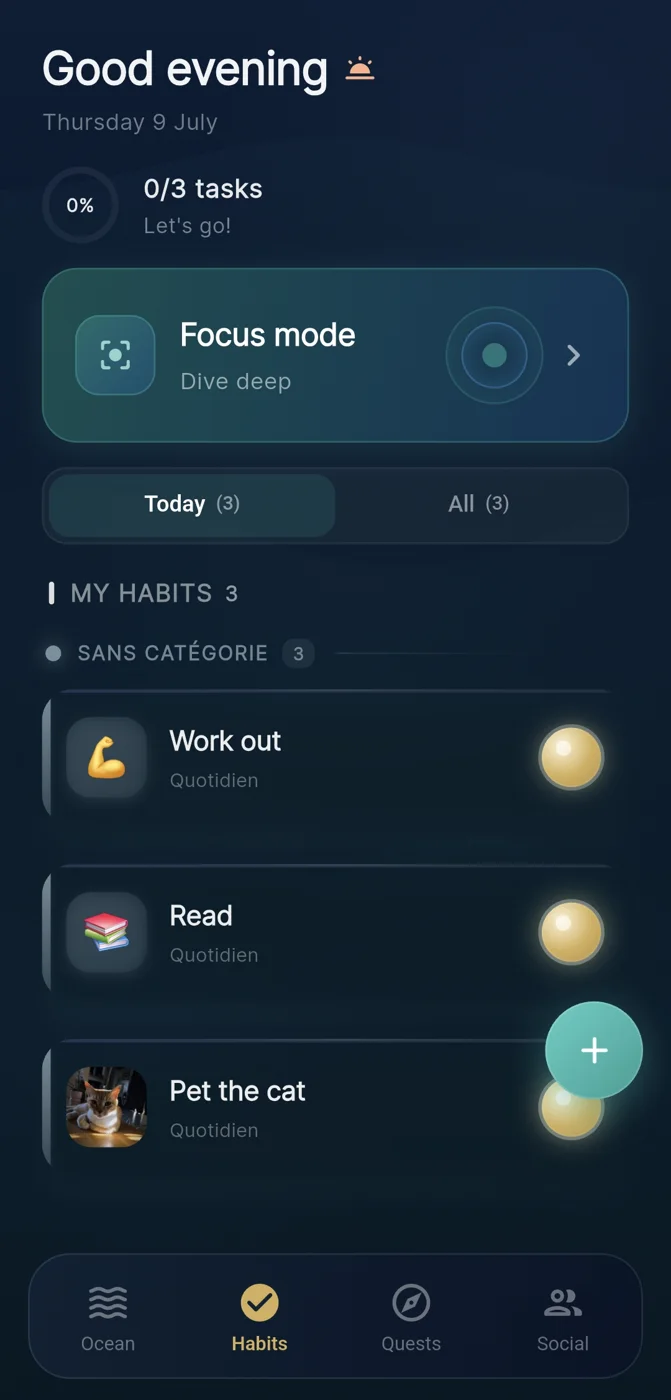
Reef is a mobile habit tracker from IVRYN for iOS and Android, and its public design notes are a useful lens for this checklist even if you are trialling something else. Its methodology page describes making progress visible through small marks and allowing recovery after a lapse rather than resetting everything. Those are the behaviours worth probing in any trial, because they shape how you feel on the days that go badly.
The items below are an example checklist, not a scoring system. Run through it near the end of your first week and answer honestly. Any app that fails several of these will probably not become easier to use after payment.
- Example: logging a completed habit takes a few seconds and I did not skip it because of the interface.
- Example: after I missed a day, the app showed a way back that did not feel punitive.
- Example: progress is visible at a glance without reading numbers or reports.
- Example: reminders arrive at times I set, and I can silence them without losing data.
- Example: any focus or timer feature counts time I actually spent, not time I intended.
- Example: social features are optional and I can keep everything private.
How visual progress and gentle recovery feel in practice
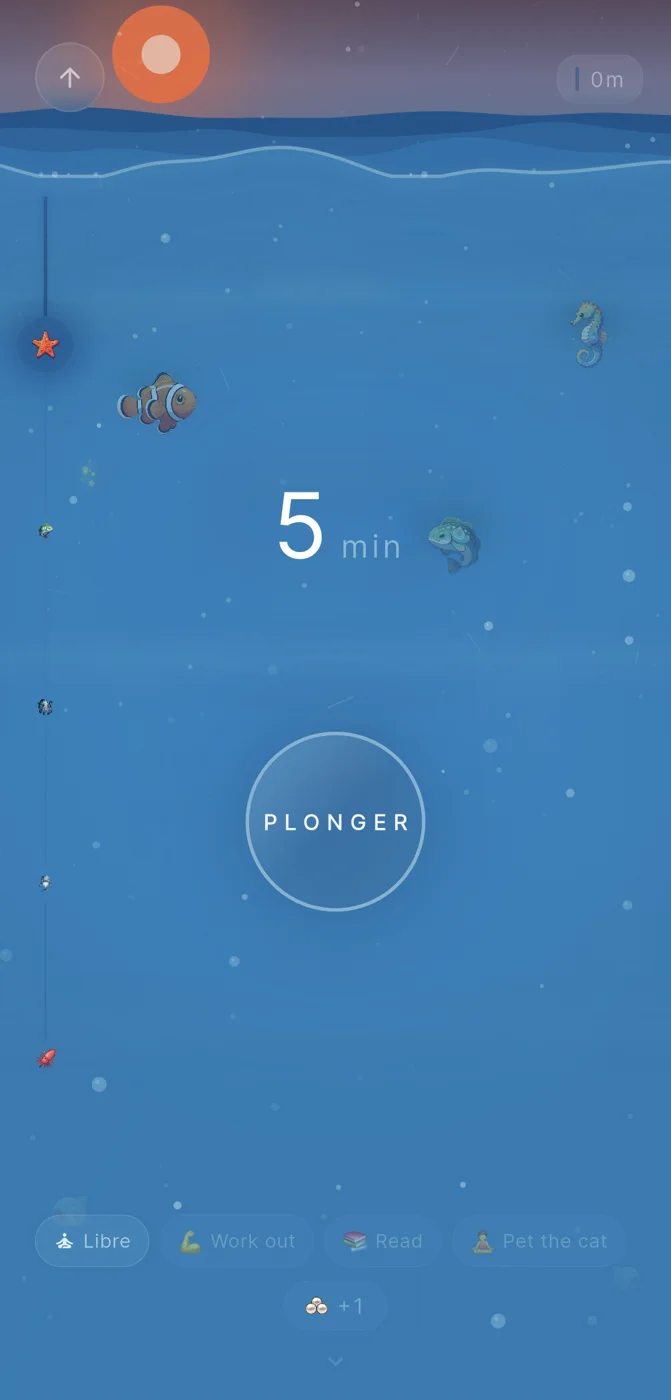
Guides on gamified habit trackers often stress that rewards should be tied to the action itself, not to streak length alone. In Reef, each finished habit adds a pearl to an ocean scene that grows over time, and focus sessions framed as dives turn completed minutes into the same currency. The point of such mechanics is to make repetition visible, which the trial lets you judge for yourself: does seeing the scene fill up make you want to add one more small action, or does it feel like decoration?
Recovery is the harder test, and a short trial may not include a missed day unless you plan one. Consider skipping a habit deliberately on day four or five and watching what the app does. A design that keeps earlier progress intact and invites you back is doing what Reef describes as gentle recovery. A design that wipes a counter to zero is asking you to restart your motivation each time.
Worked hypothetical, labelled as an example: someone trials an app with two habits, stretching and a ten-minute tidy. By day three both are logged without thought. On day five they travel and miss both. If reopening the app on day six shows the scene or record still there with an easy way to continue, they have learned something that no feature list could tell them. If it shows a broken streak and little else, they have also learned something.
Optional accountability and the limits of any promise
Some routine apps offer groups or crews. During a trial, test whether joining one is truly optional and whether leaving is painless, because accountability that cannot be switched off becomes pressure. Reef frames crews as something you can choose and explicitly does not promise that using them changes behaviour or health outcomes. That caution is worth copying when you read any app marketing: visibility and encouragement are design choices, not guarantees.
Be wary of trials that front-load a transformation story. Claims about guaranteed results, dramatic streak statistics, or testimonials cannot be verified inside a two-week window and should not shape your decision. What you can verify is how the app treats you on an ordinary Tuesday and on a bad Friday.
Nothing here is medical advice. If a routine relates to a health condition, medication, or recovery, a habit app can only help you notice repetition and should sit alongside guidance from a professional, not replace it.
Deciding at the end of the trial
When the window closes, go back to the outcome you wrote down on day one. If the app met it and the checklist answers were mostly yes, paying is a reasonable step. If you are unsure, the honest move is to let the trial lapse and notice over the following week whether you miss the visual record. Missing it is a strong signal; not noticing is an equally strong one.
Check the practical limits before committing: whether your logged data exports or survives if you cancel, whether the price differs between the two mobile stores, and whether a yearly plan locks you in beyond the habits you are confident about. These details are mutable, so read the current listing rather than relying on anything written earlier.
The advice in this article is bounded by what Reef publicly says about its own design and by general trial practice. It cannot tell you Reef is right for you, only how to find out during whatever trial or free tier the store offers at the time you look.
Frequently asked questions
How long does a routine maker app free trial need to be to judge fit?
A week is usually enough to judge how logging feels and how the app handles a missed day, provided you test only one to three small habits. It is not long enough to judge whether a habit will last, so use the trial to assess friction and recovery rather than results.
Should I test the social or group features during a free trial?
Yes, but mainly to confirm they are optional. Join a group if offered, then check that you can leave and keep everything private without losing your record. Accountability you cannot switch off tends to become pressure rather than support.
Does Reef offer a free trial?
Reef is an IVRYN habit tracker for iOS and Android, but trial length, pricing and feature limits vary by store and change over time. Check the current listing on the App Store or Google Play before relying on any trial description.
Sources and further reading
These resources provide the wider reference frame. Product statements on this page are limited to the public information provided by Reef.