 Reef
Reef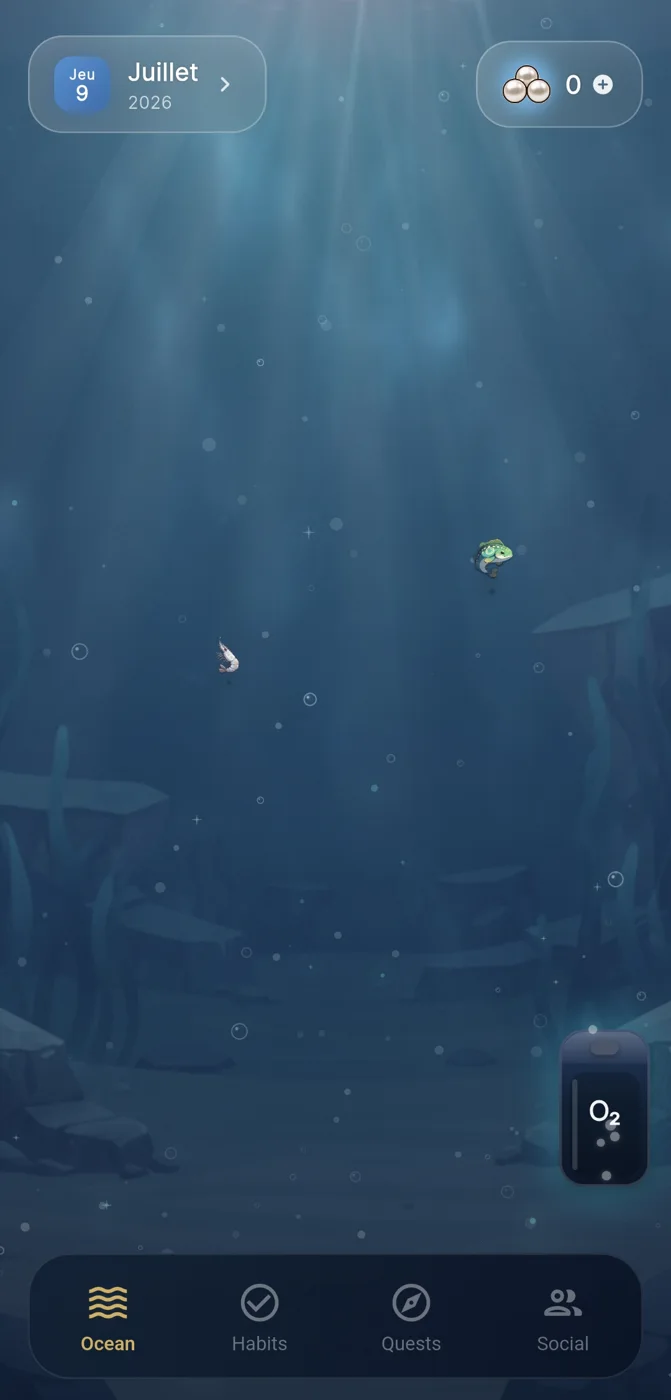

What a workout accountability app actually does
A workout accountability app is a tool that makes your exercise intentions visible, either to yourself, to other people, or both. It usually does this by asking you to define a session in advance, letting you mark it done, and showing the record back to you over time. Some versions add reminders, partners or groups who can see whether you showed up.
The useful part is not the app itself but the feedback loop it creates. When a planned walk, stretch or gym session leaves a visible trace, skipping it becomes a noticeable choice rather than something that quietly disappears. That visibility is the core mechanism, and it is worth judging any app by how clearly and calmly it delivers it.
Limits to accept before you rely on one
No accountability app can guarantee that you will exercise more, get fitter or reach a health goal. It records and reflects behaviour; it does not create motivation, time or energy that are not there. Treat claims of guaranteed transformation with caution, whichever product makes them.
An accountability app is also not a training programme or medical guidance. It will not tell you whether an exercise is safe for your body. If you have a health condition, an injury or doubts about intensity, that question belongs with a qualified professional, not with a tracker. Finally, pressure can backfire: a streak that feels like a debt can make one missed day turn into a missed month.
Design choices that matter more than feature lists
Four principles tend to decide whether a tracker helps over months rather than days. The first is small, repeatable habits: a goal you can complete on a tired day, such as ten minutes of movement, produces more usable records than an ambitious plan you abandon. The second is visible progress, so that accumulated effort is easy to see at a glance.
The third is gentle recovery after missed days. Look for ways to protect a streak or restart without shame, because rigid all-or-nothing counters punish exactly the moments when you most need encouragement. The fourth is optional social accountability: sharing should be a setting you choose, not a default you have to escape.
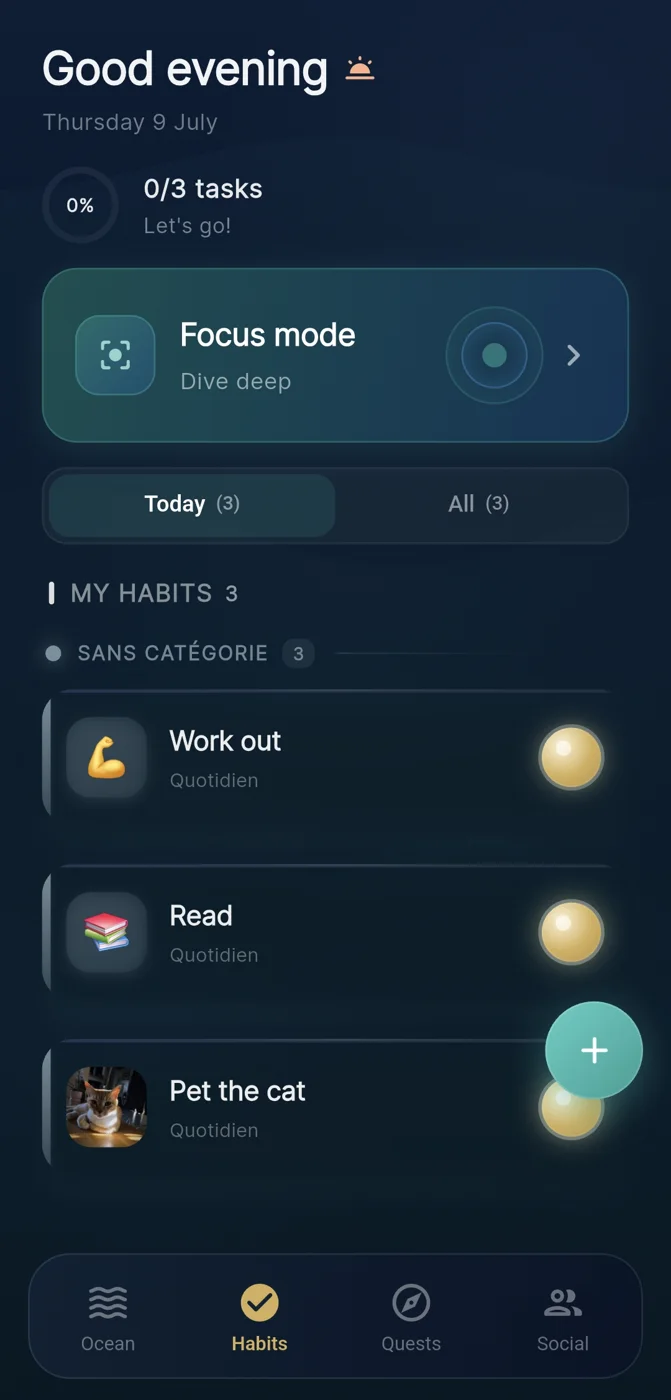
Reef, a habit tracker from IVRYN for iOS and Android, is one example built around these principles rather than around workout logging specifically. A completed habit, such as a daily walk, adds a pearl to a growing ocean scene, a streak freeze can cover an off day, and crews are something you join only if you want to. It does not promise any change in behaviour or health, and that boundary shapes the advice here.
Using social accountability without letting it run you
Telling someone your plan can raise the stakes in a helpful way, but only if the relationship stays supportive. A partner or small group works best when everyone agrees on what counts as showing up and on how misses are discussed. Comparison of results, weights or body measurements is a different activity and often undermines the steady repetition you are trying to build.
Keep the shared information minimal. Whether you did your planned session is usually enough; details you would not happily share with a colleague should stay private. Revisit the arrangement after a few weeks and step back if it starts to feel like surveillance rather than support.
- Agree on one simple definition of a completed session
- Share completion, not body data
- Decide in advance how a missed day is handled
- Make leaving the group easy and judgement-free
Worked example: a hypothetical three-week setup
Example only, not a real user or observed result. Imagine someone who wants to exercise regularly but has stopped several plans after a bad week. Instead of setting five gym sessions, they define one habit: fifteen minutes of movement on weekdays, with anything longer counted as a bonus rather than a requirement.
In week one they track privately to see what is realistic. In week two they notice Wednesdays are always missed, so they swap that day for a five-minute stretch and use a streak protection option once. In week three they invite one friend to see completions only. The point of the example is the sequence: start small, adjust from your own record, protect the habit on hard days, and add social visibility last, by choice.
A checklist for choosing a workout accountability app
Before installing anything, write down the smallest session you would still count as success, and check whether the app lets you define it that simply. Then look at how the app responds to a missed day, because that response will shape how you feel about returning.
Also check the business model and data handling, since fitness habits can be personal. Prefer apps that are clear about whether they show ads and whether data is resold, and verify current pricing and features on the app's own pages, as these change over time.
- Can I set a goal small enough for a bad day?
- Is progress visible without digging through menus?
- Does a missed day allow recovery instead of a reset to zero?
- Is sharing off by default or easy to limit?
- Are data use, ads and pricing stated clearly right now?
- Does the app avoid promising guaranteed results?
Frequently asked questions
Can a workout accountability app make me exercise consistently?
No app can guarantee consistent exercise. A workout accountability app makes planned sessions and completions visible, which can make skipping a more conscious choice, but results depend on realistic goals, available time and personal circumstances.
Should I share my workout progress with friends in an accountability app?
Sharing can help if it stays supportive and optional. Many people do best sharing only whether a session was completed, not weights or body data, and agreeing in advance how missed days are handled so the group does not become a source of pressure.
What should a good accountability app do when I miss a workout?
A helpful app lets you recover without shame, for example by protecting a streak on an occasional off day or making it easy to restart. Rigid counters that reset to zero after one miss can discourage people from returning at all.
Sources and further reading
These resources provide the wider reference frame. Product statements on this page are limited to the public information provided by Reef.