 Reef
Reef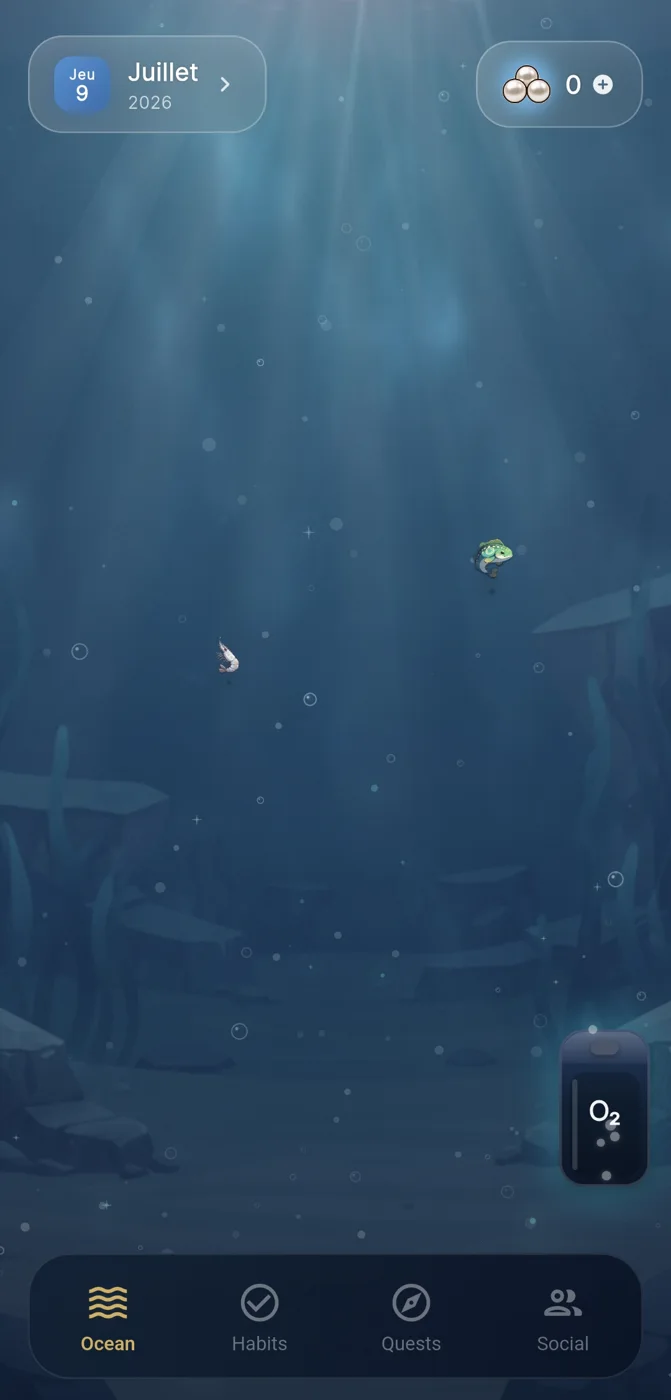
What an accountability app for iPhone actually does
People who search for an accountability app for iPhone usually want one thing: a reason to follow through on a small action when motivation is low. An app cannot supply willpower. What it can do is make a repeated action visible, remind you at a useful moment and, if you choose, let someone else see that the action happened. Those three functions, visibility, prompting and optional witnessing, are the real product, whatever the interface looks like.
It helps to separate the app from the accountability. The accountability comes from a commitment you made, ideally a small one, and from the record that shows whether you kept it. The app is the place where that record lives. If the record is easy to update and pleasant to look at, you are more likely to keep checking it. If it is cluttered, guilt-inducing or hard to share on your terms, the commitment tends to fade along with the app.
Decide which kind of accountability you need first
Before comparing apps, decide whether you need accountability to yourself, to one trusted person or to a small group. Self-accountability depends mostly on a clear daily record and a forgiving way to restart. Accountability to one person depends on easy, low-effort sharing. Group accountability adds encouragement but also social pressure, which some people find motivating and others find draining.
A practical test is to imagine missing three days in a row. Would you want anyone to see that? If the answer is no, start privately and add social features later. If seeing a friend's progress would pull you back in, look for sharing that is opt-in and limited to people you invite. The best setup is the one you would still use during a bad week, not the one that sounds most impressive on a good day.
Limits to understand before relying on an app
No habit or accountability app can guarantee a change in behaviour, and none can stand in for professional support where that is needed. Be cautious with any product that promises a set number of days to form a habit, a fixed improvement percentage or a health outcome. Those claims cannot be checked for your situation, and they set you up to feel you failed when the promised result does not arrive.
Privacy is the second limit. Accountability features involve recording personal routines and sometimes sharing them, so read how the app makes money and what happens to your data. Pricing, features and policies change over time, so check the current App Store listing and privacy details on the day you decide rather than relying on an old review. Finally, notice how much the app asks of you: an app that needs ten minutes of setup per habit will rarely survive a busy month.
Why recovery after missed days matters more than streaks
Streaks are motivating until they break. When a long run of days resets to zero, that reset can feel like a reason to quit, which is the opposite of what accountability is for. When comparing options, look at what happens on a missed day: does the app shame you, quietly reset, or offer a way to absorb an off day and continue? Gentle recovery keeps the record honest without turning one lapse into the end of the habit.
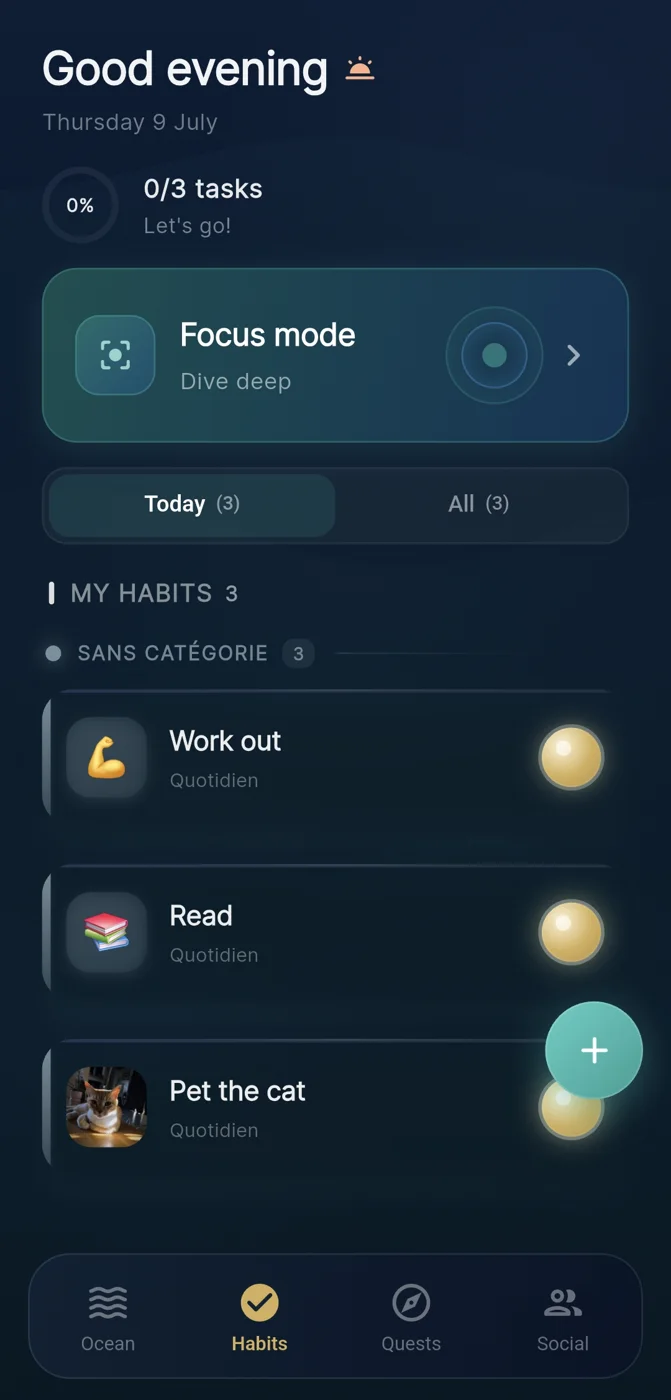
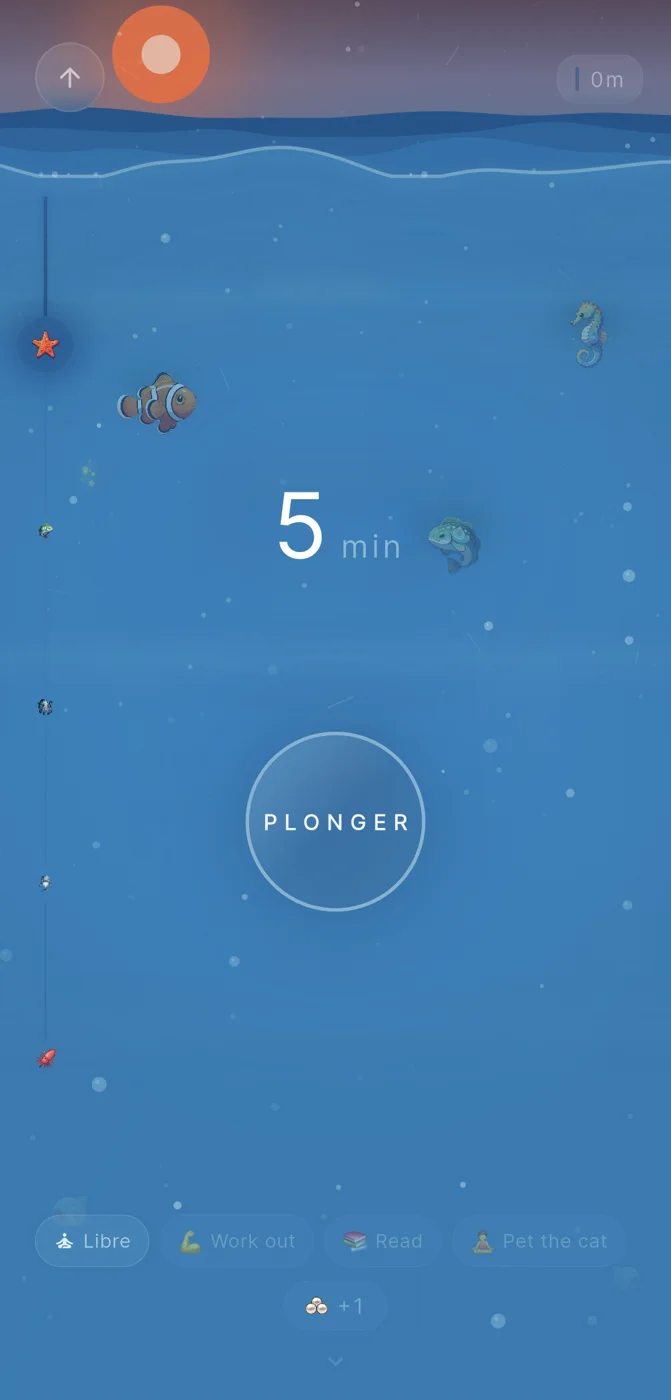
Reef, a habit tracker from IVRYN available on iPhone and Android, is built around this idea: each completed habit adds a pearl to an ocean that grows on screen, a streak freeze can cover an occasional off day, and joining a crew with other people is entirely optional. Its methodology page explains how these mechanics are meant to make repetition visible, and Reef is explicit that it does not promise any particular behaviour or health result. That framing is a reasonable standard to hold any accountability app to.
Example: setting up gentle accountability in one week
This is a hypothetical example, not a report of anyone's results. Sam wants to read for ten minutes each evening and has abandoned two apps before after breaking long streaks. On day one, Sam adds a single habit, sets one evening reminder and keeps everything private. The goal for the first week is only to log honestly, including misses.
By day five, Sam has completed four sessions and missed one. Instead of restarting from zero, Sam uses the app's recovery option and carries on. At the end of the week, Sam decides that one friend who also reads could make the habit more enjoyable, so Sam invites that friend into an optional shared group rather than posting progress publicly. The key decisions were sequential: one habit first, private before social, and a planned response to a missed day before it happened.
- Week one: one small habit, one reminder, private log
- Plan your response to a missed day in advance
- Add one trusted person only after the routine feels stable
- Review after two weeks and remove anything that feels like pressure
Checklist before choosing an accountability app for iPhone
Use the list below as a decision aid when you look at any option, including Reef. It is deliberately short, because a long evaluation process is itself a way of delaying the habit you want to build. If an app fails two or more of these points for your situation, keep looking.
Keep in mind that your phone's system-level distraction settings are separate from habit logging, so treat them as a different tool rather than a substitute for a habit record. For further background on how game-like elements such as collections and rewards can support repetition without becoming the point, Reef's guide to gamified habit trackers is a useful companion read.
- Can you log a habit in a few seconds?
- Is sharing opt-in, and can you choose exactly who sees your progress?
- Does a missed day have a gentle recovery path rather than a harsh reset?
- Is progress shown in a way you actually enjoy looking at?
- Is it clear how the app is funded and whether data is shared or sold?
- Does it avoid promising guaranteed outcomes?
Frequently asked questions
Do I need a partner to use an accountability app on iPhone?
No. Many people start with self-accountability, using an app's private record and reminders, and only add a partner or small group later. Shared accountability works best when it is optional and limited to people you trust, so you can keep using the app during weeks when you would rather not be watched.
Can an accountability app guarantee that I will build a habit?
No app can guarantee a behaviour or health outcome. A good accountability app makes small repeated actions visible, prompts you at useful times and helps you restart after missed days, but whether a habit sticks depends on many personal factors. Be wary of apps that promise a fixed timeline or result.
What should I check about privacy before using an accountability app?
Check how the app is funded, whether it shows ads, whether it shares or sells data, and who can see your progress if you use social features. Look at the current App Store privacy details and the developer's own policy on the day you decide, because these can change over time.
Sources and further reading
These resources provide the wider reference frame. Product statements on this page are limited to the public information provided by Reef.