 Reef
Reef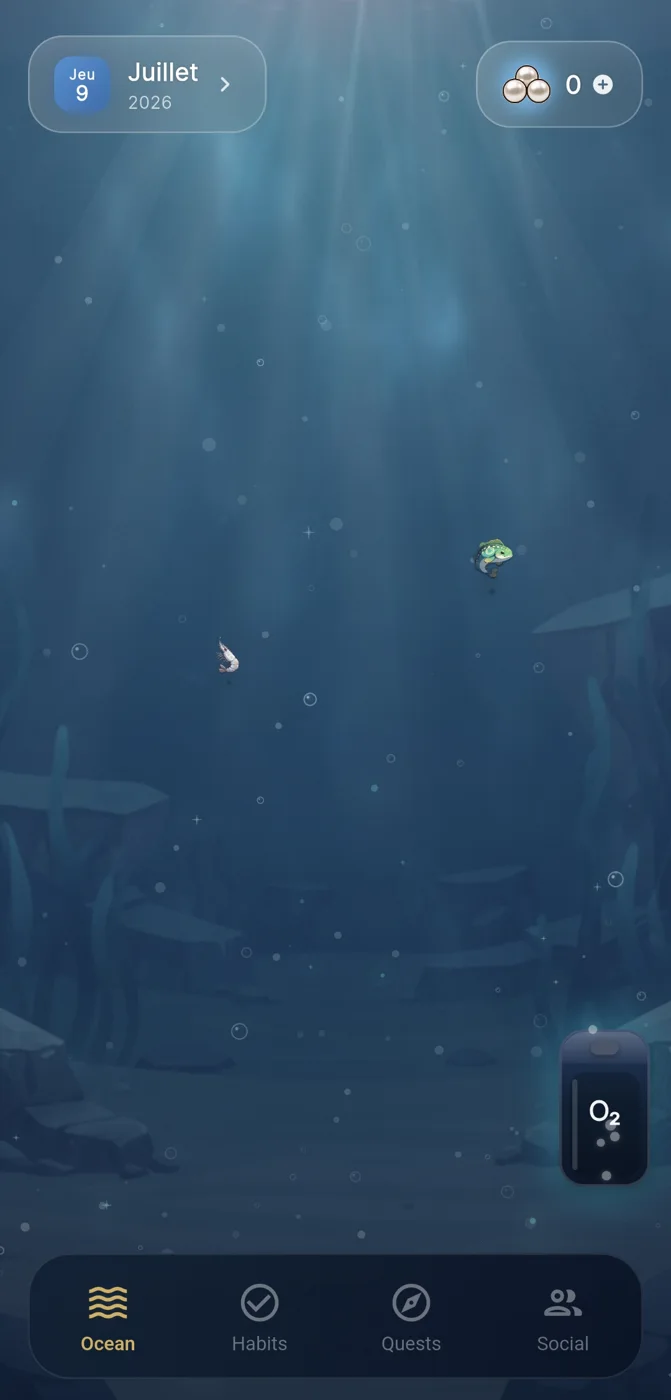
What 'best habit quitting app' actually means for you
When people search for the best habit quitting app, they are usually not looking for a single winner so much as a fit: something that matches how they slip up, how they like to be reminded, and how much social pressure they can tolerate before it becomes stressful rather than motivating. Quitting a habit and building a replacement habit are closely linked, since most people who want to stop something also want a small repeatable action to do instead.
Because the phrase mixes 'quitting' with 'app', it is worth separating the parts. An app cannot make a decision for someone or remove a craving; what it can do is make the pattern of attempts and lapses visible, and reduce the friction of logging an action in the moment. That is a modest but real function, and it is the frame this article uses throughout.
The core mechanics worth comparing across apps
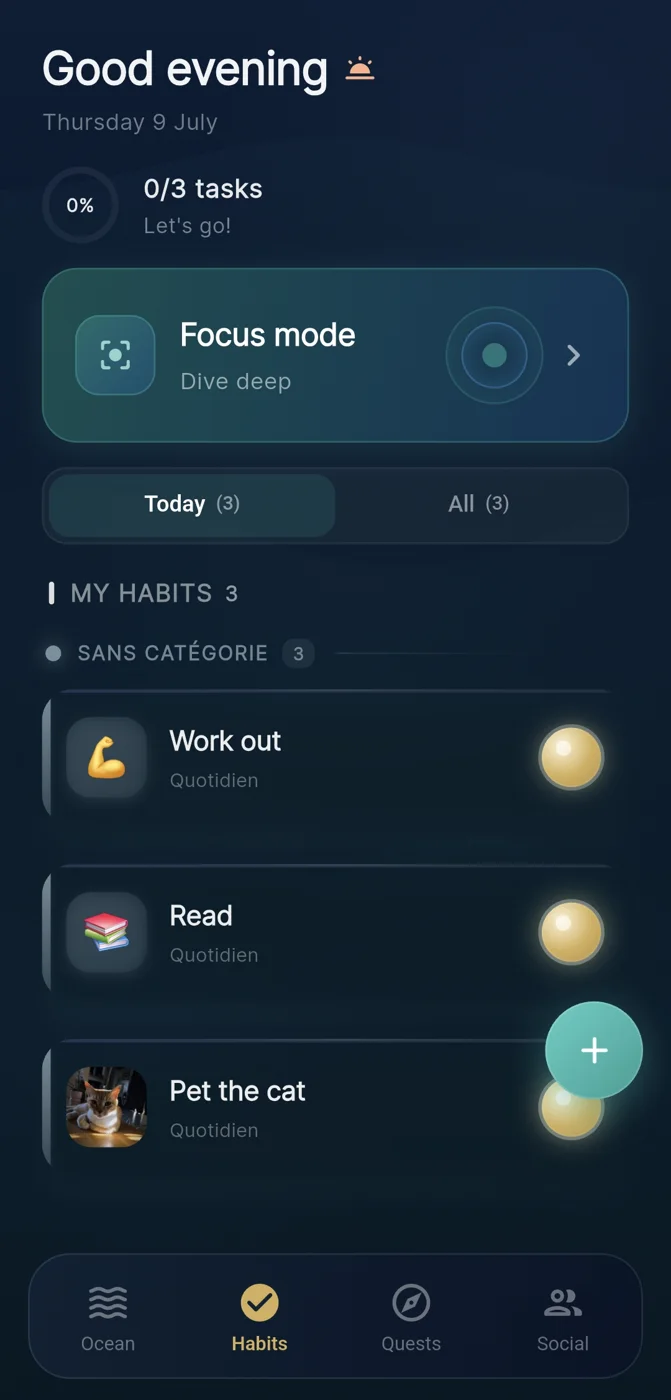
Whichever app someone chooses, a small set of mechanics tends to matter more than the visual theme. First is how the app treats a completed action: does it record it simply, or does it turn it into something visible, like a streak, a badge, or a growing scene. Reef, for example, is built around completing a habit releasing a pearl that contributes to a visual living ocean, which is one way of making cumulative effort visible without necessarily overstating what any single completion means.
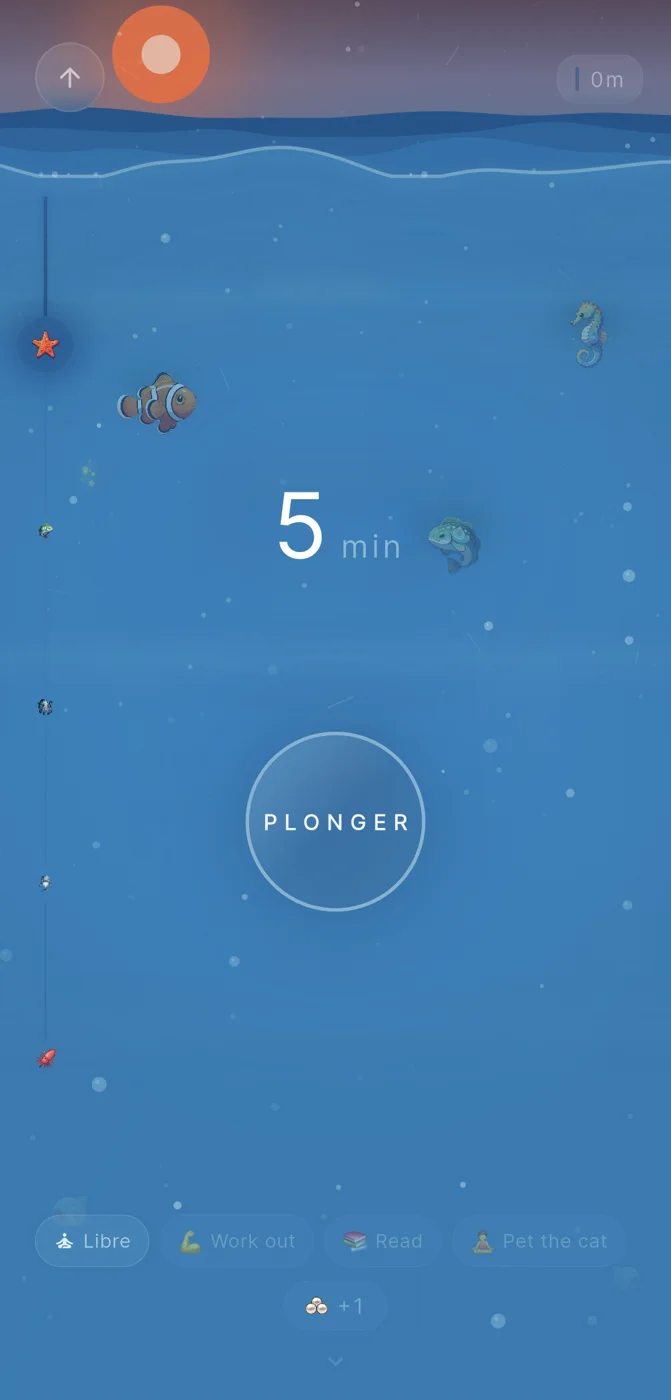
Second is how the app handles focus time, since quitting a habit often means replacing idle moments with a deliberate block of attention. Reef uses a dive metaphor for focus sessions and rewards completed focus time with pearls, tying the focus mechanic to the same visual system as habit completions. Third is how the app treats missed days. An app that punishes a lapse by resetting all visible progress can discourage the exact recovery it should be supporting; gentler recovery framing after a missed day tends to matter more than any single design flourish.
Finally, there is the question of social accountability. Some people find a shared crew or group genuinely useful for staying consistent; others find it adds pressure that undermines the habit itself. Reef treats social crews as optional rather than required, which allows a person to test whether social visibility helps them before committing to it.
A worked example: choosing between three approaches
Consider a hypothetical reader, call them Sam, who wants to quit late-night phone scrolling and replace it with a short reading habit. Sam is deciding between three approaches: a plain checklist app with no visual reward, a habit app with streaks that reset to zero on any missed day, and Reef's pearl-and-ocean model paired with optional crews.
In this example, the plain checklist app is simple and low-pressure but gives Sam little sense of accumulated progress, which can matter on the days motivation is low. The strict streak-reset app might work well for Sam for a few weeks, but if Sam is prone to occasional missed days, a hard reset can feel like punishment and increase the odds of giving up altogether. The pearl-and-ocean approach is designed so that a missed day does not erase the visible history of past pearls, and Sam could choose to leave the social crew feature off entirely for the first month to see whether the habit and focus mechanics alone are enough.
This is only an illustrative scenario, not a report of an actual person's results, and no outcome is guaranteed by using any of these mechanics. The point of the example is to show how to weigh a specific mechanic (streak reset versus cumulative visual history) against a specific personal pattern (occasional lapses) rather than picking an app on reputation alone.
A short decision checklist
Before settling on the best habit quitting app for a specific situation, it can help to work through a small checklist rather than relying on impressions from marketing pages or app store rankings, which change over time and are not evidence of fit for any one person.
- Does the app show cumulative progress in a way that survives a missed day, or does it reset to zero?
- Is there a mechanic for focused attention time, not just for logging discrete habit completions?
- Is social accountability optional, and can it be turned off without losing the rest of the app's value?
- Does the app or its marketing make any claim of guaranteed behaviour change, and does that claim feel realistic?
- Is the reminder and logging flow quick enough to survive a busy or low-motivation day?
What Reef does and does not promise
Reef's editorial position is to document how its habit, focus and social mechanics make repeated actions visible, rather than to claim it will change any individual's behaviour. It is a mobile app available for iOS and Android, built around three linked ideas: habit completions that add pearls to a living ocean, dive-style focus sessions that reward completed focus time in the same way, and optional social crews for people who want shared accountability.
None of this amounts to a guarantee, and Reef does not claim to guarantee a behaviour or health outcome for any user. People considering it for something as personal as quitting a habit should treat it as a structure for visibility and light accountability, not as a substitute for addressing the underlying reasons a habit is hard to change. For habits tied to health, dependency or wellbeing, a conversation with a qualified professional is a separate and often more important step than choosing an app.
Reef's own methodology and design reasoning are described in more detail in its published materials, including how it approaches gamified habit tracking generally, which is useful background for anyone comparing it against other approaches rather than taking any single feature at face value.
Practical next steps for evaluating any app
Rather than searching for a definitive best habit quitting app, it is more useful to trial one or two candidates against the specific pattern of the habit being addressed, for a short and defined period, such as two to three weeks. During that window, the checklist above can be applied directly: does the app's recovery behaviour after a missed day match how the person actually responds to lapses, and does the focus or logging mechanic fit into moments that already exist in their day rather than requiring a new routine to be built from scratch just to use the app.
At the end of that trial period, the decision to continue, switch, or drop app-based tracking altogether is a personal one, and no app, including Reef, can make that call for someone. What can be evaluated fairly is whether the visible record the app produced was useful feedback, and whether the optional social layer, if used, felt supportive rather than pressuring.
Frequently asked questions
Is there a single best habit quitting app for everyone?
No single app fits everyone, since the useful mechanics (visual progress, focus tracking, optional social accountability) suit different people differently depending on how they respond to lapses and social pressure. It is more reliable to trial an app against a specific habit pattern for a few weeks than to rely on a general ranking.
Can a habit-tracking app guarantee that someone will quit a habit?
No. Habit-tracking apps, including Reef, can make repeated actions and lapses visible and can support small consistent behaviour, but none of them can guarantee a behaviour or health outcome, and claims that suggest otherwise should be treated with caution.
What should someone check before choosing between habit apps?
Check whether the app resets visible progress after a missed day or preserves a cumulative history, whether it supports focused attention time as well as simple logging, and whether any social or group features are optional rather than required to get value from the app.
Sources and further reading
These resources provide the wider reference frame. Product statements on this page are limited to the public information provided by Reef.