 Reef
Reef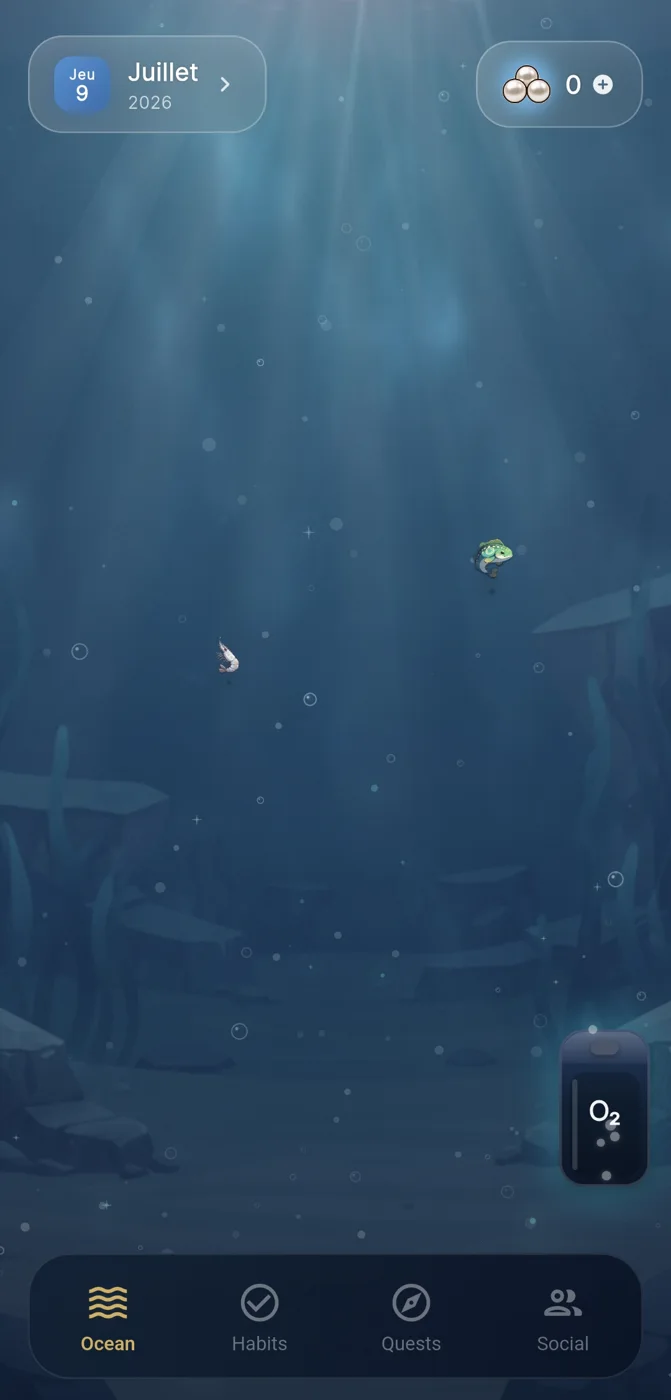
What the best accountability app needs to do for you
People searching for the best accountability app are usually comparing options before committing to one. They want to know which tool will help them follow through. No app is best for everyone. Accountability means making a commitment visible enough that skipping it gets noticed, by you or by someone you trust. The right app is the one whose way of making things visible matches how you respond to being noticed.
It helps to separate three layers before you compare anything. Self-accountability is a simple record you can look back on. Structural accountability means reminders, streaks and progress displays that nudge you without another person involved. Social accountability means someone else can see whether you showed up. Many people assume they need the third layer when the first two would do, and some find that an audience adds stress rather than motivation.
Start with habits small enough to repeat
An accountability app amplifies whatever you put into it. If the commitment is an hour of exercise on top of a full workday, the app mostly records how often that plan failed. That record can feel more like an accusation than support. Before you judge any tool, shrink the habit until you could complete it on a bad day: ten minutes of reading, one glass of water before coffee, a single focused work block.
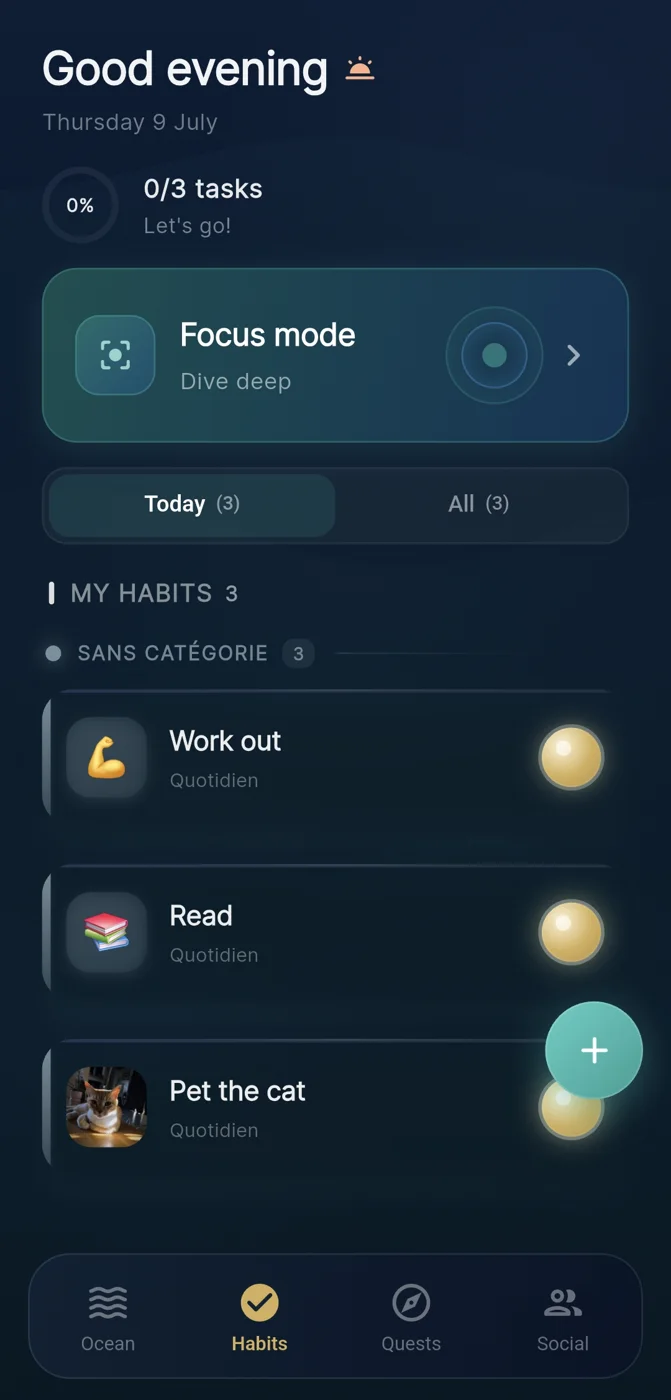
Look for apps that make a completed action feel finished and distinct, not buried in a long list. A clear completion moment gives you something to repeat, and repetition is what accountability is meant to protect.
- Can you define a habit in one short line?
- Is marking it done a single, obvious action?
- Can you start with one or two habits instead of a full routine?
Visible progress without turning it into pressure
Seeing progress pile up is one of the main reasons tracking works for many people. A bare number, though, can turn into a cliff edge: the longer the streak, the more one missed day seems to cost. When you compare apps, ask whether progress builds up into something you keep, or whether it lives only as a counter that can drop to zero.
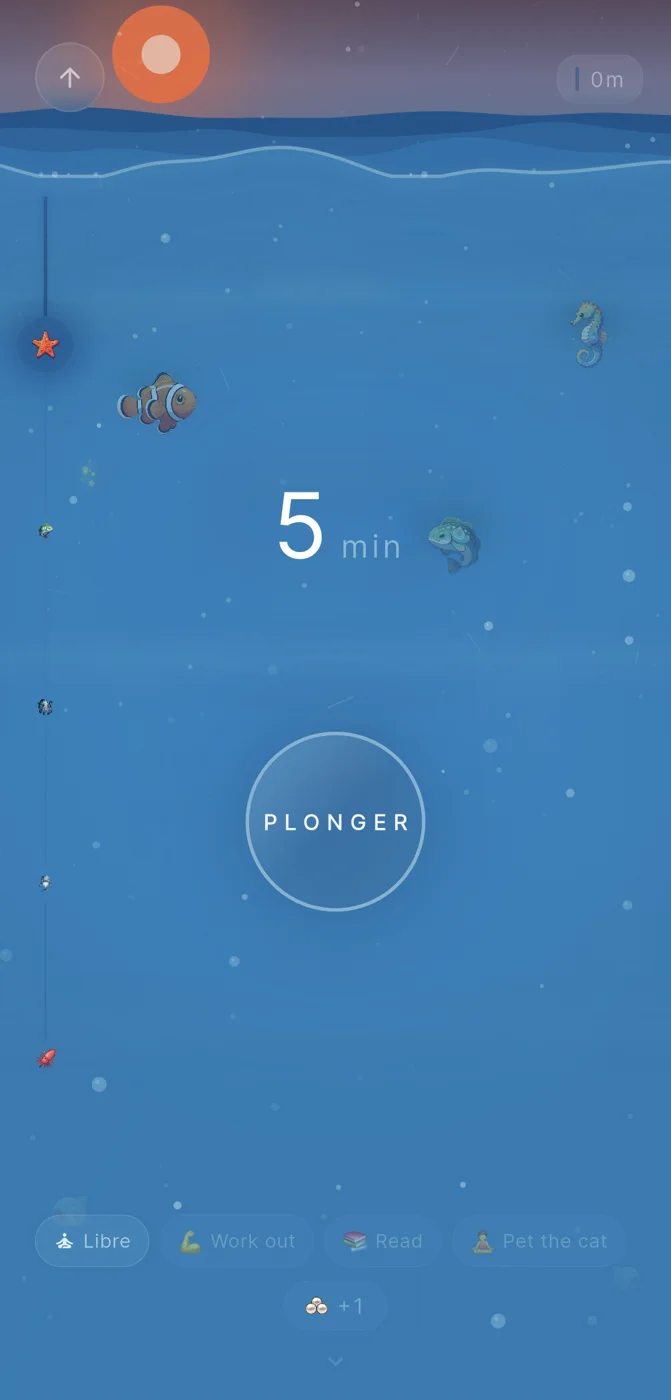
Reef, a mobile habit tracker from IVRYN for iOS and Android, is one example of the build-up approach. Each finished habit adds a pearl to a growing ocean scene, and longer focus sessions take a dive into deeper water, so effort shows up as something you can see rather than a score to defend. The design suits people who respond well to gentle visuals. Someone who prefers raw data may find a plainer tracker easier to read.
How the app treats a missed day matters most
Missed days are part of any long-running habit. The most revealing test of an accountability app is what happens the day after you skip. Some tools reset everything and send a warning, some use guilt-heavy wording, and some let you pick up where you left off. If the app makes a lapse feel like the end of the project, you may stop opening it, and then it holds no one accountable.
When you evaluate options, look for a way to protect a streak on a planned off day and for neutral language after a miss. In Reef, a small shrimp companion reacts to kept and missed days alike without blame, and a streak freeze can cover a rest day. Even so, no app can promise that you will change a behaviour or see a particular result. Gentle recovery makes returning easier, but you still have to come back.
Optional social accountability: decide who sees what
Sharing progress with a friend, partner or small group can help, especially for people who keep promises to others more easily than to themselves. The same feature can backfire if it feels like surveillance or competition. A good accountability app treats social features as optional. You should be able to choose who is involved, see exactly what they can view, and leave a group without losing your own history.
Privacy belongs in the same decision. Check whether the app shows ads, how it says it handles your data, and whether private reflections stay private. Reef, for instance, states that it is free to start, carries no ads and does not resell data. For any app you consider, read the current privacy terms yourself, because policies and pricing can change after you install.
Example: a decision checklist for choosing an accountability app
Example (hypothetical): Sam wants to read ten minutes each evening and protect one 25-minute focus block each morning. A friend has offered to check in weekly. Sam tends to quit trackers after the first broken streak. For Sam, recovery after missed days and optional sharing matter more than detailed analytics, so those two questions decide the shortlist.
Sam would set up only the two habits and keep sharing off for the first week. The friend would join only once the routine felt stable. If an app punished the first missed evening, Sam would know within days that it was the wrong fit. That is cheaper than discovering it after a month. Use the checklist below with your own habits in place of Sam's.
- Which layer do I need: a private record, structural nudges, or another person watching?
- Is my habit small enough to complete on a bad day?
- Does progress build into something I keep, or can it reset to zero?
- What exactly happens the day after I miss?
- Can I add or remove people at any time, and control what they see?
- Do the current privacy terms match what I'm comfortable sharing?
- Does the app support focused time as well as checkbox habits, if I need both?
Frequently asked questions
What makes an accountability app the best choice for a particular person?
The best accountability app is the one whose approach matches how you respond to being noticed. Some people need only a private record, some benefit from reminders and visible progress, and others need a friend who can see their check-ins. Before you choose, check how the app handles missed days, whether social features are optional, and whether its privacy terms suit you.
Should an accountability app include social features?
Social features help people who keep commitments to others more easily than to themselves, but they should be optional. Look for an app that lets you choose who joins, control what they can see, and leave a group without losing your own progress. Many people do better starting privately and inviting someone once a routine feels stable.
Can an accountability app guarantee that I will change a habit?
No. An accountability app can make repeated actions visible, make it easier to return after a missed day, and let others support you if you choose. It cannot guarantee a change in behaviour or any health outcome. Small, repeatable habits and realistic expectations matter more than any single feature. For health-related goals, a qualified professional is the right person to advise you.
Sources and further reading
These resources provide the wider reference frame. Product statements on this page are limited to the public information provided by Reef.