 Reef
Reef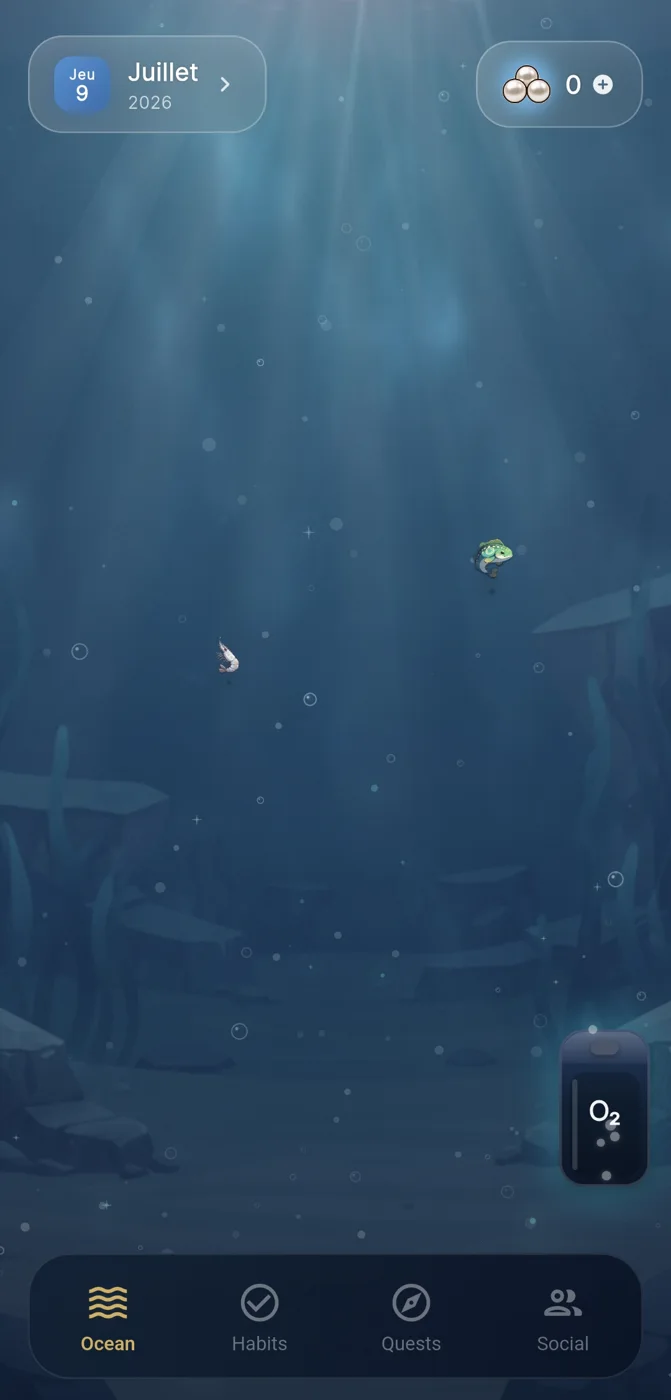
What cheap trackers software for habit building actually needs to do
If you are searching for cheap trackers software for habit building, the price tag is only part of the decision. A habit tracker does a narrow job. It helps you notice a small action, record that you did it, and see the record grow over time. Any software that does those three things reliably can support a habit. Software that does far more may not support it any better.
That narrow job is good news for anyone on a budget. You may not need a premium plan to log a daily walk or ten minutes of reading. What you need is low friction, a clear view of progress, and a way back after a missed day that does not make you want to delete the app. Before comparing options, write down the one or two habits you actually want to repeat. That list is your real requirement, not a feature grid.
The hidden costs behind a low or zero price
A tracker can cost nothing at checkout and still cost you something. The trade-offs to look for are advertising, data use and attention. Ads interrupt the brief moment of logging, which is exactly when a habit app should be fastest. A free product may be funded in ways that involve user data, and habit logs can reveal sleep, health or mood patterns you may prefer to keep private.
The third cost is attention. Constant notifications, guilt-heavy messages or pressure to upgrade can make a cheap app feel expensive in mental energy. Read the privacy policy and the pricing page before you start. Look for a plain statement about ads and data resale, and check which features sit behind a paywall. Pricing and plan contents can change, so check them on the day you decide rather than relying on an older review.
- Is there advertising inside the logging flow?
- Does the provider state whether it sells or shares personal data?
- Which features are free today, and which require payment?
- Can you export or delete your history if you leave?
Features worth having even on a tight budget
Four principles matter more than any specific feature. First, the tracker should make small, repeatable habits easy to define, so you can start with something you will realistically do on a tired day. Second, progress should be visible at a glance. Seeing a growing record may make the next repetition feel more worthwhile for some people, though that is a possible benefit rather than an established effect.
Third, look for gentle recovery after a missed day. From a design point of view, a streak that resets to zero with a harsh message can make returning feel harder, which is why Reef's methodology favours a clear path back. Tools that offer some form of streak protection, or that respond to a missed day neutrally, are built around that concern. Fourth, social accountability should be optional. Sharing progress suits some people and stresses others. A good low-cost tracker lets you decide.
Features you can probably skip at the start include detailed analytics, dozens of habit templates and complex scheduling. These can be useful later, but they are unlikely to be what decides whether you keep logging in the first few weeks.
Example: a two-week trial checklist
Example (hypothetical): someone wants to build two habits, a short evening stretch and twenty minutes of focused study. They have narrowed their options to two free or low-cost trackers. Instead of comparing feature lists, they use each app for one week with the same two habits and note how it felt.
At the end of the trial, they answer the questions below for each app. The app with more honest yes answers wins, regardless of how many extra features the other one offers. If neither scores well, the person keeps a paper log for a while instead of paying for an upgrade they are unsure about.
- Could I log a habit in under ten seconds?
- Did I see my progress without digging through menus?
- After a missed day, did I feel able to continue rather than discouraged?
- Did I see ads or upgrade prompts at awkward moments?
- Was sharing with others clearly optional?
- Would I still open this app on a busy, low-energy day?
Limits no habit tracker can remove
Even well-designed software cannot guarantee that a behaviour will stick or that a health goal will be reached. A tracker records and reflects effort. It does not supply motivation, change your circumstances or replace professional guidance. If a habit relates to a medical condition, diet, medication or mental health, talk to a qualified professional and treat the app only as a log.
Cheap software has its own limits too. Free tiers may change, companies may alter what is included, and an app you rely on can be discontinued. Keeping habits simple, and knowing how to export your data, reduces the risk of losing your history when a tool changes.
Where Reef fits and how this advice is bounded
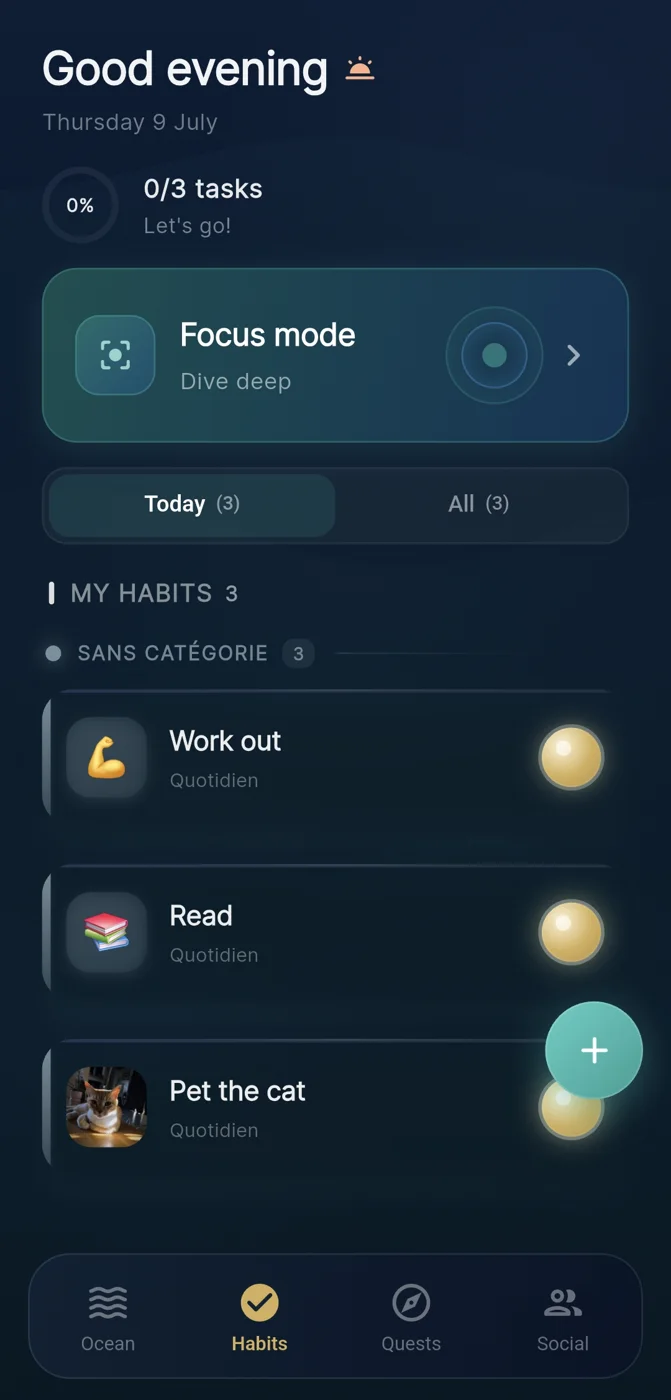
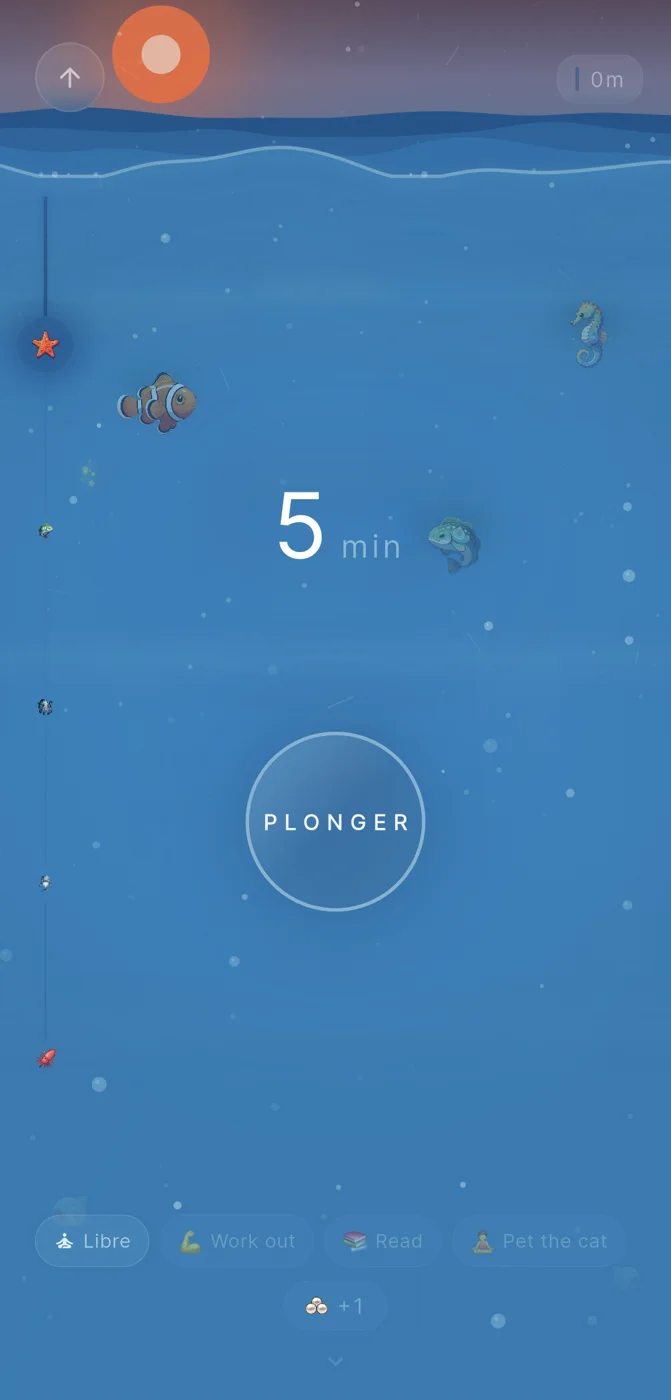
This article comes from Reef, a habit tracker from IVRYN for iOS and Android. It is free to start, carries no advertising and does not resell user data, which matches the hidden-cost checks above. Free to start does not mean every feature is free, so check the current Reef plan details in the App Store or Google Play listing before you rely on a particular feature. Its approach makes progress visible through a growing ocean, uses a dive metaphor for focus time, responds to missed days through a guilt-free shrimp companion called Gambi, and keeps crews optional.
These details describe Reef's own design. They are not the result of testing other products, and Reef has not published a study showing outcomes. The guidance here draws on Reef's public methodology and its guide to gamified habit trackers. Use the checklist on any tool you consider, including Reef, and choose the one you will actually keep opening.
Frequently asked questions
Can a free habit tracker work as well as a paid one?
It can. For someone starting a habit, the features that matter most are quick logging, visible progress and an easy way to continue after a missed day. Whether these are included in a free tier differs from app to app, and plan contents change over time, so check the current free and paid features on the store listing or pricing page before deciding.
What hidden costs should I check in a cheap habit tracking app?
Check for in-app advertising, how the provider handles personal data, which features require payment, and whether you can export or delete your history. Habit logs can reveal private routines, so a clear statement that data is not sold is worth looking for before you start.
Will using a habit tracker guarantee that my habit sticks?
No. A habit tracker records your actions and makes progress visible, which may help you keep going, but it cannot guarantee any behaviour or health outcome. It is sensible to start with very small habits, expect some missed days, and seek professional advice for health-related goals, using the app as a record rather than a promise of results.
Sources and further reading
These resources provide the wider reference frame. Product statements on this page are limited to the public information provided by Reef.