 Reef
Reef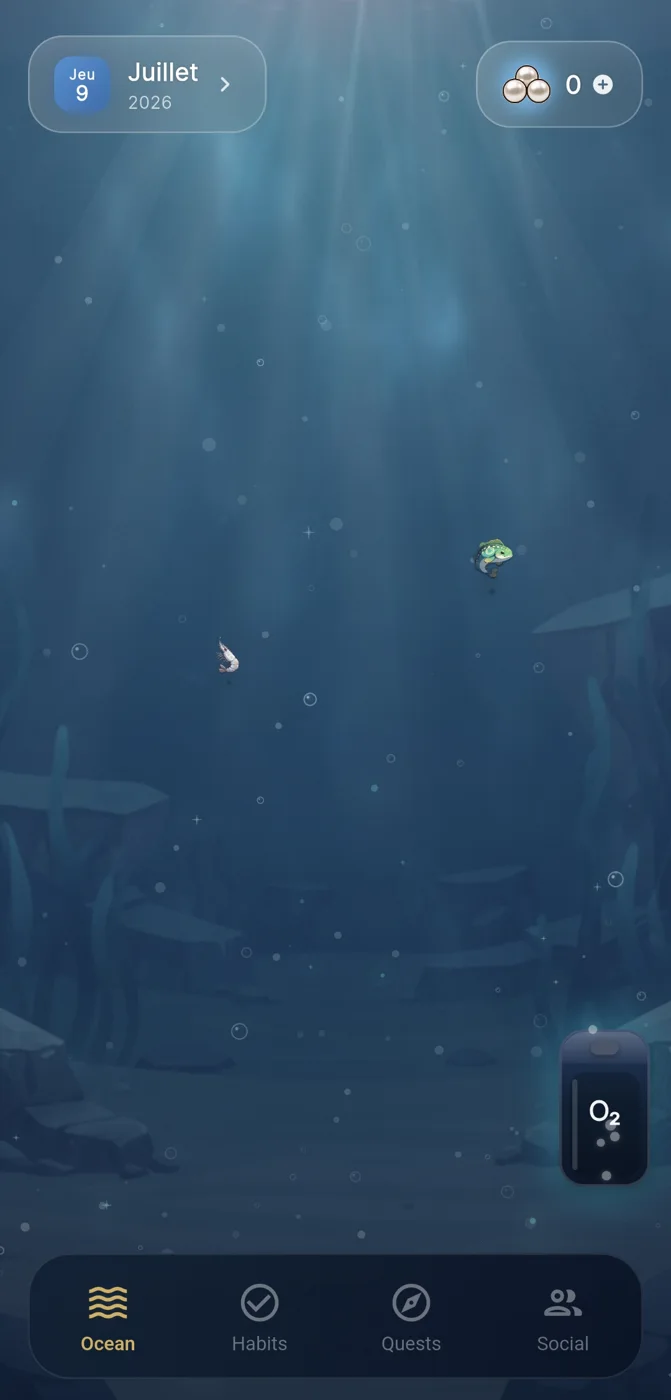
Why the habit tracker app ui matters more than the feature list
When people search for a habit tracker app ui, they usually aren't asking about a specific button or menu. They're asking a quieter question: will this screen make it easier to keep showing up, or will it become one more thing that adds friction to my day? The interface is where a habit tracking idea either becomes a two-second daily action or a chore that gets abandoned within a week.
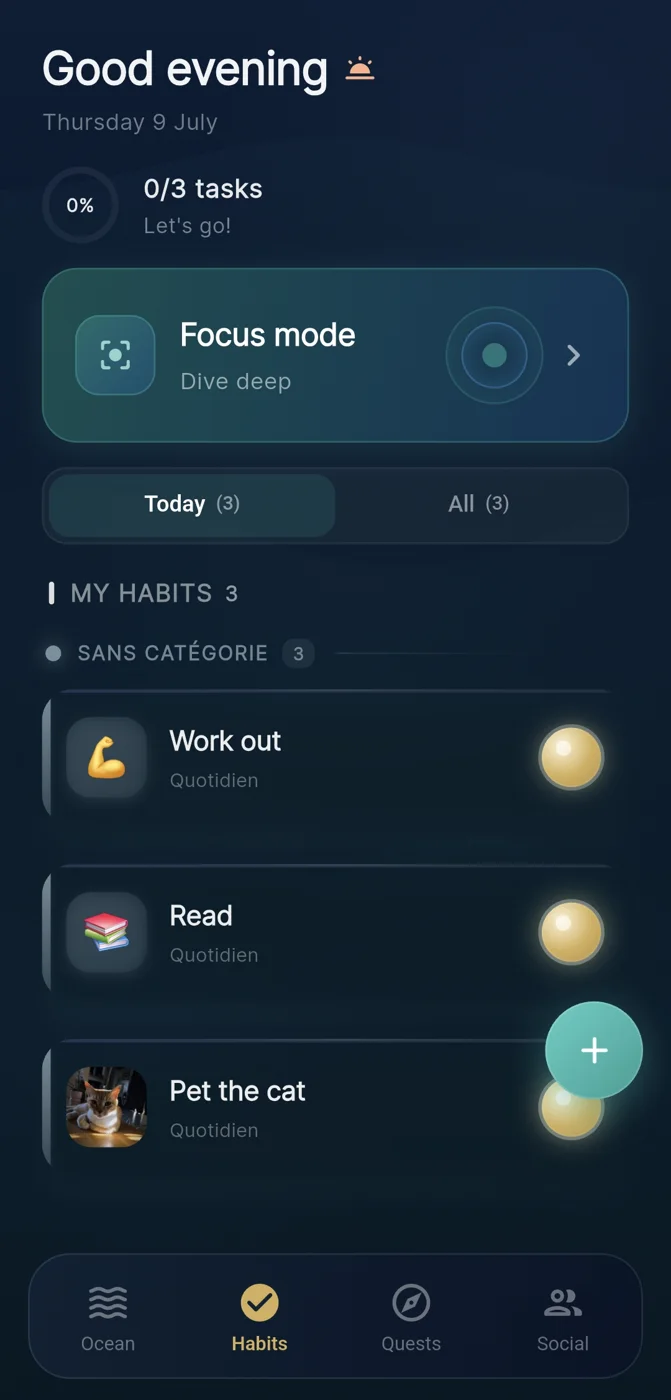
A well-designed interface reduces the number of decisions a person has to make before logging a habit. That means clear tap targets, obvious status (done, missed, in progress), and a way to see progress without scrolling through menus. Poor interfaces bury this information behind settings screens, streak calculators, or busy dashboards that require interpretation rather than a glance.
The core elements a good habit tracker app ui should get right
Across habit-tracking tools generally, a handful of interface elements tend to separate genuinely usable apps from ones people delete after a few days. None of these require exotic design, just consistent attention to how people actually behave when they're tired, busy, or have missed a day.
Visual progress is one of the most consistently useful patterns. Seeing a habit accumulate into something visible, a filled bar, a growing collection, or in Reef's case pearls that build into a living ocean scene as habits are completed, gives people a low-effort way to register progress without doing math in their head. This matters because habit formation research generally emphasizes immediate, visible feedback over delayed or abstract rewards.
- One-tap logging for the primary habit action, with no required extra steps
- Clear visual distinction between completed, missed, and pending habits
- A recovery path after a missed day that doesn't reset all visible progress to zero
- Focus or session tools that are separate from, but connected to, daily habit logging
- Optional social or accountability features that stay optional in practice, not just in marketing
Gentle recovery after missed days: a design detail worth checking
One of the most telling details in a habit tracker app ui is what happens the day after someone misses. Some apps aggressively reset streak counts to zero, which can create a psychological cliff-edge effect: once the streak is broken, some people feel there's no point continuing that week. Interfaces that instead show cumulative progress, partial credit, or a softer visual cue for a missed day tend to support people getting back on track faster.
This is a genuinely useful thing to look for when evaluating any habit app, not just Reef. If a product's interface treats a single missed day the same as quitting entirely, it's worth asking whether the design was built around long-term consistency or around short-term engagement metrics like streak length.
How focus and social elements fit into the interface
A habit tracker's interface often has to do more than log daily checkboxes. Many people also want a way to protect blocks of focused time, and a way to optionally involve other people for accountability. Both of these introduce interface decisions that affect usability.
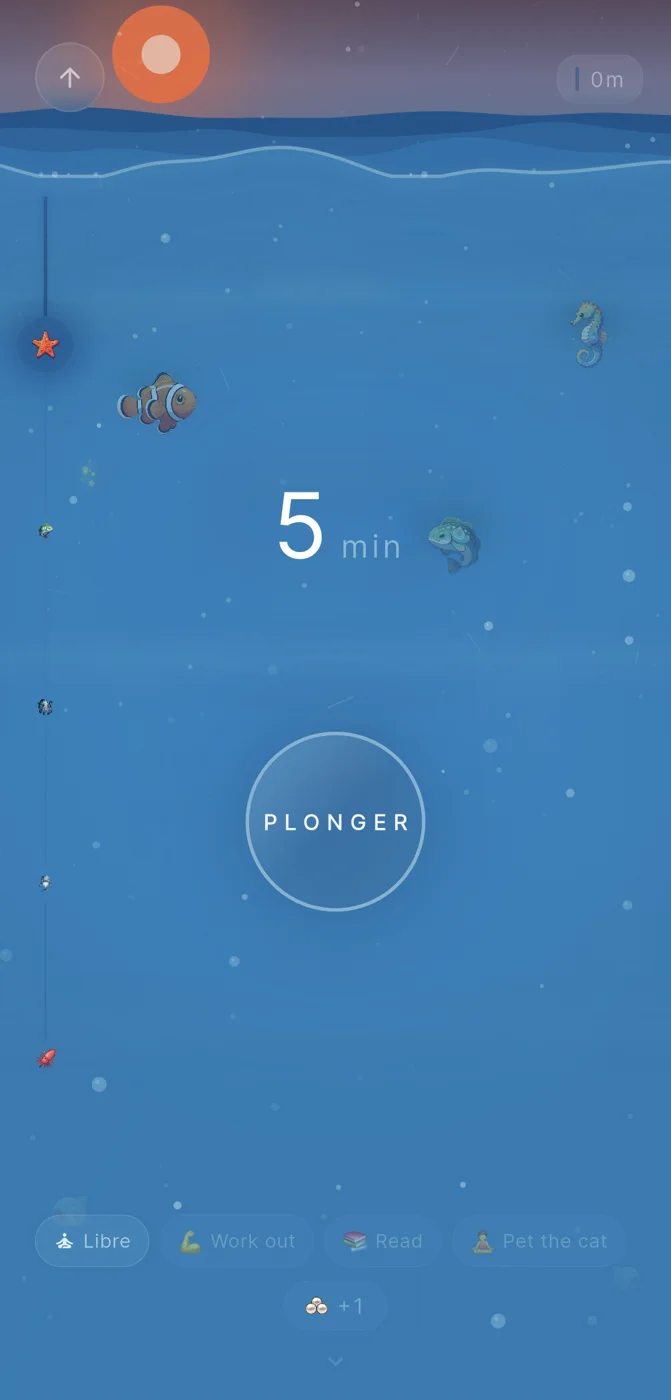
For focus time, the clearest interfaces present a single, low-friction way to start and stop a session, with the reward or feedback tied directly to that session rather than buried elsewhere. Reef frames this as a dive: starting a focus session is framed like descending, and completing focus time earns pearls in the same visual system used for habits, so the reward logic stays consistent across the app rather than feeling like two disconnected features.
Social accountability, when present, works best as an optional layer rather than a default. An interface that lets someone form or join a small group only if they choose to respects the fact that many people want to track habits privately, at least at first. It's worth noting that optional social features do not, by themselves, guarantee better follow-through, and no interface design can promise a specific behaviour or health outcome; how any individual responds to visibility, sharing or accountability varies.
A worked example: comparing two habit tracker screens
Here is a hypothetical, illustrative comparison to make these principles concrete. Imagine two habit tracker home screens, App A and App B, neither of which is a real product.
App A shows a long vertical list of habits with small checkboxes, a numeric streak counter in bold red for each one, and a settings icon needed to see any weekly summary. When a habit is missed, the streak number resets to 0 and turns grey. App B shows a small number of habits as visual elements (in the style of building shapes or a growing scene) that fill in gradually as habits are completed across the week, with a missed day shown as a paused or dimmed element rather than a reset.
In this hypothetical, App B's interface is more likely to support the reader's actual goal of gentle recovery after missed days, because the visual language doesn't punish a single lapse. App A's interface, by contrast, may unintentionally reward perfectionism over consistency, since the emotional cost of breaking a long streak can outweigh the benefit of restarting. This example is illustrative only and not a claim about any specific existing app's real performance.
A short checklist before choosing a habit tracker app ui
Rather than judging an interface on first impression alone, it helps to check it against a short list of practical questions grounded in the principles above.
This checklist is meant as a starting point for evaluation, not a guarantee that any single app, including Reef, will produce a particular outcome for a given person. Habit formation depends heavily on individual context, and an interface is only one factor among many.
- Can I log my main habit in one tap from the main screen?
- Does a missed day show clearly without erasing all visible progress?
- Is there a visual way to see progress over days or weeks, not just a number?
- Are focus or session tools connected to the same reward system as habits, or do they feel separate?
- If social features exist, can I use the app fully without joining or sharing anything?
Where Reef fits into this picture
Reef is a mobile habit tracker from IVRYN, available on iOS and Android, built around the idea that repeated small actions should be visible rather than abstract. Completing a habit adds a pearl to a living ocean scene that grows over time, and focus sessions use a dive metaphor so that protected work time earns pearls the same way habit completions do. Social crews exist for people who want optional accountability, but they aren't required to use the app.
These are interface and mechanic choices, not promises about outcomes. Reef does not claim to guarantee any particular behaviour change or health result, and how well any visual or gamified system supports a person's habits depends on that person's own routines, motivations and context.
Frequently asked questions
What is the single most important element of a habit tracker app ui?
Most people benefit most from a low-friction logging action combined with a clear, non-punitive way to see missed days, since these two elements most directly affect whether someone keeps using the app after an inevitable lapse.
Should a habit tracker app ui reset progress after a missed day?
A hard reset to zero can discourage some people from continuing after a single missed day; interfaces that show partial or cumulative progress instead tend to make it easier to resume, though individual responses vary and no design guarantees a particular outcome.
Are social or accountability features necessary in a habit tracker app ui?
No, social features are optional for most people and should remain optional in the app itself; they can help some users stay consistent, but they are not required for a habit tracker to be useful, and no app can guarantee they will change someone's behaviour.
Sources and further reading
These resources provide the wider reference frame. Product statements on this page are limited to the public information provided by Reef.