 Reef
Reef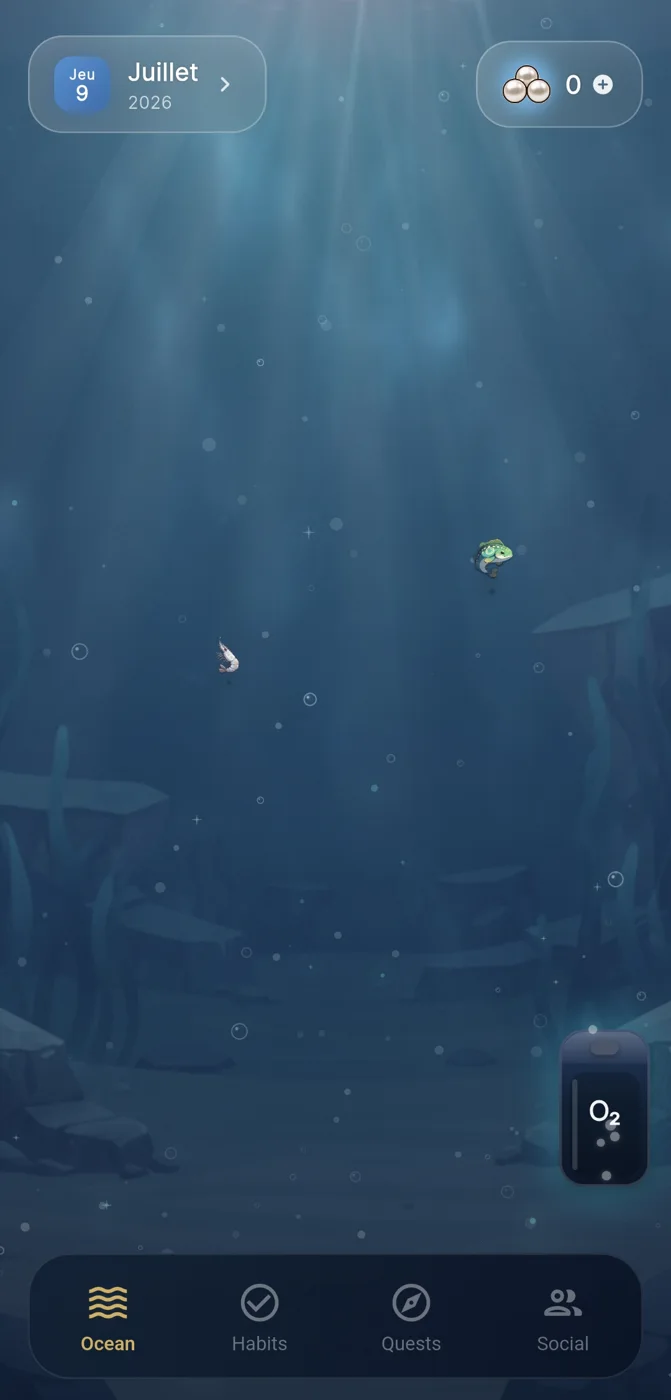
Why 'no subscription' matters more than it seems
When people search for the best habit tracker no subscription, they're usually not just avoiding a monthly fee. They're wary of committing money to a habit they haven't proven they'll keep. That's a reasonable instinct: habit formation is inconsistent, and paying upfront for a tool before you know whether the *habit itself* will stick can add pressure that works against the goal.
The practical question isn't only 'is this free forever' but 'what do I lose if I stop paying, and what do I lose if I never pay at all.' Some apps lock core tracking behind a paywall; others keep tracking free and charge for extras like themes, advanced stats or social features. Knowing which model you're looking at changes what 'no subscription' actually gets you.
What a subscription-free habit tracker should still do well
Stripping out the payment question, a habit tracker still has a job: make repeated small actions visible, make missed days recoverable rather than shameful, and optionally let you share progress with others. Those are the same principles worth checking for regardless of price.
A tracker that charges nothing but buries your streak data behind confusing screens, or punishes a missed day with a jarring reset, isn't actually solving the problem you came for. Cost is one filter; usability around consistency and recovery is another, and it matters more day to day.
- Does it show progress in a way you'll actually want to open daily?
- Does missing a day feel like a soft reset or a punishment?
- Is the free tier enough for your actual habit count, or does it force upgrades quickly?
A worked example: comparing two hypothetical trackers
Example (hypothetical, for illustration only): imagine two apps, 'App A' and 'App B'. App A is free with no subscription, tracks unlimited habits, but shows only a plain checklist with no visual progress. App B is also free with no subscription, but represents your streaks as a small visual scene that grows over time, and includes an optional focus-session timer.
If your reader question is really 'what should I look for,' this hypothetical shows the answer isn't just 'find the free one' - both are free. The difference is whether the free version still gives you something that keeps you motivated on day 12 when the novelty has worn off. A checklist and a visual metaphor cost the developer differently to build, but neither costs you money in this example, so the deciding factor becomes fit with how you personally stay motivated.
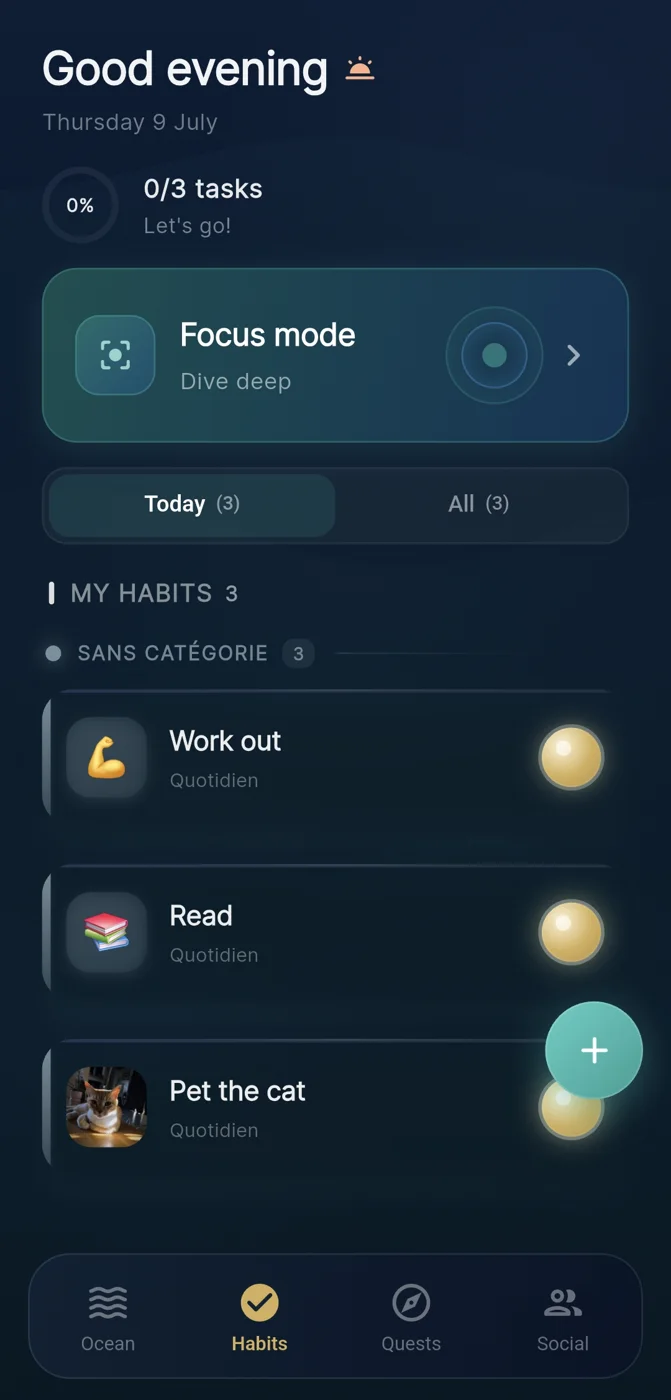
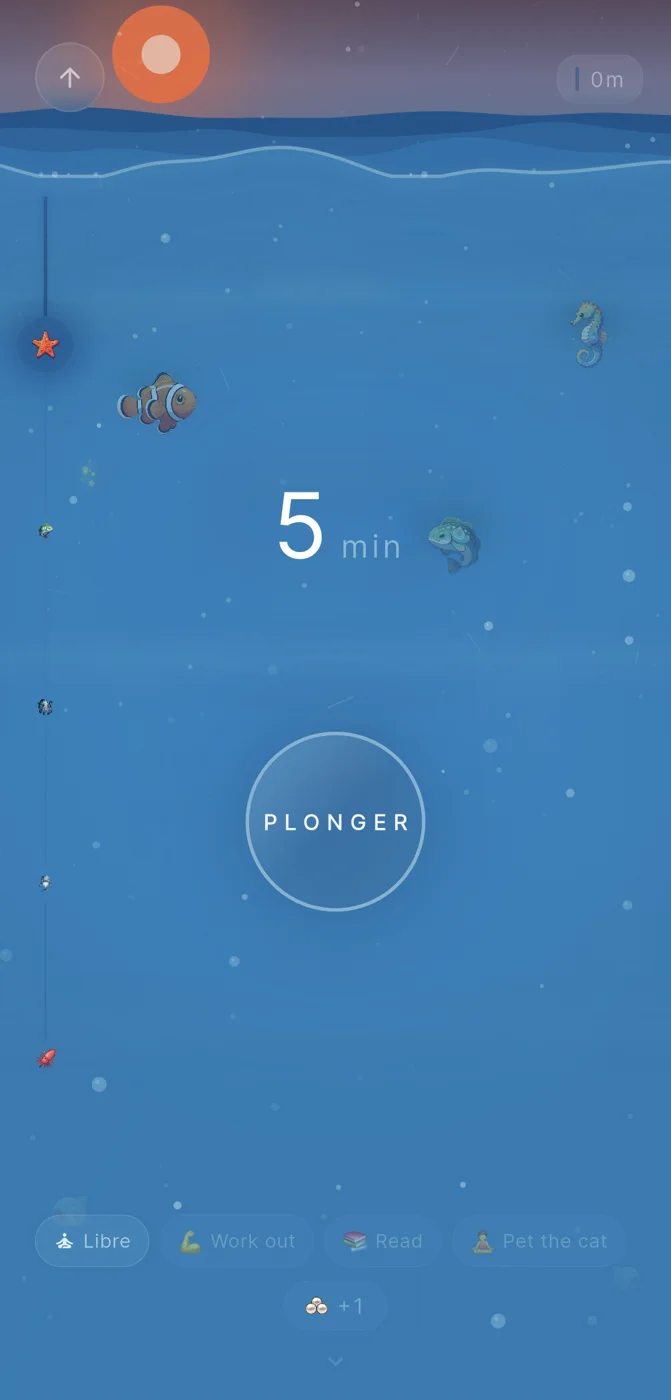
This is where an app like Reef fits into the picture without being the only answer: Reef is a mobile habit tracker for iOS and Android where finishing a habit adds a pearl to an evolving ocean scene, and focus sessions use a diving idea to turn tracked time into more pearls. That's one way of making repetition visible; it won't suit everyone, and it doesn't promise you'll form the habit - it just gives the habit a visible shape.
A short checklist before you commit
Before settling on any tracker, subscription or not, it helps to run through a short, deliberate check rather than picking based on app-store ranking alone. Rankings and reviews shift, and a tool that suited someone else's habits may not suit yours.
- Confirm exactly what's free versus paid today, since tiers and pricing change over time and shouldn't be treated as fixed.
- Check whether the app handles a missed day gently - look for language or design cues about recovery, not just streak counts.
- Decide if you want social accountability at all; it's optional for a reason, and forcing it can backfire for some people.
- Test it for a real week before judging - a single day tells you little about whether the interface still feels good after the novelty fades.
Where visual and gamified mechanics help - and where they don't
The gamified habit tracker guide approach (see reeftogether.com/guides/gamified-habit-tracker-app) frames small, repeatable actions and visible progress as core to what keeps tracking sustainable rather than something you abandon after a week. Reef's own methodology page describes the same underlying design intent: habits shown visually, focus time rewarded, recovery treated as normal rather than a failure state.
None of this guarantees behaviour change for any individual, and it shouldn't be read that way. A visual ocean or a growing garden is a form of feedback, not a mechanism proven to work for everyone. If gamified feedback tends to motivate you, a tracker built around that idea, like Reef, may be worth trying alongside - not instead of - the basic checklist above. If you find gamification distracting or gimmicky, a plainer tracker with strong free-tier limits may serve you better.
Whichever direction you lean, keep the decision reversible: since you're specifically looking for options with no subscription, there's little cost to trying two or three apps for a short period before settling on one.
Putting it together
The best habit tracker no subscription for you is less about finding the single top-ranked free app and more about matching a tool's approach to how you personally respond to repetition, visibility and setbacks. Use the checklist above as your filter, and treat any single hypothetical example, including the one in this article, as illustration rather than a verdict on real products.
If a visual, low-pressure way of watching habits accumulate appeals to you, and you don't mind occasional dive-metaphor focus sessions or optional crews, it's reasonable to try something like Reef as one candidate among several - understanding it documents progress rather than guaranteeing outcomes.
Frequently asked questions
Is a free habit tracker as effective as a paid one?
Effectiveness depends more on whether the app's design matches how you personally respond to tracking than on price. Some free trackers offer strong core functionality; others limit features that matter to you. Compare what's actually included in the free tier rather than assuming price reflects quality.
What should I check before trusting an app's 'no subscription' claim?
Confirm current pricing and feature limits directly in the app or app store listing, since these details change over time and shouldn't be treated as permanent. Look specifically at whether core tracking, not just extras, remains free.
Do gamified features like visual progress actually help build habits?
Visual feedback can make progress more motivating for some people, but it is not a guarantee of behaviour change and works differently from person to person. Treat gamified mechanics as one possible support alongside consistent, small, repeatable actions rather than a substitute for them.
Sources and further reading
These resources provide the wider reference frame. Product statements on this page are limited to the public information provided by Reef.