 Reef
Reef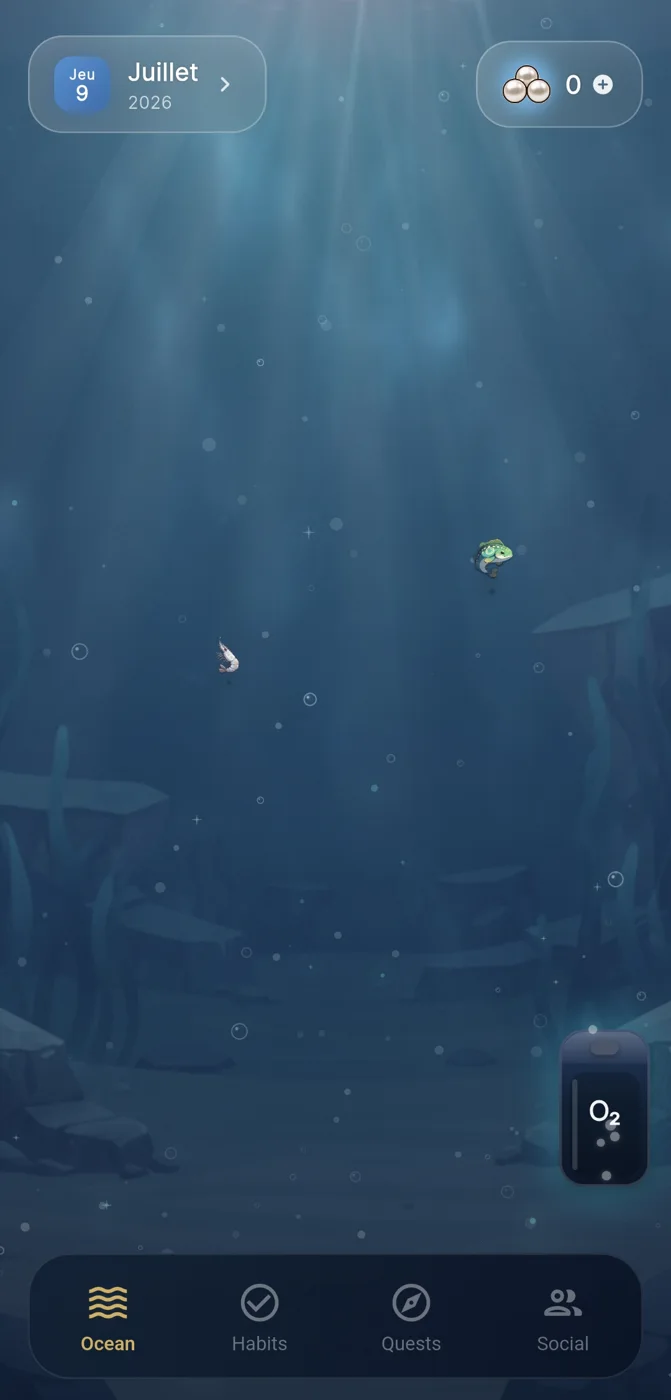
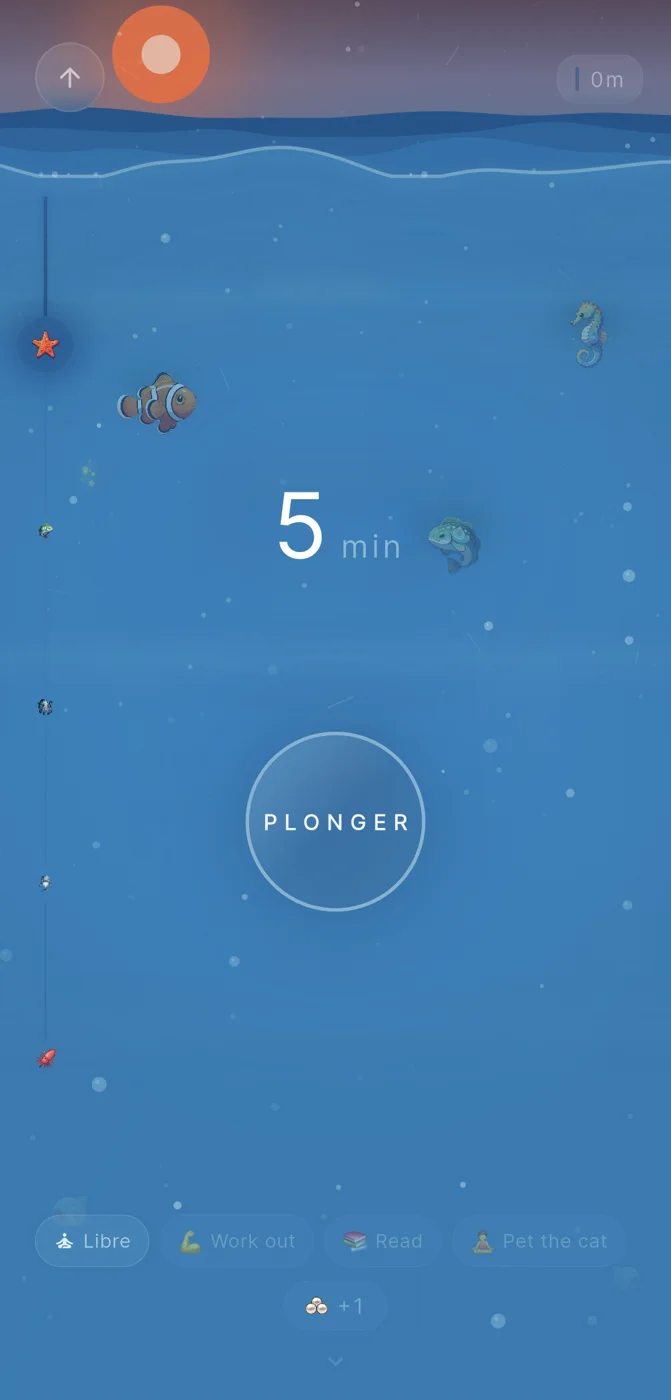
Reef free plan
Start free and grow a living ocean
Download Reef on iPhone or Android and use it without a subscription. Every habit you complete releases a pearl into your own ocean.
- Up to 6 habits, each with its own pearl to release once it is done.
- Focus dives up to 25 minutes. A completed dive earns pearls too.
- Crews with friends are optional.
- Premium is optional and raises these limits. Its price shows in the store before you pay.
Free download. Reef makes completed habits visible. It does not promise that a habit will stick.
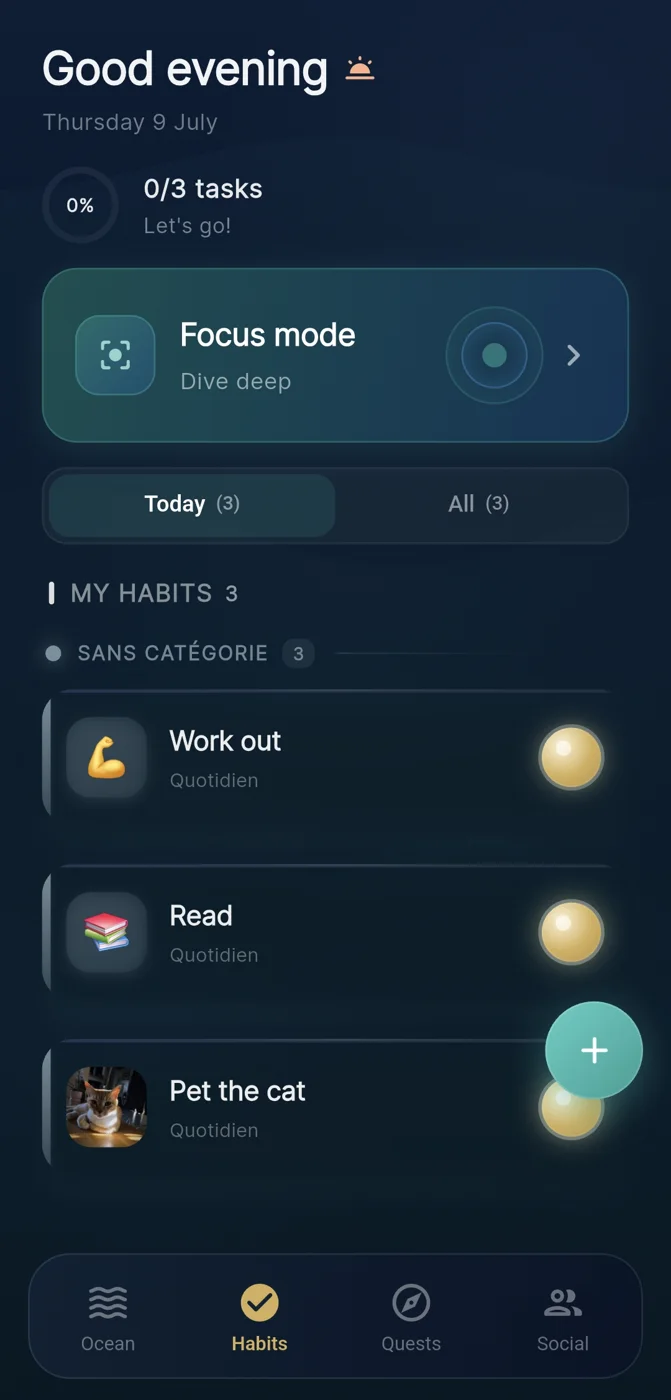
Why people search for a habit tracker for free
Most people looking for a habit tracker for free aren't trying to avoid spending money on principle. They're testing an idea: can a simple log of daily actions actually help them stick with something? That's a reasonable question to ask before committing time or attention to any app, and it deserves an honest answer rather than a sales pitch.
The appeal of 'free' is really an appeal for low commitment. You want to see whether the basic mechanic - marking a habit done, watching a streak or visual grow - changes your behaviour at all before you decide whether extra features are worth anything to you. That's a sound way to evaluate any tool, not just a habit tracker.
What a free tier can and can't do
A free habit tracker typically lets you log a handful of habits, see a streak or calendar view, and get a basic reminder. That's often enough for someone testing whether tracking itself is useful. What free tiers less often include is deeper customisation, multiple concurrent challenges, or social features tied to friends or groups - those are the parts app makers tend to reserve for paid tiers, and which tier includes what changes over time, so it's worth checking current details directly with any app you're considering rather than relying on outdated comparisons.
No tracker, free or paid, can promise that logging a habit will change your behaviour. Tracking makes an action visible; it doesn't substitute for the decision to repeat it. That distinction matters when you're evaluating claims - a good tracker supports the habit, it doesn't create the motivation for you.
- Check what counts as one 'habit slot' in the free tier
- See whether reminders are included or gated
- Confirm if progress history is limited to a recent window
Small repeatable habits matter more than the app
The principle that tends to hold up regardless of which tracker you use is that small, repeatable habits succeed more often than ambitious ones. A habit you can complete in under two minutes on a bad day is far more likely to survive a busy week than one that requires a full hour of focus. This isn't specific to any app - it's a property of how habits form, and it should shape which habit you pick to track first, not just which app you pick to track it in.
Visible progress reinforces this. Seeing a streak, a calendar fill in, or some other visual cue gives you feedback that a habit is accumulating, even on days when you don't feel like it's making a difference. That feedback loop is one of the more genuinely useful things a tracker offers, free or not.
Gentle recovery after missed days
One of the more overlooked things to evaluate in a habit tracker for free is how it handles missed days. Some trackers reset a streak to zero after a single miss, which can feel punishing and discourage people from starting again. Others build in more forgiving mechanics - a grace day, a way to log a partial effort, or simply a design that doesn't frame one missed day as a failure of the whole habit.
This matters because most people miss days. The question isn't whether you'll ever skip a habit, it's whether the tool you use makes it easy to pick back up afterward. A tracker that treats a missed day as data rather than a reset is more aligned with how habits actually form over months, not just in a perfect unbroken streak.
Reef is one example of an app built around this idea: it's an IVRYN habit tracker for iOS and Android where completing a habit adds a pearl to a personal, evolving underwater scene, and the visual is meant to keep building rather than collapsing the moment a day is missed. That's a design choice worth noting when you're comparing how different trackers handle recovery, not a claim that it changes outcomes for everyone.
Where focus sessions and social features fit in
Beyond simple daily check-offs, some habit trackers extend into focus-session tools - timers or modes meant to protect a block of concentrated work, often paired with some kind of reward when the session completes. If your goal includes building focus habits rather than just discrete daily actions, it's worth checking whether a free tier includes this or reserves it for later.
Social accountability is another feature some trackers offer, letting you share progress with a small group. This can help some people stay consistent, but it's optional by design in tools that include it - nobody should feel a tracker is only useful if you invite others in, and no tracker can guarantee that a social feature will improve your consistency. If you're not interested in sharing progress, it's fine to ignore that layer entirely and use the tracker on your own.
A short decision checklist
Here's a worked example of how someone might evaluate a habit tracker for free before choosing one. This is illustrative, not a recommendation of a specific outcome - the point is the process, not the answer.
Example: Priya wants to build a habit of a 10-minute daily walk. She lists what she actually needs - one habit slot, a daily reminder, and a way to see a month at a glance - then checks each candidate app's free tier against that short list rather than its full feature set. She also checks how each app treats a missed day, since she knows from past attempts that she'll skip at least one day a month. Only after narrowing to two apps that meet her basics does she consider whether either app's optional extras, like focus timers or social sharing, appeal to her at all.
- List the 2-3 features you actually need, not the full feature set
- Check missed-day handling before committing
- Decide if social or group features matter to you, or if you'd rather ignore them
- Reassess after two weeks of real use, not the first day
Frequently asked questions
Is a free habit tracker enough, or do I need a paid one?
For many people testing whether tracking helps at all, a free tier with basic logging and reminders is enough to find out. Whether you need more depends on how many habits you're tracking and whether features like focus sessions or social sharing matter to you - those are personal preferences, not requirements for a tracker to be useful.
Will a habit tracker guarantee I stick to my habit?
No app can guarantee behaviour change. A tracker can make your progress visible and give you gentle structure, like reminders and a way to recover after a missed day, but the decision to repeat a habit still comes down to you.
What should I check before choosing a free habit tracker?
Check what's actually included in the free tier versus reserved for paid users, how the app handles a missed day, and whether any social or focus features are optional rather than required. Confirm current tier details directly with the app, since what's free can change over time.
Sources and further reading
These resources provide the wider reference frame. Product statements on this page are limited to the public information provided by Reef.