 Reef
Reef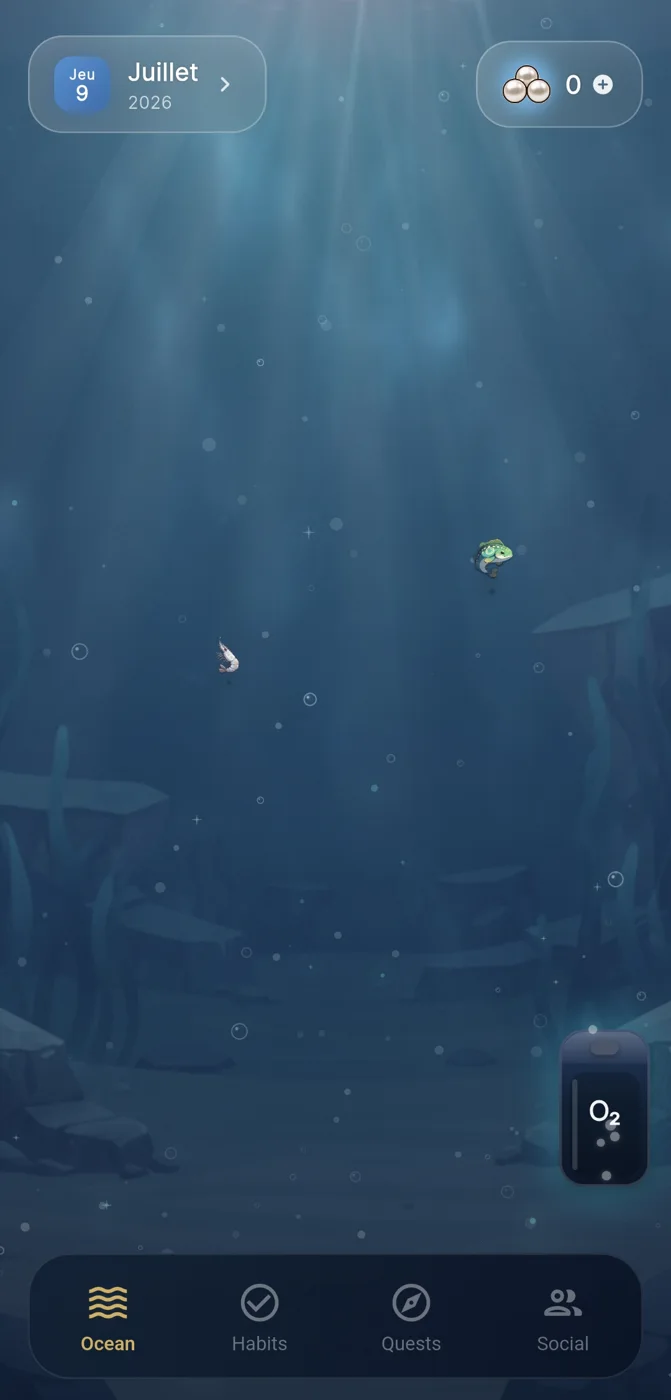

What habit tracker app reviews can and cannot tell you
Habit tracker app reviews can be useful signals when you are deciding whether a tool feels understandable, motivating, and realistic for your daily life. They may reveal recurring comments about setup, reminders, visual design, or whether an app’s approach seems compatible with the routines a reviewer already has.
Their limits matter just as much. A review is usually one person’s account at one point in time, shaped by their goals, device, habits, expectations, and willingness to keep using the app. It cannot establish that an app will work the same way for you, nor can a collection of reviews guarantee a behaviour, wellbeing, or health outcome.
Read reviews as clues for questions to investigate, not as proof that you should adopt a particular routine. The most helpful next step is to compare those clues with the kind of support you actually want: a simple record, a visual prompt to return, protected focus time, or accountability that remains your choice.
- Treat praise as a feature hypothesis to check for yourself.
- Treat complaints as context to investigate, not universal verdicts.
- Avoid turning star ratings into promises of personal change.
How to read habit tracker app reviews with useful skepticism
Start by separating comments about the product from comments about the reviewer’s result. A statement such as “the interface is easy to understand” may help you assess usability. A statement such as “this fixed my routine” is a personal interpretation, not evidence that the same result will follow for another person.
Look for detail rather than intensity. Reviews that explain a starting problem, the specific feature used, and the conditions of use are more actionable than broad declarations that an app is amazing or useless. Even then, the details only help if they resemble your own situation.
Notice what is missing. Reviews rarely describe all the other changes a person made, how long they used an app, what happened after an interruption, or whether they wanted a strict system in the first place. Those omissions are why strong claims about guaranteed transformation deserve caution.
A gentle habit approach is especially worth evaluating through its response to imperfect weeks. If an app appears to encourage all-or-nothing thinking, ask whether that matches your needs. For many people, a system that makes restarting easy may be more practical than one that makes every missed day feel like failure.
- Prefer specific descriptions over vague enthusiasm.
- Check whether the reviewer’s goal resembles yours.
- Ask how the tool handles missed days and restarts.
- Keep personal outcome claims separate from product features.
Habit tracker app reviews: match the review to your decision
The decision is not simply whether an app has positive reviews. It is whether its mechanics support the repeated actions you want to make visible. Begin with one or two small habits that can be completed clearly, such as taking a short walk, preparing tomorrow’s lunch, or writing for ten minutes. Smaller actions make it easier to learn whether the tracker fits your routine before you build a larger system around it.
Visible progress can be useful when it gives a repeat action a tangible place in your day. The relevant question is not whether a visual reward will motivate everyone; it is whether seeing progress helps you notice and return to the action you chose. Reviews that discuss visual feedback may therefore be more relevant to someone seeking encouragement than to someone who wants a plain checklist.
If focus time is part of your goal, examine whether a review describes the actual flow of starting, continuing, and ending a session. A timer alone does not determine whether time will be protected. Consider what makes an interruption likely for you and whether the app’s ritual helps you make a deliberate commitment to a short period of attention.
Social features need the same careful match. Some people appreciate an optional group for encouragement or shared visibility; others prefer private tracking. Reviews can help identify how social mechanics are presented, but they cannot tell you how a particular crew dynamic will feel. Choose a tool that lets accountability remain voluntary.
- Choose a habit small enough to repeat under ordinary conditions.
- Decide whether you value visual progress, focus structure, optional social support, or a combination.
- Test the restart experience before relying on a long streak.
Reef’s context and the boundaries of this advice
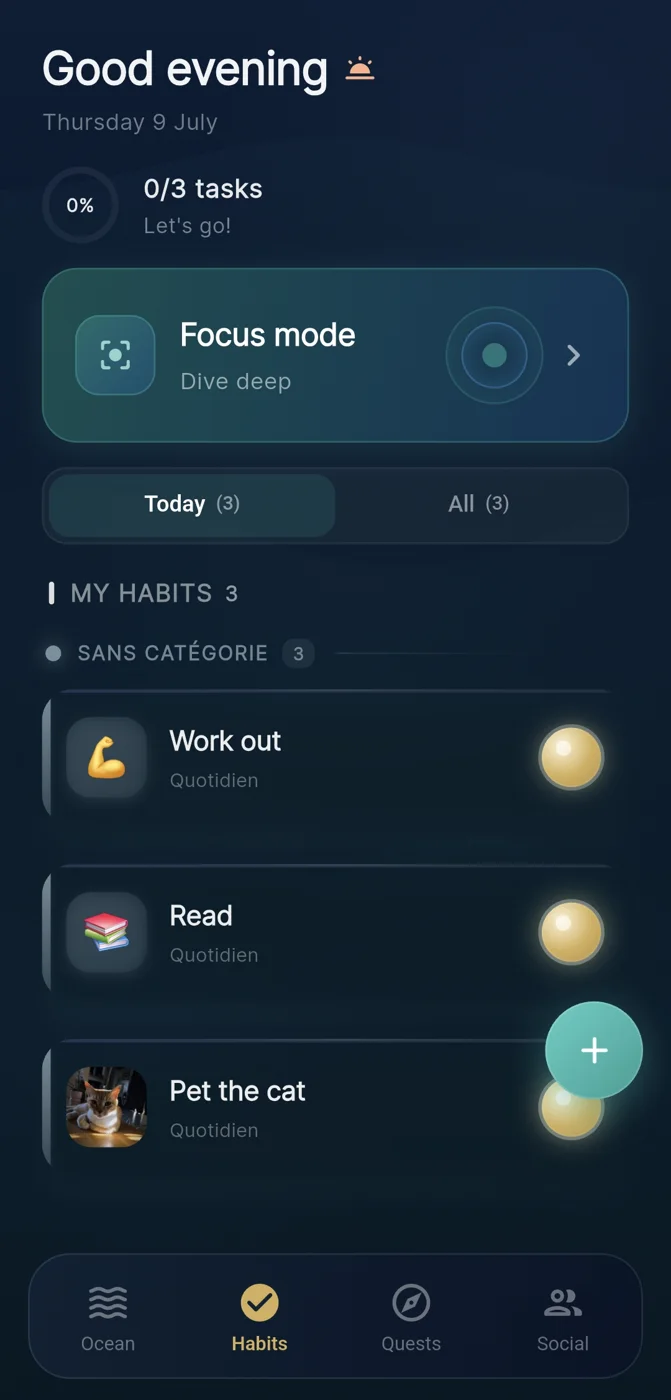
Reef is an IVRYN habit tracker for iOS and Android that frames repeated actions through a living-ocean visual. When you mark a habit complete, the app adds a pearl to that ocean; its focus sessions use a dive-style experience and award pearls for finished focus time. These are product mechanics, not evidence of a guaranteed change in habits or health.
That distinction is central when reading reviews. A reviewer may find a visual ocean or earned pearls pleasant, memorable, or motivating, while another person may not. The useful decision question is whether that form of feedback would make your chosen actions easier to notice and revisit, not whether it is supposed to produce a universal result.
Reef also offers crews as an elective way to share accountability. Because participation is optional, the feature can be considered separately from personal tracking and focus sessions. You can decide whether to begin privately, invite a small group later, or leave social sharing unused.
Reef’s published methodology and guide provide context for its design and evidence framing. They do not amount to a claimed first-party study for this article, and this article does not treat them as proof of outcomes. They are best used to understand the intended product approach while keeping personal results uncertain and individual.
- A visual reward can be a preference, not a promise.
- Focus rituals can support intentional time without guaranteeing concentration.
- Optional accountability should remain aligned with your comfort and relationships.
Example decision aid: a seven-day review test
Example: imagine that Maya wants help with a ten-minute evening planning habit and two short periods of focused work each week. She is drawn to positive habit tracker app reviews but does not want to depend on a streak or a group chat. Rather than decide from ratings alone, she uses a seven-day test with one clearly defined habit and one planned focus session.
Before starting, Maya writes a simple standard: the planning habit counts when she opens tomorrow’s calendar and identifies one priority. She does not expand the task into reorganising her whole week. She then chooses one signal to observe: whether the tracker makes it easier to remember and return to the action after a busy day.
During the week, Maya records practical observations rather than judging herself. Was it clear how to complete the habit? Did the progress display feel encouraging or distracting? When she missed a day, could she resume without trying to compensate? Did the focus flow help her begin the planned session? These questions test fit, not personal worth.
At the end of the week, Maya does not conclude that an app has changed her behaviour. She decides only whether the system deserves another small trial, needs adjustment, or is not a fit. If she tries optional social accountability later, she can make that a separate experiment with clear expectations and an easy way to step back.
- Define one small habit in observable terms.
- Use one or two planned focus sessions, not an unrealistic daily target.
- Record friction, clarity, and recovery after a missed day.
- Decide on continued use from fit, not from a promised outcome.
A calmer way to act after reading reviews
Use reviews to narrow your options, then make the decision reversible. Pick the app whose approach appears closest to your needs, begin with a modest setup, and give yourself permission to revise it. A tracker is a support tool; it does not need to become another source of pressure.
Set expectations that leave room for ordinary life. Missed days, travel, changing schedules, and low-energy periods are part of repetition. A useful habit system should make it possible to return to a small action without requiring a dramatic restart. Visible progress is most constructive when it invites continuation rather than perfection.
Finally, revisit your original reason for using the app. If you wanted a gentler way to see repeated actions, protect a short window of focus, or share a commitment with others when you choose, assess those experiences directly. Do not let highly confident reviews replace your own practical judgement.
For Reef specifically, consider whether its ocean-building feedback, dive-inspired focus sessions, and voluntary crews match that purpose. Those mechanics can make activity visible and offer a structure for returning, but they do not guarantee a behavioural or health result.
- Start small and keep the choice reversible.
- Plan for missed days before they happen.
- Evaluate whether the tool fits your life, not whether reviews promise a transformation.
Frequently asked questions
Are habit tracker app reviews reliable enough to choose an app?
Habit tracker app reviews can help you identify features, usability concerns, and possible fit, but they are personal accounts rather than guarantees. Use them to form questions, then test a small routine yourself.
What should I look for in a habit tracker if I often miss days?
Look for a system that supports a simple restart, makes progress visible without making perfection the goal, and lets you keep habits small and clearly defined. A missed day should not require you to abandon the routine.
Does Reef guarantee that I will build better habits or focus longer?
No. Reef makes completed habits and focus sessions visible through pearl-based ocean progress, and it offers optional crews for accountability, but it does not guarantee a behaviour or health outcome.
Sources and further reading
These resources provide the wider reference frame. Product statements on this page are limited to the public information provided by Reef.