 Reef
Reef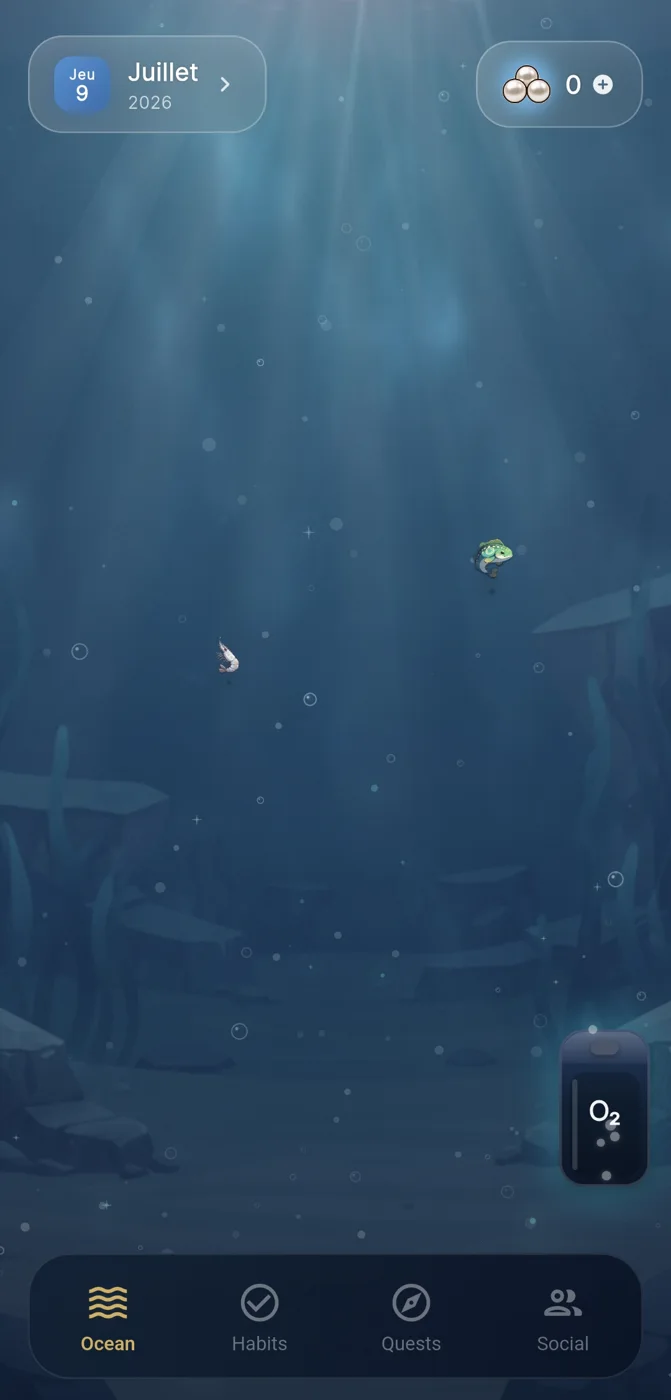
Fair price and sync: five checks before paying for a habit or task tracking app
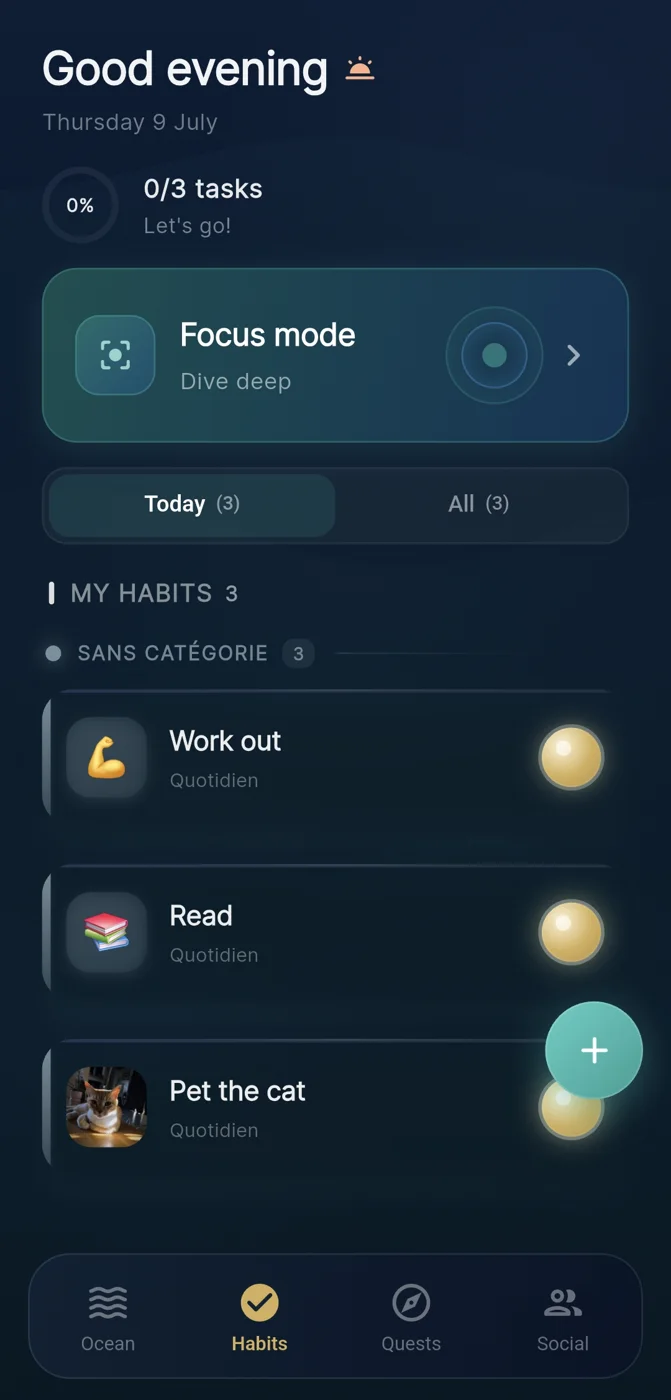
Documentation checked on 23 October 2026. A fair price depends on what the free tier includes, what premium adds, whether sync is covered, the renewal amount and period, and how to cancel. Reef tracks habits and focus sessions, not tasks or a to-do list, so the Reef column below applies to habit tracking only.
| Fair price check | What the official page says | What it means for Reef |
|---|---|---|
| What the free tier includes | Reef's FAQ says Reef is free to start: you can build your ocean, keep up to six habits and earn pearls without paying. | If up to six habits cover your routine, you can use Reef without paying. Pearls are earned, not bought. |
| What premium adds and what it costs | Reef's FAQ says optional premium unlocks higher limits, advanced focus and statistics, ocean themes and other extras. Google Play says subscriptions are charged at the beginning of each billing cycle, for example weekly or annually, unless you unsubscribe. | The Reef pages cited here give no premium price. Check the amount and the billing period on the App Store or Google Play listing before you subscribe, and pay only if one of the named premium features matters to you. |
| Whether sync is covered | Reef's privacy policy says account, habit and progress data is used to provide, synchronise and secure the service. Reflections saved in Gambi's journal are stored locally first and may be synchronised to your account. | Your habits and progress are synchronised to your Reef account. The Reef pages cited here do not say whether sync is part of the free start or needs premium, so do not pay for premium on the assumption that it adds sync. |
| Renewal and free trial | Apple says that if you signed up for a trial subscription and do not want it to renew, you should cancel it at least 24 hours before the trial ends. | If the store offers you a trial, note the renewal amount and period it shows and set a reminder more than a day before the trial ends. |
| How to cancel | On iPhone, Apple cancels from Settings, your name, Subscriptions, then Cancel Subscription. Google Play warns that uninstalling the app will not cancel your subscription, and you keep access for the time you have already paid. | Cancel Reef premium through the store that bills you, not by deleting Reef from your phone. |
What a cheap habit tracker app should help you decide
A cheap habit tracker app is most useful when it lowers the friction of remembering and reviewing a small action. Before choosing one, decide what problem you want it to solve: remembering a daily practice, making progress easier to see, reserving time for focused work, or inviting accountability from other people. One app does not need to solve every part of your life.
Cost matters, but it is only one constraint. A low-priced or free option can still become burdensome if logging takes too long, the reminders feel punitive, or the interface makes missed days look like failure. Look for a tool that supports a repeatable next action rather than one that encourages you to build an elaborate system you will avoid opening.
Reef is an IVRYN habit-tracking app for iOS and Android. Its public product context is visual: each completed habit adds a pearl to an evolving ocean scene. That can make repeated actions more tangible, but it is a design mechanic, not evidence that an app will produce a particular behavioural or health result.
- Choose one or two habits before adding more.
- Decide whether daily, weekly, or flexible repetition fits the habit.
- Set a spending limit before comparing plans or subscriptions.
- Treat visuals and rewards as prompts to return, not proof of progress in every area of life.
How to assess a cheap habit tracker app before paying
Start with the basic loop: can you define a habit clearly, record completion quickly, and understand what happened after several days? A useful tracker makes the next decision simple. If you need to reread setup instructions or manage too many categories every time you log a habit, its apparent value may disappear in daily use.
Then examine the type of motivation the product uses. Streaks, badges, graphs, and visual worlds can all make repetition more noticeable. They can also become unhelpful if they turn an ordinary missed day into a reason to quit. The more sustainable question is not whether the app makes every day exciting; it is whether it makes restarting feel possible.
Reef’s public methodology and gamified-tracker guide frame habit tools as support for visible, repeatable actions while maintaining limits around claims. Use that boundary when evaluating any product language: an interface may organize cues, records, and rewards, but it cannot guarantee that you will sustain a routine or achieve a health outcome.
- Check how many taps a normal completion requires.
- Look for a clear way to adjust, pause, or retire a habit.
- Read payment and cancellation terms at the point of purchase.
- Ask whether the app still feels useful after a missed day.
Cheap habit tracker app choices should include recovery, not just streaks
A habit tracker can accidentally make consistency feel all-or-nothing. That is risky for ordinary routines because travel, illness, deadlines, caregiving, and changing priorities can interrupt even well-chosen plans. A better system leaves room to resume with a smaller version of the action.
Gentle recovery means planning your response before the missed day happens. For example, if your intention is to read for twenty minutes, the recovery version might be opening the book and reading one page. The purpose is not to preserve a perfect record. It is to reduce the effort required to reconnect with the routine.
Visible progress can help here when it records accumulated effort instead of presenting a broken streak as a verdict. Reef’s ocean-building mechanic is relevant to this use case: logging a habit contributes a pearl to a shared visual environment over time. The product does not promise that this visual feedback will change behaviour; it simply gives completed actions a visible place to accumulate.
- Write a minimum version for every habit.
- Define a restart cue, such as after breakfast or before shutting your laptop.
- Review misses for practical obstacles rather than personal judgment.
- Change the habit’s timing or size when the same obstacle repeats.
Protecting focus time without treating it as a guarantee
Many people want a habit tracker because their intended actions lose out to interruptions. If focus is part of the problem, choose a tool that helps you set a bounded session and recognize completed time without asking you to be productive continuously. The aim is to create a deliberate container, not to prove that every session was ideal.
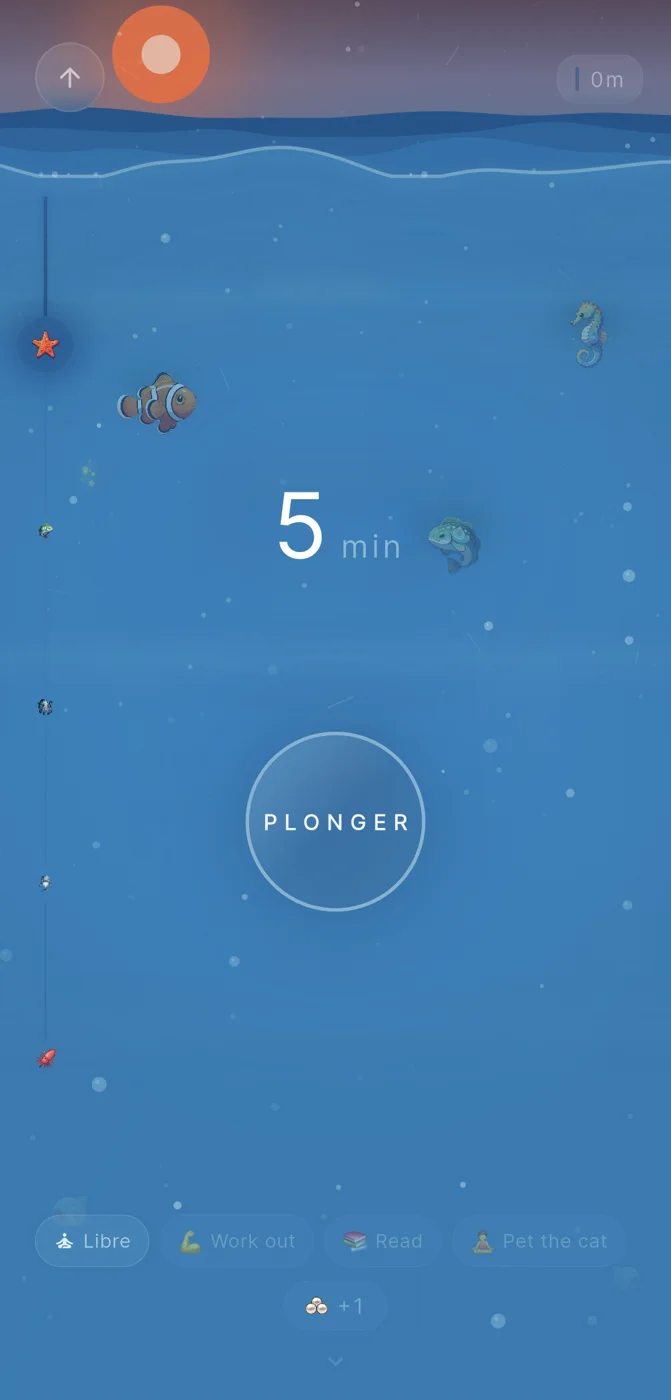
Reef offers focus sessions through a dive-themed experience, with completed focus time adding pearls. This can suit someone who wants focused work to appear alongside everyday routines in one visual system. It should be understood as a framing and reward feature, not as a promise of concentration, productivity, or wellbeing.
Keep focus plans concrete. Select one task, choose a duration that feels realistic, and decide what counts as completion before starting. If a session is interrupted, log what you can honestly use and adjust the next session. A tracker is most helpful when its records clarify your choices instead of becoming another source of pressure.
- Name one task before beginning a focus session.
- Use a duration you can repeat on an ordinary day.
- Silence or move one likely distraction if practical.
- Afterward, choose the next physical or digital step for the task.
Optional social accountability: useful only when it fits
Accountability can be helpful when it creates a gentle reason to show up, but it is not required for habit formation and it is not right for every goal. Some habits are private, some relationships make comparison stressful, and some people prefer an individual record. A cheap habit tracker app should let you choose the level of visibility that feels appropriate.
Reef includes optional social crews, so users can share accountability when they want it. That choice matters: participation in a group should be a support option rather than a condition for using the app. The available product information does not establish that crews cause better adherence or any other outcome.
If you invite others, agree on the smallest useful form of support. It might be a weekly check-in, a shared focus window, or a simple message after returning from a lapse. Avoid turning the group into a scoreboard. The goal is clearer commitments and kinder restarts, not pressure to perform for an audience.
- Ask what each person is comfortable sharing.
- Choose a check-in rhythm before creating a group.
- Do not assume everyone wants reminders or advice.
- Make leaving or changing the arrangement easy.
Example: a low-cost decision check before committing
Example: Maya wants help with three intentions: take a short walk most days, protect two work sessions each week, and feel less alone when restarting after a busy week. She has a small monthly budget and does not want a complex wellness platform. She compares options by looking at the daily logging effort, focus support, privacy and social controls, recovery flexibility, and total cost shown at checkout.
For her walking habit, Maya defines success as putting on shoes and going outside for five minutes. For focus, she begins with a single 25-minute session twice a week. She keeps social accountability optional: she will only join a crew if it feels encouraging after a trial period. These choices make the app serve a plan she can explain, rather than asking the app to supply motivation by itself.
A reasonable decision would be to continue only if the tool helps Maya notice her completed actions, restart after interruptions, and stay within her budget. If it creates pressure, confusion, or spending she did not intend, she can simplify the setup or choose a different approach. This is an example of decision-making, not a prediction of what will happen for any user.
- Define the smallest version of each habit.
- Set a maximum amount you are willing to spend.
- Try the normal logging and restart flows.
- Review after two weeks: keep, simplify, or stop.
- Choose social features only if they improve the experience.
Frequently asked questions
What should I look for in a cheap habit tracker app?
Look for quick logging, clear habit setup, a manageable price at checkout, a way to recover after missed days, and optional accountability controls. Visual rewards can make progress easier to notice, but they do not guarantee lasting behaviour change.
Can a visual habit tracker help after I miss a day?
A visual tracker can help you see accumulated completed actions and return to a small next step. It cannot erase the interruption or guarantee consistency, so use it with a simple recovery plan rather than relying on streaks alone.
Do I need social accountability to use a habit tracker?
No. Social accountability is optional and works best when it feels supportive and respects privacy. An individual tracker can still help you plan small repeatable actions, record completion, and review what makes restarting easier.
Sources and further reading
These resources provide the wider reference frame. Product statements on this page are limited to the public information provided by Reef.