 Reef
Reef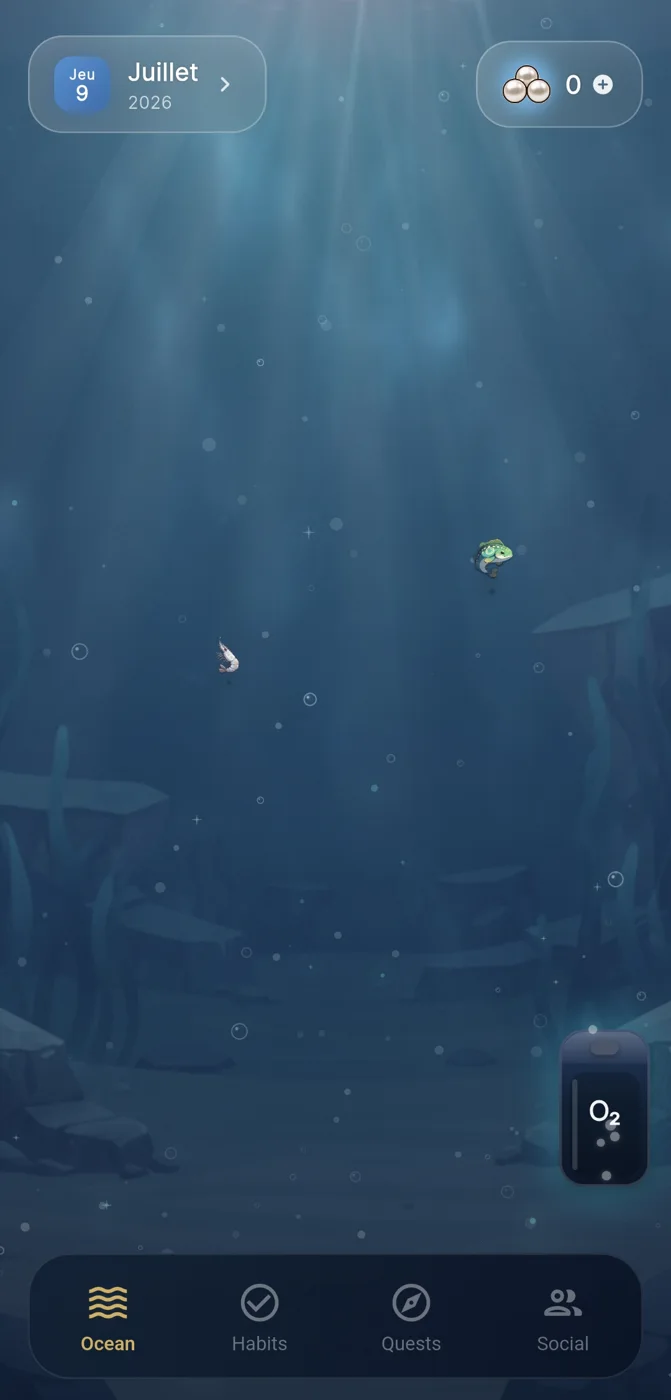
What a habit tracker app for pc can help you decide
A habit tracker app for pc is most useful when it reduces uncertainty around one simple question: what will I repeat today? A larger screen can make a weekly pattern easier to scan, especially if you plan work, exercise, learning, household tasks, or recovery routines from a desk. But a tracker is a record and prompt, not a substitute for choosing a realistic action.
Before acting, separate the tool from the outcome you want. You might want to remember a habit, notice whether it fits your week, reserve focused time, or invite another person into an accountability arrangement. Those are different jobs. Choosing a tracker becomes easier when you name the job first rather than expecting one interface to create motivation for you.
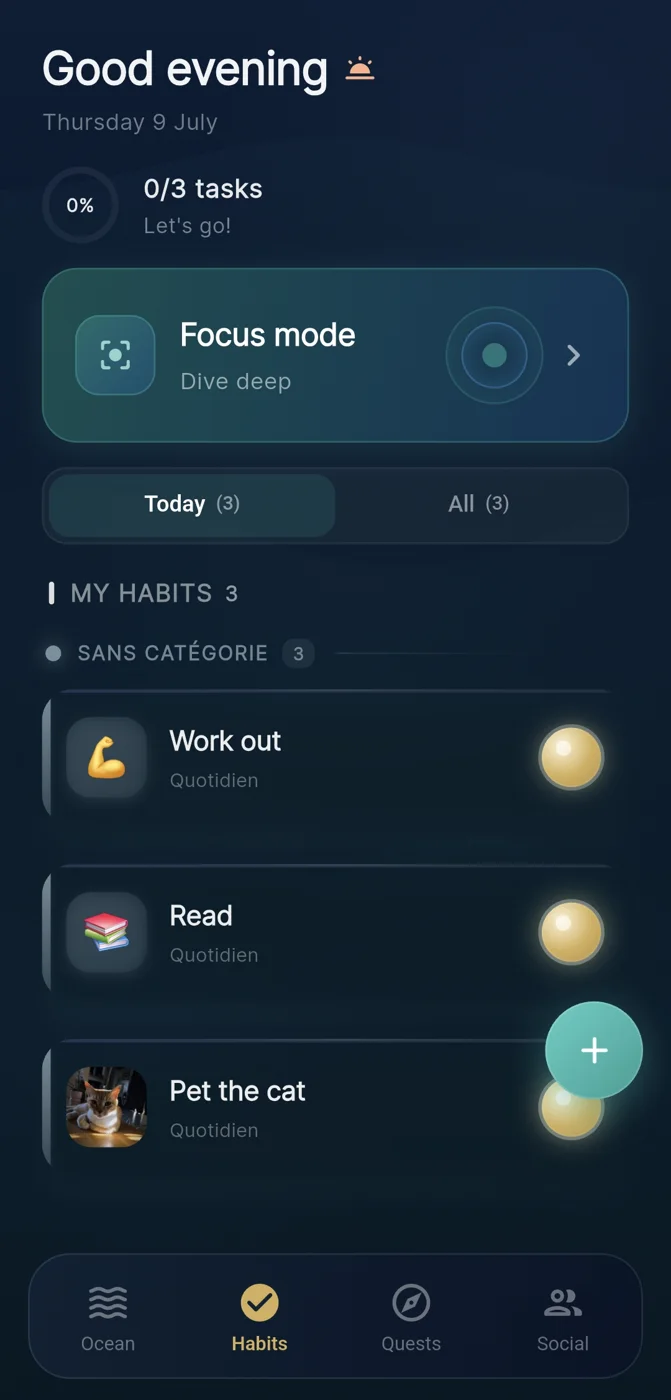
Reef is an IVRYN habit-tracking mobile app for iOS and Android, so it is not presented here as a native PC solution. Its public approach is relevant to the decision, however: repeated actions can be made visible through a living-ocean visual, while the app avoids promises that tracking will change behaviour or health.
- Choose one primary job: reminder, visible record, focus planning, or optional accountability.
- Decide where you will realistically log: at a computer, on a phone, or in both places.
- Treat consistency as useful information, not a score for personal worth.
Start with small actions that fit a real workday
The strongest starting point is usually a habit small enough to complete on an ordinary, inconvenient day. “Read for two minutes after lunch” gives you a clearer next action than “become well read.” “Open the project brief and write one sentence” is easier to begin than “make major progress.” A PC-based tracker can support this by placing the action near the context where it happens, but the action still needs to be concrete.
Avoid loading a new tracker with every aspiration at once. A long list can turn an information tool into a daily reminder of unfinished intentions. Start with one to three habits, define what counts as complete, and review the list after a week or two. If an item repeatedly fails, revise its size, cue, timing, or relevance rather than assuming that you need harsher rules.
The Reef methodology and guide frame habit design around manageable repetition and engaging progress rather than claims of guaranteed transformation. That is a useful boundary for any tracker: visual rewards may make completion more noticeable, but they do not remove the need to adapt a routine to your circumstances.
- Write the habit as an observable action, such as “fill water bottle at 9:00.”
- Set a minimum version that remains possible on a busy day.
- Define completion before you start so you are not negotiating with yourself each evening.
Habit tracker app for pc: assess visibility without turning it into pressure
A PC interface can be helpful when you want a broad view of your week. Look for a display that lets you spot patterns without forcing an all-or-nothing streak mindset. Useful questions include: Can you see completed days clearly? Can you distinguish a missed day from a habit you intentionally paused? Can you revise an unrealistic target without losing the context of why you changed it?
Visible progress works best when it supports reflection. A missed entry might mean you forgot to log, the cue was weak, the task was too large, or the routine no longer matters. It is not automatically evidence of failure. Build a recovery rule before you need it: after a missed day, return to the smallest version at the next reasonable opportunity rather than trying to compensate with an oversized session.
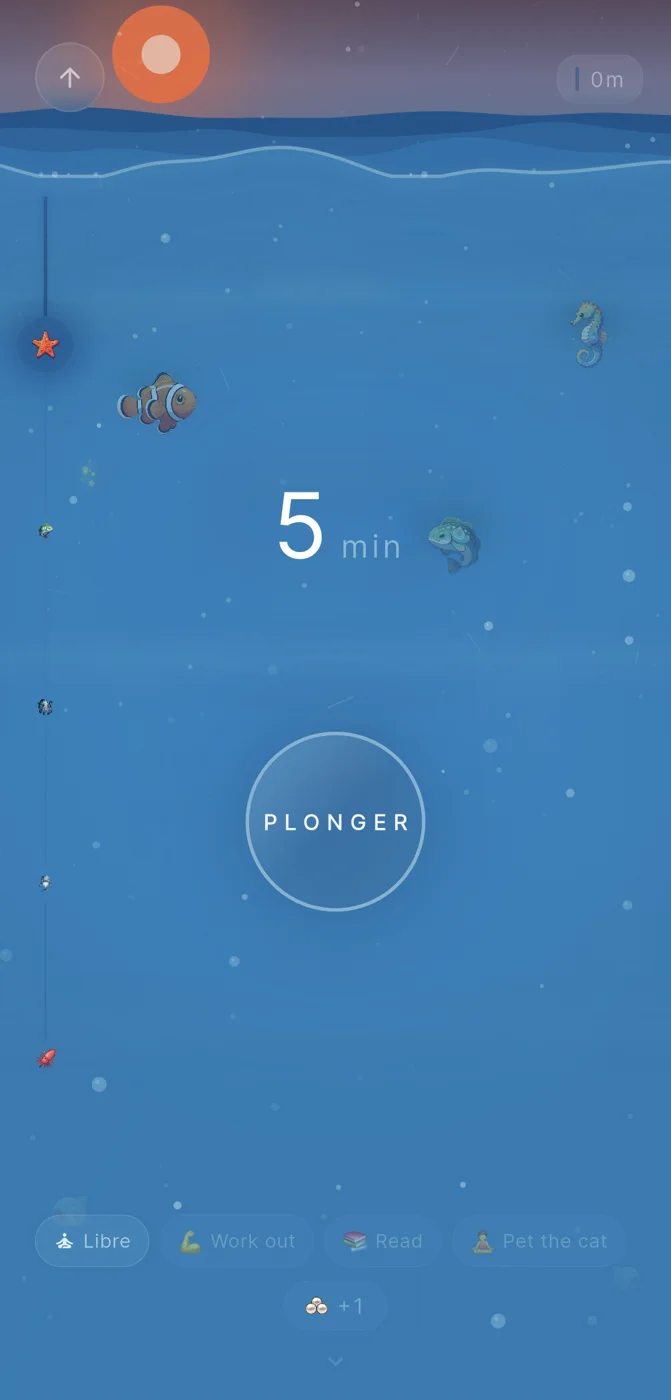
Reef uses pearls as a visual acknowledgement of completed habits, with those contributions shaping an ocean scene. In its focus feature, finished dive-style sessions also earn pearls. That design illustrates a narrow, practical role for gamification: make completion tangible and pleasant, while keeping expectations bounded. A visual reward is not proof that a routine will produce a behavioural or health result.
- Prefer progress views that show trends and context, not only uninterrupted chains.
- Create a recovery rule: “Miss once, restart with the minimum action tomorrow.”
- Use visual rewards as a cue to notice completion, not as a reason to ignore fatigue or changing priorities.
Protect focus time as a separate practice
Habit logging and focused work are related but not identical. A habit might be a short repeatable action; a focus session is a protected block of attention for a task. If your goal includes both, decide which one you are marking. For example, “plan tomorrow for five minutes” can be a habit, while “draft the report for 25 minutes” may be better handled as a timed session.
A workable focus practice needs an entry point and an exit point. Before a session, state the next visible step, silence or move likely distractions where possible, and choose a duration that matches your energy. At the end, record what you completed or what the next step is. This makes it easier to resume later without turning the session into a test of endurance.
Reef frames its focus sessions as dives and recognizes completed focus time with pearls. For someone evaluating a PC tracker, the practical takeaway is to choose whether you need a dedicated timer, a habit checkbox, or both. Do not assume that a metaphor or reward makes distraction disappear; use it only if it helps you begin and close a session deliberately.
- Name one task before starting a focus block.
- Choose a duration you can finish without relying on willpower alone.
- End by writing the next action, even if the task remains unfinished.
Use social accountability only when it serves you
Accountability can be useful when it creates a gentle prompt to show up, but it is optional. It should not become surveillance, competition, or pressure to disclose more than you want. Before joining or creating a group, agree on what will be shared, how often people will check in, and what happens when someone misses a day.
A good arrangement is specific and reversible. Two friends might each choose one weekly intention, send a brief check-in on Friday, and respond with encouragement rather than advice unless it is requested. That is different from expecting another person to ensure your completion. The responsibility for choosing, changing, or pausing a habit remains with the individual.
Reef includes optional social crews, but the public product context does not guarantee a behavioural or health effect from using them. That limitation matters: choose social features for connection or a shared ritual if you want them, and leave them off if private tracking better supports your routine.
- Ask permission before adding someone to an accountability arrangement.
- Share only the level of detail both people are comfortable with.
- Agree that missed days call for a reset, not public correction.
Example decision aid: choosing a setup for a desk-based week
Example: Maya wants to build a writing routine while working mostly from a laptop. She is deciding whether she needs a habit tracker app for pc, a mobile tracker, or a combination. Her actual requirement is not “perfect consistency”; it is a visible prompt to write briefly and two protected drafting blocks each week.
She defines her daily habit as “write one sentence after opening the laptop in the morning.” She defines focus separately as two 30-minute drafting sessions. She chooses a tracker view that can show a week at a glance, sets the smallest action first, and adds a recovery rule: if she misses a morning, she may write one sentence after lunch instead. She does not add a social feature until she knows whether a private routine is sufficient.
After two weeks, Maya reviews the record. If morning completion is low because meetings begin early, she moves the cue rather than raising the target. If the focus blocks are frequently interrupted, she shortens them or changes their calendar placement. The tracker has helped her make a decision from her own pattern; it has not guaranteed a writing outcome.
- Step 1: Pick one small habit and one separate focus use case, if needed.
- Step 2: Define what completion means and your reset rule.
- Step 3: Review timing and task size after two weeks.
- Step 4: Add optional accountability only if it feels supportive and consensual.
Frequently asked questions
Can I use Reef as a habit tracker app for pc?
Reef is an IVRYN mobile habit tracker available for iOS and Android. If you specifically need a native PC app, check whether the tool you choose supports your desktop workflow; Reef’s public product context is mobile.
Do visual rewards in a habit tracker guarantee that I will stay consistent?
No. Visual rewards can make completed actions easier to notice, but they do not guarantee behaviour or health outcomes. Use them as a gentle acknowledgement and keep habits small enough to restart after missed days.
Should I join a social accountability group for habits?
Only if it feels useful and voluntary. Agree on what to share, how check-ins work, and how missed days are handled. Reef’s social crews are optional and should not be treated as a guarantee of results.
Sources and further reading
These resources provide the wider reference frame. Product statements on this page are limited to the public information provided by Reef.