 Reef
Reef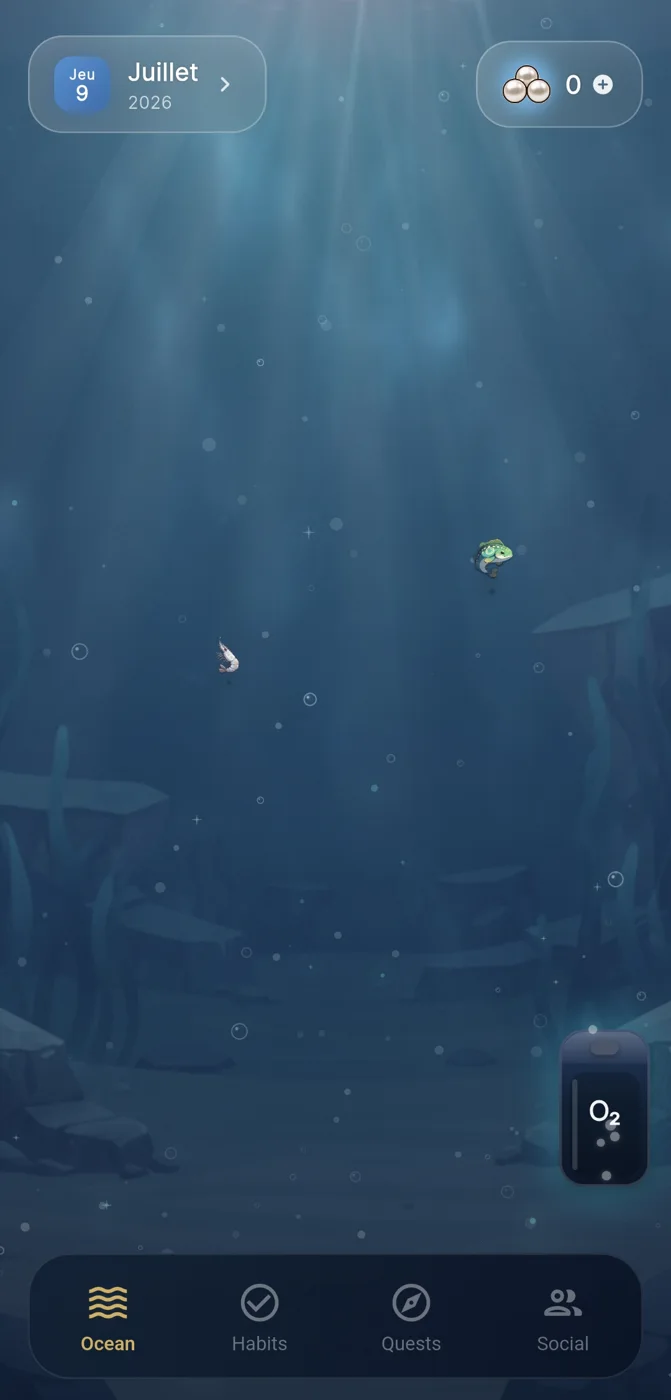
What a habit tracker app android should actually do for you
Searching for a habit tracker app android usually means one of two things: you want a simple way to mark habits done, or you want something that keeps you motivated when the novelty fades. Those are different problems. A basic checklist app solves the first. Staying consistent for weeks or months is a harder design problem, and it is where most tracking apps quietly fail people, not because the app is bad but because the habit itself was too large or too vague to survive a busy week.
Before comparing specific apps, it helps to separate the tracking mechanism (does it log completions reliably) from the motivation mechanism (does it give you a reason to open the app again tomorrow). Many android habit trackers only solve the first problem. Some add visual or gamified elements specifically to address the second, turning a completed habit into a small piece of visible progress rather than just a checked box.
Why small, repeatable habits outperform ambitious ones
The habits most likely to stick on any platform are the ones you could still complete on a bad day: a two-minute stretch, one page of reading, a five-minute walk. Apps can support this principle, but they cannot enforce it. If you set an unrealistic bar inside the app, no amount of streak tracking or visual reward will make it easier to hit.
A practical filter is to ask whether the habit is small enough to survive a day where you're tired, busy, or unmotivated. If the honest answer is no, shrink it before you start tracking it. This matters more than which app you pick, because tracking software can only make an achievable habit more visible, it can't make an unrealistic one achievable.
Visible progress and why it matters for consistency
One reason gamified or visual trackers are popular on android is that seeing progress accumulate, rather than just checking a box, gives the brain a clearer signal that effort is adding up. This is a well-established design principle in behavior-focused apps generally, not a claim specific to any one product.
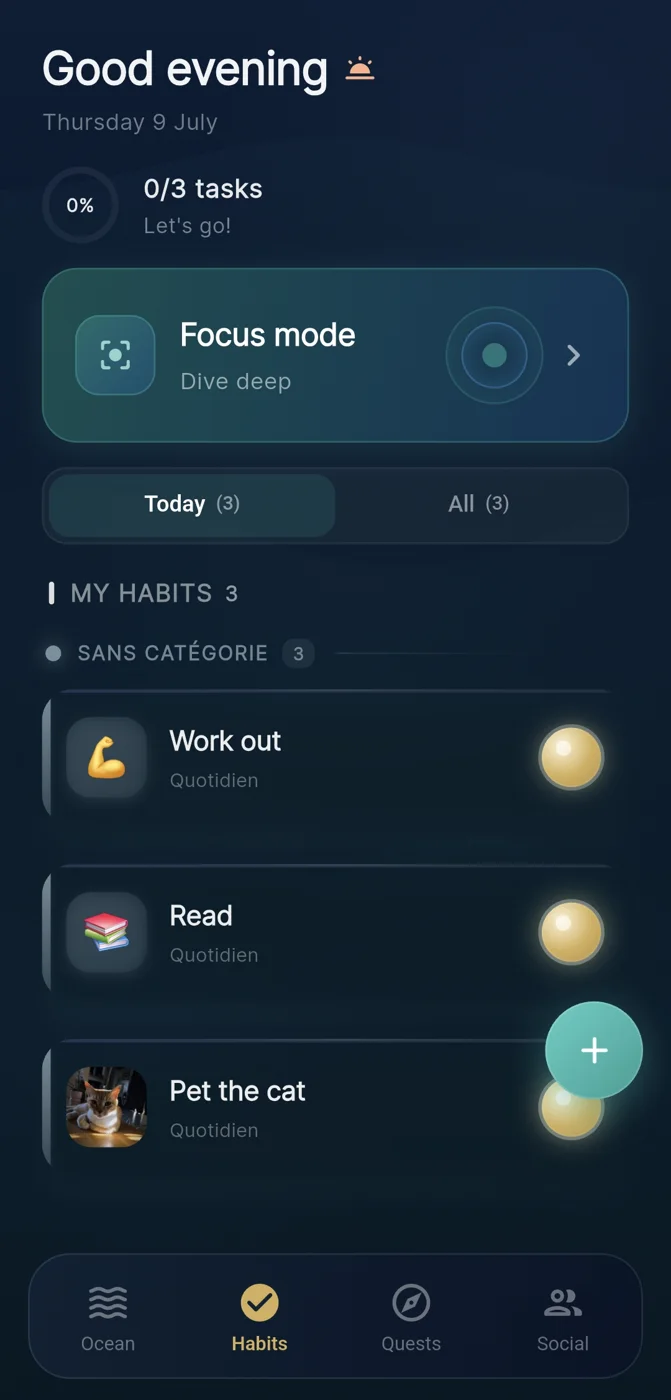
Reef, an IVRYN habit tracker for iOS and Android, applies this idea by turning each completed habit into a pearl that adds to a personal, evolving ocean scene inside the app. The intent is to make weeks of small consistent effort visible at a glance, rather than relying on a bare streak counter. It's a formulation of the same underlying principle: cumulative small actions are easier to sustain when there's something to see, not just something to check off.
Whatever tracker you choose, the visual layer should feel like a byproduct of your effort, not a distraction that competes with actually doing the habit.
Handling missed days without abandoning the habit
Almost every habit tracker eventually shows a gap. What separates tools and approaches that hold up over months is how gently they handle that gap. A tracker that treats one missed day as a broken streak, forcing you back to zero, can make the emotional cost of missing a day feel larger than it should be, which paradoxically makes people more likely to quit altogether.
A better mental model, and one worth looking for in app design, is to treat a missed day as a pause rather than a failure. Resuming the next day should feel low-friction, not like starting over. This is a general principle of durable habit formation, and it's worth testing directly in any app you're considering: log a habit, skip a day on purpose in a test run, then see how the app frames your return.
Focus time and dive-style sessions as a related habit
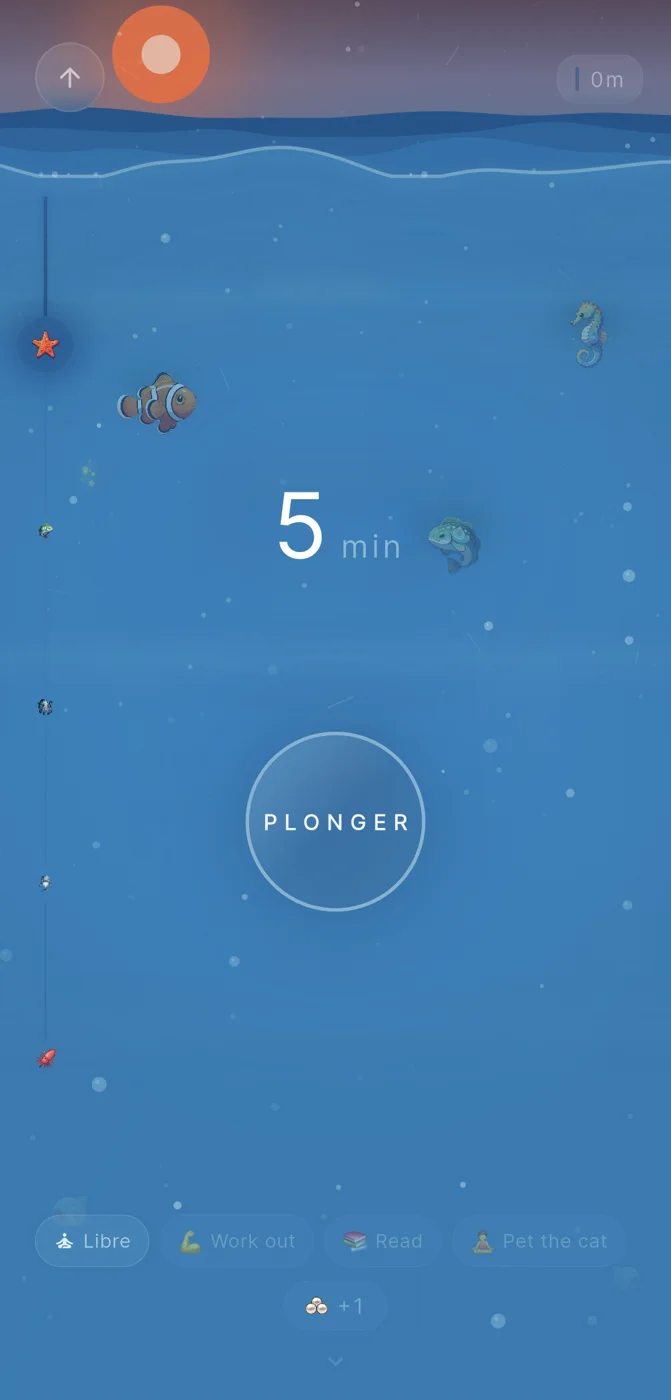
Habit tracking often overlaps with a second goal: protecting blocks of focused time, whether for study, work, or a personal project. Some apps combine the two by rewarding completed focus sessions the same way they reward habit completions. Reef does this with a dive metaphor, where a completed, uninterrupted focus session earns pearls in the same way a habit does, tying attention management into the same visual progress system.
If focus protection is part of what you're trying to solve with a habit tracker app android, look specifically at whether the app treats a session as complete only when you actually finish it, or whether it's lenient about interruptions. That distinction affects whether the tool is training real focus or just logging intentions.
Social accountability: useful, but optional
Some habit trackers let you share progress with friends or join small groups, sometimes called crews or circles. This can help on days when personal motivation is low, since knowing someone else can see your activity adds a mild external nudge. But it isn't necessary for every habit or every person, and apps that make social features mandatory can add pressure that works against the calm, low-stakes tone that sustainable habit building needs.
Reef treats crews as optional rather than required, which reflects a broader point worth applying to any tracker you choose: look for tools that let you add social accountability when it helps, without forcing it on habits you'd rather keep private. No tracking app, including Reef, can guarantee a specific behavior or health outcome; the tool can make effort visible and provide structure, but the habit itself still depends on you.
A worked example: choosing and testing an android habit tracker
Example only, not a real case: imagine someone wants to build a daily 10-minute reading habit and occasionally do 25-minute focused work sessions. Before downloading anything, they'd write the habit down at its smallest viable size (read one page, not one chapter), decide in advance what a missed day should feel like (a pause, not a restart), and note whether they want anyone else to see their progress (in this hypothetical, no).
Use this as a checklist when trying out any habit tracker app android:
- Confirm the habit you're logging is small enough to survive a bad day
- Test what happens in the app after you deliberately skip a day
- Check whether focus or session tracking requires full completion or accepts partial credit
- Confirm social sharing, if offered, is optional and not required to use the app
- Give the app two to three weeks before deciding whether the visual or gamified layer is actually motivating you, versus just being novel
Frequently asked questions
Is a gamified habit tracker better than a plain checklist app on android?
Neither is universally better. A gamified tracker with visual progress can help some people stay motivated over weeks, but the core requirement for any habit tracker is that it reliably logs a small, achievable habit; the visual layer is a support, not a substitute for a realistic habit size.
What should happen in an app when I miss a day?
A well-designed tracker should let you resume the next day without penalty or a reset to zero. Look for apps that frame a missed day as a pause rather than a failure, since that framing is associated with people being more likely to continue rather than abandon the habit.
Do I need social features to stick with a habit tracker?
No. Social or group accountability features can help some people on low-motivation days, but they are optional, not required, for building a habit. Choose a tracker that lets you add social sharing selectively rather than one that forces it on every habit.
Sources and further reading
These resources provide the wider reference frame. Product statements on this page are limited to the public information provided by Reef.