 Reef
Reef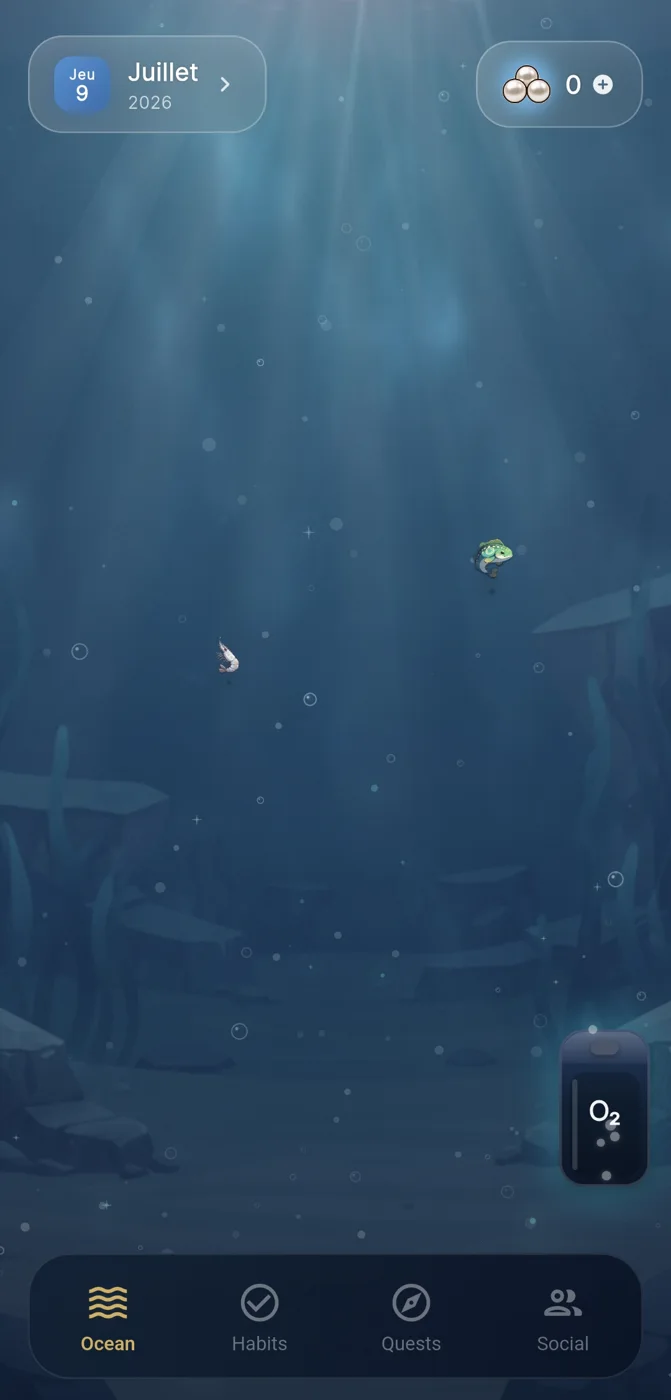
Why the search for a habit tracker app ios usually starts small
Most people searching for a habit tracker app ios are not looking for a productivity overhaul. They want a lighter way to keep track of something specific: drinking water, reading before bed, stretching after work. The phrase itself signals a practical, device-bound need rather than a broad lifestyle change, which is worth remembering when comparing apps that promise much more than tracking.
Because the App Store lists dozens of habit apps with overlapping features, the real decision usually comes down to a handful of design choices: how progress is shown, what happens after a missed day, and whether any social layer is optional or mandatory. Those three factors matter more for long-term use than the visual theme of the app.
What a habit tracker app should actually track
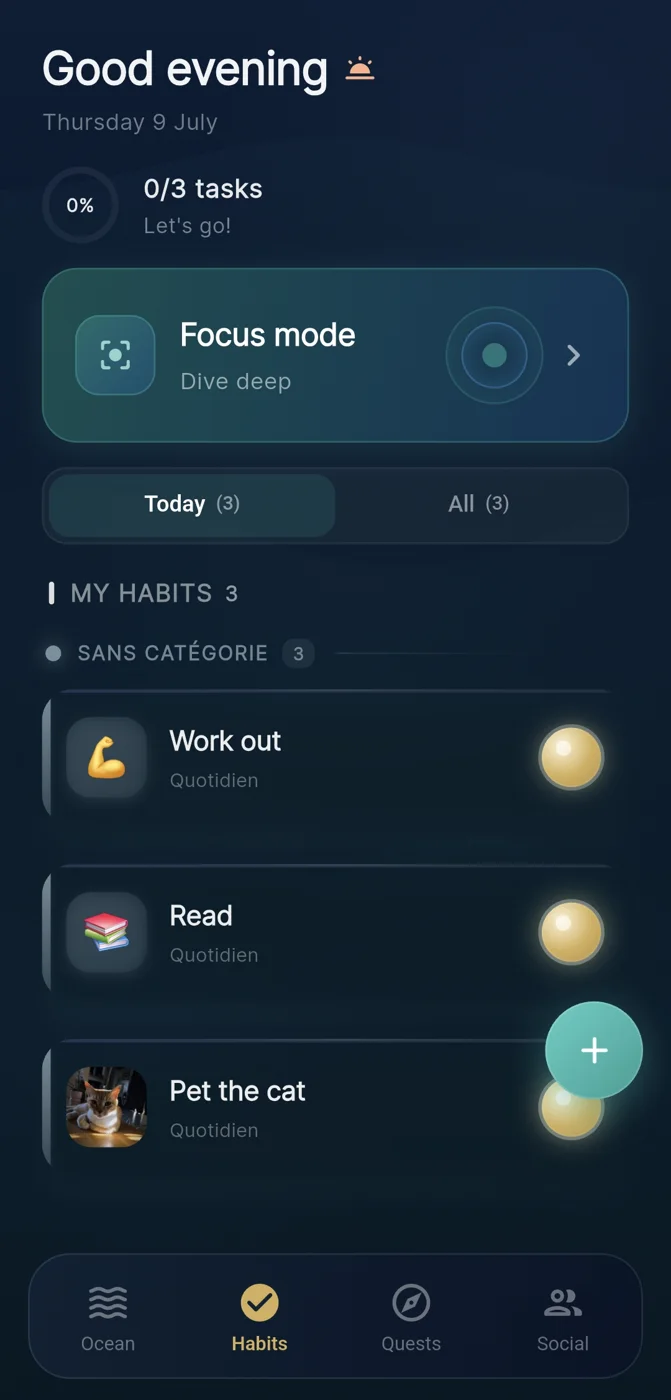
A habit tracker's core job is to make a repeated action visible over time, not to diagnose why a habit is hard to keep. Apps that lean on small, repeatable actions - a two-minute walk, a single page read - tend to be easier to sustain than ones built around large daily targets, since the visible record of small wins is what keeps people opening the app.
Reef, an IVRYN mobile habit tracker for iOS and Android, is one example of this approach: completing a habit releases a pearl that adds to a visual, ongoing scene, so progress accumulates as something you can see rather than just a streak number. That kind of visual progress is a design choice, not a guarantee that a habit will stick - the app can make consistency visible, but it cannot make the behaviour happen on its own.
Recovery after a missed day matters more than the streak
Many habit apps are built around unbroken streaks, which can be motivating early on but punishing the moment a day is missed. A single skipped entry can make the whole record feel wasted, which is often when people abandon the app altogether. When evaluating a habit tracker app ios, it is worth checking specifically how the app treats a missed day: does it reset everything, or does it let you pick back up without losing the visible history of what came before.
Gentle recovery design - where a missed day is shown honestly but doesn't erase prior progress - tends to support longer-term use because it removes the all-or-nothing pressure. This is a general design principle across habit apps, not a claim specific to any single tool's measured outcomes.
Focus features and the dive metaphor: what it does and doesn't do
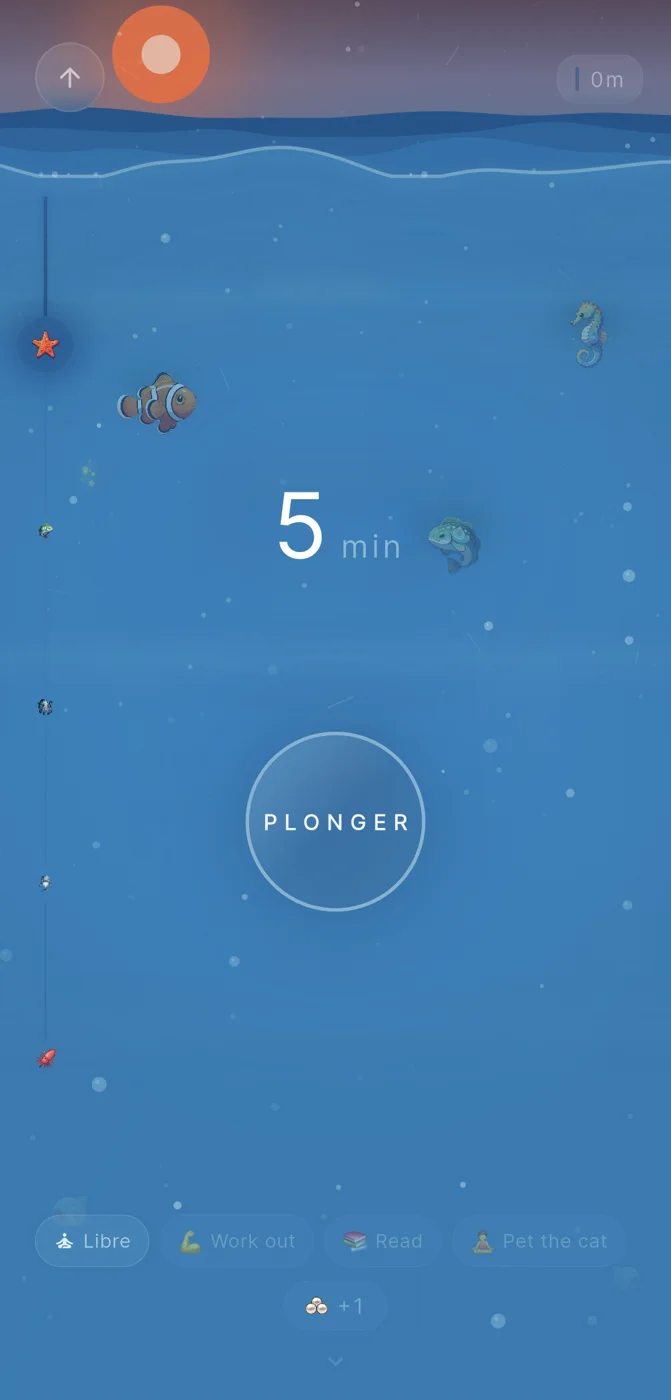
Some habit apps extend beyond habit logging into focus sessions, using themes to make sustained attention feel less abstract. Reef's focus sessions use a dive metaphor, where completed focus time is rewarded with pearls in the same way habit completions are - tying attention and habit-building into one visual system rather than two separate tools.
This kind of framing can make a focus session feel less like a bare timer, but it's a presentation layer on top of the same basic mechanic: time spent, recorded. It does not measure attention quality or guarantee improved concentration, and treating it as more than a visual aid would overstate what any timer-based feature can do.
Social accountability: useful for some, unnecessary for others
Social or group features - shared streaks, crews, accountability partners - are common in habit apps, and they can help some people stay consistent by adding light social pressure. But they are not necessary for everyone, and a good habit tracker app ios should let you use them or skip them without penalty.
Reef's social crews are optional and are not presented as a way to guarantee a particular behaviour or health outcome; they exist as a feature some users choose to enable rather than a required part of using the app. When comparing apps, check whether social features are opt-in or whether the app pushes you toward sharing progress by default - that difference affects both privacy and pressure levels.
A worked example: choosing between two habit trackers
Example (hypothetical, not a real comparison): imagine someone wants to track a nightly reading habit and occasional focus sessions for study. They are weighing two fictional apps, 'App A' which uses hard streak resets and no focus mode, versus 'App B' which uses visual progress with gentle recovery and an optional focus timer with a theme.
For this specific goal - a habit that will likely be missed some nights, plus occasional deep work - App B's gentle recovery and optional focus framing map more closely to the stated need than App A's rigid streak system. The point of this example isn't to declare a winner in general, but to show how matching app design to your own likely failure pattern (missed nights, inconsistent focus time) is more useful than picking based on visual polish alone.
- List how you're likely to miss habits (occasional vs frequent) before choosing an app
- Check whether missed days reset all progress or are shown without erasing history
- Note whether social features are optional or required to use the app fully
- Treat any gamified visual (ocean, garden, streak) as motivation design, not a performance guarantee
Limits to keep in mind when picking a habit tracker app ios
No habit tracker app, including Reef, can guarantee that a habit will form or that a health or behaviour outcome will follow from use. Apps can make repetition visible and reduce some friction, but the underlying behaviour change work is still the user's. Claims that go beyond visibility and gentle structure - such as promises of measurable health improvements - should be treated with caution regardless of which app makes them.
It's also worth remembering that App Store listings, pricing and specific feature sets change over time, so any comparison should be checked against the current app listing rather than assumed to be fixed.
Frequently asked questions
Does a habit tracker app ios guarantee that a habit will stick?
No habit tracker app can guarantee behaviour change. These apps make repeated actions visible and can reduce friction, but forming a lasting habit still depends on the person's own consistency and circumstances.
What should I check about how an app handles a missed day?
Look at whether a missed day resets your entire progress or is recorded honestly without erasing prior history. Apps with gentler recovery tend to be easier to stick with after an inevitable missed day.
Are social or accountability features necessary in a habit tracker?
No. Social features can help some users through light peer pressure, but they're optional in well-designed habit apps and shouldn't be required to track a habit effectively.
Sources and further reading
These resources provide the wider reference frame. Product statements on this page are limited to the public information provided by Reef.