 Reef
Reef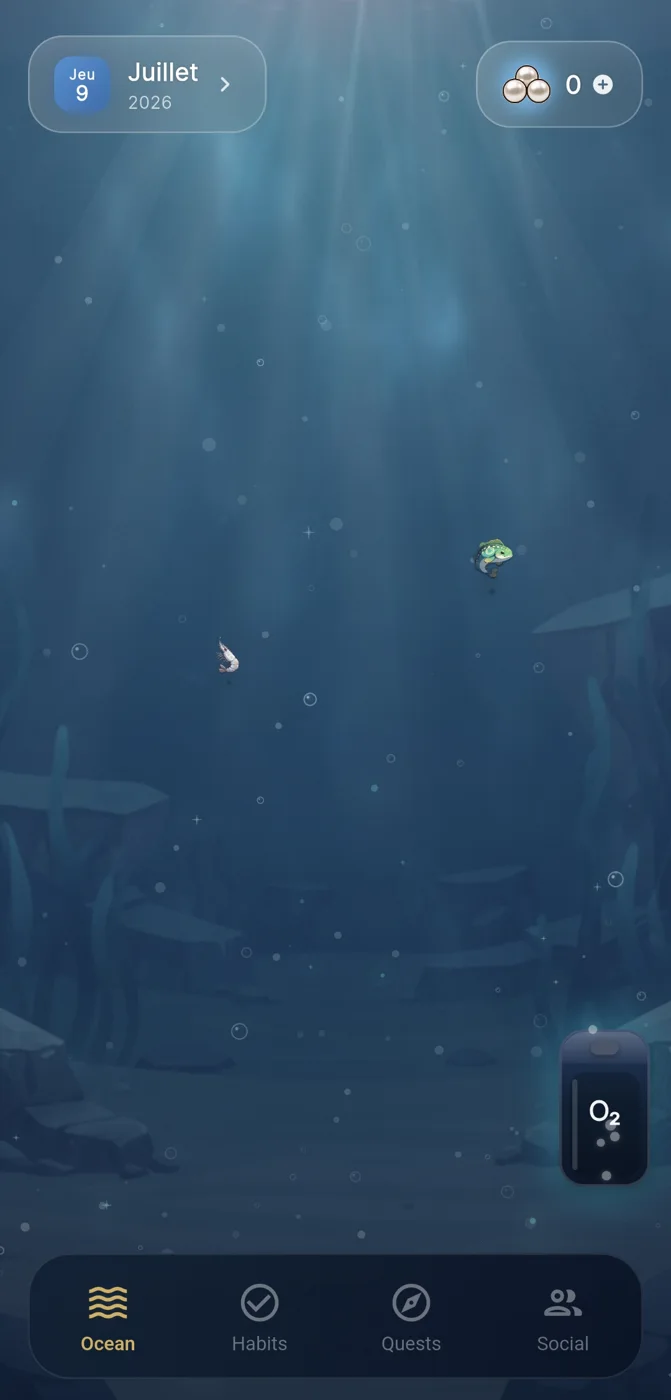
What an app to create habits actually needs to do
When people search for an app to create habits, they usually mean something narrower: a tool that helps a small, repeatable action survive contact with a busy week. The app itself doesn't build the habit; it just needs to make the action easy to log, easy to see, and easy to return to after a bad day. Anything beyond that is decoration.
The most useful design choice is keeping the target small. A habit that takes two minutes is far more likely to survive a chaotic Tuesday than one that requires thirty minutes of uninterrupted focus. Apps that encourage tiny, repeatable actions tend to produce more consistent logs over time than apps built around ambitious daily targets, simply because the smaller version is easier to resume.
Why visible progress changes how habits feel
A second design element worth checking is whether the app gives you something to look at. Streak counters, calendars, or growth-style visuals turn an abstract intention into something concrete you can glance at. This doesn't change your willpower, but it does reduce the mental effort of remembering whether you did the thing yesterday.
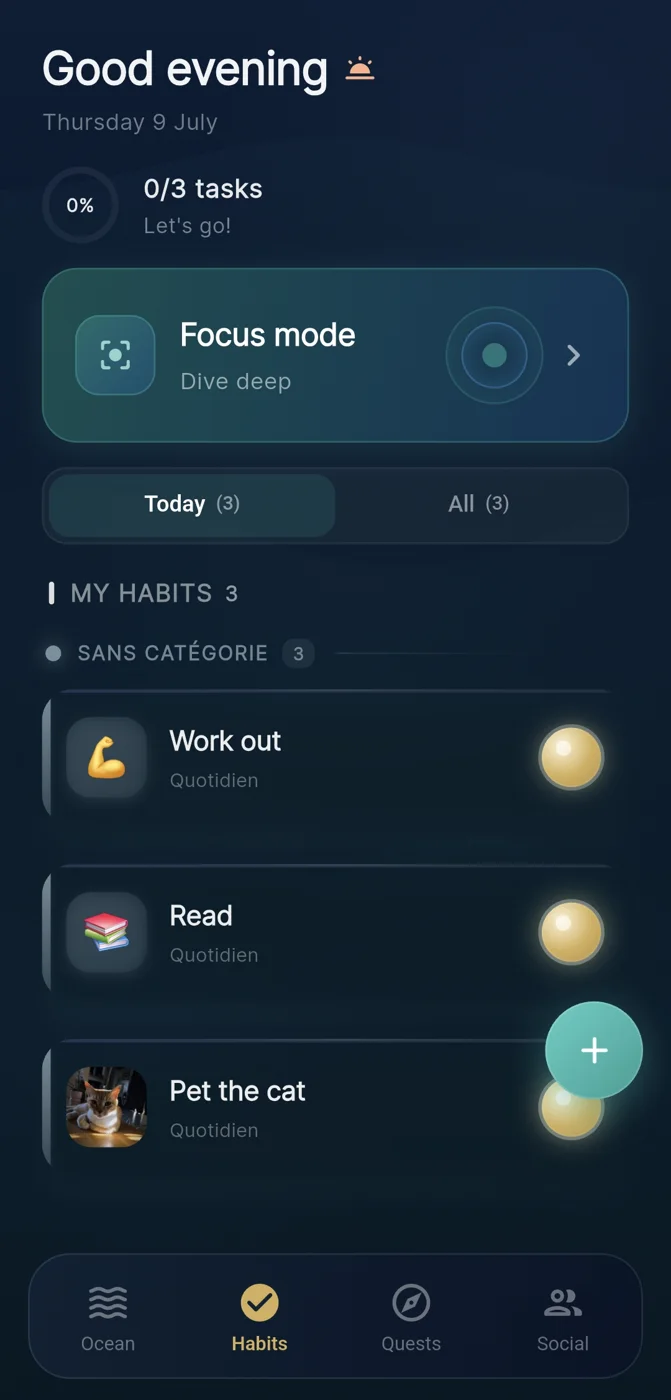
Reef, an IVRYN mobile habit tracker for iOS and Android, uses this idea directly: completing a habit releases a pearl that adds to a visual living ocean over time. The point isn't the animation itself, but that the visual record gives you a low-effort way to check your own consistency without re-litigating the day in your head every time.
Recovery after a missed day matters more than the streak
Almost everyone misses a day eventually, and how an app to create habits handles that moment says more about its design than any onboarding screen does. Apps that treat a missed day as a failure state, resetting a streak to zero with no context, tend to push people toward giving up entirely rather than just skipping one day and resuming the next.
A gentler approach acknowledges the gap without erasing the history that came before it, and makes it easy to log the habit again the next day without extra friction. This is a design principle, not a guarantee: no app can promise that you'll pick the habit back up, but it can avoid making that harder than it needs to be.
- Check whether a missed day resets all visible progress or just marks a gap
- Look for a low-friction way to log today's action without reviewing past misses
- Avoid apps that frame a single missed day as a failure
Where focus sessions fit alongside habit logging
Habit creation isn't only about daily check-ins; protecting a block of focused time is itself a common habit people want to build. Some apps combine habit logging with a focus-session feature, letting a block of concentrated work count as a completed action rather than tracking it separately.
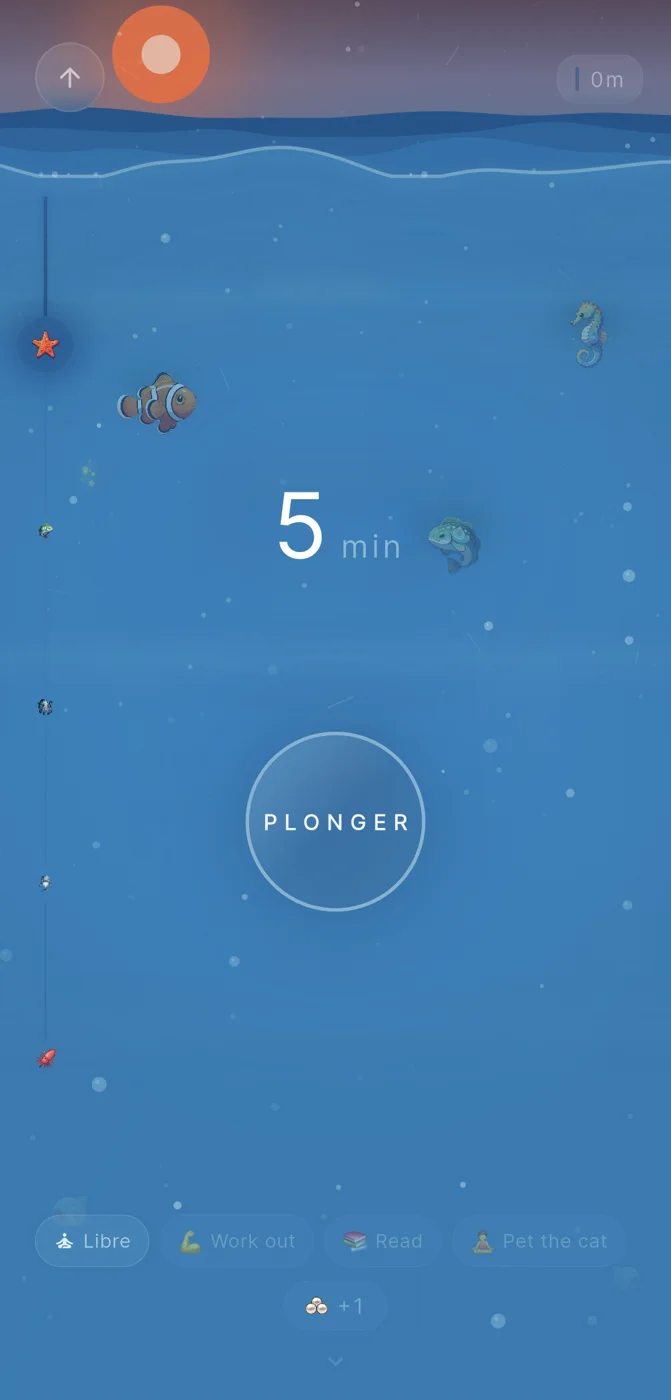
Reef frames this with a dive metaphor, where a completed focus session earns pearls in the same way a logged habit does. This is a structural choice worth noting if your goal is specifically to protect work or study blocks rather than just check off a daily task, since it ties two different kinds of consistency into one visible record.
Social accountability: useful for some, unnecessary for others
Many habit apps offer some form of shared or group accountability, and it's worth being clear-eyed about what this can and can't do. Sharing progress with others can add a light social nudge, but it depends entirely on who you're sharing with and whether that group is actually active and supportive.
Reef's social crews are explicitly optional, and the product does not claim that using them guarantees any particular behaviour or health outcome. That's a reasonable stance for any habit tool to take: social features can help some people stay consistent, but they're not a substitute for the habit being small and repeatable in the first place.
A worked example: choosing a habit to start with
Example only, not a personalised recommendation. Imagine someone wants to build a reading habit but has failed at it twice before, each time starting with a goal of 30 minutes a night. A more workable version, drawn from the small-repeatable-habit principle, might look like this: read for five minutes, log it the moment it's done, and check the visual record once a week rather than daily.
If a day is missed, the plan doesn't restart from zero; the person simply logs the next day's five minutes and moves on. After a few weeks, they might add a short focus session for reading a longer chapter, and optionally share the streak with one friend who reads too, purely for light encouragement rather than pressure. None of this guarantees the habit sticks, but it removes several common points of friction that cause habit apps to get abandoned.
- Start with the smallest version of the habit you can log honestly
- Check the visual progress weekly instead of obsessing daily
- Treat a missed day as a gap to log past, not a reset
Search query recap: app to create habits, in plain terms
Stripped of marketing language, an app to create habits is a logging and visibility tool. It works best when the habit itself is small, when progress is easy to see without effort, and when a missed day doesn't erase the record or discourage a restart. Focus-session features and social accountability can add value, but only as optional layers on top of that basic structure.
No app, including Reef, can promise a specific outcome or guaranteed behaviour change, and it's worth treating any claim to the contrary with skepticism. What you can reasonably evaluate before choosing one is whether its design principles match the ones described here.
Frequently asked questions
Does using a habit app guarantee I'll stick with a new habit?
No. Habit apps, including Reef, can make logging and progress more visible and reduce friction around missed days, but no app can guarantee a specific behaviour or outcome. Consistency still depends on the size of the habit and your own circumstances.
What should I look for if I keep missing days and losing motivation?
Look for an app that treats a missed day as a gap rather than a full reset, and that lets you resume logging immediately without extra steps. Starting with a smaller version of the habit also reduces how often you miss a day in the first place.
Are social or accountability features necessary in a habit app?
Not necessarily. Social features, such as Reef's optional crews, can add light encouragement for some people, but they don't guarantee results and aren't required for the app's core habit-logging function to work.
Sources and further reading
These resources provide the wider reference frame. Product statements on this page are limited to the public information provided by Reef.