 Reef
Reef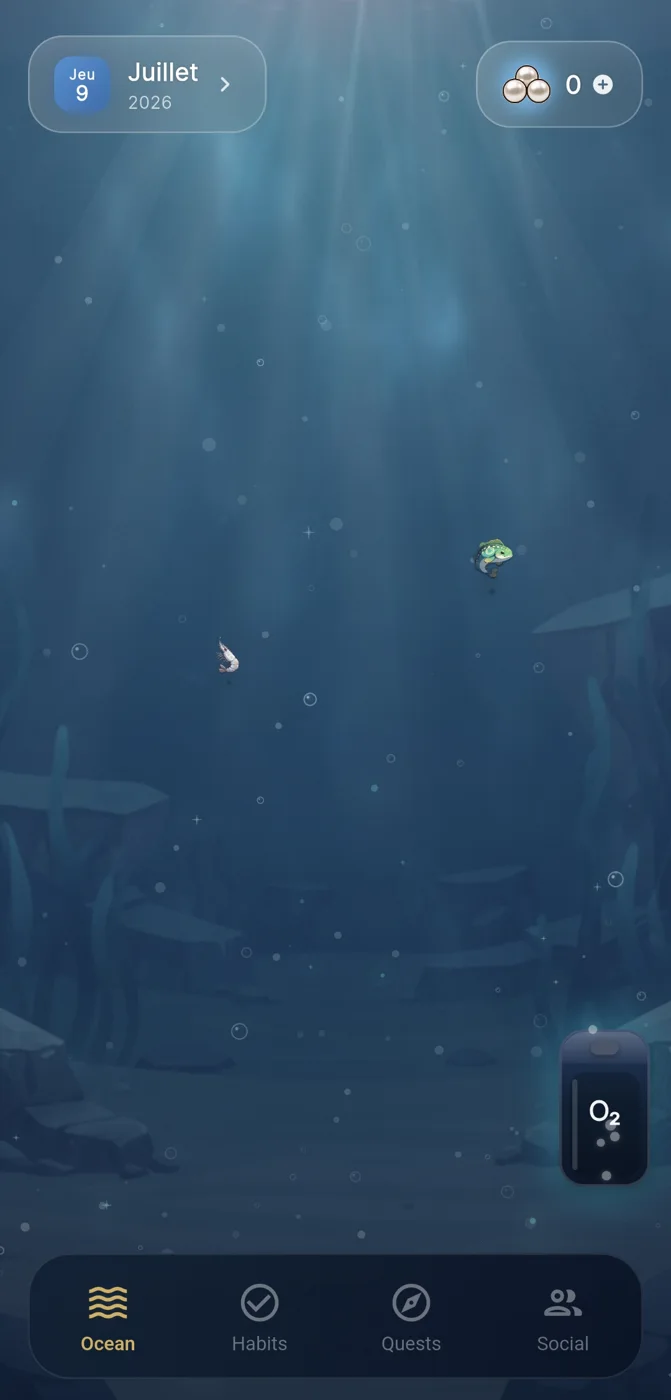

Why people search for an app to track bad habits
Most people who look for an app to track bad habits aren't chasing a gadget, they're trying to make an invisible pattern visible. Habits like late-night scrolling, skipped workouts, or impulsive spending tend to feel foggy in memory: you know something happens too often, but you can't say exactly when or why. A tracking app's real job is to turn that fog into a simple record you can look back on.
That reframing matters because it sets realistic expectations. An app can show you a pattern; it can't diagnose the cause or fix it for you. The value comes from consistent, low-friction logging paired with a way to notice trends over days and weeks, not from any single feature being especially clever.
- Look for logging that takes under 10 seconds
- Prioritize a clear history view over flashy stats
- Check that missing a day doesn't erase your record
What actually helps when trying to break a habit
The research-adjacent thinking behind most credible habit tools points to a few durable principles: keep the target behavior small and repeatable, make progress visible in some simple form, and build in a gentle way to recover after a missed day rather than treating a lapse as failure. These principles apply whether you're trying to add a habit or reduce one you consider unwanted.
For 'bad' habits specifically, the tracking app's role is often more about awareness than willpower. Seeing three days in a row logged as 'skipped workout' or 'late bedtime' can prompt a small adjustment before the pattern hardens further. This is different from an app enforcing a rule; it's closer to a mirror you check voluntarily.
Optional social accountability, when offered, works the same way in reverse: some people are motivated by a small group knowing they're trying, others find it adds pressure. Neither response is wrong, which is why it should be optional rather than required.
How Reef approaches this, and its limits
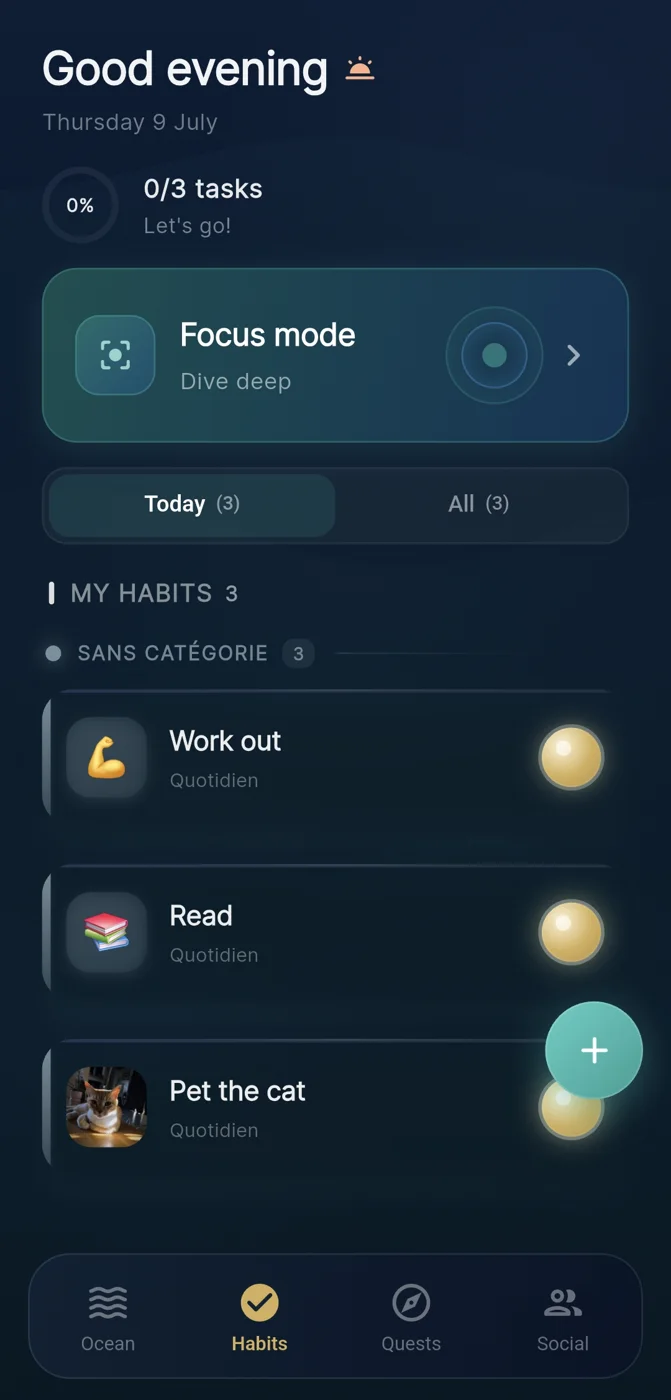
Reef is a mobile habit tracker for iOS and Android built around the idea that a completed habit should leave a small, visible trace rather than just a checkbox. In Reef's case, finishing a habit adds a pearl to an on-screen ocean scene that grows over time, giving the small repeatable actions described above a visual form instead of a raw streak number.
Reef also includes timed focus sessions framed around a dive metaphor, where staying focused for the session earns pearls in the same way. Crews, Reef's term for small accountability groups, are opt-in, and joining one is not required to use the habit or focus features.
It's worth being direct about the boundary here: Reef does not claim to guarantee any behavior or health outcome, and nothing in this article should be read as evidence that gamified tracking works better than plain tracking for a given person. The mechanics described are product features, not a tested intervention.
A worked example: choosing between two habit-tracking approaches
Example only, not a recommendation for a specific product or person. Imagine someone, call her Dana, wants to reduce nightly phone scrolling that eats into her sleep. She's deciding between (a) a plain notes-app tally and (b) a habit-tracking app with visual progress and optional social features.
With the plain tally, Dana logs 'scrolled past 11pm: yes/no' each day. It's frictionless but she notices she stops updating it after about a week because there's no feedback loop pulling her back in.
With a visual tracking app, the same yes/no log is paired with a small visible marker of streaks or missed days. Dana finds she checks the app once a day anyway, out of curiosity about the visual, which incidentally keeps the log current. She skips the social crew option because she doesn't want outside pressure on this particular habit.
The lesson from this hypothetical isn't that visual apps are objectively superior, it's that the right tool depends on what keeps a specific person returning to log honestly. That's a personal-fit question, not a features checklist.
- Decide upfront if you want any social visibility on this habit
- Test for one week whether you actually reopen the app
- Judge success by consistency of logging, not by streak length
A short checklist before you pick an app to track bad habits
Given the principles above, a practical checklist can cut through marketing language faster than reading feature lists. None of these questions require you to trust an app's claims, only to check what happens in your own use.
Run through each item honestly, ideally after a real trial period rather than just reading the app description.
- Does logging take a few seconds, even on a bad day?
- Is there a gentle way to resume after missing several days, without penalty?
- Is any social or sharing feature optional rather than forced?
- Does the app avoid promising a guaranteed outcome or timeline?
- Can you export or at least review your own history easily?
Limits worth keeping in mind
No tracking app, gamified or plain, is a substitute for addressing habits tied to health conditions, compulsive behavior, or mental health concerns; those situations warrant a conversation with a qualified professional rather than an app-based fix. This article is general information, not medical advice.
It's also worth remembering that visual rewards and streaks can motivate some people and feel like pressure to others. If a feature starts making you dread opening the app, that's a signal to adjust settings or drop the feature, not evidence that you're failing at the habit itself.
Frequently asked questions
Can an app really help break a bad habit on its own?
An app can make a pattern visible and support small, repeatable check-ins, but it doesn't address underlying causes on its own. It works best as a support alongside your own decisions, and for habits tied to health or compulsive behavior, a professional's input is more appropriate than relying on an app alone.
Is social accountability necessary for habit tracking to work?
No. Social accountability features help some people stay consistent and feel like unwanted pressure to others. A good habit-tracking approach lets you choose whether to involve other people, rather than requiring it.
What should I do if I miss several days of tracking?
Treat a gap in logging the same way you'd treat a missed habit: resume without penalty rather than restarting from zero or abandoning the app entirely. Tools that erase your history or shame missed days tend to discourage the honest, low-friction logging that makes tracking useful in the first place.
Sources and further reading
These resources provide the wider reference frame. Product statements on this page are limited to the public information provided by Reef.