 Reef
Reef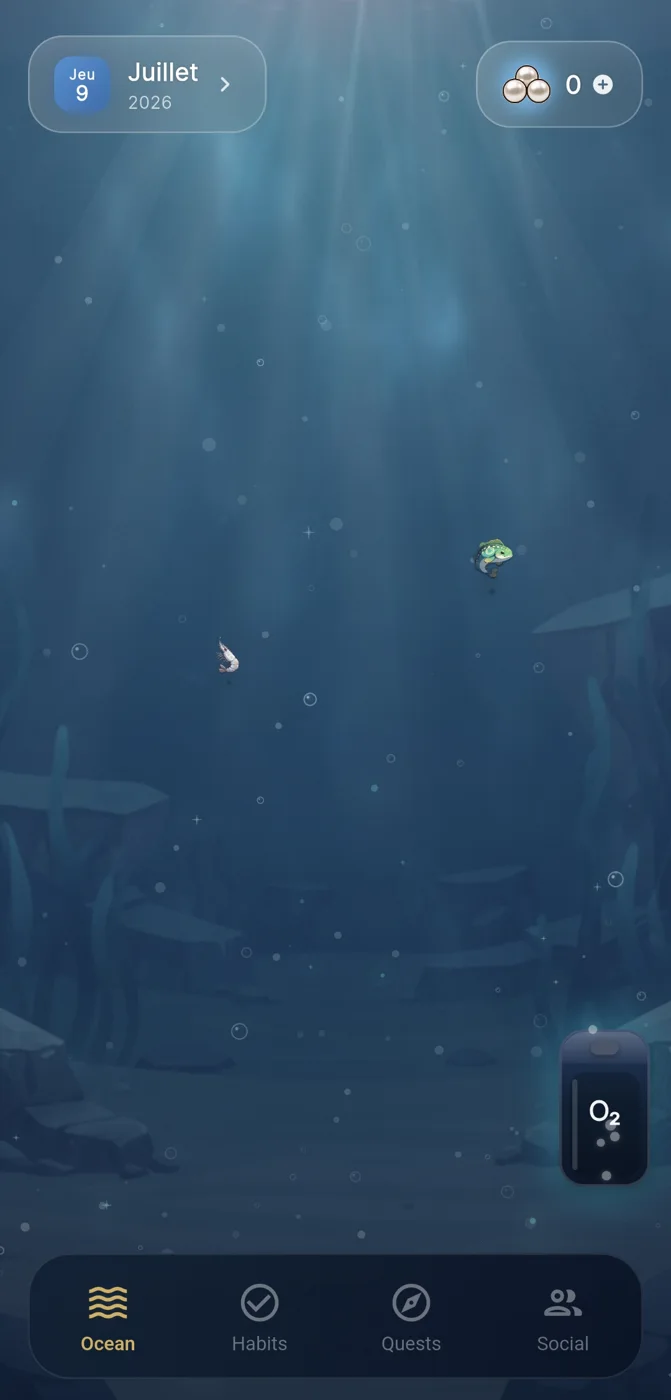
Why people search for a daily life hacks app
Most people who look for a daily life hacks app aren't chasing a single trick; they want a lightweight system that makes small repeated actions easier to keep up over weeks and months. The phrase 'life hack' suggests a shortcut, but the apps that actually help tend to do something less flashy: they turn an intention into a visible, repeatable action you can check on later.
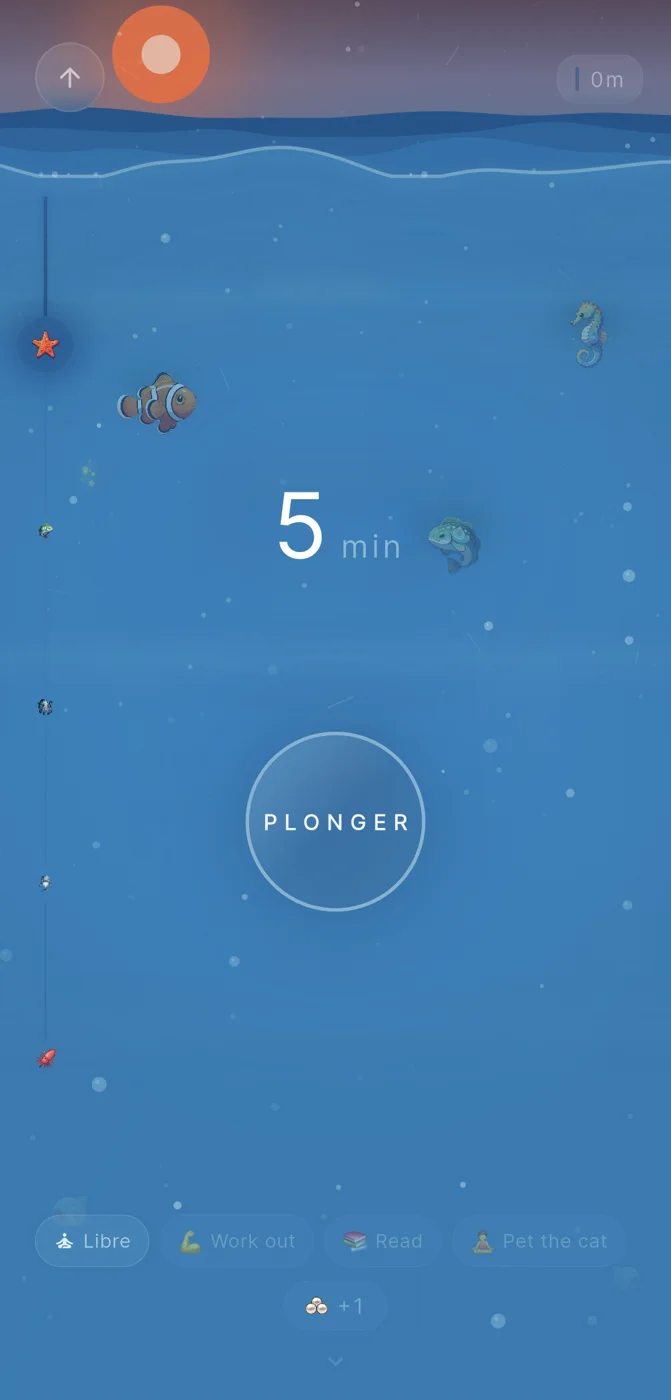
Before picking one, it helps to separate two different jobs an app might do. One is habit formation - reminding you, logging streaks, showing progress over time. The other is focus protection - helping you carve out uninterrupted blocks to actually do the thing you're tracking. Some apps do only one of these well, so knowing which problem you're solving first will narrow the field faster than reading feature lists.
- Are you trying to build a habit, protect focus time, or both?
- Do you want private tracking, or are you open to optional social accountability?
- How will the app handle a missed day without making you want to quit?
Small repeatable habits beat big ambitious ones
The core idea behind most credible habit design is that small, repeatable actions are easier to sustain than large, occasional ones. A five-minute stretch you actually do most days changes more than an hour-long routine you do twice and then abandon. Apps built around this principle usually let you define the smallest version of a habit, log it quickly, and see that log accumulate into something visual over time.
This matters for anyone evaluating a daily life hacks app: look for whether the app makes it easy to shrink a habit down to something realistically repeatable, rather than pushing you toward ambitious daily targets that quietly set you up to fail. The design should treat consistency, not intensity, as the measure of success.
Making progress visible without overpromising
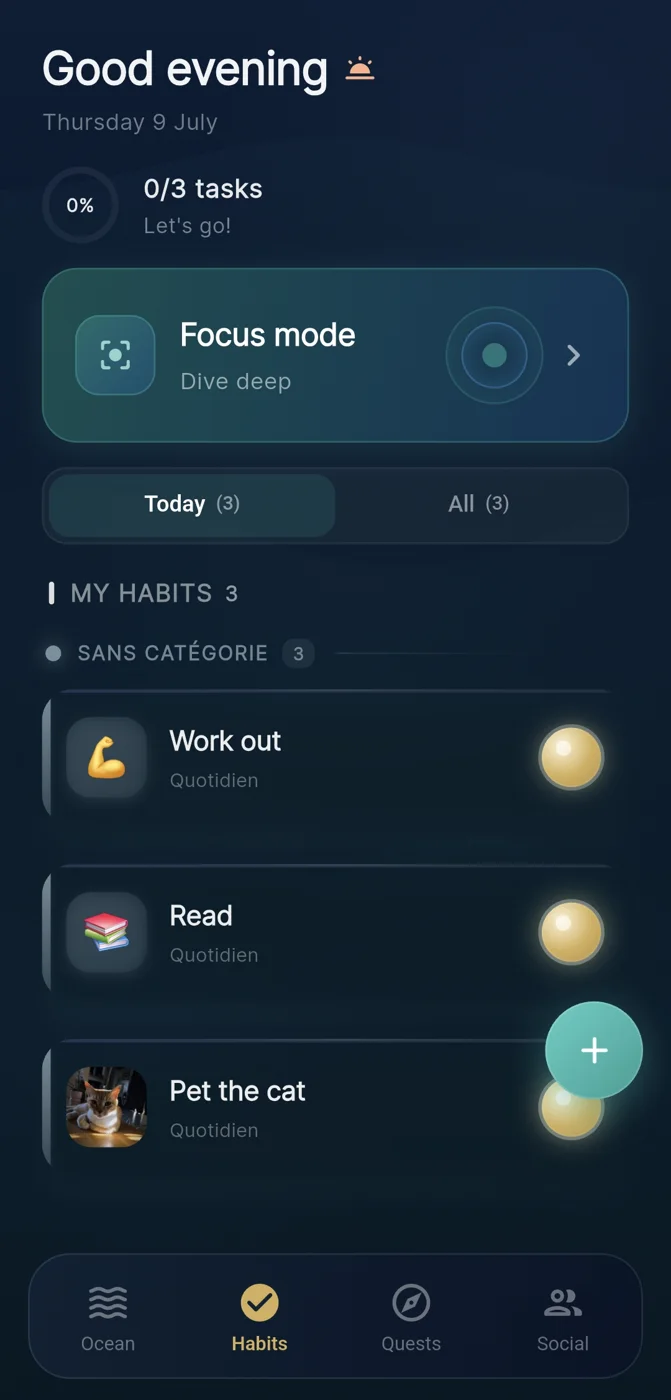
Visible progress is one of the more useful things a habit app can offer, because it gives you feedback that's otherwise easy to lose track of in daily life. Reef, an IVRYN mobile habit tracker for iOS and Android, approaches this by turning each completed habit into a pearl that adds to an ongoing visual scene, so the record of what you've done accumulates somewhere you can actually see it rather than living only in memory.
It's worth being clear about what this kind of visual feedback can and can't do. Seeing progress represented visually can make consistency feel more tangible, but no app - Reef included - can guarantee a behaviour change or health outcome. The visual layer is a memory and motivation aid, not a promise about results, and treating it as anything more than that sets up unrealistic expectations.
Gentle recovery after missed days
Almost everyone misses a day at some point, and how an app responds to that moment matters more than how it handles a perfect streak. Rigid streak-based systems that reset to zero after one missed day can turn a minor lapse into a reason to abandon the habit entirely. A gentler approach - one that acknowledges the gap without erasing all prior progress - tends to support longer-term consistency because it doesn't punish normal, human inconsistency.
When comparing daily life hacks apps, it's reasonable to ask specifically how each one handles a missed day: does it shame you with a broken streak counter, or does it let you pick back up without losing the sense of accumulated effort? This single design choice often predicts whether people stick with an app for months or delete it after the first bad week.
- Check whether missed days reset all visible progress or just pause it
- Look for language around 'recovery' rather than only 'streaks'
- Consider whether the app frames a missed day as failure or as normal
Where optional social accountability fits
Some habit apps add a social layer - shared groups, crews, or accountability partners - and this can help certain people stay consistent, particularly for habits that benefit from external visibility. Reef offers this through optional social crews, which are not required to use the core habit and focus features and don't come with any claim that group participation changes outcomes on their own.
The key word is optional. A daily life hacks app that requires social participation can create pressure that works against the calm, repeatable design principles that make habits sustainable in the first place. If you're evaluating an app, it's worth checking whether social features are genuinely opt-in, and whether the private, solo experience is complete on its own without them.
A worked example: choosing an app for a modest morning routine
Here's a hypothetical to make this concrete. Imagine someone wants to build a five-minute morning routine - stretching, a glass of water, and writing one line in a journal - and is deciding what to look for in an app to support it. This is an illustrative example, not a case study or reported outcome.
First, they'd check whether the app lets them log three separate small habits without requiring a big combined ritual. Second, they'd look at what happens if they miss a morning - does the app quietly note the gap and let them resume, or does it reset a streak counter to zero? Third, they'd decide whether they want anyone else to see this routine at all; if not, they'd confirm the app works fully without joining a group or crew. An app like Reef, built around small completions releasing a pearl into a visual ocean, would fit this use case only if the person finds that visual metaphor genuinely motivating - some people do, others prefer plainer logs, and that preference is worth testing for a week before committing further.
- Step 1: List the smallest version of each habit you want to track
- Step 2: Ask how the app handles a missed day before you download it
- Step 3: Try it solo first; add social features later only if wanted
Setting realistic expectations for a daily life hacks app
It's tempting to expect a single app to solve inconsistency on its own, but the more honest framing is that these tools remove friction and add visibility - they don't manufacture motivation from nothing. The habits still have to be small enough to be realistic, and the person still has to show up most days for any tracking system to have something to show.
Treat any daily life hacks app, Reef included, as a support structure rather than a guarantee. If a habit consistently feels impossible even with a good tracking system, that's often a sign the habit itself needs to shrink further, not that the app has failed.
Frequently asked questions
What makes a daily life hacks app actually help with consistency rather than just tracking?
Apps that support consistency tend to let you shrink habits to a realistically small size, show progress visually so effort doesn't disappear from memory, and respond gently to missed days instead of resetting all progress. Tracking alone, without these design choices, often just adds another thing to keep up with.
Should a habit app require social accountability to be effective?
No - social accountability can help some people, but it should be optional. Habits are easier to sustain when the core tracking and focus features work fully on their own, so a person can add group or social elements later only if they find that motivating, without feeling pressured to share progress.
How should a habit app handle a missed day?
A good habit app treats a missed day as a normal pause rather than a failure that erases prior progress. Look for apps that let you resume without losing accumulated history, since rigid streak resets often discourage people from continuing after one lapse.
Sources and further reading
These resources provide the wider reference frame. Product statements on this page are limited to the public information provided by Reef.