 Reef
Reef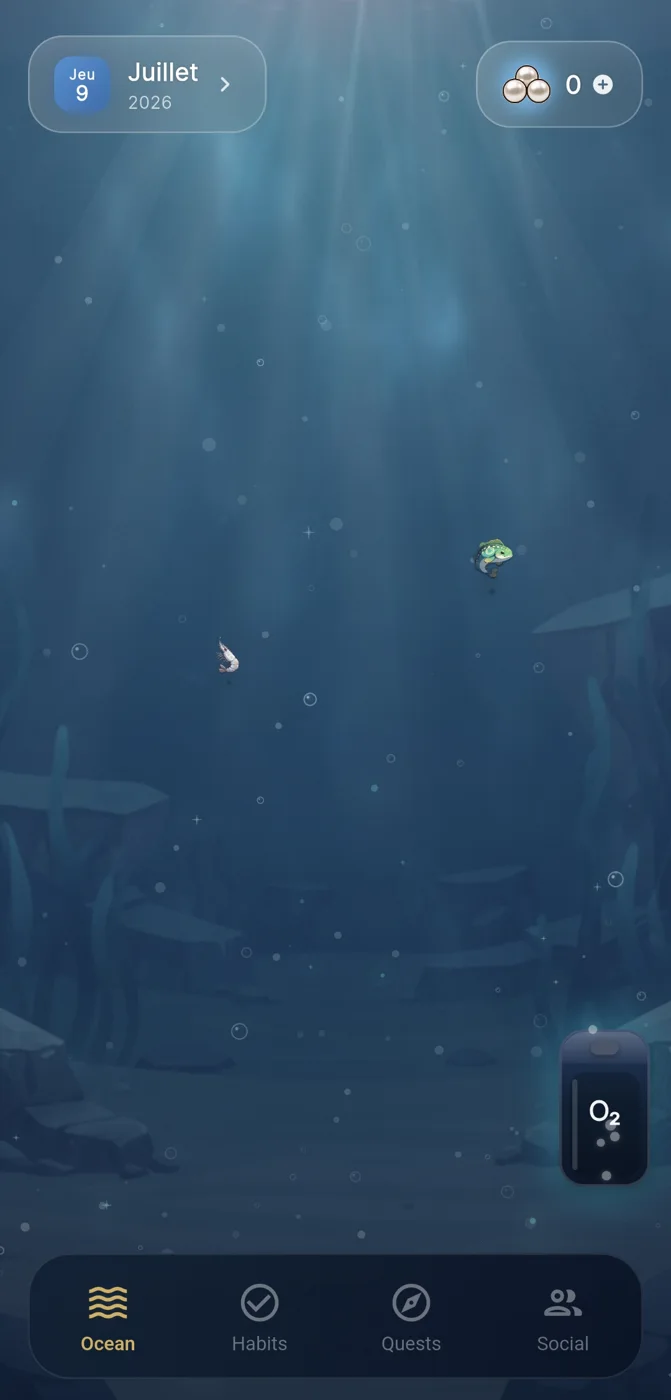
What a routine maker online app is actually for
When people search for a routine maker online app, they're usually not looking for a productivity philosophy - they're looking for a place to put a short list of repeatable actions and see whether they're actually doing them. That's a narrower job than it sounds. The app's role is to record and reflect behaviour, not to perform it for you. Anything that promises otherwise is overselling a scheduling tool.
The useful version of this software does three things well: it makes it easy to log a small action in a few seconds, it shows a pattern over days or weeks so you can see what's real rather than what you remember, and it doesn't punish you so harshly for a missed day that you abandon the whole system. Everything else - themes, badges, social feeds - is secondary to those three jobs.
Small, repeatable habits beat ambitious routines
The most reliable pattern in habit design writing is that small, clearly-bounded actions get repeated more consistently than large, vague ones. 'Read for five minutes' survives a busy week in a way that 'read more' does not, because it's obvious whether you did it, and doing it doesn't require finding a large block of free time.
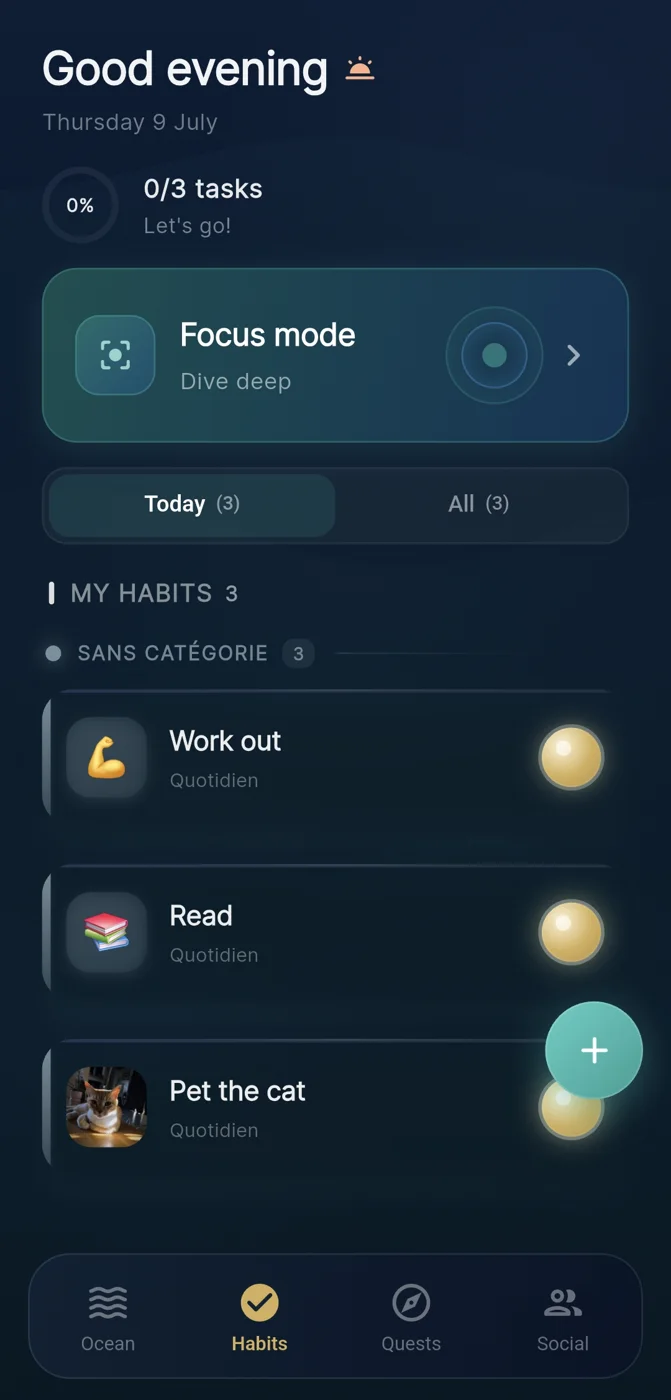
A routine maker online app should make it easy to define habits at this granularity, and to adjust them downward without guilt. If an app only lets you set ambitious daily goals with no easy way to scale them back, it's working against the behaviour it claims to support. Look for flexible frequency settings (a few times a week rather than every day) and a quick-edit path, not just a quick-add one.
Visible progress and why it has to stay honest
A core reason people adopt these apps is to make invisible effort visible - a streak, a calendar grid, a chart. This matters because human memory of consistency is unreliable; a visual record settles the question of whether a habit is actually sticking.
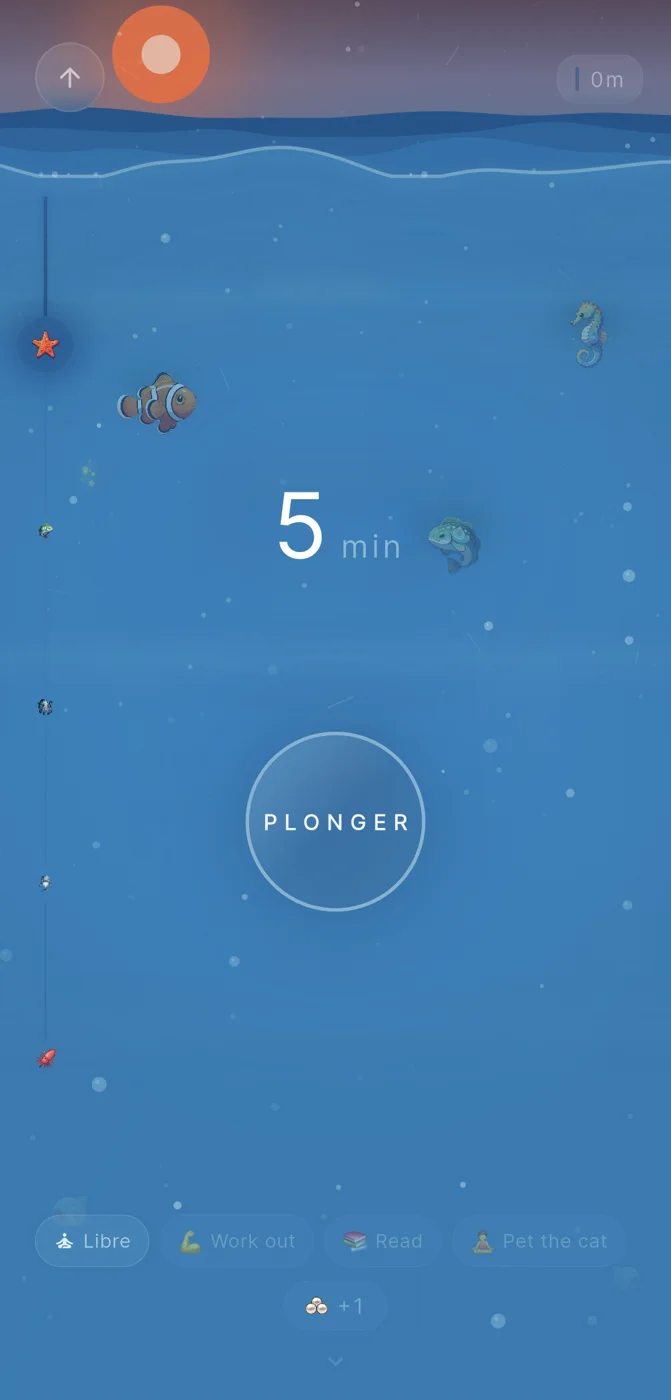
Reef, an IVRYN mobile habit tracker for iOS and Android, approaches this by turning each completed habit into a pearl that adds to a living ocean scene you build up over time, and by framing focused work sessions as 'dives' that also earn pearls. It's a way of making a log feel less like a spreadsheet, but the underlying mechanism is still just recording and displaying completions - it doesn't change how hard the habit is to do.
Whatever visual system an app uses, the honest question to ask is whether the display reflects real completions or can be gamed by tapping through logs without doing the work. A routine maker online app that lets you review or edit your own history is one that respects your accuracy over your streak.
Protecting focus time inside a routine app
Many routines include work or study blocks, and some routine maker apps bundle a focus or timer feature alongside habit logging. This can be genuinely useful because it keeps the 'did I do the thing' record and the 'did I protect the time' record in one place, instead of switching between a habit app and a separate timer app.
In Reef's case, this shows up as the dive-metaphor focus sessions mentioned above, which reward completed focus time with pearls in the same visual system as habits. The practical benefit isn't the metaphor itself - it's that a completed focus block becomes one more data point in your overall consistency picture, rather than something that disappears once the timer stops.
Recovery after a missed day matters more than the streak
Almost every habit tracker will eventually show you a broken streak, and how the app - and you - handle that moment says more about long-term success than any single day's log. A well-designed routine maker online app treats a missed day as information, not a failure state: it should let you resume the next day without resetting everything to zero in a way that feels punishing.
This is a design principle worth checking before you commit to an app: does it offer a gentle way back in (a 'freeze' day, a soft reset, or simply a chart that keeps last week's context visible) or does it only show a stark broken streak with no path forward? The former supports the behaviour you're trying to build; the latter tends to produce all-or-nothing abandonment.
Deciding whether social accountability helps or distracts
Some routine apps add optional groups or crews so friends can see each other's consistency. This can help some people stay honest, and can feel like unwanted pressure to others - there's no universal answer, which is why it should stay optional rather than mandatory.
Reef includes social crews as an optional layer on top of its habit and focus tracking, and it does not claim that using them, or the app generally, guarantees any particular behaviour or health outcome. That's a reasonable limit to expect from any routine maker online app: it can support a routine, but it can't guarantee you'll follow one.
- If accountability from others motivates you, look for opt-in groups rather than public-by-default sharing
- If social visibility adds pressure, confirm you can use the core tracking features entirely privately
A worked example: testing a routine maker app for two weeks
Here is one illustrative way to evaluate any routine maker online app, including Reef, without over-committing. This is a hypothetical example, not a reported result.
Example: Pick three small habits (e.g., a two-minute stretch, a five-minute read, and a ten-minute focus block), set them at a realistic frequency such as five days a week rather than daily, and use the app's visual log as the only source of truth for two weeks. At the end, ask three questions: Did logging take under ten seconds each time? Did the visual record match what you remember doing? And after any missed day, did you return to the routine within 48 hours, or did the whole thing stall? Those three answers tell you more about fit than any feature list.
- Set 2-3 small, specific habits at a modest frequency
- Log daily for two weeks using only the app's record as your reference
- Check ease of logging, accuracy of the visual record, and recovery speed after a miss
Frequently asked questions
What should I look for first in a routine maker online app?
Prioritise how quickly you can log a habit and how easily you can scale a goal down, since apps that only support ambitious daily targets tend to get abandoned faster than ones that support small, adjustable actions.
Can a routine maker app guarantee I'll build a new habit?
No responsible app can guarantee behaviour change; these tools record and visualise your actions, which can support consistency, but the repeated action still has to come from you.
How should a routine app handle a missed day?
Look for a gentle recovery design - such as a soft reset or a view that keeps recent context visible - rather than a stark broken streak with no easy way back in, since punishing displays tend to discourage people from resuming.
Sources and further reading
These resources provide the wider reference frame. Product statements on this page are limited to the public information provided by Reef.