 Reef
Reef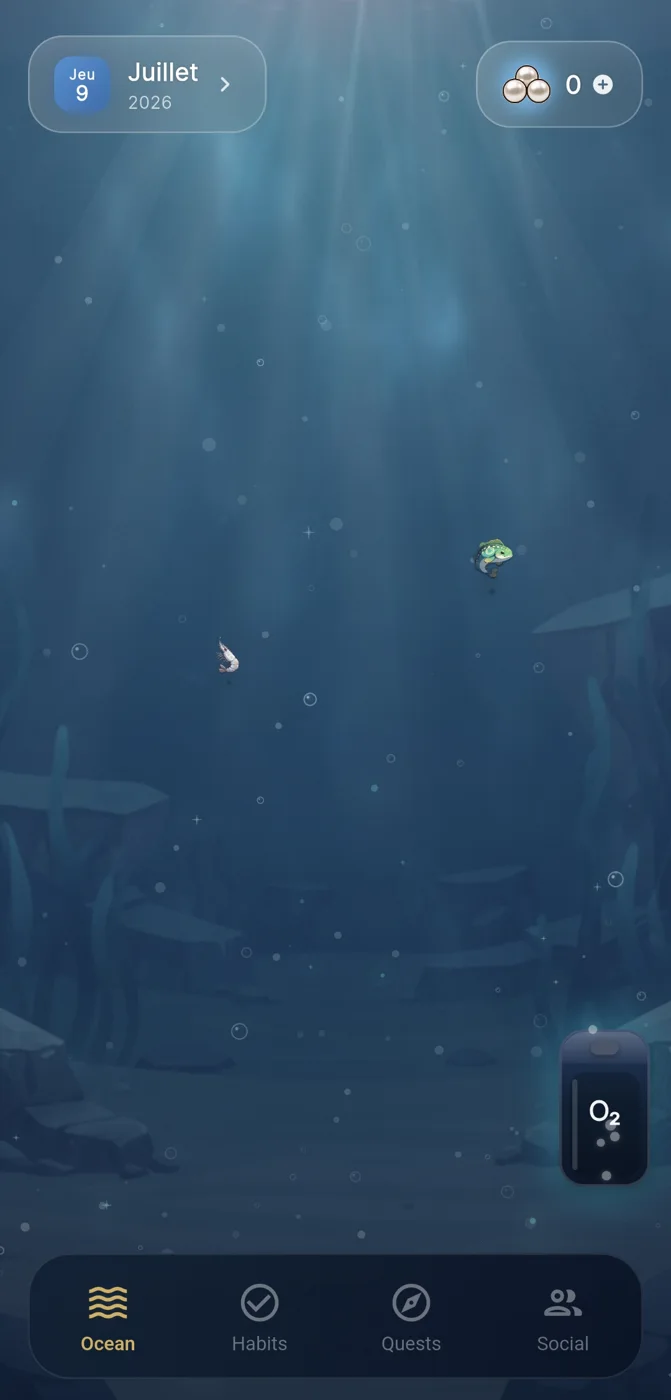
What a habit tracker video game actually is
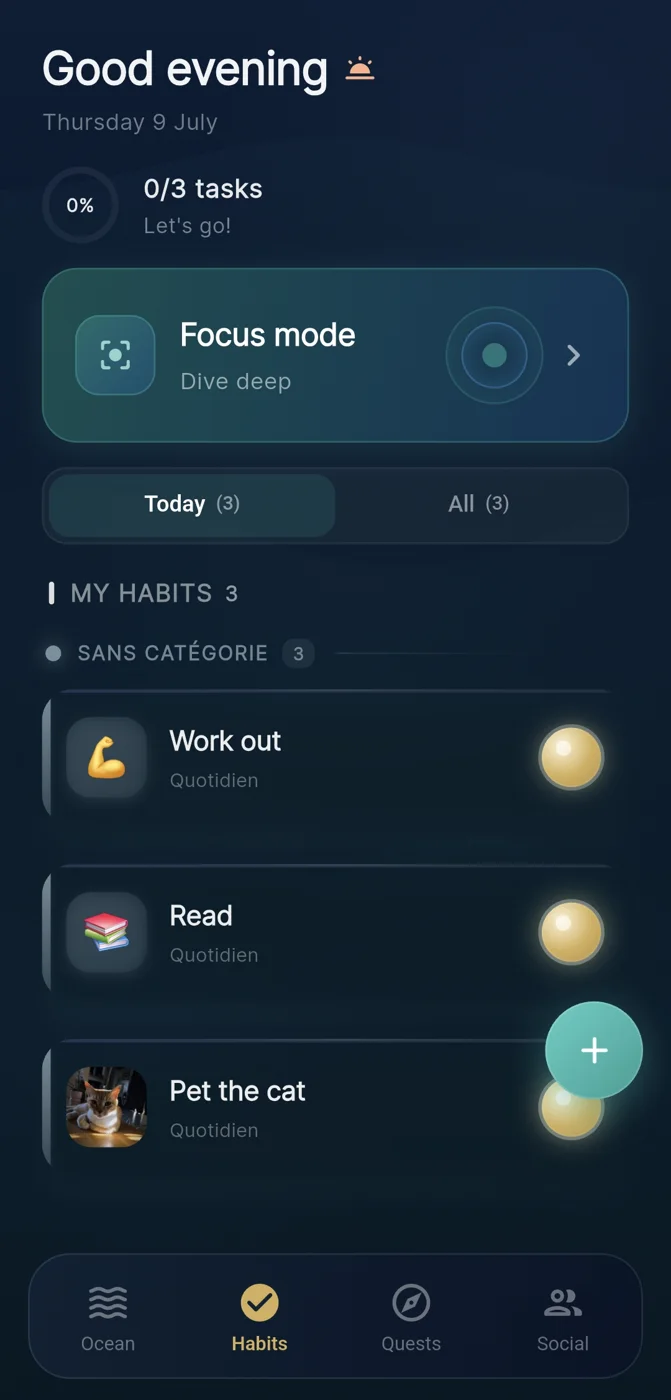
A habit tracker video game is a habit app that borrows game mechanics such as collections, levels, streaks, companions or a world that changes as you act. The underlying job stays the same as any tracker. You decide on a small action, repeat it, and record that you did it. The game layer only changes how that record looks and feels.
That distinction matters before you install anything. A game layer can make a plain checklist more pleasant to open, but it cannot choose good habits for you or make a poorly sized goal easier. The useful question is not whether an app looks fun. It is whether its mechanics reward the behaviour you actually want to repeat, and whether they stay helpful on the days you fall short.
This article is written by Reef, an IVRYN habit tracker for iOS and Android that uses an ocean theme. The advice below is general guidance on judging game mechanics. It is not a claim that any app, including Reef, produces a particular result.
Mechanics that reward the habit rather than the screen
The strongest game mechanics are tied directly to a completed real-world action. If a reward appears only after you have read, stretched or studied, the game points back to the habit. If rewards come from opening the app, tapping daily bonuses or chasing unrelated quests, the game can quietly become the goal while the habit drifts.
Visible progress is the second thing to look for. A tracker that shows accumulation over weeks lets you see consistency that a single checkbox hides. For example, in Reef each finished habit adds a pearl to an ocean that fills in over time, so the record of repetition is something you can look at rather than a number you have to remember.
Size also matters more than the theme. Game rewards work best on habits small enough to complete on a tired day. A two-minute version of a habit that earns a reward reliably is usually more useful than an ambitious one that earns nothing most of the week.
How a habit game should treat a missed day
Missed days are where many gamified trackers become discouraging. A long streak that resets to zero can feel like losing a saved game, and that feeling sometimes leads people to abandon the habit altogether rather than start again the next morning.
Look for recovery mechanics that soften this. Options include a way to protect a streak on an occasional off day, progress that is kept even when a streak breaks, and feedback that notes the miss without blame. Reef, for instance, offers a streak freeze and a shrimp companion called Gambi who reacts to missed days without guilt.
Recovery features are not a loophole. They exist because returning after a gap is part of building a routine, and an app that punishes the gap can work against the return it is supposed to encourage.
Focus sessions and social features: useful, but optional
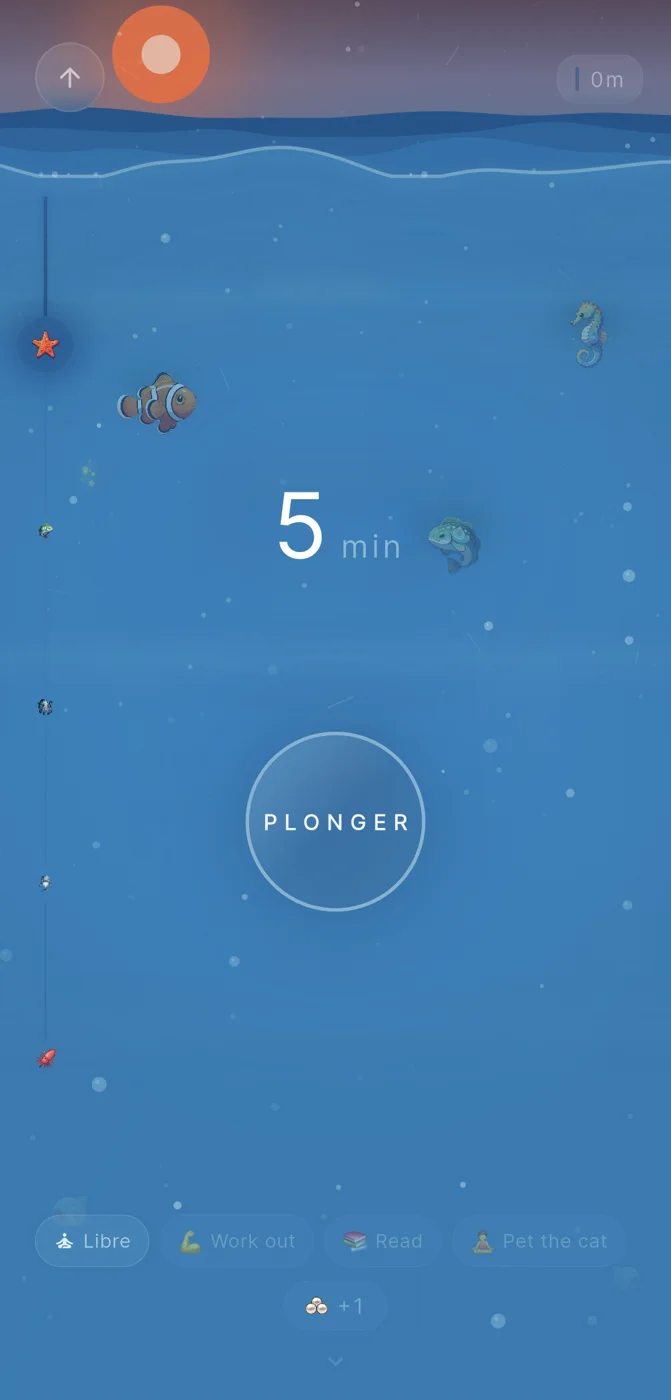
Some habit games extend beyond daily check-ins into timed focus sessions. These can help when the habit itself is deep work or study, because the game rewards staying with a task rather than simply ticking it off. Reef frames focus time as a dive, where a longer session reaches deeper zones and finished sessions earn pearls.
Social features are a separate decision. Shared groups or crews can add a sense of accountability, and some people find that seeing others show up helps them show up too. Others find public progress stressful or competitive. A good habit tracker video game lets you use social features when they help and ignore them entirely when they do not.
Before joining a group, consider what you want to share. A private record of effort and a public scoreboard serve different purposes, and you can move between them over time.
The limits that still apply
No game mechanic guarantees a change in behaviour or health. Rewards can make repetition more visible and more pleasant, but the outcome still depends on the habit, your circumstances and many factors an app cannot see. Treat any app that promises transformation with caution. If a habit relates to a medical condition, diet or mental health, the app is a tracking aid and not a substitute for professional advice.
Novelty also fades. Collections and unlockables are most motivating early on, and their pull may weaken once you have seen most of what the game offers. That is not a failure. It is a reason to rely on the habit being small and meaningful rather than on the game alone.
Finally, check the practical terms: whether there is a free way to start, whether ads interrupt the experience, and what happens to your data. Reef is free to start, shows no ads and does not resell data, and its methodology page explains how it approaches habit design. Terms for other apps change over time, so read their current policies directly.
Example: a decision checklist before you commit
Example only, a hypothetical reader. Sam wants to read more and is considering a habit tracker video game. Sam picks one small habit, reading five pages, and tries the app for two weeks before adding anything else. At the end, Sam answers the questions below honestly rather than judging the app on how attractive it looked on day one.
If most answers are yes, the game layer is probably supporting the habit. If several are no, a simpler tracker or a smaller habit may serve Sam better. The same checklist applies to any app you are considering.
- Do rewards appear only after the real action is done?
- Is the habit small enough to complete on a bad day?
- Can you see progress accumulate across weeks, not just today?
- After a missed day, did the app make returning easier or harder?
- Are social features optional, and do you control what is shared?
- Can you start for free, without ads, and with clear data terms?
- Would you still do the habit if the game stopped feeling new?
Frequently asked questions
What is a habit tracker video game?
A habit tracker video game is an app that records repeated real-world actions, such as reading or exercise, and presents that record through game mechanics like collections, streaks, companions or an evolving world. The habit itself stays the same; the game layer changes how progress is shown and rewarded.
Can a gamified habit tracker guarantee that I build a habit?
No. Game mechanics can make repetition more visible and more enjoyable, but no app can guarantee a behaviour or health outcome. Results depend on choosing a small, meaningful habit and on personal circumstances. For health-related goals, an app is a tracking aid and not a replacement for professional advice.
What should a habit game do when I miss a day?
A well-designed habit game should make it easy to return after a missed day. Helpful features include a way to protect a streak on an occasional off day, progress that is kept when a streak breaks, and feedback that acknowledges the miss without blame, so a single gap does not become a reason to quit.
Sources and further reading
These resources provide the wider reference frame. Product statements on this page are limited to the public information provided by Reef.