 Reef
Reef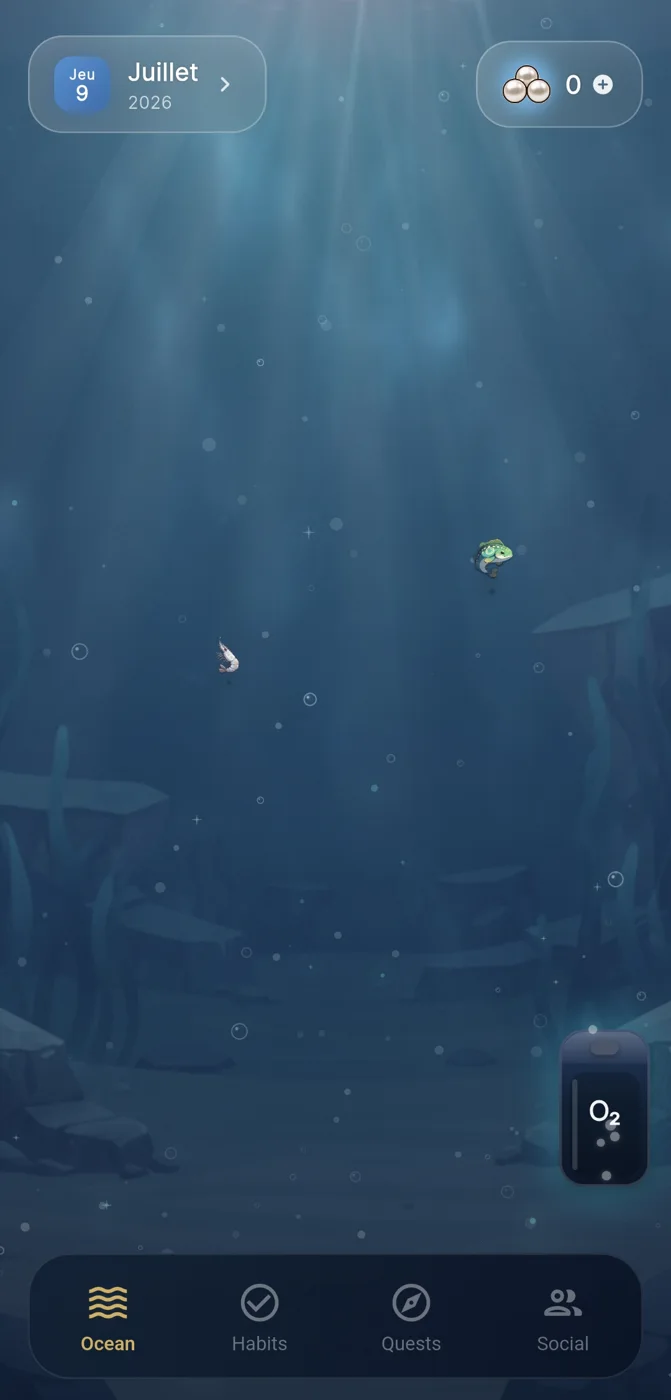
What a habit tracker for drinking water can do
A habit tracker for drinking water is a way to notice whether you completed a routine you chose, such as filling a glass at breakfast or bringing a bottle to your desk. Its value is usually practical rather than magical: it creates a small moment of awareness, gives the action a place in the day, and makes a pattern easier to see over time.
The tracker is not a substitute for personal judgement, medical guidance, or an automatic solution to hydration. Needs and routines vary with a person's circumstances. Before using any tracking method, decide what action is realistic and meaningful for you instead of treating a streak, reminder, or visual reward as proof that a plan is right.
- Choose one clear action to mark complete.
- Connect it to an existing moment, such as breakfast or a work break.
- Treat missed entries as information about the routine, not as failure.
How to choose a drinking-water action worth repeating
The most useful starting point is a behaviour you can recognize without debate. “Drink more water” is broad; “drink a glass after brushing my teeth” is easier to remember and record. A small, repeatable action lowers the friction of beginning and gives you a concrete opportunity to adjust the plan.
Make the action fit the environment where it must happen. If water is not nearby, the useful first step may be placing a bottle where you work or preparing a glass before bed. A tracker can show that the action was not completed, but it cannot remove a practical obstacle on its own.
Avoid turning the tracker into an argument with yourself. If a target feels difficult to sustain, reduce its size, change its cue, or reconsider whether it belongs in this season of your life. Visible progress should support reflection, not pressure.
- Define the action in one sentence.
- Choose a reliable cue.
- Make the needed item easy to reach.
- Review the plan after a missed day before increasing the goal.
Using visible progress without making it a scoreboard
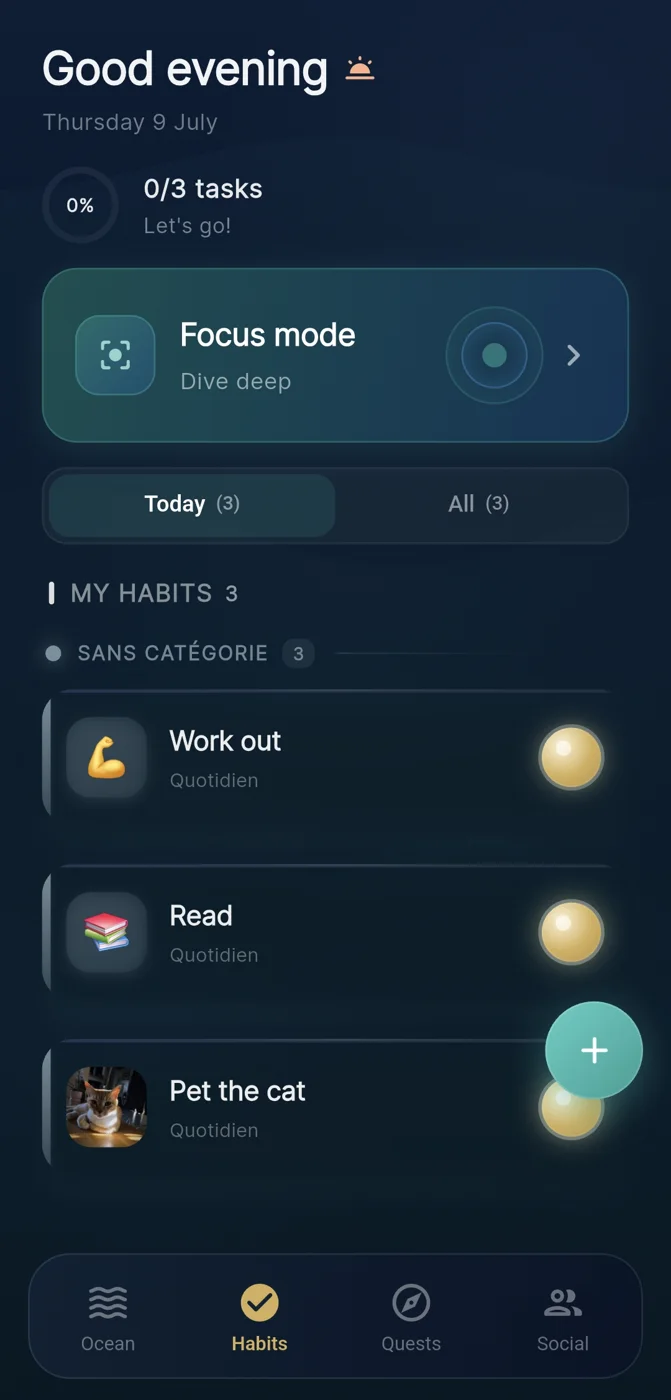
Visual feedback can make a repeated action feel more tangible. In Reef, checking off a chosen habit adds a pearl to a growing ocean scene. For someone tracking drinking water, that can provide a gentle record that an intended action happened while keeping attention on the broader rhythm of practice.
The important limit is that a visual reward represents a logged completion, not a verified health result or a guarantee of future behaviour. It can be motivating for some people and less relevant for others. Use the display as a prompt to notice consistency and context, rather than as a score of personal worth.
Reef is an IVRYN habit-tracking app for iOS and Android. Its ocean-based progress system is one way to make routine actions visible; it does not claim to produce a particular behaviour or health outcome.
- Look for patterns across days rather than chasing perfection.
- Notice which cues lead to easy completions.
- Pause or simplify the habit if tracking starts to feel burdensome.
Gentle recovery after missed drinking-water days
Missed days are expected in any repeated routine. Travel, illness, schedule changes, forgotten supplies, and competing responsibilities can all interrupt an otherwise workable plan. A useful tracker practice is to return to the next available opportunity instead of trying to compensate with an unrealistic rule.
Recovery works best when it asks a small question: what made the intended action harder today? The answer may point to a better cue, a more convenient bottle, fewer daily check-ins, or a smaller starting habit. This turns a gap into an adjustment rather than a verdict.
Do not use a missed entry to make claims about your health, discipline, or ability to change. A tracker only captures what was recorded. It cannot explain every reason behind a pattern, and it cannot promise that logging will make the habit stick.
- Resume at the next planned cue.
- Change one obstacle at a time.
- Keep the next step smaller than the urge to “catch up.”
Example decision aid: a two-week water-tracking trial
Example: Maya wants a calmer way to remember water during her afternoon work block. Rather than setting several targets at once, she chooses one action: fill and drink a glass when she starts her afternoon break. For two weeks, she marks the action only when it happens and briefly notices what affected it.
At the end of the trial, Maya does not ask whether the app transformed her habits. She asks whether the cue was easy to recognize, whether the action fit her schedule, and whether the visual record helped her return after interruptions. If the answer is mostly no, she can revise the cue or choose a different routine.
This example is a planning tool, not evidence that a particular result will occur. The goal is to make an informed, low-pressure decision about whether tracking supports this specific repeated action.
- Week 1: use one cue and one action.
- After any miss: note the obstacle in a few words.
- Week 2: keep the plan unchanged unless an obstacle is obvious.
- Review: continue, simplify, change the cue, or stop tracking.
Optional accountability and protected attention
Some people find it useful to share a routine with others, while others prefer to keep it private. Reef includes optional social crews, so accountability can be chosen rather than assumed. A crew may create a reason to check in, but it cannot guarantee participation, encouragement, or a particular outcome.
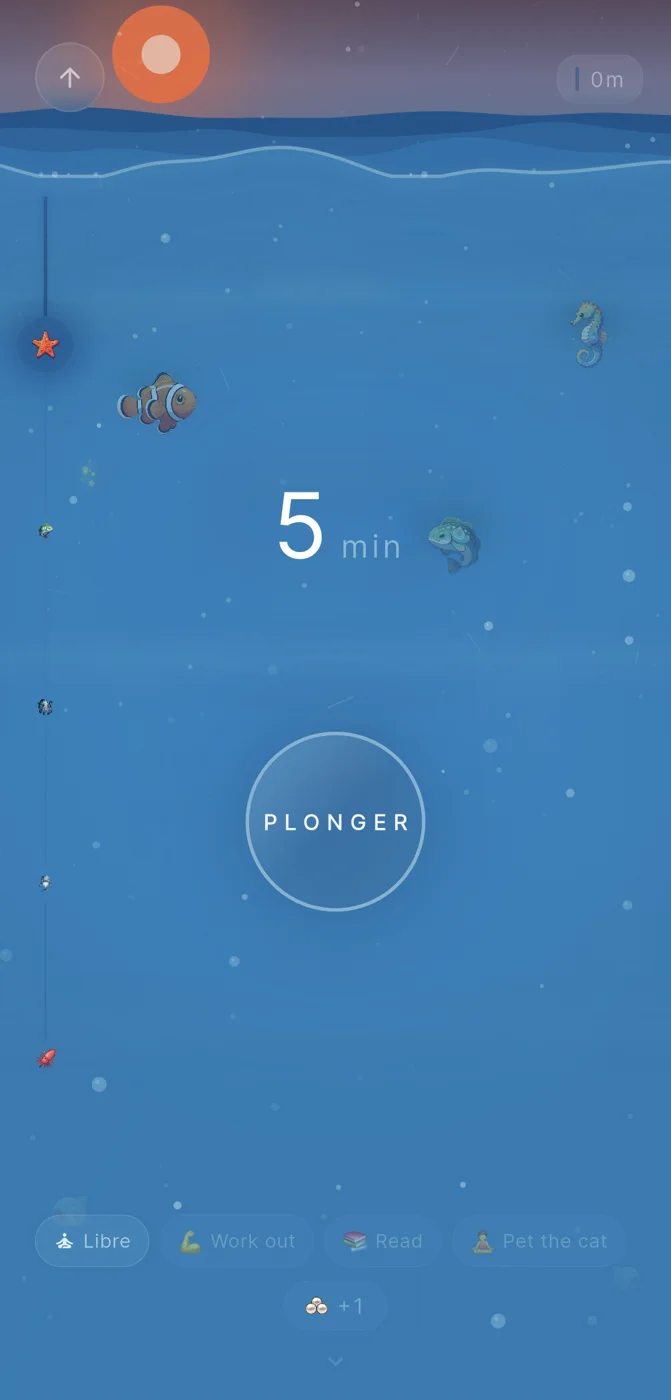
If your water habit tends to disappear during concentrated work, protecting a brief pause may matter more than adding another notification. Reef also offers focus sessions framed as dives; completing focused time earns pearls. You might use a short focus block followed by your chosen water cue, while remembering that the reward marks completed focus time rather than changing the hydration habit by itself.
Choose the lightest structure that helps. A private habit may be enough. If you invite others, agree on a low-pressure norm: share progress if useful, avoid comparison, and let people step back without explanation.
- Keep social participation opt-in.
- Use focus time to protect a planned break, not to avoid breaks.
- Separate encouragement from promises about results.
Frequently asked questions
Is a habit tracker for drinking water a health tool?
A habit tracker for drinking water can help record a routine you choose, but it does not diagnose hydration needs, replace medical guidance, or guarantee a health outcome.
What should I track first for a drinking-water habit?
Start with one observable action tied to a stable cue, such as drinking a glass with breakfast or filling a bottle before a work block.
Can I use Reef with friends for drinking-water accountability?
Yes. Reef offers optional social crews, so you can choose to share accountability, but participation and behaviour change are not guaranteed.
Sources and further reading
These resources provide the wider reference frame. Product statements on this page are limited to the public information provided by Reef.