 Reef
Reef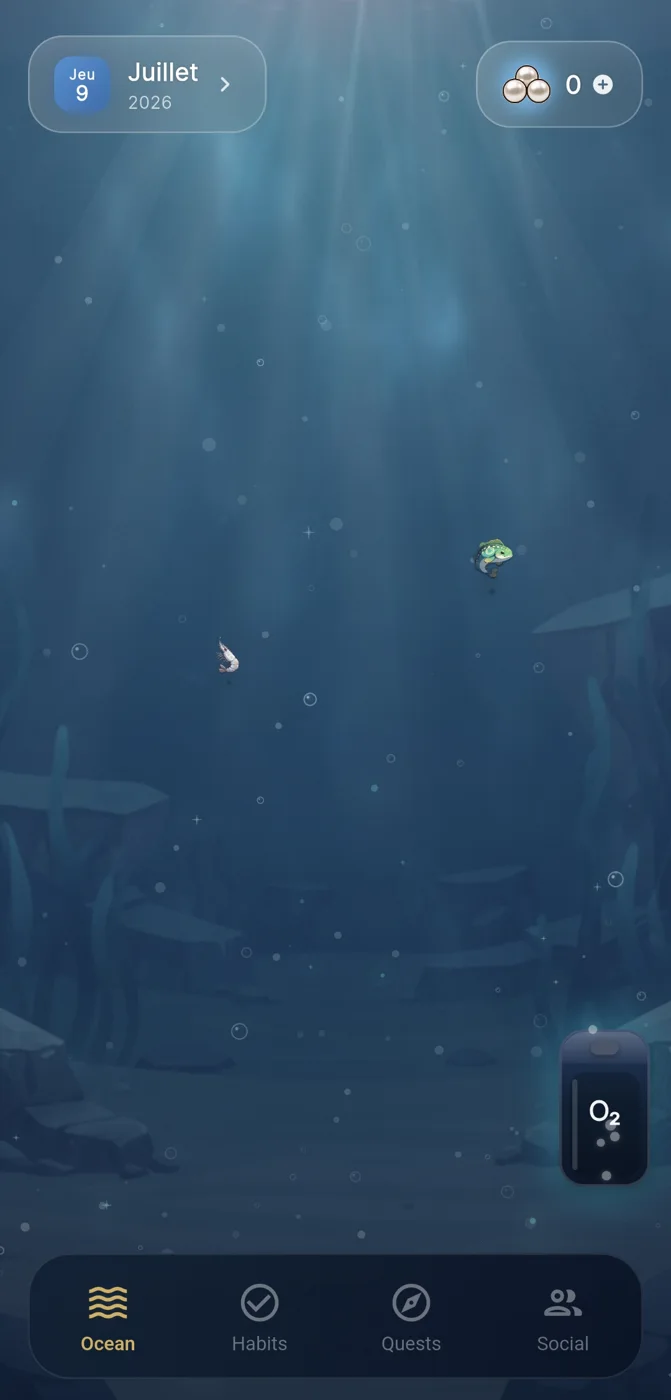
What a habit tracker for working out can help with
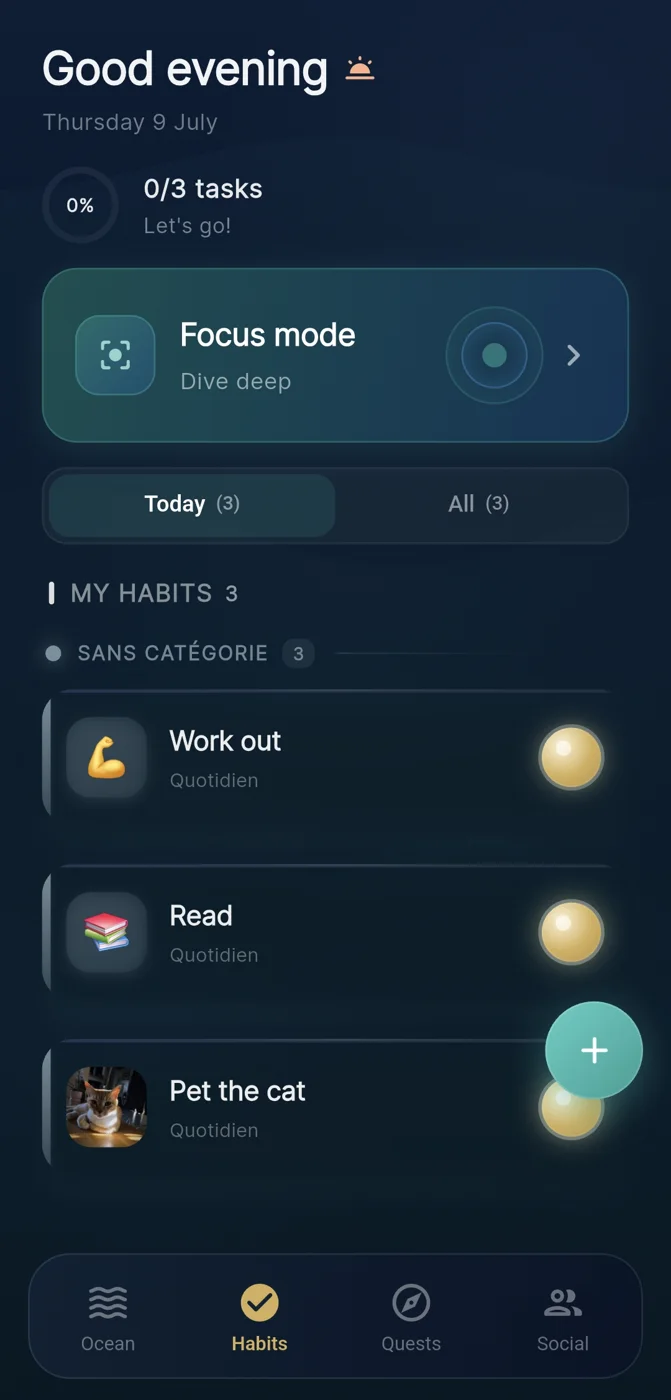
A habit tracker for working out is most useful when the goal is to make a repeatable action easier to notice and revisit. It can give a workout intention a visible place in daily life: a planned walk, a short strength routine, a mobility session, or simply changing into exercise clothes at a chosen time.
That visibility can support reflection. Instead of relying on a vague impression that you have “been inconsistent,” you can see which actions were completed, which were skipped, and whether the plan itself was realistic. A tracker is a record and a prompt, not proof that a routine will stick.
Reef is an IVRYN habit-tracking app for iOS and Android. When you mark a habit complete, a pearl is added to an evolving ocean scene, turning repeated check-ins into a visual record rather than a claim of guaranteed fitness or behaviour change.
- Use it to notice patterns, not to judge your worth.
- Track an action you can clearly recognise as done.
- Treat the record as feedback for adjusting the plan.
Start with small repeatable workout habits
A workout habit becomes easier to track when it is specific enough to complete on an ordinary day. “Get fit” is meaningful as a direction, but it is too broad for a daily checkbox. “Walk for ten minutes after lunch,” “do one set of squats,” or “begin a five-minute stretch after work” gives you an action with a clear finish line.
Small does not mean unimportant. A modest action can protect continuity during busy weeks, low-energy days, travel, or changing schedules. Once an action is genuinely repeatable, you can decide whether to keep it, expand it, or replace it. Starting with an overly demanding plan can make the tracker record repeated misses rather than useful information.
The approved Reef guidance on gamified habit tracking describes rewards and visible progress as ways to make the act of returning feel more engaging. The useful boundary is that a visual reward can make completion more noticeable; it cannot remove practical barriers, create motivation on command, or guarantee a health result.
- Choose one movement habit before adding several.
- Define a minimum version that still counts.
- Link it to a stable cue, such as finishing lunch or closing a laptop.
Use visible progress without turning it into pressure
Visual progress can make repeated actions feel less abstract. In Reef, each completed habit releases a pearl into a growing underwater environment. For someone working out, this may provide a calm marker that a planned action happened, especially when physical progress is gradual or difficult to measure day to day.
The image should remain an invitation, not a scoreboard. A tracker becomes less helpful when its display is used to demand perfection, compare private routines, or make a missed day feel like failure. The better question is not “How long is my streak?” but “Does this view help me choose a workable next action?”
Visible progress is particularly valuable when the habit is deliberately small. A ten-minute walk may not feel dramatic in isolation, yet a record of many such choices can show that the routine has a place in your week. That is information you can use; it is not a promise about strength, weight, mood, or health.
- Review progress weekly rather than constantly.
- Look for workable times and cues, not flawless streaks.
- Keep the visual reward secondary to a realistic action.
Habit tracker for working out: plan for missed days
Missed days are normal information, not automatic evidence that the plan has failed. Work, illness, caregiving, weather, travel, fatigue, and shifting priorities can all affect when movement is possible. A useful tracker lets you return to the next planned opportunity instead of making a backlog of workouts to repay.
Gentle recovery means reducing friction after a miss. You might complete the minimum version tomorrow, move the session to another time of day, or revise a target that repeatedly clashes with your schedule. The aim is to preserve a relationship with the habit without pretending every week will look identical.
Avoid using a tracker as medical guidance. If pain, injury, a health condition, or exercise safety is a concern, a habit app cannot assess it. Seek advice from an appropriately qualified health professional for decisions that require individual assessment.
- After one missed day, resume the next scheduled cue.
- After several misses, shrink or reschedule the habit.
- Do not use missed completions as a reason to overexercise.
Protecting focus time for workout-related actions
Working out often involves more than the movement itself: choosing a routine, preparing clothing, travelling, or making room in a busy day. A focus session can help reserve attention for one of these defined tasks. The most useful focus goal is concrete, such as “complete today’s home routine” or “prepare tomorrow’s gym bag.”
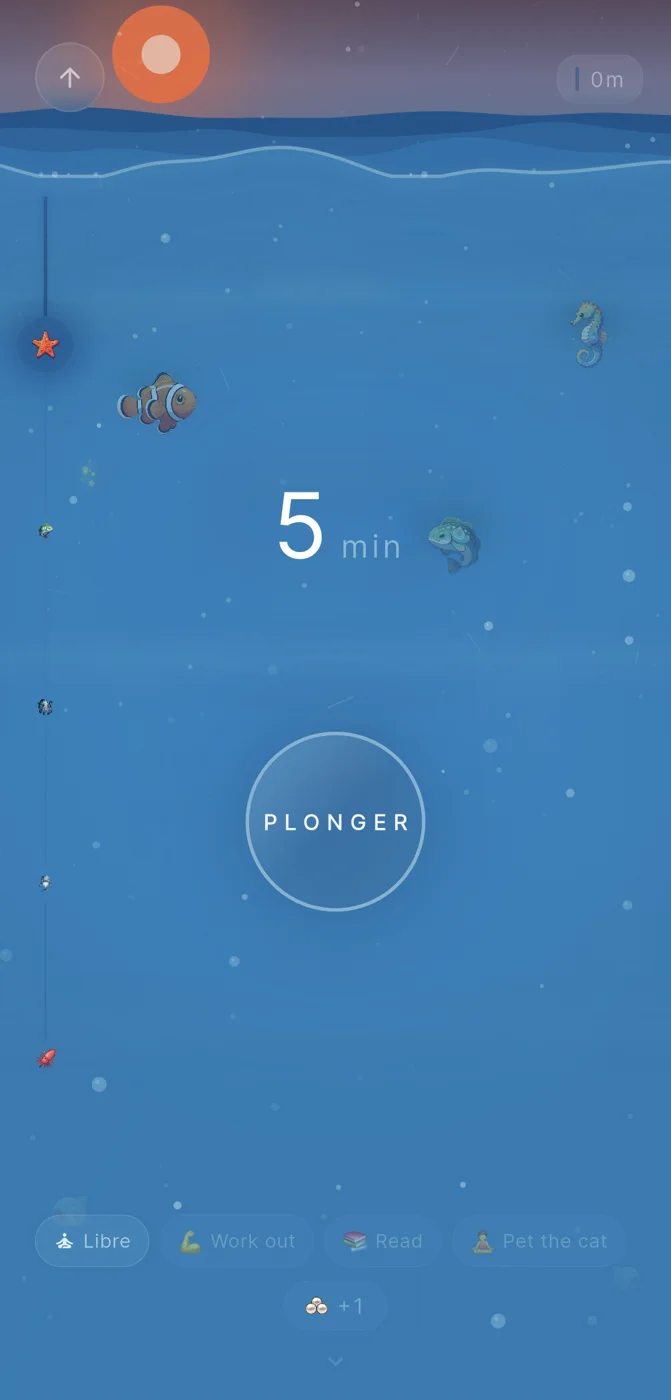
Reef frames focus time as a dive and awards pearls for completed focus time. In this context, that can give a visual acknowledgement to time you deliberately protected for movement-related planning or action. It should not be interpreted as a measure of workout quality, physical effort, or personal discipline.
Keep the boundary clear between tracking focus and tracking exercise. A twenty-minute planning session may support a workout habit, but it is not the same as completing the workout. Separate labels can make your record more honest and easier to interpret later.
- Name the focus session before starting it.
- Use one session for one defined task.
- Record preparation and exercise separately when both matter.
Optional accountability: choose it deliberately
Some people find it easier to return to a routine when another person knows what they intended to do. Others prefer exercise habits to remain private. Neither preference is wrong, and social accountability is most useful when it fits the person and the habit.
Reef includes optional social crews, so sharing is a choice rather than a requirement. If you use a crew, agree on what is being shared: a simple check-in, a planned session, or encouragement after a missed day. Avoid turning the group into a source of comparison or pressure to ignore recovery needs.
Example decision aid: imagine that you want to walk three times this week. If your main obstacle is forgetting, start with one private habit tied to a calendar cue. If the obstacle is that plans disappear without notice, invite one trusted person to exchange a brief optional check-in. If the obstacle is pain or uncertainty about safe activity, pause the tracking plan and seek qualified guidance instead.
- Choose private tracking when privacy lowers pressure.
- Use a crew only with clear, supportive expectations.
- Keep responsibility for your body and schedule with yourself.
Frequently asked questions
Can a habit tracker for working out guarantee that I will exercise regularly?
No. A habit tracker can make planned actions and completed check-ins more visible, but it cannot guarantee regular exercise, motivation, fitness improvements, or any health outcome.
What is a good first workout habit to track?
Start with a small, clearly defined action that fits an ordinary day, such as a ten-minute walk, one short mobility routine, or preparing exercise clothes after work.
Should I share my workout habit with other people?
Share only if optional accountability feels supportive. A brief check-in with a trusted person can help some people remember their plans, while private tracking may better suit others.
Sources and further reading
These resources provide the wider reference frame. Product statements on this page are limited to the public information provided by Reef.