 Reef
Reef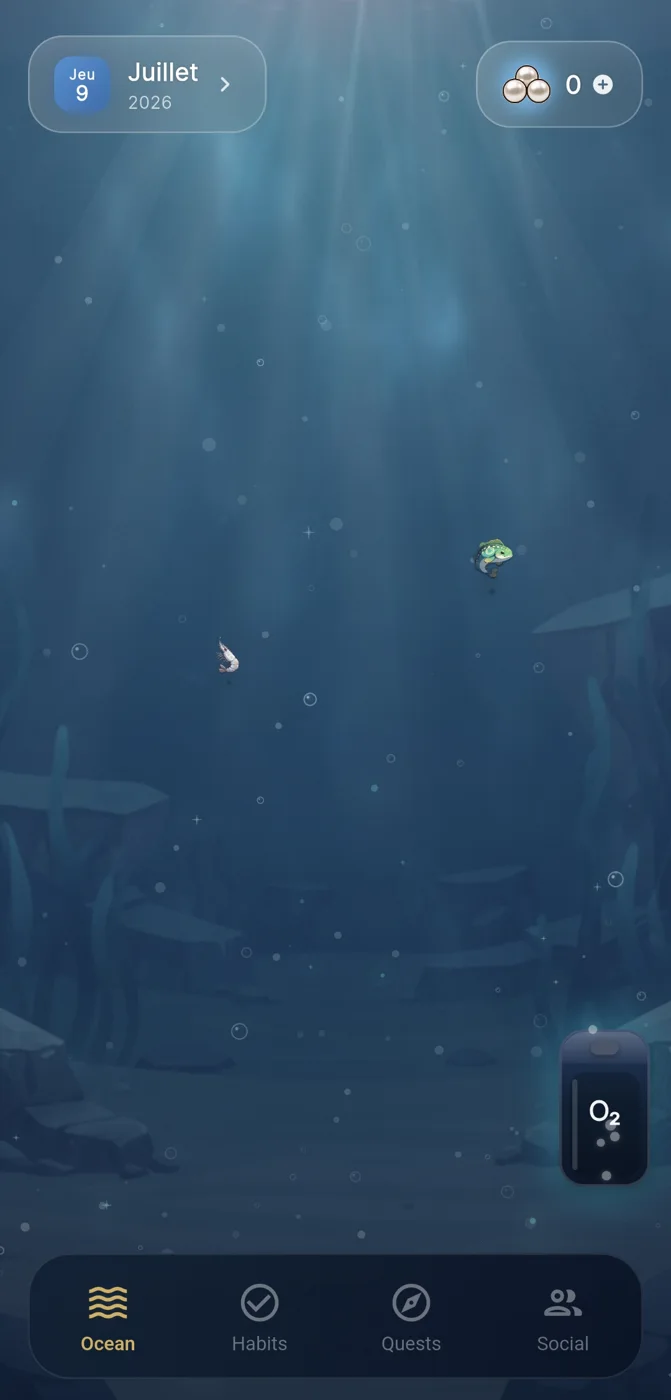
What a habit tracker for winter arc can help you notice
A habit tracker for winter arc is best treated as a simple record of actions you want to repeat during a defined season. “Winter arc” often describes a personal period of renewed structure: sleeping more consistently, moving regularly, studying, cooking, reading, or protecting time away from distractions. The useful question is not whether a tracker can transform you, but whether it helps you see what you actually did and choose the next small action.
That distinction matters. A tracker can make a plan concrete, reduce reliance on memory, and turn a vague intention into a daily check-in. It cannot guarantee motivation, consistency, wellbeing, or any particular result. Circumstances, energy, access, workload and health all affect what is realistic on a given day.
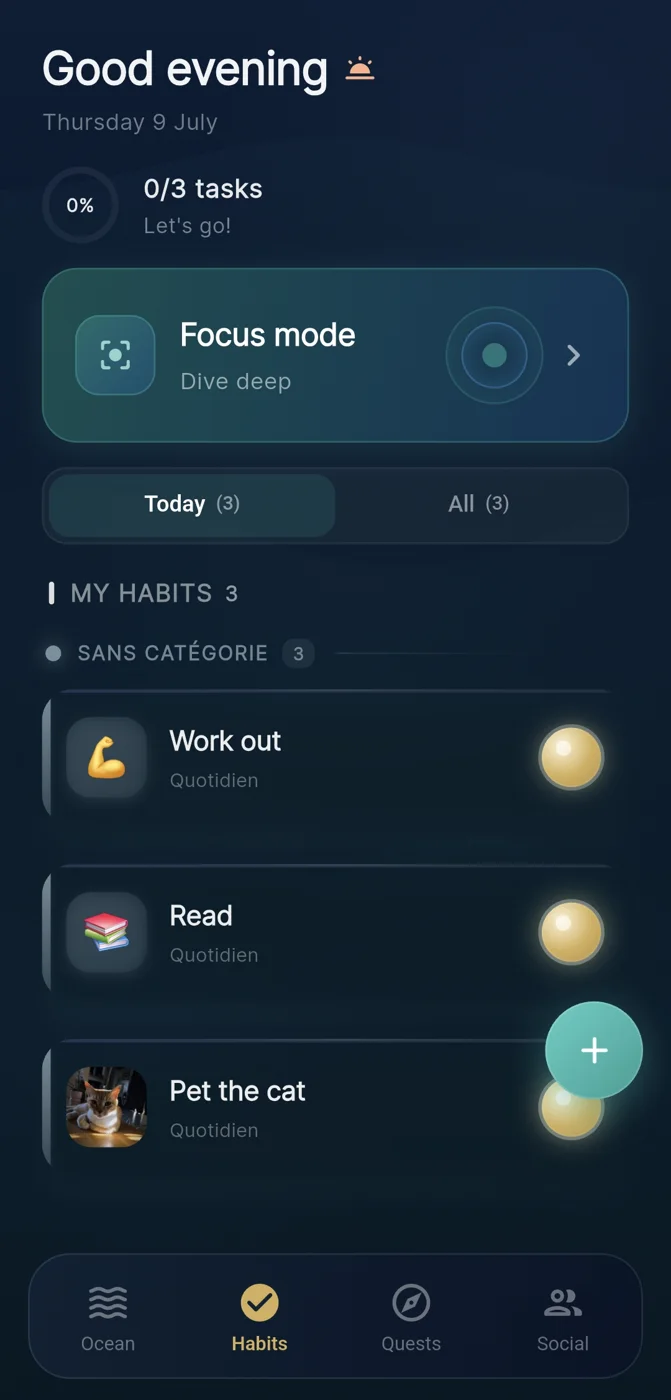
For a visual approach, Reef is an IVRYN habit-tracking app for iOS and Android. When a habit is checked off, it adds a pearl to an evolving ocean scene, making completed actions visible without presenting the visual as proof of lasting behaviour change.
- Use the tracker to observe patterns, not to judge your character.
- Choose actions you can complete in an ordinary, imperfect week.
- Treat a missed entry as information for adjusting the plan.
Start with small repeatable habits
Winter plans often fail when they begin as a total overhaul. A more durable starting point is one action with a clear finish line: fill a water bottle after breakfast, take a ten-minute walk, prepare tomorrow’s clothes, read two pages, or put your phone in another room for one focus block. Small actions are easier to define, notice and repeat.
Make each habit specific enough that you could honestly answer yes or no. “Be healthier” is a direction, not a trackable action. “Prepare a vegetable with dinner twice this week” is clearer. The aim is not to make every habit tiny forever; it is to build a reliable base before adding difficulty.
The Reef methodology and gamified habit tracker guide frame habit tools as supports for intentional repetition and visible progress. That makes a seasonal setup most useful when it remains adjustable rather than becoming a rigid scorecard.
Use visible progress without turning it into pressure
Visual progress can make a quiet routine feel more tangible. A chain of completed days, a growing collection, or a changing scene can remind you that individual actions accumulate. This can be especially helpful in winter, when days may feel repetitive and goals can seem distant.
But visual rewards work best when they point back to the action, not when they create a reason to force completion at any cost. If you are exhausted, ill, travelling, or dealing with an unexpected demand, protecting recovery may be the appropriate choice. A meaningful system leaves room for context.
In Reef, a completed habit releases a pearl that becomes part of a living ocean display. The image is a record of logged effort within the app’s design; it should not be read as a promise that a habit is permanently established or that a particular personal outcome will follow.
- Review progress weekly rather than reacting strongly to one day.
- Notice which habits feel easy, strained or poorly timed.
- Keep the reward connected to completion, not perfection.
Protect focus time as a separate practice
Habit tracking and focus protection overlap, but they are not identical. A habit may be a repeated action, while a focus session is a bounded period reserved for one task. Separating them can be useful when your winter arc includes work, study, creative practice or household tasks that need attention rather than merely a check mark.
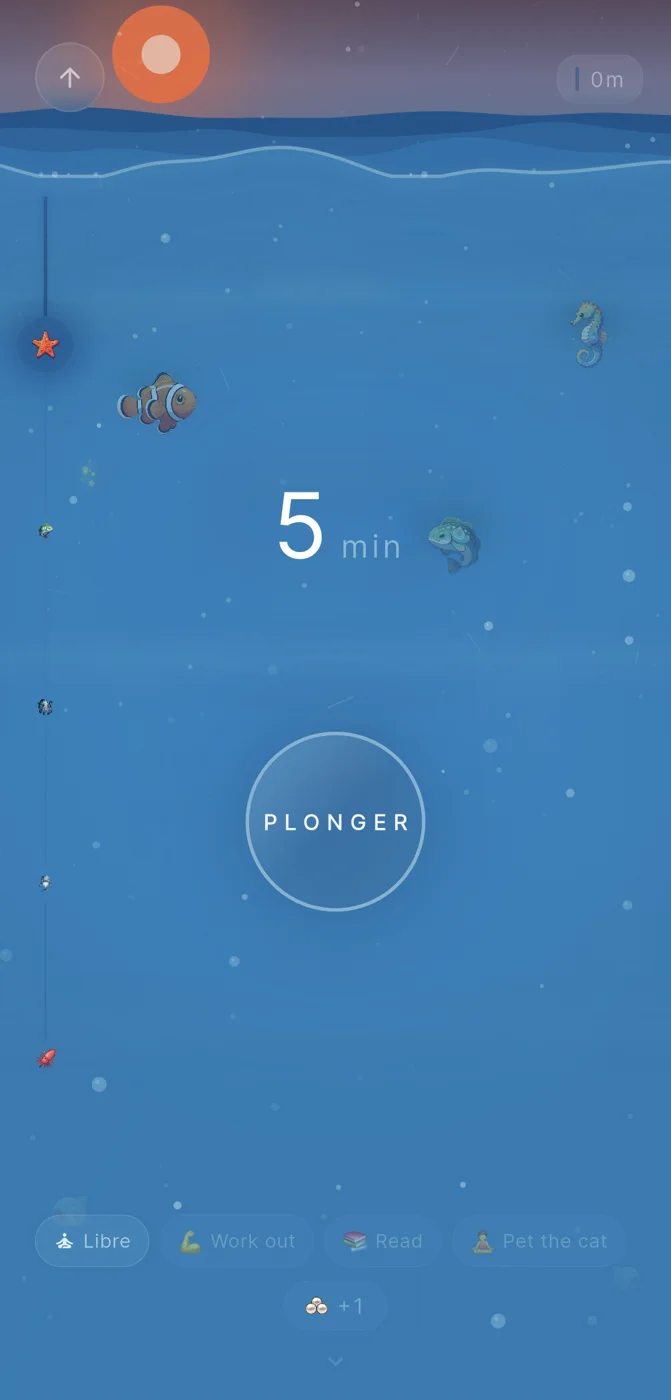
Reef represents focus sessions through a dive theme and awards pearls for time you complete in focus. This may give a visual structure to planned attention, but the app does not ensure concentration, productivity, academic performance or any health-related effect. Consider it a cue to begin and a way to record time you chose to protect.
Set a duration that matches your current capacity. Twenty uninterrupted minutes may be more workable than an aspirational two-hour session. Decide in advance what counts as completion, such as outlining one page, sorting one folder, reviewing one lesson, or staying with a single task until the timer ends.
- Name the task before starting the session.
- Remove one predictable interruption if practical.
- End by writing the smallest next step for tomorrow.
Choose optional accountability carefully
Social accountability can be helpful for some people and unhelpful for others. Sharing a plan may create encouragement, a reminder to return after a lapse, or a sense of companionship. It can also introduce comparison, pressure or unwanted disclosure. The right amount of social involvement is the amount that supports your agency.
Reef offers optional social crews, so you can choose whether to involve other people. Their presence is not a promise that you will follow through, feel supported, or achieve a behavioural or health outcome. If you use a crew, agree on a low-pressure purpose: checking in, celebrating effort, or returning after missed days.
Keep the social layer narrow. You do not need to share every habit or make your winter arc public. A single trusted person, one shared focus window, or a small group with clear boundaries can be enough. If accountability starts to feel punitive, pause it and return to private tracking.
- Ask what kind of support you want before inviting anyone.
- Avoid using rankings or comparison as your only motivator.
- Set a simple norm: missed days receive curiosity, not criticism.
Example: a four-week winter arc setup
Example only: imagine someone who wants more steadiness during four winter weeks but has unpredictable workdays. They choose three habits: prepare breakfast on three mornings each week, take a ten-minute outdoor break on four days each week, and read for five minutes before bed. They also schedule three 25-minute focus sessions for a personal project.
Their decision rule is deliberately gentle. If a day goes off course, they do not try to make up every missed action late at night. Instead, they log what happened if useful, resume the next available opportunity, and review whether the habit was too broad, scheduled at the wrong time, or dependent on conditions they could not control.
At the end of each week, they look at visible completion rather than demanding a perfect streak. They might keep the outdoor break, reduce breakfast preparation to two mornings during a demanding week, and move reading earlier if bedtime is too inconsistent. The ocean and pearls offer a visual record of completed moments; the weekly review determines what to change.
- Week 1: establish the smallest version of each action.
- Week 2: remove one recurring obstacle.
- Week 3: decide whether optional accountability would help.
- Week 4: keep, simplify or pause each habit based on real conditions.
Frequently asked questions
Is a habit tracker for winter arc supposed to create a perfect streak?
No. A habit tracker for winter arc can help record repeated actions and reveal patterns, but missed days are normal. A useful plan includes a simple way to restart rather than treating one lapse as failure.
Can Reef guarantee that focus sessions or habits will improve my behaviour?
No. Reef can make logged habits and completed focus time visually visible through pearls and an ocean-themed experience, but it does not guarantee behavioural, productivity, health or wellbeing outcomes.
Do I need to join a social crew to use Reef for a winter arc?
No. Social crews in Reef are optional. You can track privately, or choose limited accountability if it feels supportive and fits your boundaries.
Sources and further reading
These resources provide the wider reference frame. Product statements on this page are limited to the public information provided by Reef.