 Reef
Reef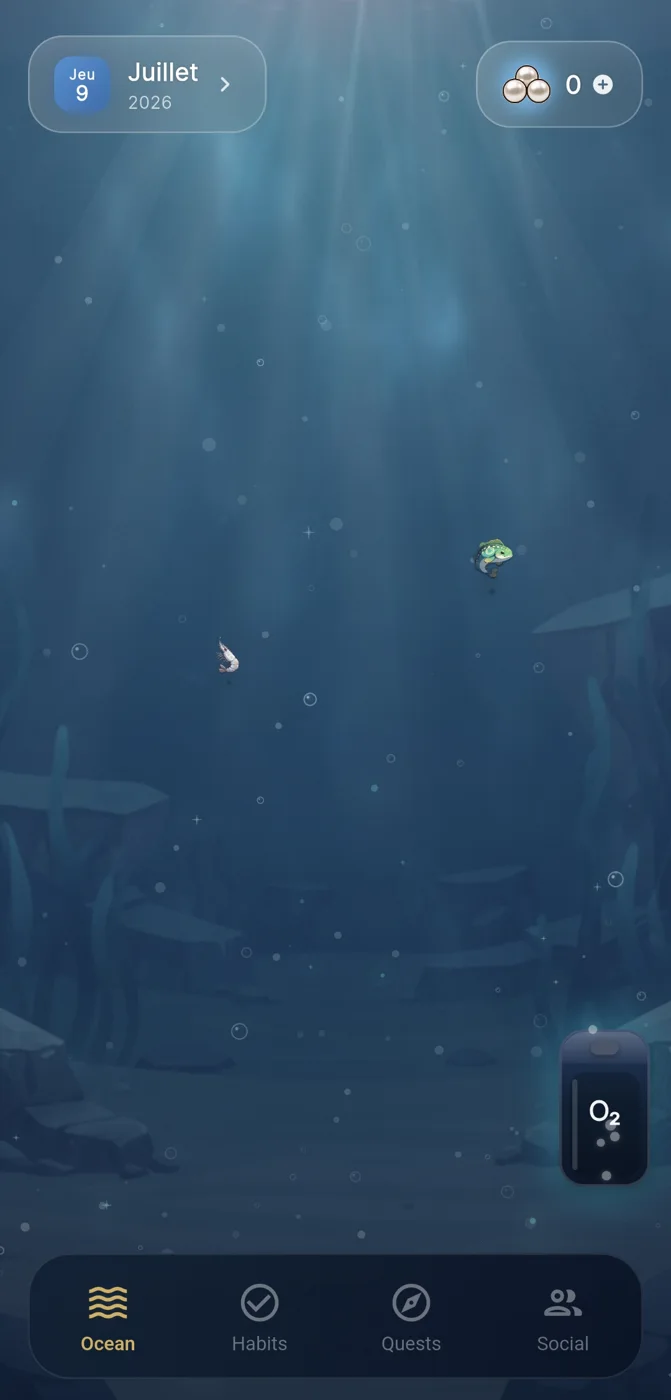
What a habit tracker for january 2026 can help you see
A habit tracker for january 2026 can be useful when the goal is not a dramatic reset, but a clearer view of what you are repeating. January often brings broad intentions - move more, read, plan meals, protect quiet work time - but an intention becomes easier to review when it is reduced to a small action with a simple record.
The practical value of tracking is visibility. A record can show whether an action happened, where it was easy to fit into a day, and where the plan was too ambitious or poorly timed. It cannot establish that a habit will form, that motivation will remain high, or that a missed day has a particular meaning.
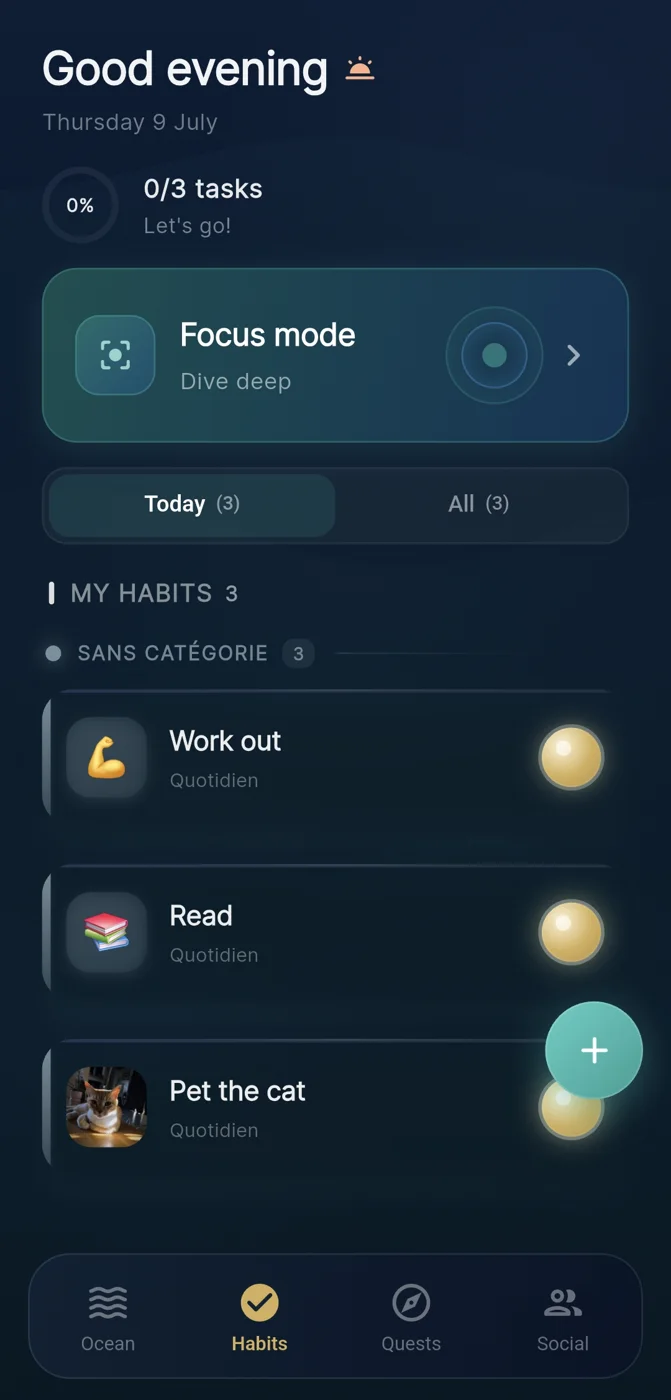
For people who prefer a visual approach, Reef is an IVRYN habit-tracking app for iOS and Android. Its public product context is built around turning completed habits into pearls that add to an evolving ocean scene, making a history of repeated actions more tangible without presenting that visual as proof of behaviour change.
- Choose one action you can describe in a short phrase, such as “take a ten-minute walk” or “write tomorrow’s top task.”
- Decide what counts before January begins: completion, a smaller fallback version, or an intentional rest day.
- Review the record weekly for patterns instead of treating each day as a verdict.
Start with small repeatable habits, not a full-life overhaul
The first decision is scope. A tracker is more likely to remain readable when it contains a few actions that fit the life you already have. Starting with too many habits can turn a visual record into a list of overdue obligations, especially during a month that may already include travel, deadlines, darker mornings, or changing routines.
Make the action concrete enough to mark honestly. “Be healthier” is a direction, not a trackable behaviour. “Prepare a piece of fruit with lunch” is observable. The same principle applies to focus: “work deeply” is vague, while “complete one planned focus session before checking messages” gives you a boundary you can evaluate.
Small does not mean unimportant. It means the first version is designed to survive ordinary disruption. If an action feels impractical on a difficult weekday, create a smaller version in advance rather than relying on willpower at the moment of friction.
- Use a minimum action that takes little setup.
- Attach the action to an existing cue, such as after breakfast or before opening entertainment apps.
- Keep a stretch version optional; do not make it the only version that counts.
Use visible progress without turning it into pressure
Visual progress can make a repeated action easier to notice. It can also become unhelpful if every missed mark is interpreted as failure. The useful question is not whether a display looks perfect; it is whether it helps you make the next reasonable choice.
Reef’s public mechanics use pearls as a visual record of completed habit actions, with those pearls contributing to a living ocean. That framing may suit someone who wants a gentler alternative to treating a streak as the sole measure of success. Still, the image is a representation of logged completions, not a guarantee about consistency, wellbeing, productivity, or long-term results.
Set a review rhythm that preserves perspective. A weekly review is often enough to notice whether a habit needs a different time, a smaller minimum, or fewer competing commitments. Avoid constantly recalculating your self-worth from the latest visual state.
- Ask: “What made this easier on the days it happened?”
- Separate a missed log from a judgment about yourself.
- Change one variable at a time - timing, cue, minimum action, or reminder.
Protect focus time with a clear definition of completion
If January includes work, study, creative projects, or administration, focus tracking should begin with a definition of the session. Decide its length, its intended task, and what interruptions are acceptable. A focus session is more actionable when it protects a defined block of attention rather than vaguely demanding concentration all day.
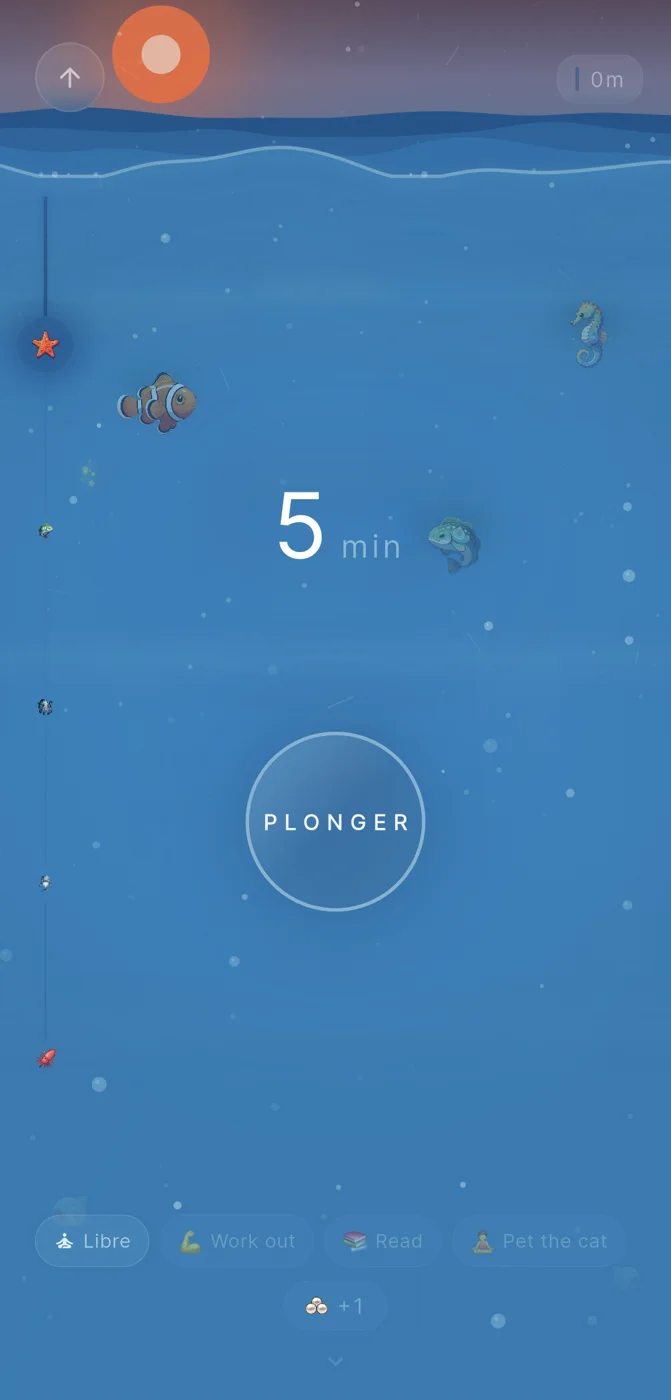
In Reef, focus sessions are represented through a dive metaphor, and time completed in those sessions earns pearls. This can connect protected attention with the same visual progress used for habits. It does not mean that a particular session length is right for everyone, or that collecting pearls demonstrates better performance.
Build focus plans around the conditions you can control. Prepare the task before the session, reduce obvious interruptions, and choose a length that matches your current capacity. If a session is cut short, record what happened only if it will help you adjust the next plan; do not use the interruption as evidence that the larger goal is impossible.
- Name one primary task before beginning.
- Choose a realistic duration rather than copying someone else’s routine.
- Leave a short note after difficult sessions: unclear task, low energy, interruption, or excessive scope.
Optional social accountability: choose the level that fits
Accountability can be useful when it is chosen carefully. Some people benefit from sharing a simple intention with a friend or group; others find comparison distracting or stressful. A tracker should leave room for both preferences, particularly when the habit is personal or when privacy matters.
Reef includes optional social crews, so participation is not required for using its habit and focus mechanics. The presence of a crew does not ensure encouragement, follow-through, connection, health improvement, or any other outcome. Its appropriate role is a chosen structure for visibility and mutual check-ins, not a substitute for professional support or personal boundaries.
Before joining or creating an accountability group, agree on the smallest useful expectation. For example, members might share one weekly intention and one short reflection, rather than competing on volume. Decide in advance what information stays private and how members will respond when someone misses days.
- Join a crew only if shared visibility feels supportive.
- Use neutral check-in language: “What would make next week easier?”
- Avoid comparison rules that reward doing the most rather than choosing sustainable actions.
Example decision aid: a gentle January setup
Example: Maya wants to regain a sense of rhythm after a busy December. Rather than tracking eight resolutions, she chooses three items for the first two weeks: drink water with breakfast, read for five minutes after dinner, and complete one 25-minute focus session on three weekdays. She defines the smallest valid version before she starts.
On day four, Maya misses the reading habit because she returns home late. She does not attempt to “make up” the missed day by doubling the next session. At her Sunday review, she sees that reading happened more often when the book was placed beside the dinner table, so she changes the cue rather than expanding the target.
If Maya chooses to use a crew, she shares only her focus-session intention and asks for a weekly check-in. The example does not predict that she will maintain these actions or experience a particular benefit. It shows how a tracker can support a modest experiment: define, record, review, and adjust.
- Week 1: track no more than three actions.
- Week 2: keep only what fits; shrink or pause what repeatedly clashes with reality.
- End of month: decide whether to continue, revise, or stop each habit based on your own record.
Frequently asked questions
Is a habit tracker for january 2026 enough to create lasting habits?
No. A habit tracker can provide a record and a prompt for reflection, but it cannot guarantee that a behaviour will continue or become automatic. Use it to test a small, realistic routine and adjust it when daily conditions show that the plan does not fit.
How should I handle missed days in a January habit tracker?
Treat a missed day as information, not a reason to abandon the plan. Return to the next available opportunity, review whether the action was too large or poorly timed, and choose a smaller fallback version if needed.
Do I need a social crew to use Reef?
No. Reef’s social crews are optional. You can use its visual habit and focus mechanics privately, or choose a crew when shared check-ins feel useful; participation does not guarantee accountability or behaviour change.
Sources and further reading
These resources provide the wider reference frame. Product statements on this page are limited to the public information provided by Reef.