 Reef
Reef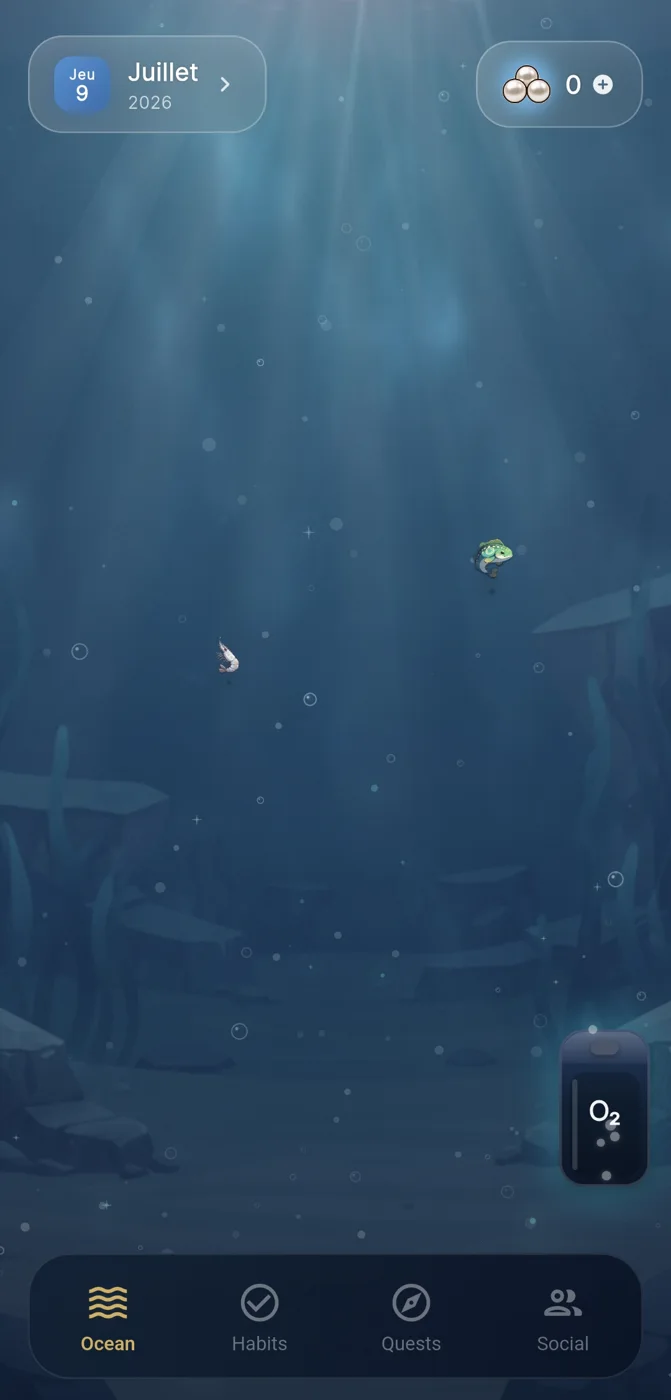

What a habit tracking template PDF can and cannot do
A habit tracking template PDF is a printable record for marking whether you completed a chosen action over a defined period. It can help turn an intention into a visible pattern: instead of relying on memory, you decide what counts as completion and give each day a place to record it.
The template itself is not a guarantee of consistency, motivation, wellbeing, or any other outcome. Its practical value depends on whether the habit is small enough to repeat, the marking method is clear, and the review process helps you resume after interruptions rather than treating a missed day as failure.
How to choose a habit tracking template PDF
Start with the time scale. A weekly sheet is useful when you are learning what a realistic routine looks like; a monthly sheet gives a broader view of repetition but can make a vague habit harder to interpret. Choose only the fields you will use, such as habit name, date, completion mark, and a short note about barriers or adjustments.
Then define the smallest valid version of the action before printing the tracker. “Read” is ambiguous; “read one page after breakfast” is easier to mark honestly. A template should reduce decision-making at the moment of action, not add a daily debate about whether you did enough.
- Use one clear completion rule for each habit.
- Keep the first tracker to one to three habits.
- Choose a weekly or monthly layout based on how often you plan to review it.
- Include a notes area only if you will use it to adjust the routine.
Example decision aid: matching the template to your routine
Example: Jordan wants to protect focus time, drink water regularly, and remember a weekly call with a friend. Rather than placing all three on an identical daily grid, Jordan uses a weekly PDF with daily checkboxes for water, five focus-session spaces across the week, and one separate checkbox for the call. The tracker reflects the actual cadence of each action.
At the end of the week, Jordan sees that the call happened, water was marked on several days, and focus sessions clustered on two afternoons. The useful next step is not to judge the week as good or bad. It is to make one practical adjustment, such as scheduling a shorter focus block on another day or placing water where it is easier to notice.
- If an action happens daily, use dated daily marks.
- If it happens a few times weekly, use a target count rather than blank daily boxes.
- If it is weekly, give it one dedicated completion space.
- If the definition changes, update the template rather than silently changing the rule.
Visible progress without turning the page into pressure
A completed row can be encouraging because it makes accumulated actions easy to see. But a tracker is most useful when it records information, not when it becomes a scorecard that makes restarting feel harder. Leave blank days visible, and use them to ask what changed in the situation, timing, effort, or reminder - not to erase the record.
Plan for gentle recovery when you make the template. Add a small prompt such as “next possible step” or “restart tomorrow with the smallest version.” This keeps attention on the next repeatable action. A single missed mark does not need a compensating task, and a longer gap may simply mean the routine needs to be redesigned.
When a digital visual system may complement a PDF
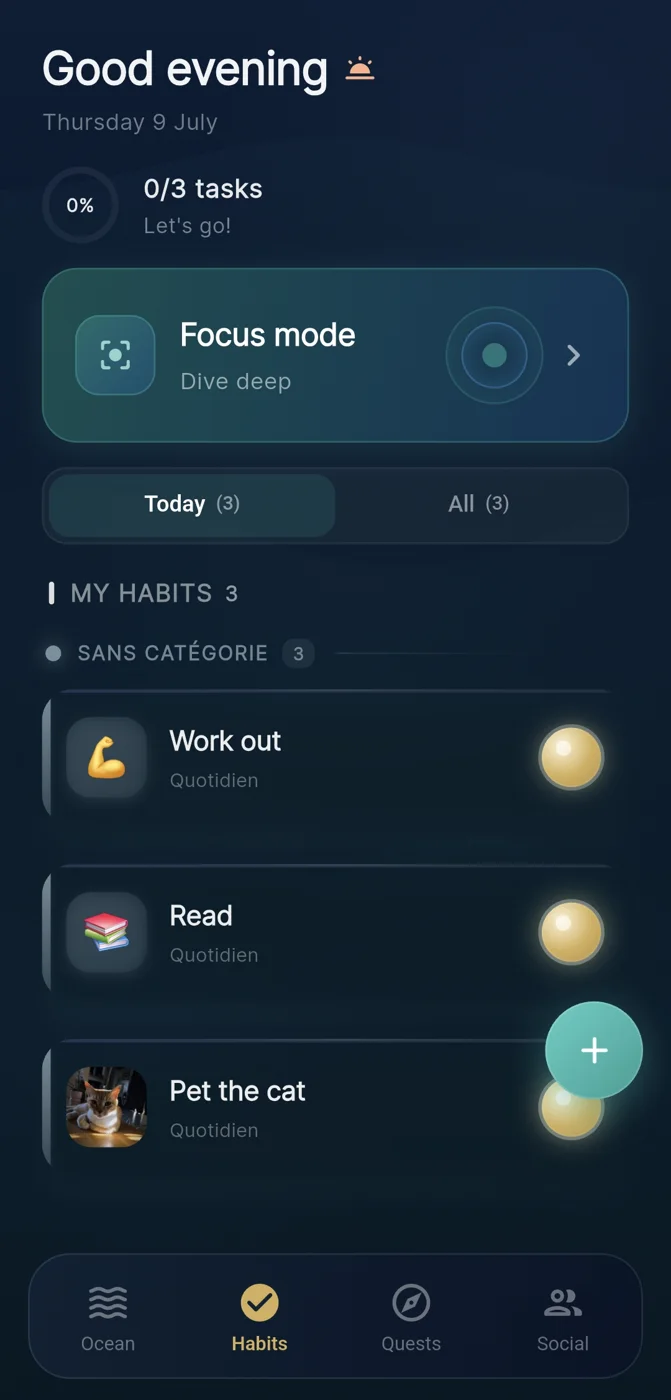
A PDF is a simple, fixed-format tool. Some people prefer a visual system that changes as they record action. Reef is an IVRYN habit tracker for iOS and Android where checked-off habits add pearls to a growing ocean scene, making repetition visible in a different form than a printed grid.
For focus time, Reef frames sessions as dives and grants pearls for time completed. Its social crews are optional for people who choose to share accountability. These mechanics can support visibility and reflection, but they do not promise that someone will change behaviour or achieve a health outcome. Reef’s public methodology and guide provide its stated context for habit design and gamified tracking.
A practical review before you commit
Before using any habit tracking template PDF for several weeks, test it for seven days. Check whether you can mark it in under a minute, whether its completion rules remain understandable on a busy day, and whether it shows enough context to make one useful adjustment. If filling it in becomes another chore, simplify the sheet.
Keep the review concrete. Look for the next action that is easier to repeat, not a perfect streak. You might move a cue, reduce the minimum action, remove a habit from the page, or invite optional accountability. The right template is the one that helps you notice progress and return calmly after a missed day.
- Can I describe completion in one sentence?
- Can I mark it quickly where I normally am?
- Does the schedule match the habit’s real frequency?
- What is my smallest restart after a missed day?
- Would optional accountability help, or would a private tracker suit me better?
Frequently asked questions
What should a habit tracking template PDF include?
A useful habit tracking template PDF usually includes dates, named habits, a clear completion mark, and a review area. Add only fields that help you act or adjust; a complicated form is less likely to be used consistently.
Is a habit tracking template PDF enough to build a habit?
No. A PDF can make planned actions and completed actions visible, but it cannot guarantee habit formation or any behavioural or health result. It works best alongside a small, clearly defined action and a gentle plan for restarting after missed days.
Can I use Reef instead of a printable habit tracker?
Reef is an iOS and Android IVRYN habit tracker that represents completed habits with pearls in a visual ocean, includes dive-themed focus sessions, and offers optional social crews. It may suit people who prefer a digital visual record, but it does not guarantee behaviour change or health outcomes.
Sources and further reading
These resources provide the wider reference frame. Product statements on this page are limited to the public information provided by Reef.