 Reef
Reef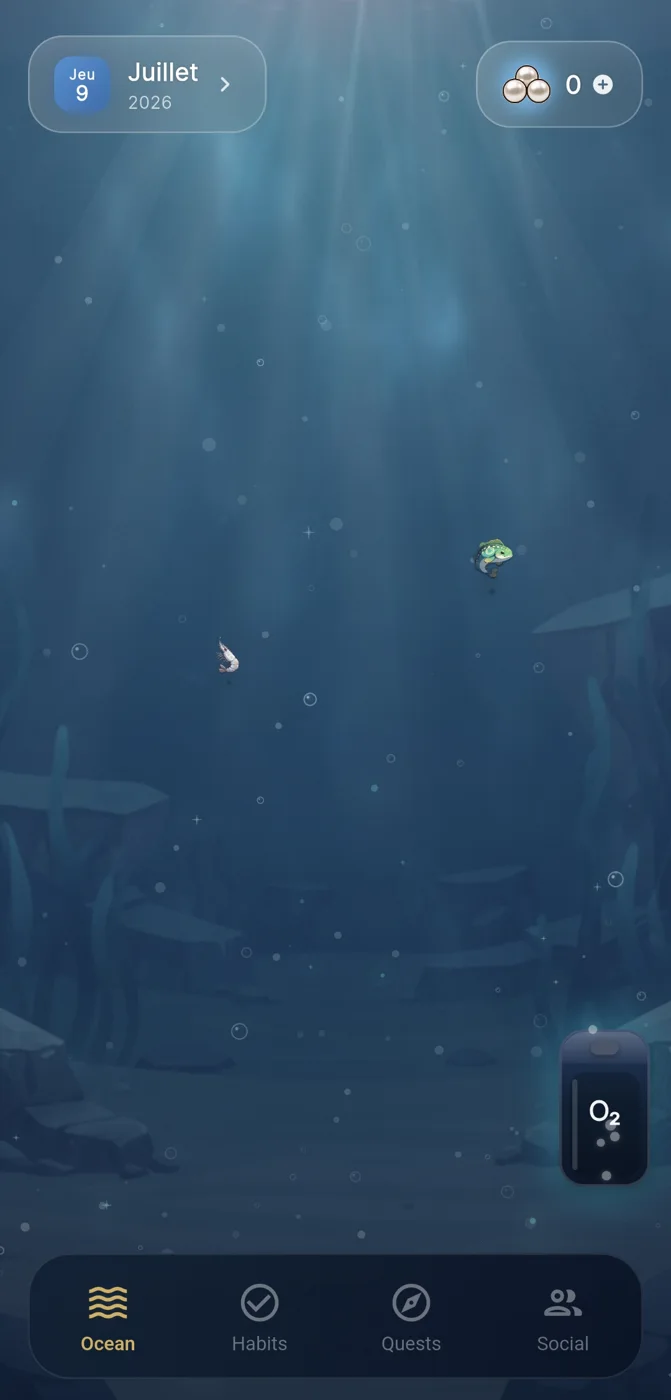
What an accountability goals app actually does
An accountability goals app is software that records whether you did what you said you would do and, if you choose, shows that record to other people. That is the whole mechanism: a visible log plus an optional audience. Everything else, from streaks to badges to reminders, is packaging around those two ideas.
Before installing anything, it helps to separate the two parts. Some people mainly need the log, because seeing a repeated action written down makes it feel real. Others mainly need the audience, because knowing a friend will notice a gap changes how they plan their day. Many people need a bit of both, but rarely in equal measure, and the right tool depends on which part you are really missing.
The limits: what no app can promise
No accountability goals app can guarantee that you will change a behaviour, lose weight, sleep better or finish a project. An app can make your actions easier to see; it cannot supply the reason you want to act. Treat any product that promises a specific outcome with caution, and remember that health goals in particular deserve input from a qualified professional rather than a tracker alone.
There is also a quieter limit. Accountability can turn into pressure. When a shared streak breaks, some people feel motivated to restart, while others feel embarrassed and stop opening the app. Neither reaction is a personal failing, but it means the social layer should be something you can switch on, reduce or leave out entirely, not a default that is hard to escape.
Choosing who sees your goals, and how much
The most consequential decision is not which app to download but who gets to see your progress. A single trusted person often works better than a large group, because the feedback is personal and the stakes stay low. A small crew with a shared aim, such as walking daily, can work well when everyone agrees in advance that missed days are normal.
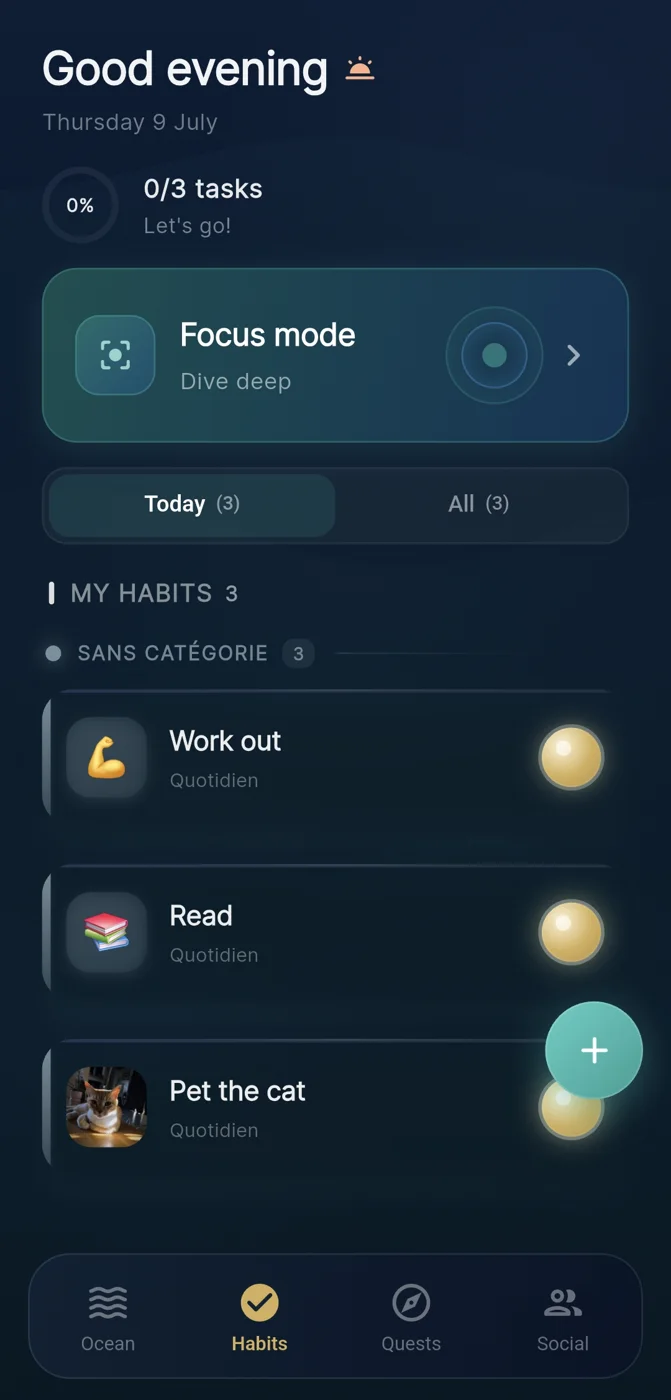
Reef, an IVRYN habit tracker for iOS and Android, is one example of this bounded approach: joining a crew is a choice rather than a requirement, and the app states plainly that it does not guarantee any behaviour or health result. Its public methodology page describes how its habit design is framed, which is a useful model for reading any app's claims critically.
Whatever tool you use, check what others can actually see. Ideally you can share completion without sharing private notes, and you can leave a group without losing your own history.
Make goals small enough to report honestly
Accountability only works when the thing being reported is clear. "Get fit" cannot be checked off; "walk for ten minutes after lunch" can. Small, repeatable habits give you and anyone watching an unambiguous yes or no, which removes the temptation to negotiate with yourself about whether a vague effort counted.
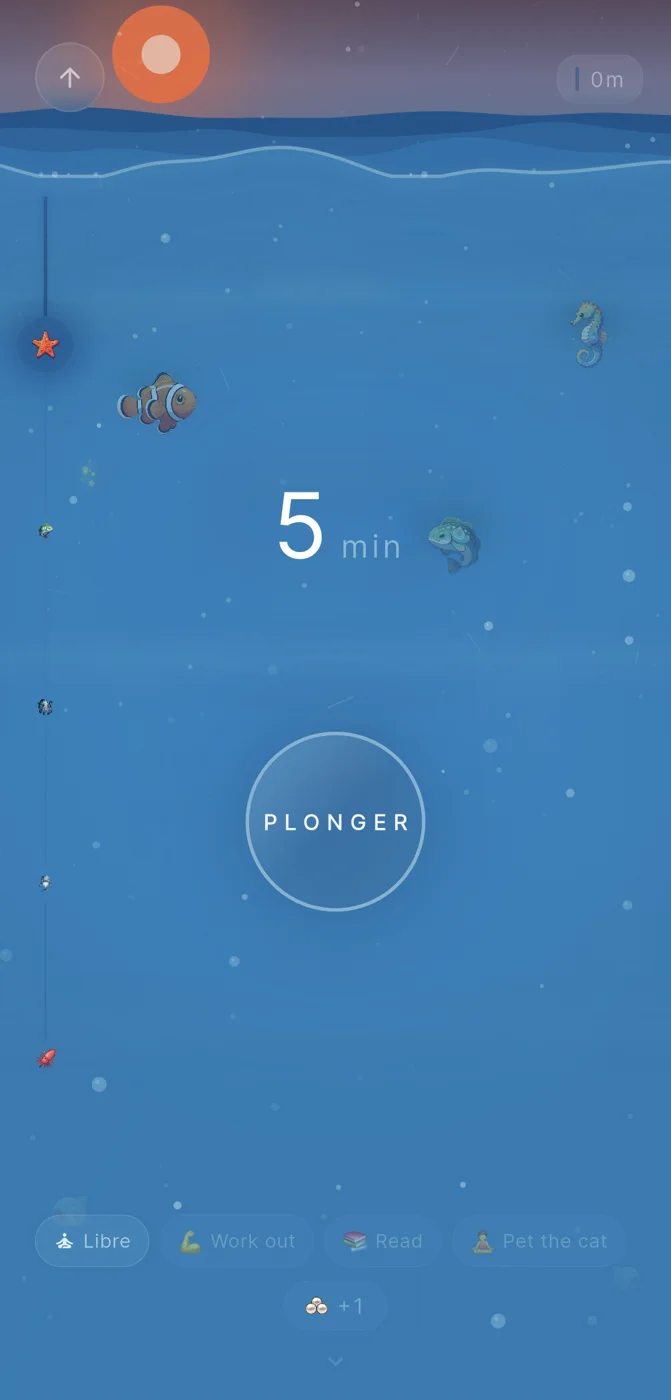
Visible progress matters here too. A record that grows as you repeat a small action, whether as a calendar, a chart or a playful visual, gives you something to look at on days when motivation is low. Reef's guide to gamified habit trackers discusses this kind of visual reward; the useful takeaway for any app is that progress should be easy to see at a glance, not buried in menus.
If a goal keeps getting missed, shrink it before you abandon it. Two minutes done reliably is more informative than thirty minutes done occasionally.
Plan for missed days before they happen
Every consistent habit includes gaps. Illness, travel and ordinary bad days will interrupt any streak, so the question is how your app and your accountability partners treat those gaps. A tool that shames you for a miss teaches you to hide misses, which defeats the purpose of being accountable.
Look for gentle recovery features: a way to protect a streak on a planned off day, messages that acknowledge a miss without blame, and a simple way to resume. In Reef's case, a small shrimp companion responds to missed days without guilt, and a streak freeze can cover a single off day. Agree with any partner that a missed day is reported, not judged.
Example: a five-question decision checklist
The following is a hypothetical example, not a recommendation or a result. Imagine someone who wants to read for fifteen minutes each evening and has a friend with a similar goal. Before choosing an app, they work through five questions and write down their answers.
In this example, the answers point to a private log with one optional shared connection, a fifteen-minute reading habit that can be shrunk to five on busy days, and a rule that either friend can use a rest day without explanation. Your answers may differ, and that is the point of asking.
- Do I mainly need a record, an audience, or both?
- Who, specifically, would I want to see my progress, and what should they not see?
- Can I state my goal so that anyone could tell whether I did it today?
- What will I do the day after I miss, and does the app make that easy?
- Can I leave a group or turn off sharing without losing my own history?
Frequently asked questions
What is an accountability goals app?
An accountability goals app is a tool that records whether you complete a planned action and can optionally share that record with chosen people. Its value comes from making repeated actions visible, not from guaranteeing that your behaviour will change.
Do I need to share my goals with others for an accountability app to help?
No. Many people benefit simply from seeing their own progress recorded. Sharing with one trusted person or a small group can add motivation, but it should stay optional, and you should be able to limit what others see or stop sharing at any time.
What should I do if I break a streak in a habit tracker?
Treat the missed day as information rather than failure. Resume the next day, consider shrinking the habit if misses keep repeating, and use any streak-protection or rest-day feature your tracker offers. If you share progress, agree in advance that misses are reported without judgement.
Sources and further reading
These resources provide the wider reference frame. Product statements on this page are limited to the public information provided by Reef.