 Reef
Reef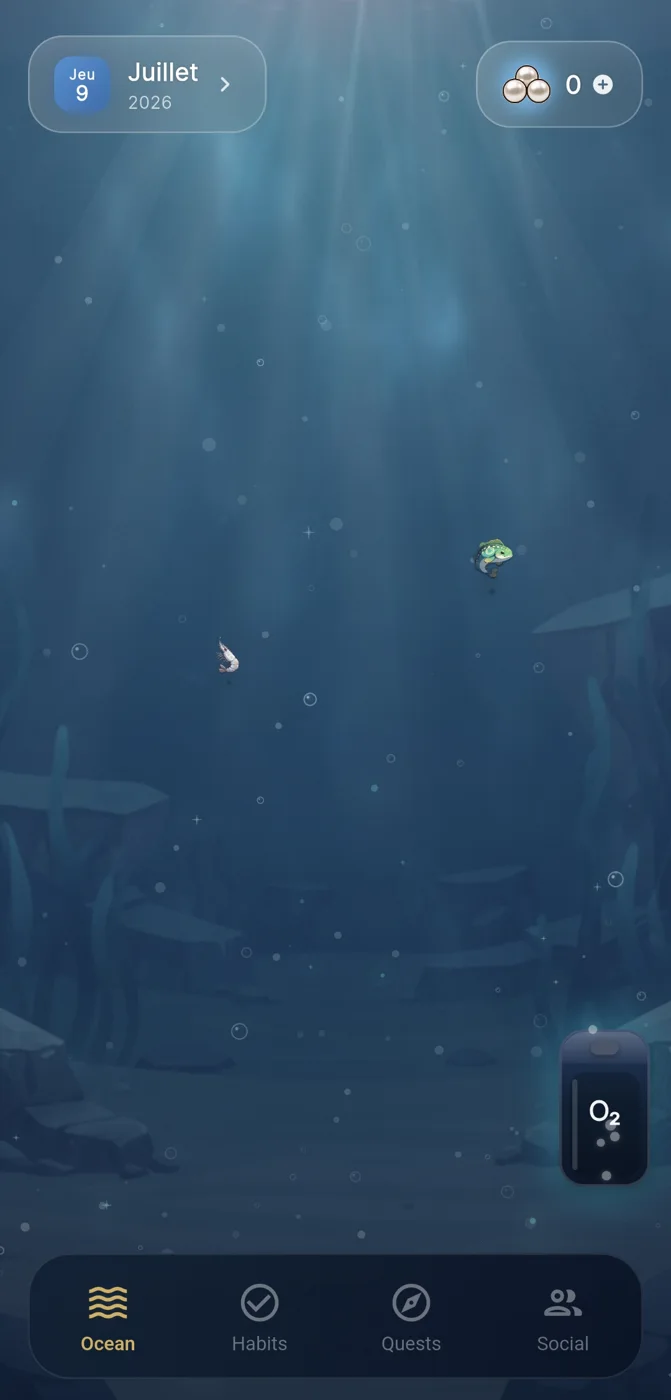
What an accountability tracking app really tracks
An accountability tracking app records whether you did something you said you would do, and makes that record visible to you and, if you choose, to other people. The accountability does not live inside the software. It comes from the commitment you make and from who can see the record. The app is a ledger and a reminder, not an enforcer.
That distinction matters before you act. A tracker can make a repeated action easier to notice and harder to quietly drop. It cannot make you want the action, and it cannot judge whether the action was the right one for you. Seen this way, you are choosing a way to observe your own behaviour, not buying a result.
Most tools in this category combine three ingredients in different proportions: a record of completions, some form of feedback when you complete or miss, and an optional audience. Deciding which of the three you actually need is the most useful first step.
Self-accountability versus shared accountability
Self-accountability means the record stays private. It suits people who are motivated by watching a streak or a picture grow, and who would feel pressured rather than supported by an audience. Shared accountability adds partners or a small group who can see whether you showed up. For some people, that small social cost of skipping is exactly what helps. For others, it turns a habit into a performance.
Neither approach is better in general. A reasonable rule is to start privately and add social visibility only for one habit you have already repeated for a while and want to protect. Sharing every habit at once multiplies notifications and makes it hard to tell which source of pressure is doing the work.
Be cautious with group features that rank members or broadcast misses. Visibility should be something each person opts into, can scale back, and can leave without having to explain themselves.
A checklist before choosing an accountability tracking app
Before installing anything, write down the one or two actions you want to repeat and the smallest daily version of each. Then use the checklist below to judge any app, including ones already on your phone. Features, availability and pricing change over time, so check current store listings rather than relying on older reviews.
If an app fails the missed-day question or the data question, its other features rarely make up for it.
- Can the smallest version of the habit count as done?
- Is progress visible at a glance, without digging through charts?
- What happens on a missed day: a hard reset, a scolding message, or a way to recover?
- Is social sharing optional for each habit, and can you leave a group easily?
- If your habit is study or deep work, does the app support protected focus time?
- What happens to your data, and does the app show ads?
- Does it avoid promising health or behaviour outcomes?
Missed days are the real test
Every tracked habit eventually meets a bad day: illness, travel, a long shift, a family emergency. How an app handles that moment shapes whether you keep going. A hard reset to zero can make one lapse feel like total failure, and it is easy to stop opening an app that only reminds you of what you lost.
Gentler designs separate the record from the judgement. Useful options include a planned rest token that protects a streak, feedback that acknowledges the miss without blame, and a short reflection prompt that asks what got in the way. These do not excuse every skip. They keep one missed day from erasing the meaning of the days before it.
When you try a new app, deliberately mark a day as missed during your first week and see how it responds. If the response makes you want to close the app, that is useful information to have early.
Worked example: setting up gentle accountability (hypothetical)
This is an illustrative example, not a real user or an observed outcome. Imagine someone, called Sam here, who wants to read most evenings and protect one block of focused study three times a week. Sam has tried strict streak apps before and stopped after the first broken chain.
The point of the example is the sequence: a small definition of done, a private record, planned recovery, and then optional sharing for a single habit. Nothing in it guarantees that Sam keeps reading. It simply lowers the cost of continuing after an off day.
- Weeks 1-2: track reading privately and define done as five pages minimum.
- Decide in advance which kind of day may use a streak protector, such as travel days.
- Track study as timed focus sessions rather than yes or no, so a shorter session still registers as progress.
- Week 3: if reading has held, invite one friend to see that single habit only.
- Each week: review the visible record and adjust the minimum instead of adding new habits.
Where Reef fits, and the limits of this advice
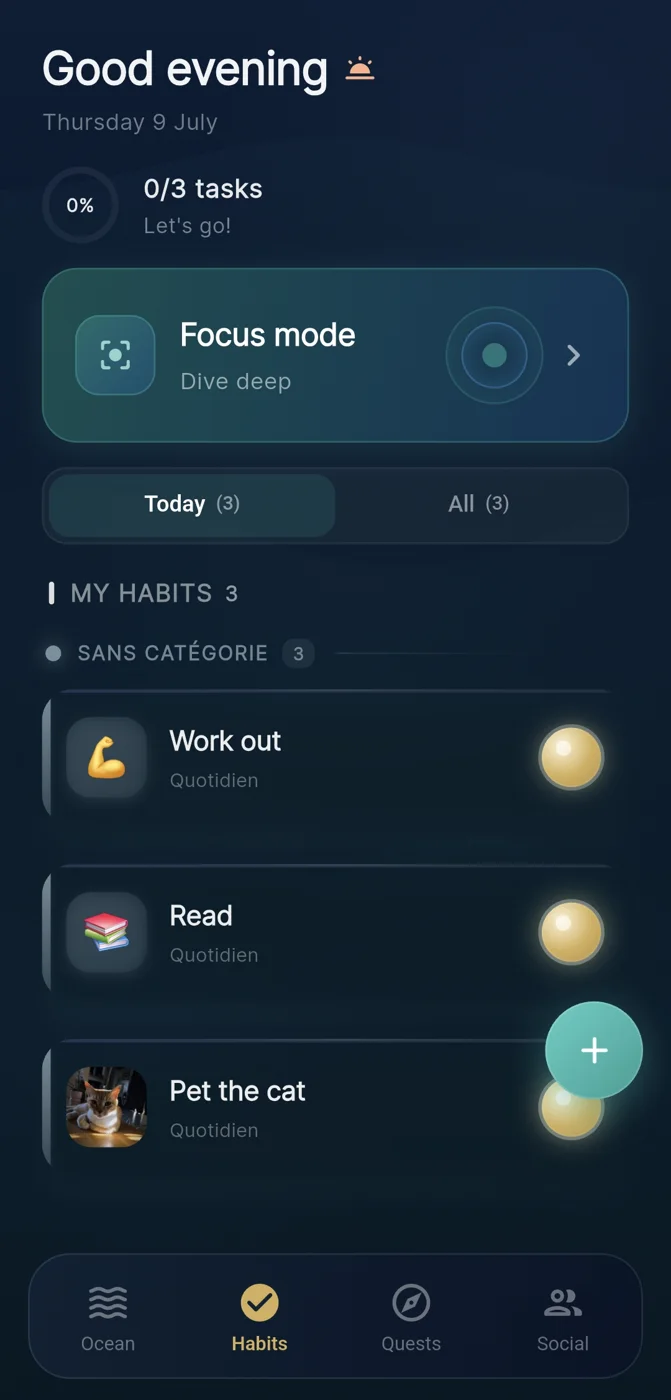
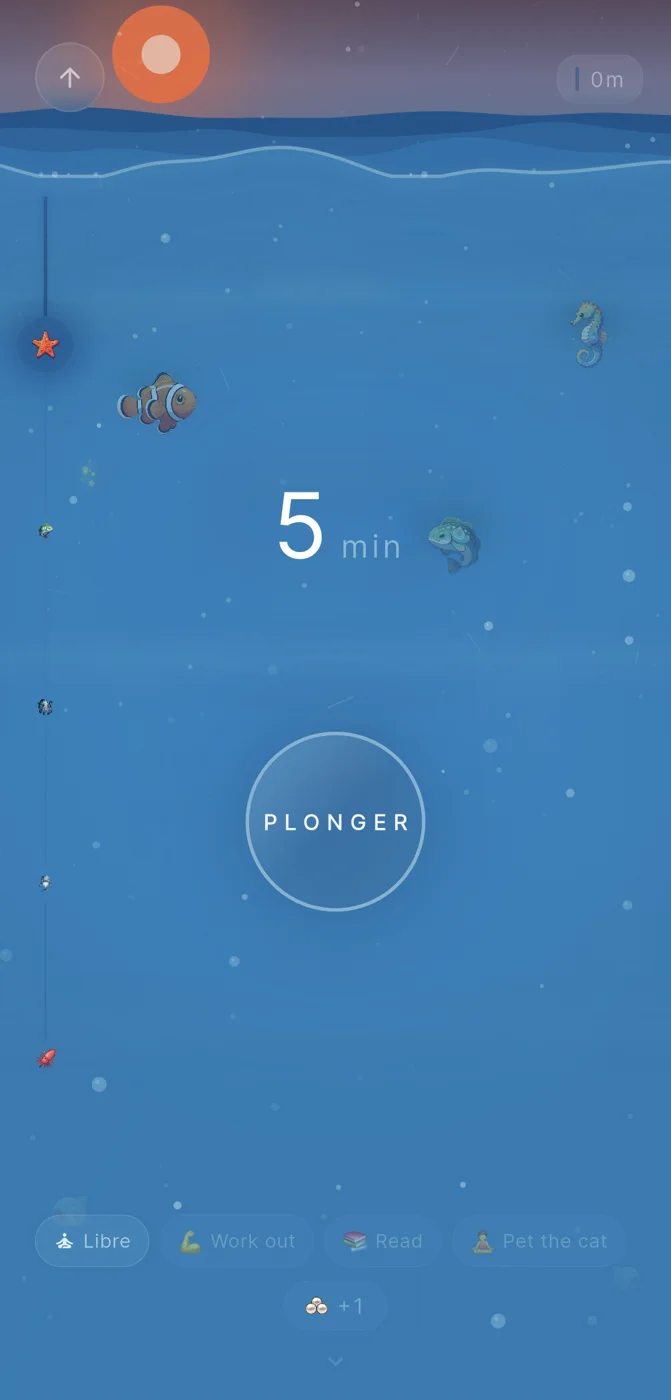
Reef, IVRYN's habit tracker for iOS and Android, applies these ideas by turning each finished habit into a pearl for a growing ocean, letting a streak freeze cover an off day, rewarding longer focus sessions with a deeper dive, and keeping crews entirely opt-in. Its small shrimp companion, Gambi, responds to missed days without blame, and the app is free to start, with no ads and no resale of your data.
The boundaries matter. This article draws only on Reef's published methodology and its gamified habit tracker guide, not on any study of users, and it does not compare or rank other apps. No tracker, Reef included, can promise a change in behaviour or health. If a habit relates to a medical condition, recovery or anything with real risk, a qualified professional is a better source of accountability than an app.
The practical takeaway: choose mechanics that match how you respond to visibility, test the missed-day experience early, and invite other people in only when you genuinely want them there.
Frequently asked questions
Do accountability tracking apps actually change behaviour?
An accountability tracking app can make repeated actions visible and easier to notice, but no tracking app can guarantee a behaviour or health outcome. Results depend on the habit chosen, how small it is, and how the person responds to being observed. It works best treated as a record and reminder rather than the source of motivation.
Should I share my habits with a group in an accountability tracking app?
Only if visibility helps you. Many people find it easier to start privately and later share one established habit with one or two trusted people. Look for apps where social features are optional for each habit and where leaving a group is simple and requires no explanation.
What should a habit tracking app do when I miss a day?
Ideally, it records the miss honestly without wiping out all earlier progress or shaming you. Features such as a streak protector, neutral feedback and a short reflection prompt help keep a single off day from becoming a reason to stop tracking altogether.
Sources and further reading
These resources provide the wider reference frame. Product statements on this page are limited to the public information provided by Reef.