 Reef
Reef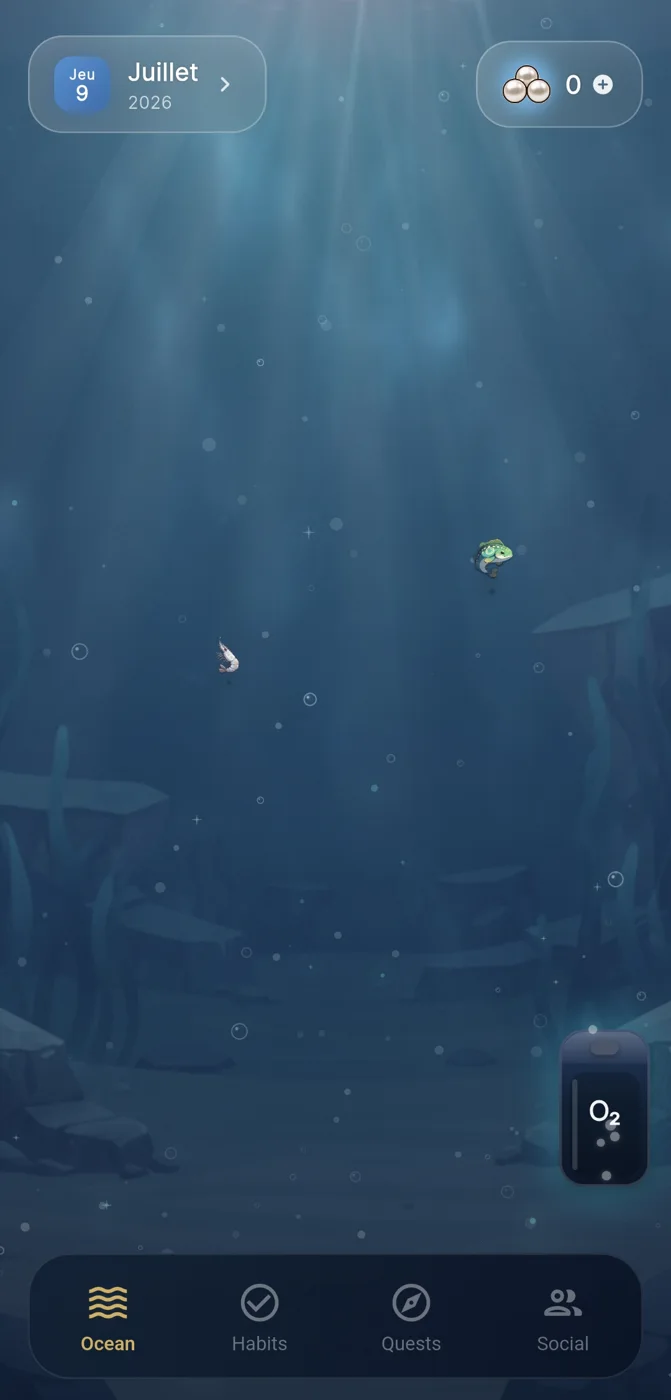
What an accountability buddy app actually does
An accountability buddy app is a tool that lets another person see whether you did what you said you would do. Most versions combine three pieces: a way to define a small commitment, a record of completed and missed days, and a channel through which a partner or small group can view that record. The app does not create motivation on its own. It lowers the effort of reporting, so the social side of accountability happens with less friction.
That distinction matters before you act. The useful question is not which app is strongest, but what you want another person to notice, how often they should look, and what should happen when a day goes badly. If those answers are vague, any tool will mostly end up recording good intentions.
Decide what you are asking a partner to watch
Accountability tends to work best on actions that are small, observable and repeatable: a ten-minute walk, one focused work block, a page of reading. Outcomes such as weight, income or grades are weaker candidates because they move slowly and depend on factors a partner cannot see or influence. Keeping the commitment small also makes it easier for both people to keep checking in over weeks rather than days.
It also helps to agree on the role the other person plays. Some people want a quiet witness who simply sees the record; others want a short nudge after a missed day. A partner who acts as a judge can turn reporting into something to hide from, which defeats the purpose of sharing in the first place.
- Name one action, not a broad goal
- Agree how often you will look at each other's progress
- Decide in advance what a missed day means, and what it does not mean
Choosing an accountability buddy app: what to check
Feature lists change often, so treat any specific product claim, including pricing or platform availability, as something to verify on the day you sign up. The more durable criteria concern design: whether progress is easy to read, whether sharing is opt-in, and whether a single bad day wipes out weeks of effort.
Visibility is the core mechanic. A record you can read in two seconds is one you and your partner will actually check. Recovery design comes next. Tools that reset everything after one miss can push people to quit after their first off day, so look for a way to protect a streak, or at least a history that shows the overall pattern rather than only the current run.
Privacy is the third test. Check what your partner can see, whether you can share one habit while keeping another private, and how the company earns money. A business model built on advertising or data resale deserves extra scrutiny when the data describes your daily routine.
- Sharing is optional and can be limited to specific habits
- Missed days are recoverable rather than catastrophic
- Progress is readable at a glance by both people
- Data and business-model terms are stated clearly
Limits worth knowing before you rely on one
No accountability buddy app can guarantee that you will change a behaviour. A partner's attention can make repetition more likely for some people, while for others it adds pressure that leads to avoidance. The practical way to find out which applies to you is a short trial on a low-stakes habit, not a large commitment made on day one.
Partners also drift. Schedules change, check-ins lapse, and the arrangement quietly ends. Plan for that: a habit that only survives while someone is watching has not yet become a habit. If your target touches health or medical care, an app partner is not a substitute for advice from a qualified professional.
Example: a four-week trial with one partner
Example (hypothetical): Sam and a colleague want to protect a daily 25-minute focus block. They agree to log one completed block per workday, glance at each other's record once each evening, and send a single message only if two days in a row are missed. Weekends are excluded from the start so the plan fits real life.
By the end of week two, Sam has missed three days during a busy period. Under a strict streak rule this would read as failure; under their agreement it is simply a pattern to discuss. They shrink the block to 15 minutes for the next fortnight instead of abandoning the plan. At week four they review whether the shared record helped, made no difference or felt like pressure, then choose to continue, change partners or carry on alone.
- Week 1: set one small action and a check-in rhythm
- Week 2: note misses without penalty
- Week 3: adjust the size of the action, not the intention
- Week 4: decide to keep, change or stop the arrangement
Where Reef fits, and how this advice is bounded
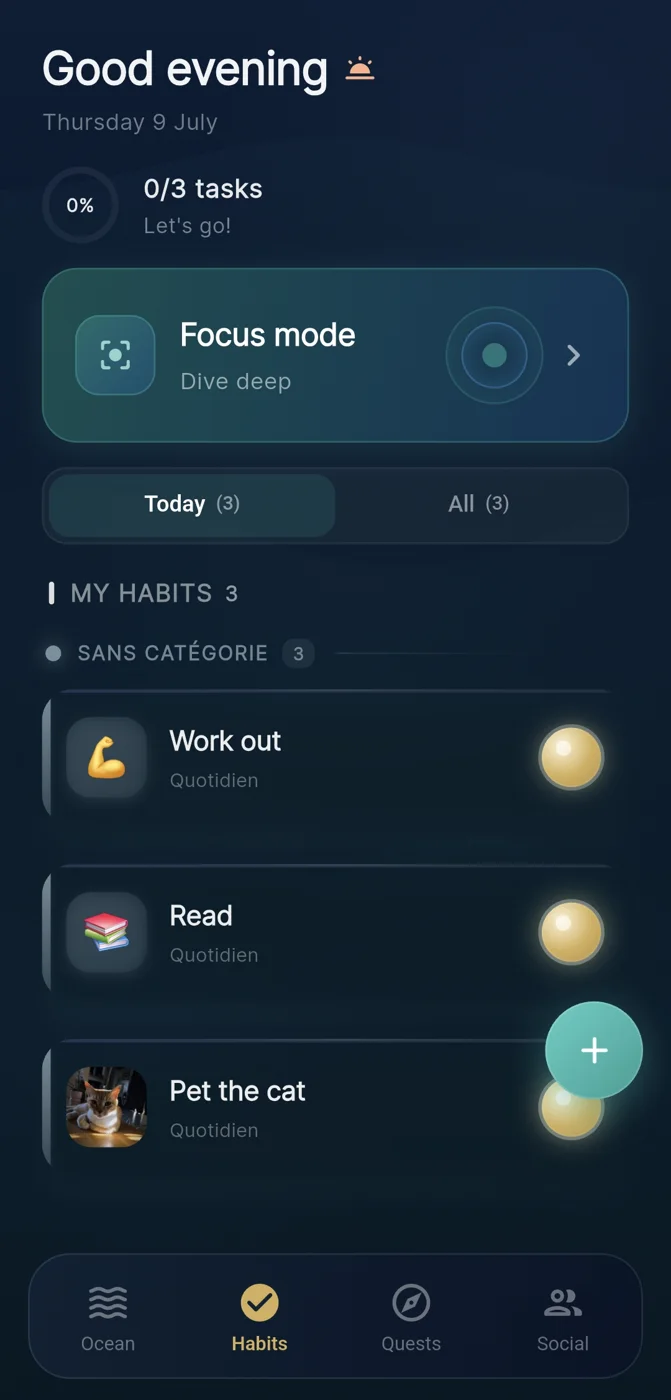
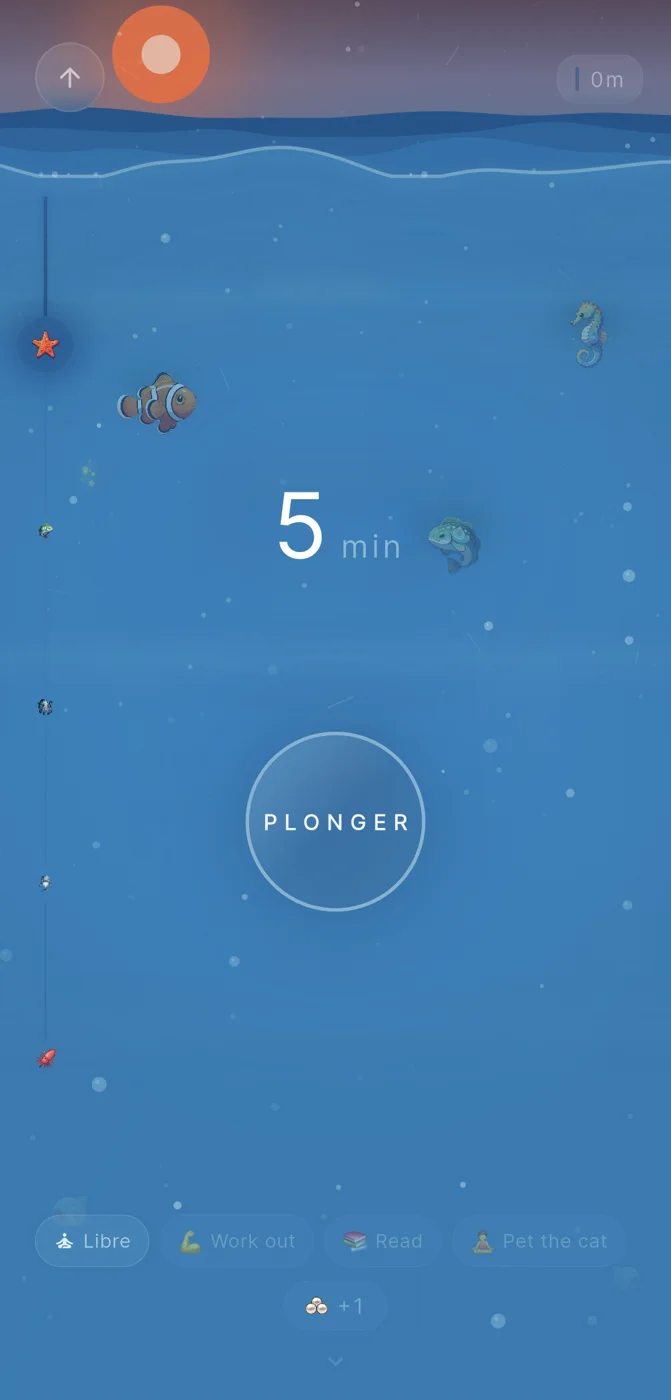
Reef is a habit tracker from IVRYN for iOS and Android in which each finished habit adds a pearl to a growing ocean, so progress stays visible, and joining a crew is a choice rather than a requirement. A streak freeze can cover an off day, which matches the gentle-recovery criterion described above.
This article draws only on that public product context. Reef has not published a first-party study on accountability partners, so nothing here should be read as a measured result or a promise of behaviour change. The design reasoning behind its habit features is set out on Reef's methodology page (https://reeftogether.com/methodology.html), and readers weighing game-like reward systems can continue with its gamified habit tracker guide (https://reeftogether.com/guides/gamified-habit-tracker-app/).
Frequently asked questions
Does an accountability buddy app still help if I use it without a partner?
Partly. An accountability buddy app used alone usually still records completed and missed days, which gives you a visible history of your habit. What is missing is the social element of another person noticing your progress, so solo use is better described as self-tracking than accountability.
What should I do if my accountability partner stops checking in?
Raise it directly and agree whether to reset the check-in rhythm, find a new partner or continue alone. Partners drift for ordinary reasons such as busy schedules, so it helps to plan for this from the start and keep the habit small enough to continue without anyone watching.
Is it safe to share habit data through an accountability buddy app?
It depends on the app. Check what your partner can see, whether sharing can be limited to specific habits, and how the company handles and earns money from user data. Verify these terms when you sign up, because privacy policies and features can change over time.
Sources and further reading
These resources provide the wider reference frame. Product statements on this page are limited to the public information provided by Reef.