 Reef
Reef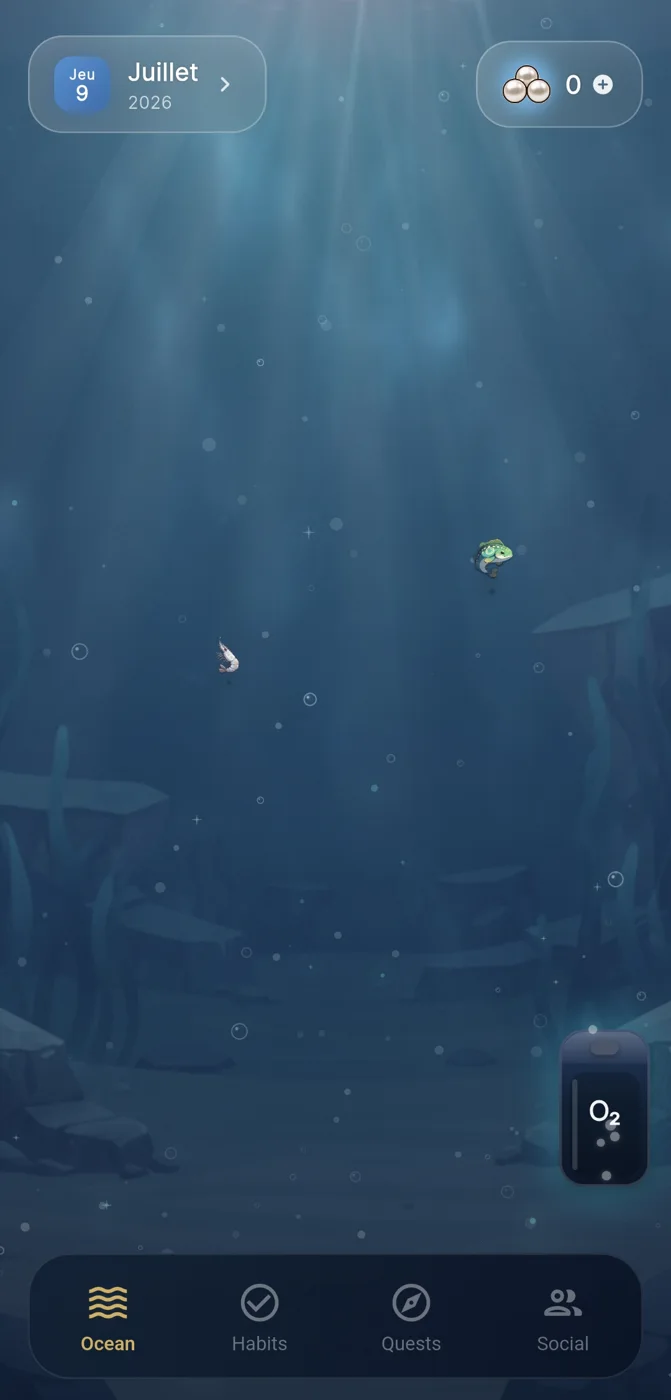
What a month long habit tracker is for
A month long habit tracker is a simple way to make one repeated action visible across roughly four weeks. It can help turn an intention such as reading, stretching, preparing lunch, or protecting a focus block into a series of small check-ins rather than a vague monthly goal.
The useful question is not whether a tracker can force a habit to stick. It cannot guarantee a behaviour change. Instead, ask whether the format helps you notice what you planned, what happened, and what adjustment would make tomorrow easier. A visual tracker is particularly helpful when you want the record itself to make progress feel tangible.
How to choose a month long habit tracker
Choose a tracker that matches the action you actually want to repeat. A habit should be concrete enough to mark honestly: “write for ten minutes” is clearer than “be more creative.” If focus is the real constraint, include a separate, bounded session such as one distraction-reduced work period rather than treating all productivity as a habit.
The tracker should also leave room for imperfect weeks. A month has travel, illness, deadlines, and changing energy. Look for a system that lets you resume after a missed day without turning the record into a verdict on your character. The point is to support a repeatable next action, not to preserve an unbroken visual streak at any cost.
- Define the smallest version of the action you can complete on an ordinary busy day.
- Choose one clear completion rule before the month starts.
- Decide whether private tracking is enough or whether optional accountability would be useful.
Visible progress in a month long habit tracker
Visible progress can make repetition easier to interpret. A calendar, collection, or evolving visual scene gives each completed action a place, so the month becomes more than a memory of whether you “did well.” It can reveal useful patterns: perhaps mornings work better, weekends need a lighter version, or one habit competes with another.
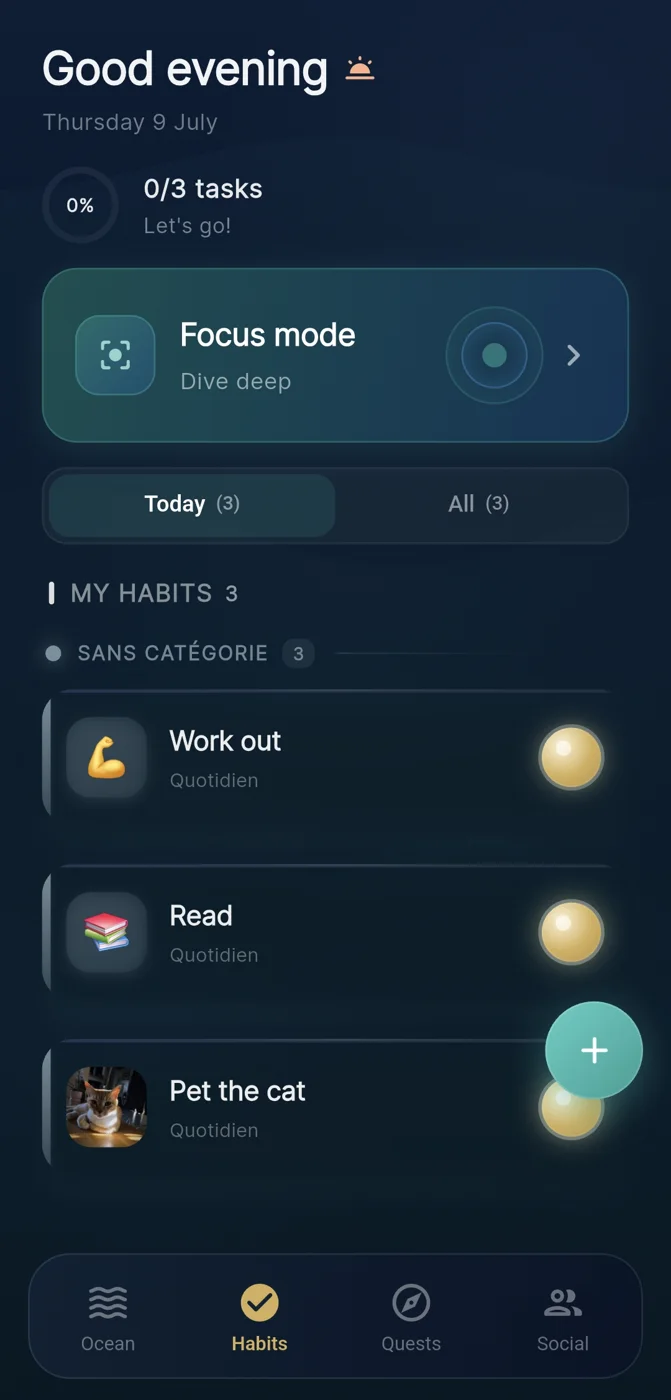
Reef is an IVRYN habit tracker for iOS and Android that uses an ocean-based visual system. When you mark a habit complete, a pearl is added to an evolving ocean view. This does not establish that the visual will change behaviour for every person; it offers a concrete record for people who prefer progress to feel more alive than a row of checkmarks.
Protecting focus time without overloading the plan
Some monthly plans fail because the desired habit needs attention, not just a reminder. In that case, schedule a modest focus session alongside the habit. Keep the duration realistic and make the start cue specific, such as after coffee or immediately before opening email.
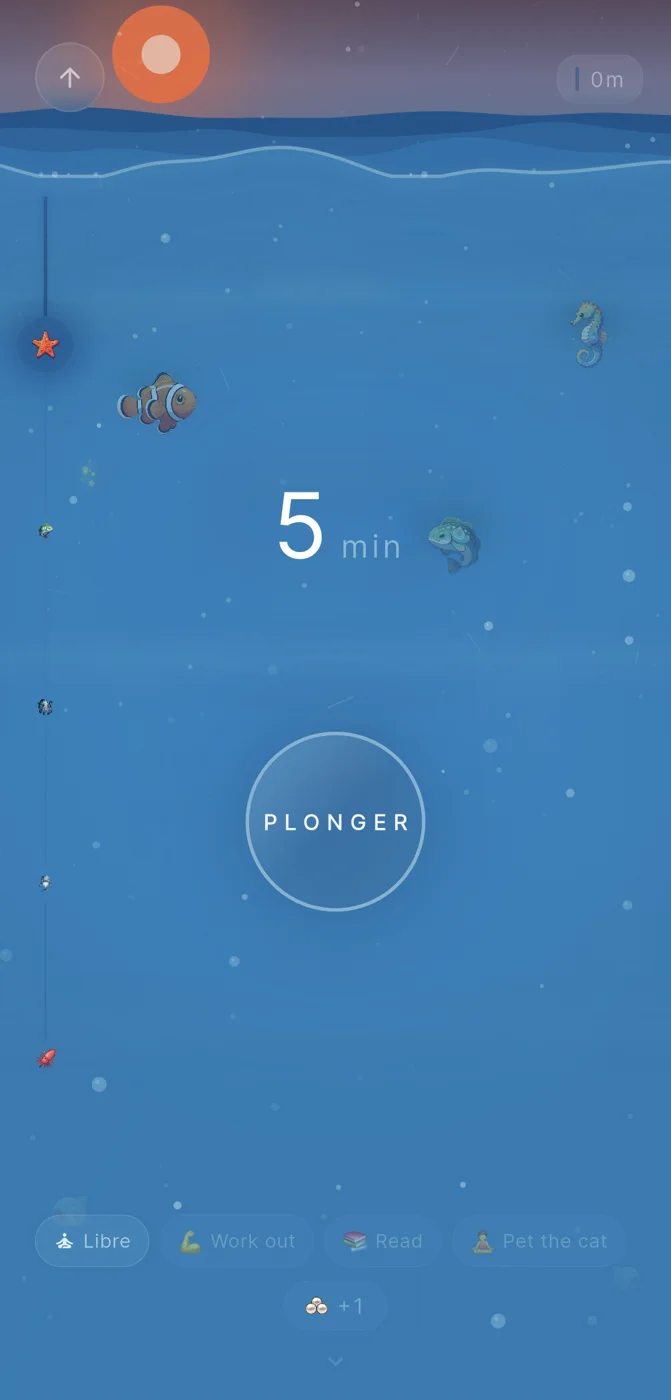
Reef also frames focus sessions as dives and awards pearls for completed focus time. That can connect a protected work block to the same visual record as everyday habits. Treat this as a design choice for making planned time visible, not as a promise that a timer will remove distraction or produce a particular result.
Example: a gentle four-week decision aid
Example: Maya wants to restart a writing practice but has stopped after setting overly ambitious targets. She chooses “write for ten minutes” as her month-long habit, defines completion as opening her draft and writing for the full ten minutes, and adds two 25-minute focus dives each week for longer work.
Her review rule is deliberately gentle: after a missed day, she does not add extra work as a penalty. She resumes the next planned day and asks whether the cue, timing, or minimum version needs changing. At the end of each week, she looks at the visible record to identify conditions that supported action rather than judging the total as success or failure.
- Week 1: test the cue and completion rule.
- Week 2: reduce friction, such as preparing the document in advance.
- Week 3: add optional accountability only if it feels supportive.
- Week 4: keep, simplify, or replace the habit based on what the record shows.
Optional social accountability and its limits
Sharing a goal can create a useful moment of reflection, but it should remain a choice. Some people benefit from a small crew that sees their intentions; others are more consistent when tracking privately. The right level of visibility is the one that adds encouragement without making ordinary lapses feel performative.
Reef offers optional social crews, so people can choose shared accountability rather than being required to use it. Use this feature to communicate a modest plan or celebrate completed actions if that suits you, while keeping expectations bounded: neither a social group nor an app can guarantee a health, focus, or behaviour outcome.
Frequently asked questions
How many habits should I track for a month?
Start with one habit or a very small set that fits your current routine. Add another only when the completion rules and cues are clear enough that tracking still feels calm rather than burdensome.
What should I do if I miss several days in a month long habit tracker?
Resume with the smallest workable version of the habit on the next planned opportunity. Review whether the action was too large, the cue was unclear, or the timing conflicted with your routine; missed days are information, not a reason to abandon the month.
Can social accountability guarantee that I will keep a habit?
No. Optional social accountability can offer encouragement and a shared point of reference, but it cannot guarantee continued behaviour or any health outcome. Choose it only if sharing your plan feels genuinely helpful.
Sources and further reading
These resources provide the wider reference frame. Product statements on this page are limited to the public information provided by Reef.