 Reef
Reef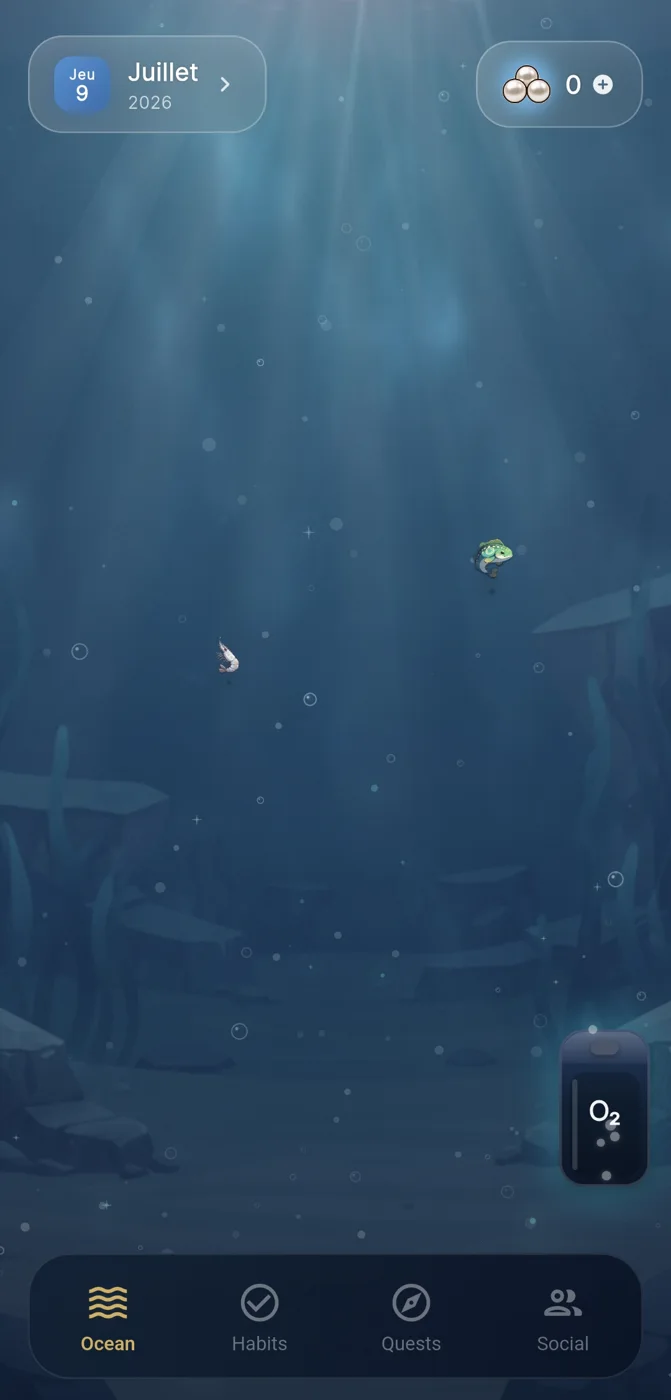
What an accountability app tracker can and cannot do
An accountability app tracker combines two things people often keep separate: a record of whether you did something, and a way to make that record matter to you or to someone else. The record is the easy part, because any checklist can capture a tick. The accountability part is harder. It depends on whether seeing the record actually changes what you do tomorrow.
That is the honest limit to understand before you install anything. An app can make repeated actions visible, remind you and give you a place to share progress. It cannot supply your reason for wanting the habit, and no tracker can guarantee a change in behaviour or health. Reef, a habit tracker from IVRYN for iOS and Android, is built around that boundary: joining a crew is your choice, and the app makes no promise about outcomes. Its public methodology page sets out the approach, and the advice below is written from the same position. Read it as guidance on using a tool well, not as a claim about results.
Start with a habit small enough to repeat on a bad day
Most tracking setups fail when the habit is defined. Goals like 'exercise more' or 'read daily' sound clear, but they give the tracker nothing precise to record, so every check-in becomes a judgement call. A habit that works well with tracking is specific, short and possible on your worst ordinary day. Ten minutes of reading, a glass of water before coffee and one focused work block are all good examples.
Size matters because accountability amplifies whatever you set up. If the target is too big, the tracker mostly records failure. A visible record of failure tends to push people away from the app rather than toward the habit. Start with one or two habits, and add more only once the first ones feel almost boring.
- Can you describe the habit in one sentence with a clear finish line?
- Could you complete it in under fifteen minutes?
- Would you still do it when tired, busy or travelling?
Visible progress should inform you, not judge you
Seeing your progress is useful because it gives you feedback. A calendar of ticks, a simple chart and a scene that grows as you complete actions all answer the same question: is this happening often enough to count as a habit yet? Choose a display you will actually look at, and one that tells you something at a glance.
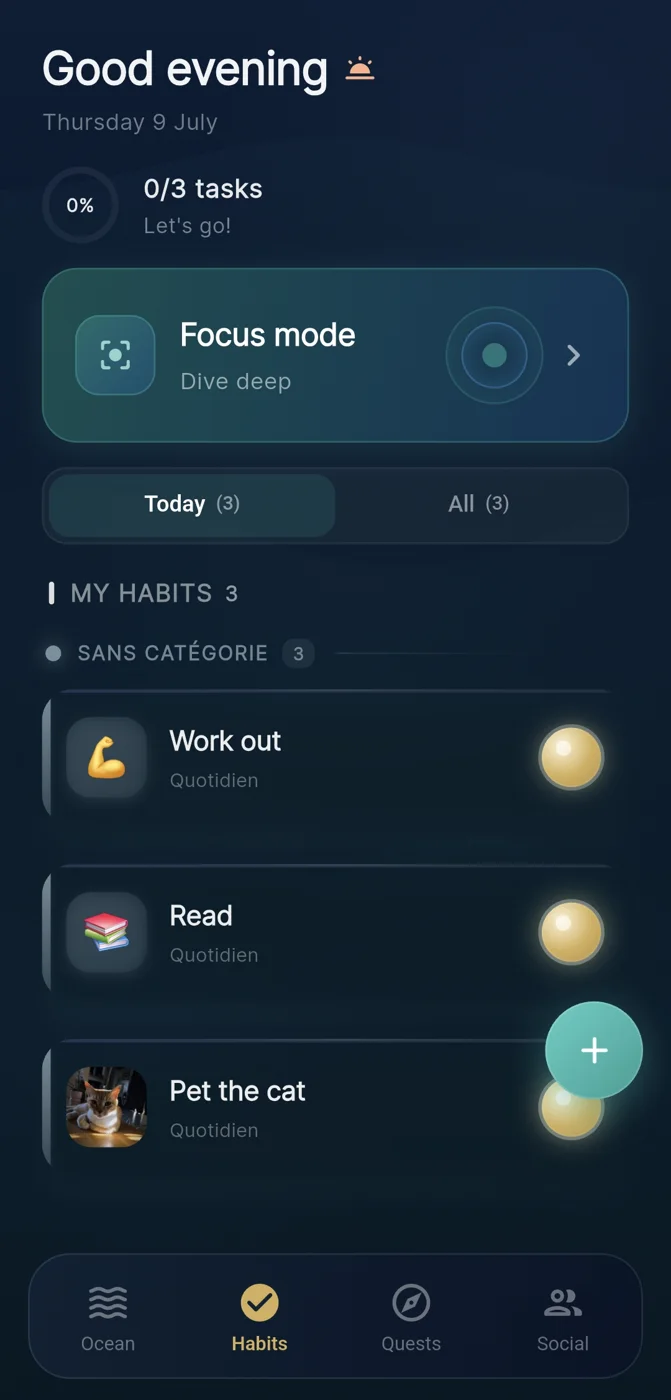
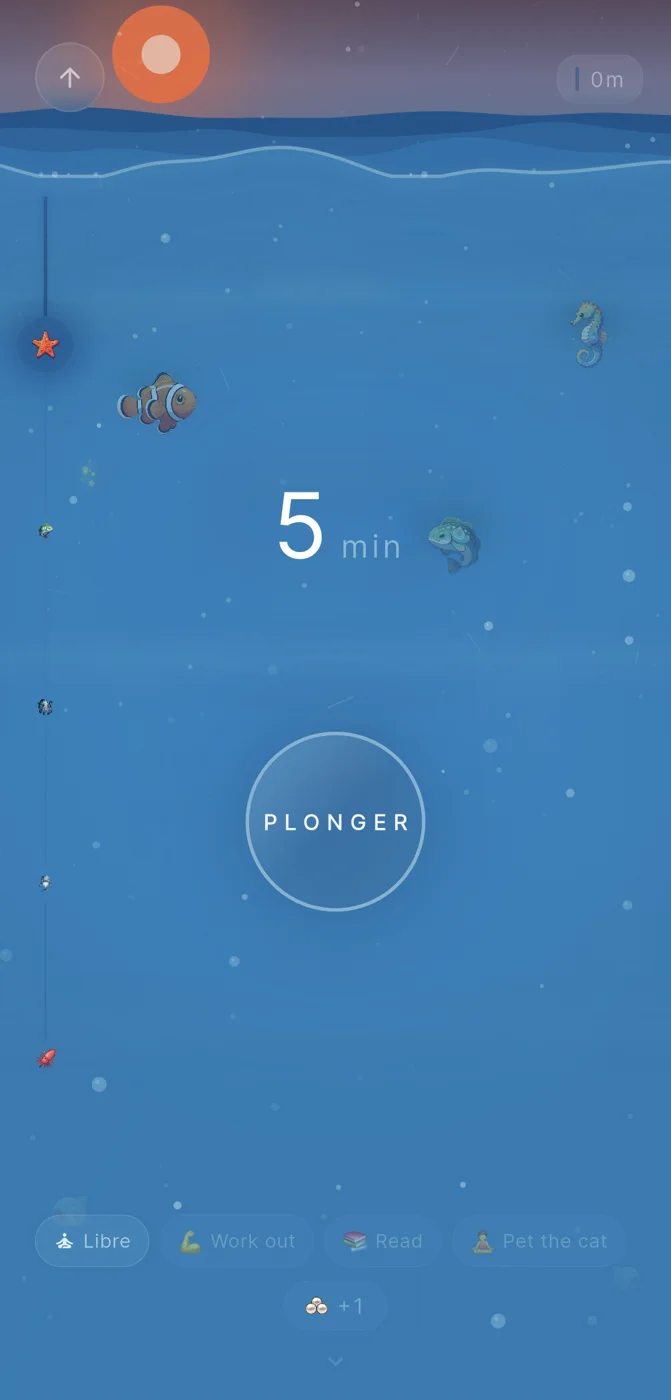
Visual or game-like trackers can help because they make a small action feel like it added something. In Reef, each finished habit becomes a pearl that gradually fills an on-screen ocean. Reef's gamified habit tracker guide explains the reasoning behind this kind of design. The trade-off with any reward layer is that the reward can start to matter more than the habit. Every few weeks, ask yourself whether you would still do the action without the visual payoff.
Plan for missed days before they happen
Missed days are not an edge case. They are part of any habit that lasts longer than a few weeks, so the real question is how your tracker treats them. Apps that reset everything to zero after one gap can make a single off day feel like the loss of a month, which is often exactly when people quit.
Look for tools or settings that let you recover gently. That might mean a way to protect a streak on a planned rest day, a tone that notes the miss without shaming you, or a view that shows how often you turned up rather than how long your unbroken run is. If your app lacks these, set the rule yourself in advance: two misses in a row means you shrink the habit, not abandon it.
Writing one line about why a day went wrong can be more useful than the tick itself. Over a few weeks, patterns such as late meetings, travel or poor sleep become visible. You can then adjust the habit to fit real life rather than an ideal week.
Social accountability works best when it is optional
Sharing progress with a friend, a partner or a small group is the feature most people associate with accountability apps. For some people, knowing that someone will see the record is the push they need. For others, it adds pressure that turns a private habit into a performance, and they stop logging honestly.
Treat sharing as a dial rather than a switch. Track privately for a week or two, then invite one person you trust to react calmly to a missed day. Agree on what you will share, such as completions only rather than details, and on how either of you can step back. Be wary of groups where the main activity is comparing streaks, because comparison rewards whoever picked the easiest habit.
Before inviting anyone, read how the app handles your data. Check whether it shows ads and whether it passes information to third parties. These policies differ between products and can change, so check the current terms rather than relying on older reviews.
Example: a two-week test before you commit
The following is a hypothetical example, not a report of anyone's results. Imagine someone who wants to protect a daily writing block. In week one, they track a single habit privately: twenty minutes of writing before checking email. Whenever they miss a day, they add one line explaining what got in the way.
At the end of week one, they review the record. In this example they wrote on five of seven days, and both misses fell on days with early meetings. Instead of pushing harder, they move the block to lunchtime on meeting days. In week two, they invite one colleague to see completions only. At the end of the fortnight, they decide whether the shared view helped or added pressure, and adjust from there.
- One habit, defined in a sentence and finishable in under twenty minutes
- A visible record you check at a fixed time each day
- A written rule for what happens after a missed day
- Sharing switched off for the first week
- A review date to decide whether to keep, shrink or change the habit
- A quick read of the app's privacy terms before inviting anyone
Frequently asked questions
Does an accountability app tracker guarantee that I will build a habit?
No. An accountability app tracker can make repeated actions visible, send reminders and, if you choose, let others see your progress. Whether a habit sticks depends on how well it fits your routine, how small you make it and how you respond to missed days. Treat any app as a support tool, and be cautious of products that promise specific behaviour or health results.
Should I share my habit tracking with friends or a group?
Only if it helps you. Some people find that a trusted person seeing their progress keeps them consistent, while others feel pressured and start logging dishonestly. A practical approach is to track privately for a week or two, then invite one person, share only completions and agree in advance how either of you can stop.
What should I do when I miss a day in a habit tracker?
Treat one missed day as normal information rather than failure. Note briefly what got in the way, then continue the next day. If you miss two days in a row, consider making the habit smaller or moving it to a different time. Tools that let you protect a streak on a rest day, or that show overall frequency rather than unbroken runs, can make recovery easier.
Sources and further reading
These resources provide the wider reference frame. Product statements on this page are limited to the public information provided by Reef.