 Reef
Reef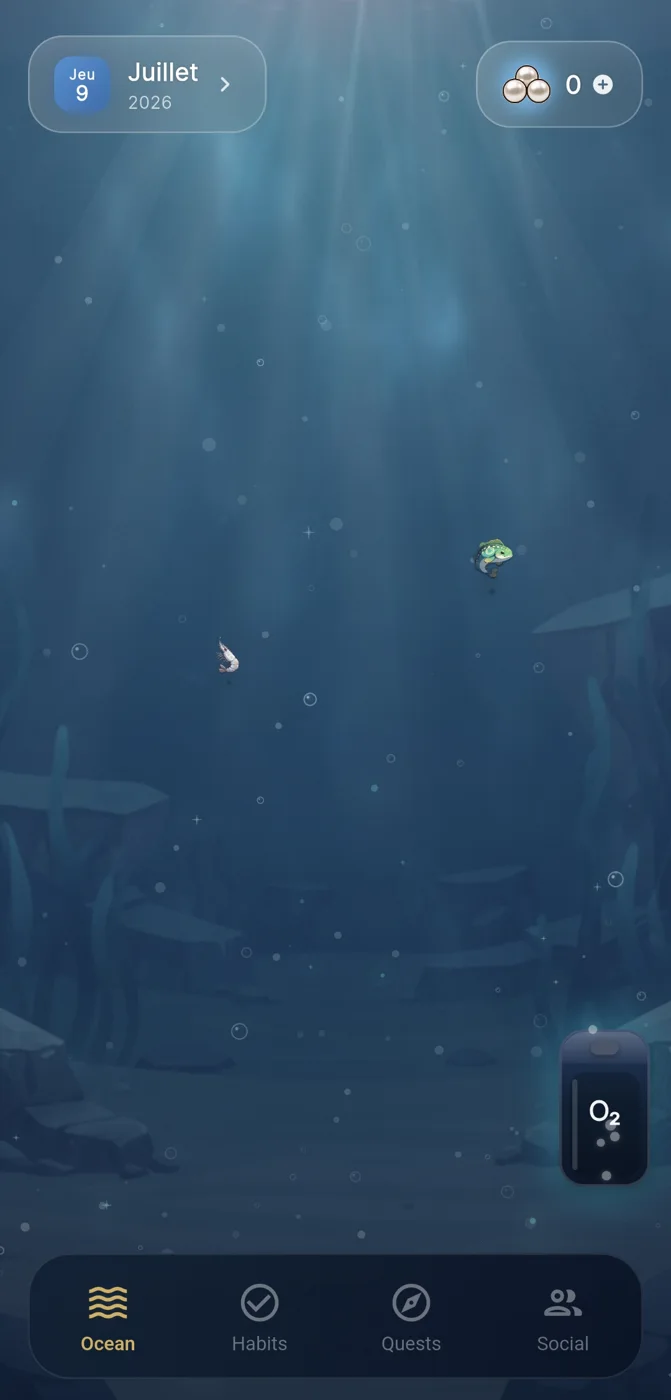
What an accountability app for Android can and cannot do
People searching for an accountability app for Android usually want one of two things: a way to notice whether they actually did what they planned, or a way to let someone else notice. Both are reasonable goals, but they are different jobs. A good app makes repeated actions visible. It does not make them happen. Holding that distinction in mind before you install anything saves a lot of disappointment later.
Accountability in this sense is mostly about feedback. You set a small intention, you record whether it happened, and the app turns that record into something you can see at a glance. If other people are involved, they see some of that record too. The value comes from the loop being short and honest, not from the app being clever.
This article is written from Reef's perspective as a habit and focus app, and the advice stays within what its public methodology and product pages describe. It does not rank other apps or report test results, because none were carried out.
Decide which kind of accountability you need
Before comparing apps, decide whether you need self-accountability, social accountability or both. Self-accountability means a private record you check against yourself. Social accountability means another person or a small group can see your progress. Some people find a witness motivating; others find it adds pressure that makes them avoid the app entirely.
A useful test is to imagine missing three days in a row. If the thought of a friend seeing that gap would push you back on track, social features may help. If it would make you quietly uninstall, start private and keep sharing optional. An app that lets you add or remove the social layer without losing your history gives you room to find out which applies to you.
Also decide what you are tracking. Repeated habits, such as a short walk or ten minutes of reading, suit a daily check-in. Deep work suits timed focus sessions. Many people need both, so it helps if one app can hold habits and focus time together rather than splitting your record across tools.
A checklist before you install
The points below are practical filters rather than a scoring system. They come from the principles Reef sets out publicly: small repeatable habits, visible progress, gentle recovery after missed days, and social accountability that stays optional.
On Android specifically, test how reminders behave on your own phone before a routine depends on them, and review the app's battery impact during a trial week. A week of ordinary use tells you more about how an app fits your device and your day than any feature list.
- Can you define a habit small enough to do on a bad day?
- Is progress visible in one glance, without digging through menus?
- What happens after a missed day: a reset to zero, a gentle prompt, or a way to protect a streak?
- Is sharing opt-in, and can you leave a group without deleting your data?
- Is the business model clear: ads, data resale, or a paid tier?
- Does the app avoid promising health or behaviour outcomes?
Worked example: a hypothetical two-week setup
Example (hypothetical, not a real user): Sam wants to read more and stop losing evenings to scrolling. Instead of a vague goal, Sam sets one habit, reading for ten minutes after dinner, and one twenty-minute focus session for a side project on weekdays. Both are deliberately small so that a tired evening does not break the pattern.
In week one Sam keeps everything private and simply checks the record each night. By the end of the week there are two missed evenings. Rather than restarting, Sam notes what got in the way and keeps the habit the same size. In week two Sam invites one friend to see the reading habit only, leaving the focus sessions private. The friend's role is to notice, not to nag.
The point of the example is the sequence: start small, watch the record honestly, recover without punishment, and add a witness only once you know whether it helps. Nothing about this guarantees Sam reads more in month two. It just makes the pattern visible enough to adjust.
Limits worth knowing before you rely on any app
No accountability app can guarantee a change in behaviour or health, and you should be wary of any that implies it can. Apps record and display; motivation, circumstances and energy still decide what happens on a given day. If a habit is connected to a medical or mental health concern, a qualified professional is the right person to guide it, not a tracker.
Streaks deserve particular care. They are motivating while they last and can feel crushing when they break, which is why recovery design matters more than the streak itself. Look for apps that treat a missed day as information rather than failure. Social features carry a similar trade-off: a supportive group helps, a competitive one can turn tracking into performance.
Finally, features, pricing and availability for any app change over time. Check the current store listing and privacy details yourself rather than relying on older reviews or comparison tables.
Where Reef fits in this picture
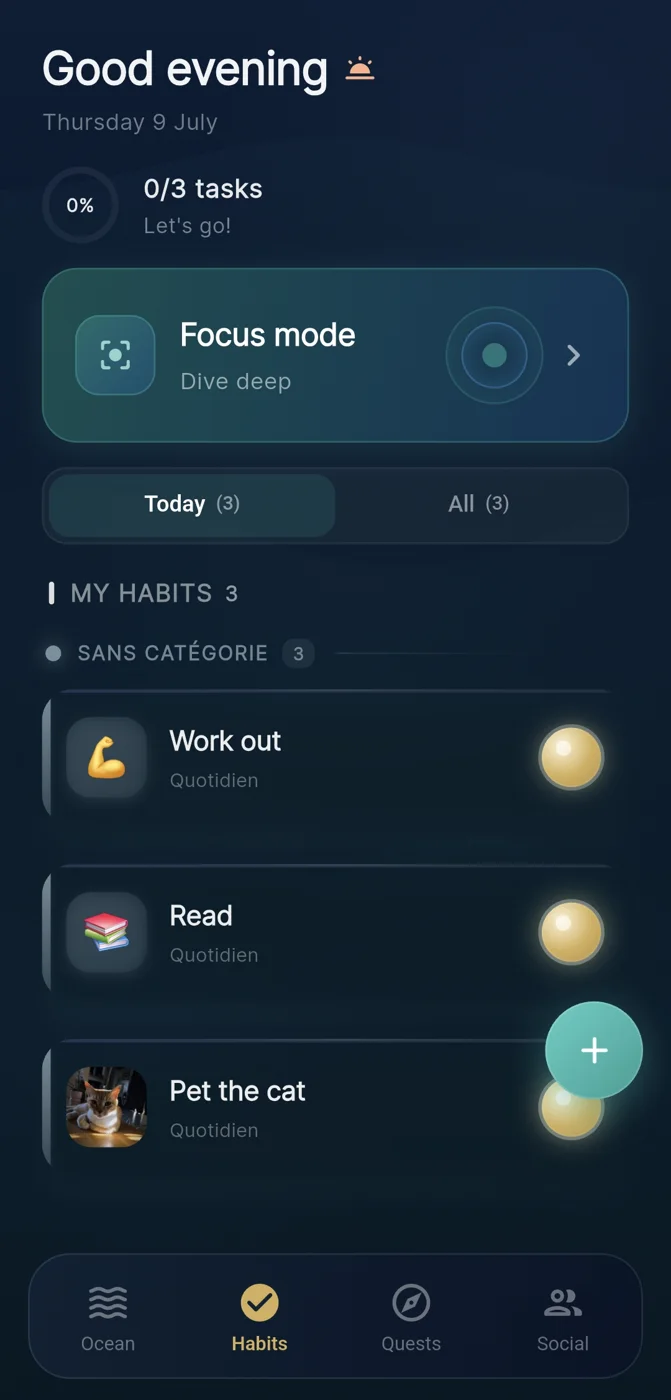
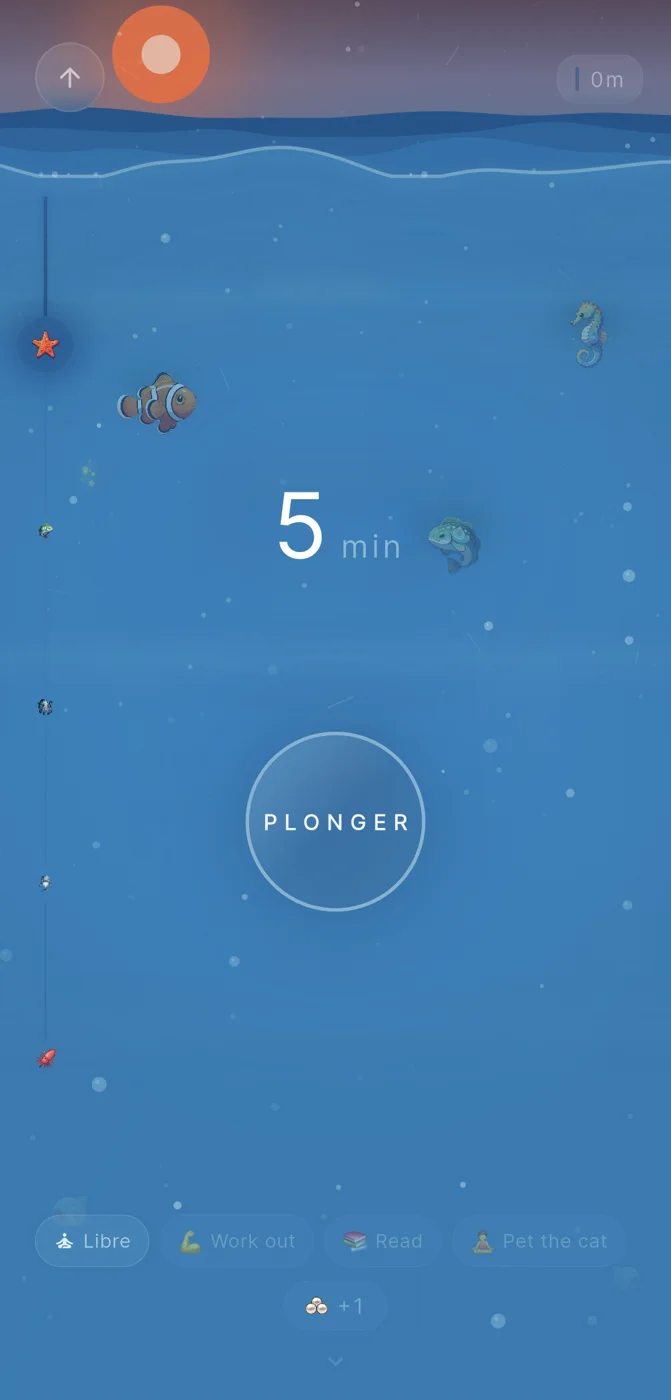
Reef is an IVRYN app on Android and iOS that turns each completed habit into a pearl added to a growing ocean, lets longer focus sessions take you deeper through five ocean zones, and keeps crews entirely optional; it costs nothing to begin, carries no ads and does not resell data. A shrimp companion called Gambi responds to good and missed days without blame, and a streak freeze can cover an off day.
Those mechanics match the checklist above, but they are design choices, not proof of results. Reef's methodology page explains the reasoning behind them, and its gamified habit tracker guide covers how visual rewards are meant to support, rather than replace, your own intentions. Use them as a reference point, apply the same checklist to any app you consider, and keep whichever one makes your small actions easy to see.
Frequently asked questions
What should I look for in an accountability app for Android?
Look for small, repeatable habits you can define yourself, progress you can see at a glance, a forgiving response to missed days, and social sharing you can switch on or off. Also check the business model, and use a trial week to test how reminders behave on your own phone and how much battery the app uses.
Do accountability apps guarantee that I will change my habits?
No. An accountability app records and displays what you do, which can make patterns easier to notice and adjust. Whether a habit sticks still depends on your circumstances, motivation and the size of the goal, and no app can honestly guarantee a behaviour or health outcome.
Is social accountability better than tracking habits privately?
It depends on the person. Some people are motivated by knowing a friend can see their progress, while others feel pressured and avoid the app. Starting privately and adding a trusted person later, only for selected habits, is a low-risk way to find out what works for you.
Sources and further reading
These resources provide the wider reference frame. Product statements on this page are limited to the public information provided by Reef.