 Reef
Reef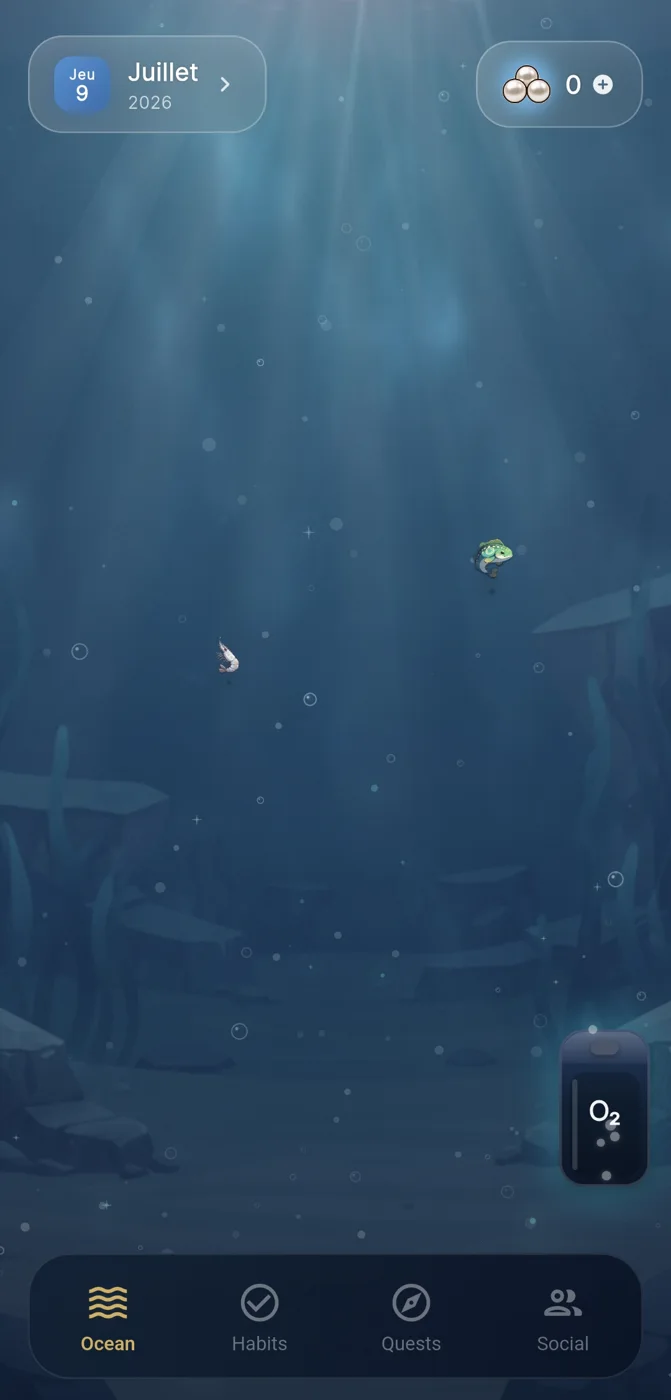
What an accountability app for friends actually does
An accountability app for friends is usually a habit tracker with a shared layer: people you choose can see whether certain actions were completed, and you can see theirs. The app does not do the habit for anyone. What it changes is visibility, because a quiet private intention becomes something a small group can notice.
That visibility is the whole mechanism, so it is worth being precise about it before you act. It can feel like encouragement, or it can feel like being watched. Which one you get depends less on the app than on who is in the group, what is shared and how missed days are handled.
When sharing progress with friends helps, and when it backfires
Shared tracking tends to suit people who already like checking in with each other and who agree on what counts as support. A friend noticing a completed week can make the next week easier to start. It works best when everyone chose to join and when the habits are small enough that showing up is realistic most days.
It backfires when the group turns into a scoreboard. If one person's streak becomes a quiet comparison, or a missed day draws commentary, the app starts adding pressure rather than structure. Some people respond to that by hiding their lapses or quitting the group, which defeats the purpose.
A useful rule: social accountability should be optional and reversible. You should be able to keep tracking privately, leave a group without drama and decide exactly what others see.
Start with one small habit you can actually repeat
Before inviting anyone, pick a habit small enough that you could do it on a tired day: a short walk, ten minutes of reading, one focused work block. Friends can support consistency, but they cannot rescue a goal that is too large to repeat.
Visible progress matters here. Seeing completed days accumulate, whether as a chart, a streak or a growing visual scene, gives you something concrete to look at that does not depend on anyone else's reaction. If the tracking already feels rewarding alone, adding friends becomes a bonus rather than a crutch.
Plan for missed days before they happen
Every habit has off days. The question is what the app and the group do when one arrives. If a single miss erases weeks of visible progress, the incentive is to give up or to hide. Look for tools that let you protect a streak occasionally or that treat a miss as a pause rather than a failure.
Agree with your friends on a tone in advance. Something as simple as 'no comments on missed days, only on restarts' can keep the group supportive. Gentle recovery is not lowering the bar; it is what lets people return the next day instead of disappearing.
Example: deciding whether to invite friends (hypothetical)
This is an illustrative scenario, not a reported case. Imagine Sam wants to read before bed and is considering a shared tracker with two friends. Sam has tracked alone for two weeks, missed three evenings and restarted each time without much trouble.
Sam runs through a short checklist before inviting anyone. Because the private habit is already stable and both friends have said they want low-pressure check-ins, Sam decides to invite them, share only the reading habit and keep other habits private. If the group starts to feel like a competition, Sam's plan is to leave it and continue alone.
- Have I repeated this habit on my own for at least a couple of weeks?
- Did each friend actively choose to join, rather than being added?
- Can I control which habits are visible and keep others private?
- What happens to my progress after a missed day?
- Have we agreed how to respond when someone misses?
- Can I leave the group and keep my own history?
Where Reef fits, and the limits that apply
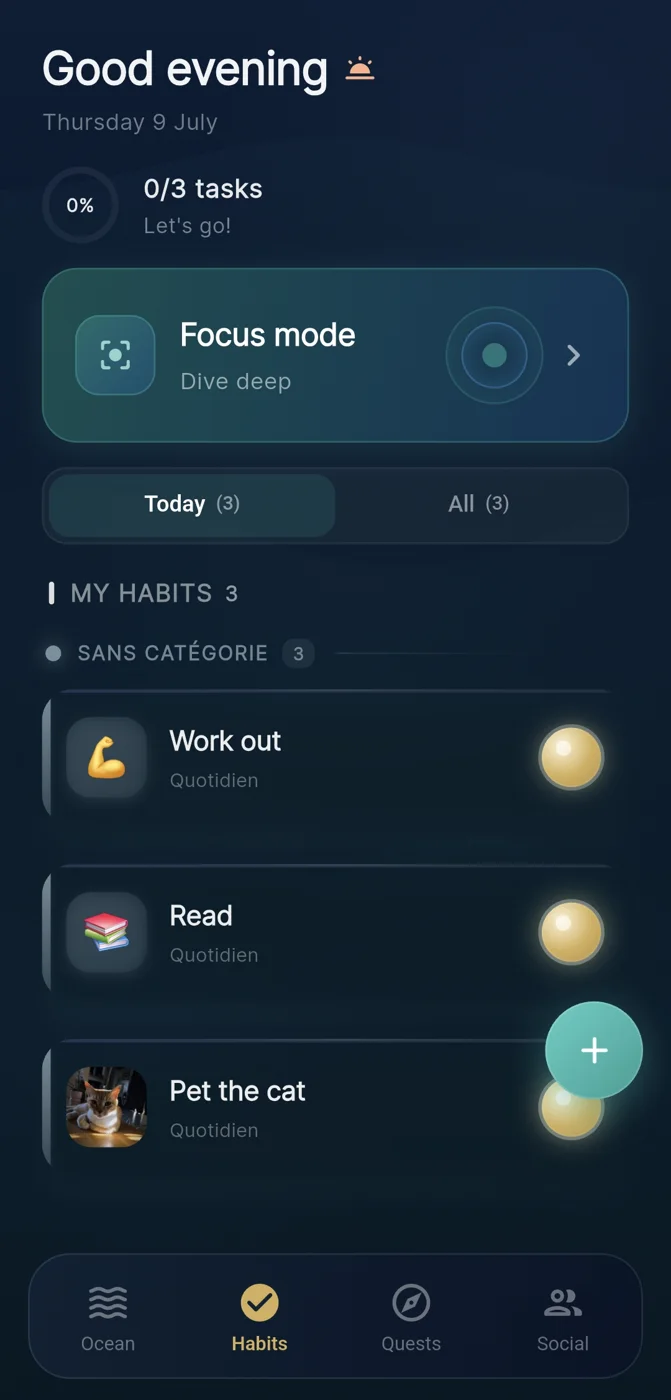
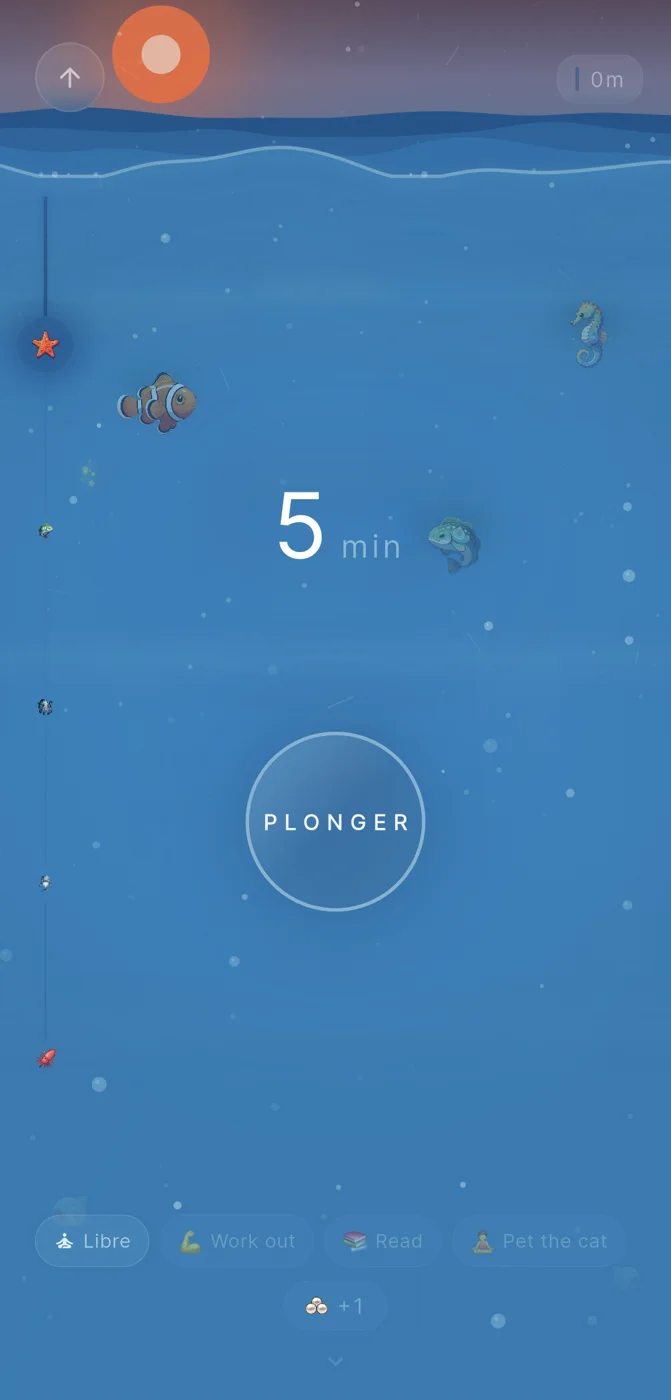
Reef, a habit tracker from IVRYN for iOS and Android, treats crews as an opt-in layer: you can build habits, protect focus time and watch completed days add to a small living ocean without ever inviting anyone. It also offers a streak freeze for off days, and it makes no promise that any behaviour or health outcome will follow.
That boundary applies to every app in this category. Reef's published methodology and its guide to gamified habit tracking describe how the design approaches habits; they are not evidence that a shared tracker will change your behaviour. Treat any accountability app as a tool for making repeated actions visible, then judge it by whether you keep coming back to it.
Frequently asked questions
Is an accountability app for friends better than tracking habits alone?
Not necessarily. Shared tracking can help people who enjoy low-pressure check-ins, but it can add stress if it turns into comparison. A sensible approach is to build a habit privately first and add friends only if everyone has chosen to join.
What should a habit tracker do when I miss a day?
A supportive tracker treats a missed day as a pause rather than a reset of everything you have built. Features such as a streak freeze, or simply agreeing with your group not to comment on misses, make it easier to restart the next day.
Can a shared habit app guarantee that I will change my behaviour?
No. A habit or accountability app can make repeated actions visible and give friends a way to encourage each other, but no app can guarantee a behaviour or health outcome. Results depend on the habit, the person and the circumstances.
Sources and further reading
These resources provide the wider reference frame. Product statements on this page are limited to the public information provided by Reef.