 Reef
Reef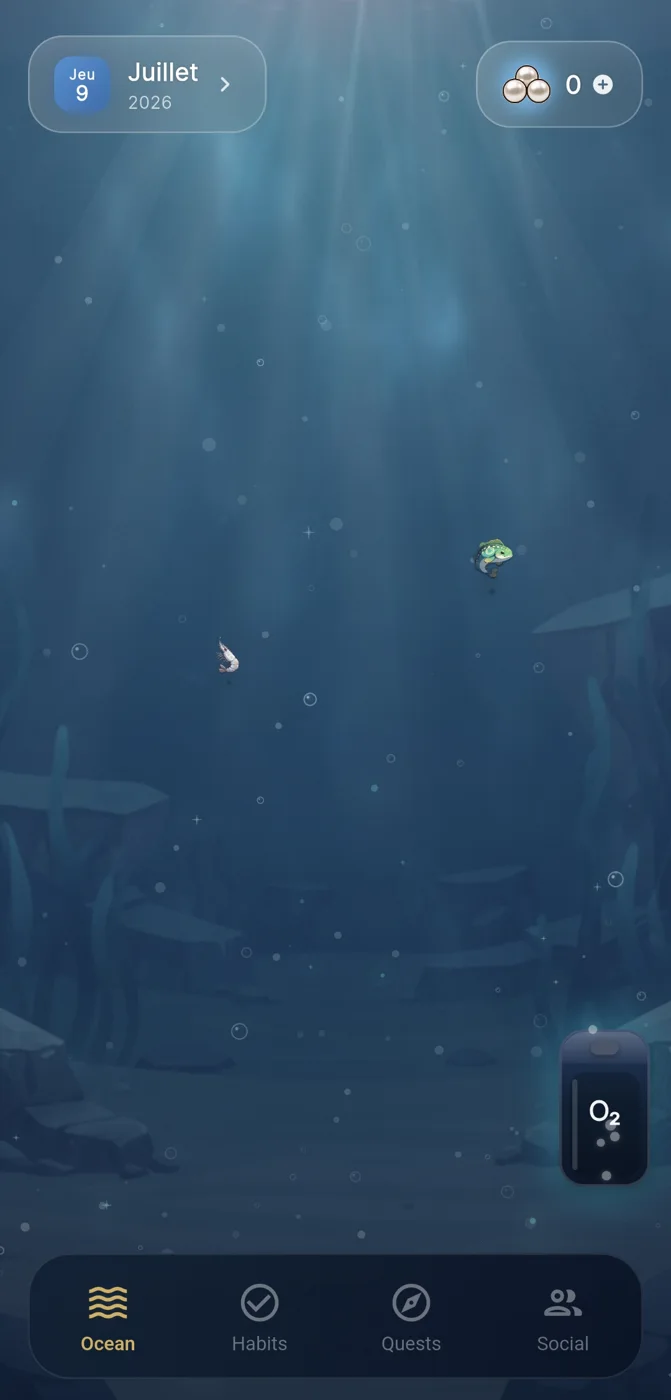
What an accountability mobile app actually does
An accountability mobile app is a tool that makes your intentions visible, either to yourself or to people you choose. At its simplest, it records whether you did the thing you said you would do. More elaborate versions add reminders, progress visuals, shared groups or check-ins with a partner. What they all have in common is that they turn a private promise into something you can see and, if you want, something others can see too.
Before acting on any app, it helps to separate two kinds of accountability. Self-accountability is about noticing your own pattern: did you show up today, and how often over the last month? Social accountability adds another person or group who will notice alongside you. Both can be useful, but they work differently, and an app that forces the second when you only want the first can feel like pressure rather than support.
The limits every accountability app shares
No app can do the habit for you. It can lower friction, remind you and make progress easier to see, but the action still happens in your life, not on your screen. Be cautious of any product that promises a guaranteed change in behaviour, mood or health. Those outcomes depend on circumstances, motivation and support that a phone cannot control, and responsible tools say so openly.
There is also a quieter limit: tracking can become the goal. If logging a habit starts to matter more than the habit itself, or if a broken record makes you want to quit entirely, the app is working against you. A good accountability setup should make returning easy, not make missing feel catastrophic. For anything touching health, medical decisions or serious personal difficulties, an app is a companion to qualified help, never a substitute for it.
Start small and make progress visible
A reasonable working hypothesis is that accountability is easier to sustain on actions small enough to repeat on a hard day. Ten minutes of reading, a short walk or one page of notes is simpler to keep visible than an ambitious target you hit twice a week. When the unit is small, the record is more likely to fill in, and some people may find a filling record encouraging, though that is a suggestion about motivation rather than an established effect.
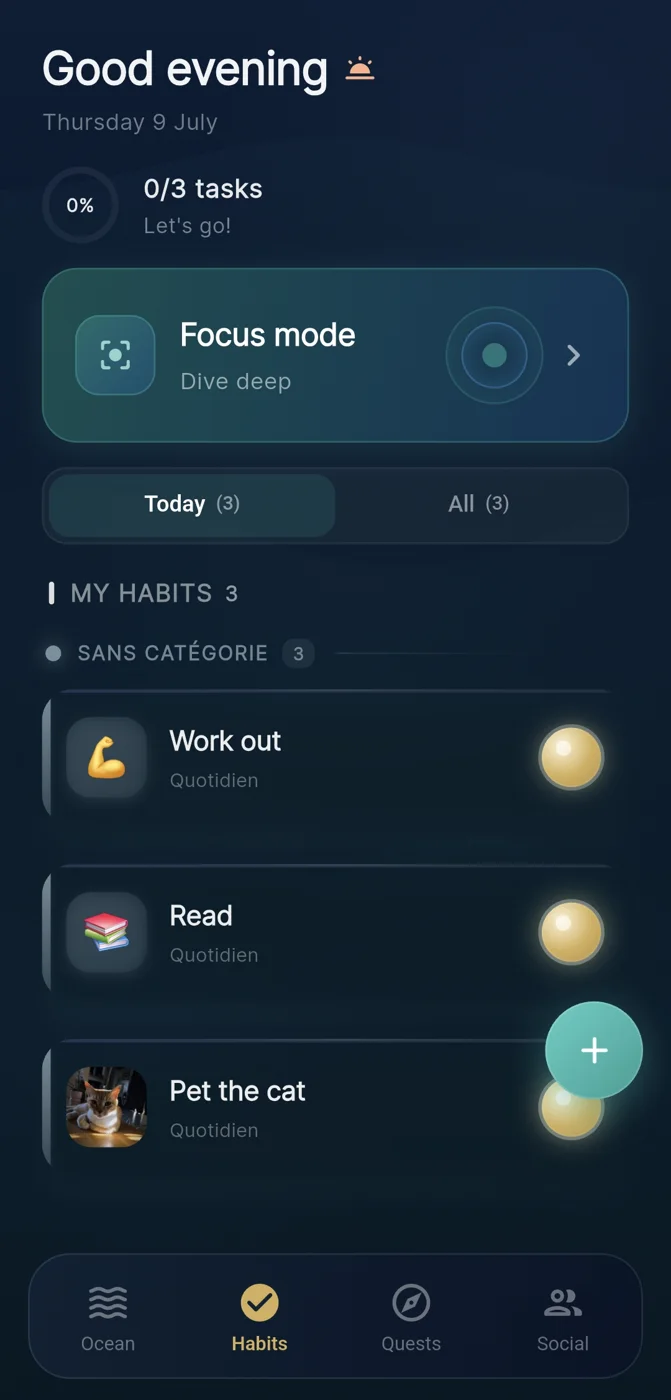
Visible progress can help because memory of past effort can be unreliable. Without a record, it is easy to misjudge how often you showed up. A calendar, a chart or a visual scene that grows with each completed day gives you something concrete to check instead of relying on recall. Methodology pages such as Reef's describe this kind of design reasoning; read them as an explanation of intent, not as proof of results.
- Pick one to three habits, not ten.
- Define each habit so it can be done in under fifteen minutes if needed.
- Choose an app whose progress view you actually enjoy opening.
Missed days and gentle recovery
Every honest accountability plan includes missed days. Illness, travel and ordinary tiredness will interrupt any streak. The question is what the app does next. Some tools reset everything to zero with a stark message, which can turn a single gap into a reason to stop. Others treat a miss as information and make the next day the obvious place to resume.
When comparing apps, look for features that soften the edge of a miss: a way to protect a streak on an occasional off day, neutral rather than scolding language, and a history view that still shows everything you did before the gap. Reef, for instance, lets a streak freeze cover an off day, and its shrimp companion Gambi responds to both completed and skipped days without assigning blame.
Social accountability, only when you choose it
Sharing progress with a friend or small group can help, especially for people who keep promises to others more easily than to themselves. It can also add comparison, embarrassment or obligation that some people find draining. The right amount of social accountability is personal and may change over time.
That is why optional matters. An app where groups are opt-in lets you start privately and invite people later, or never. Reef, an IVRYN habit tracker for iOS and Android, follows that approach with crews you can join or ignore, and it is explicit that using the app does not guarantee any behaviour or health outcome. Whatever tool you use, check what others can see, whether you can leave a group easily, and how the app handles your data.
- Can you use the app fully without joining a group?
- Do you control exactly what others see?
- Is leaving a group quick and quiet?
- Does the app explain whether it shows ads or shares data?
Example: a two-week trial checklist
Example only, not a measured result. Imagine someone who wants to read more and protect a daily block of focused work. Instead of committing to an app for months, they run a two-week trial with a simple scorecard and decide at the end whether the tool is helping.
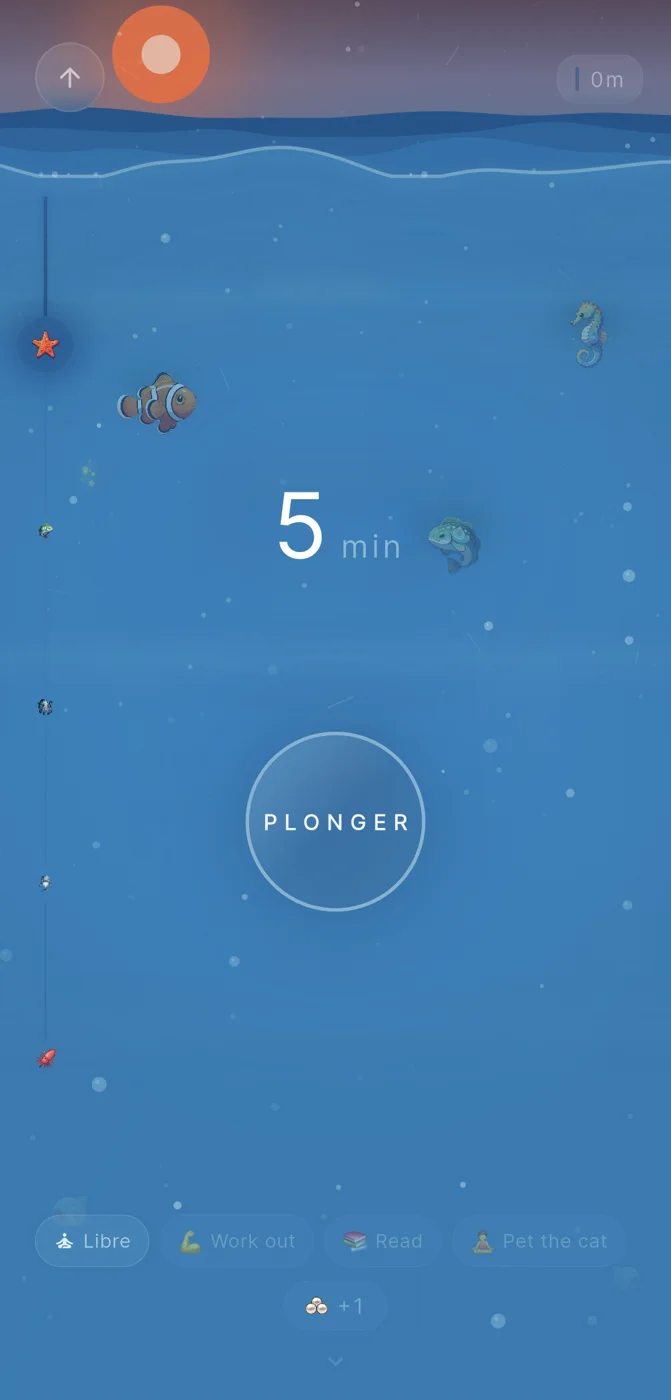
In week one, they track privately: one small reading habit and one short focus session each day. In week two, they optionally invite one friend to see their progress. At the end, they answer the questions below honestly. If most answers are no, the problem may be the habit size or the tool, not their character, and adjusting either is a reasonable next step.
- Did I open the app without dreading it on most days?
- After a missed day, did I return within a day or two?
- Did the progress view reflect my effort accurately?
- Did adding a friend help, feel neutral, or add pressure?
- Is the habit still small enough to repeat on a bad day?
Frequently asked questions
Can an accountability mobile app guarantee that I will change a habit?
No. An accountability app can make habits visible, send reminders and let you share progress if you choose, but the action still depends on you and your circumstances. Treat any promise of guaranteed behaviour or health change with caution.
Should I use social features in an accountability app from the start?
Not necessarily. Many people find it easier to begin tracking privately and add a friend or small group later. Look for an app where social features are optional and where you control what others can see.
What should an accountability app do when I miss a day?
A helpful accountability app treats a missed day as normal, uses neutral language and makes it easy to resume. Features such as an occasional streak protection and a history that keeps your earlier progress visible can reduce the urge to give up after a gap.
Sources and further reading
These resources provide the wider reference frame. Product statements on this page are limited to the public information provided by Reef.