 Reef
Reef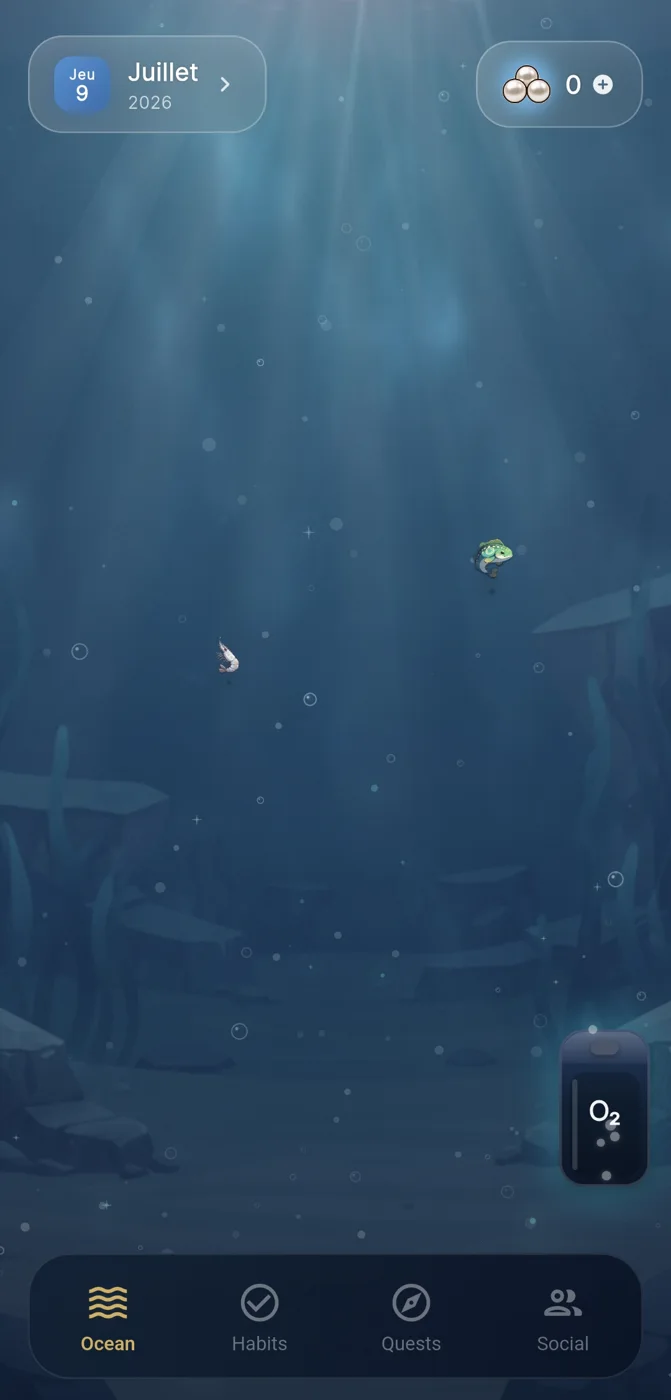
What a study accountability app actually does
A study accountability app is software that makes your study commitments visible to you, and sometimes to other people, so that sitting down to work becomes a repeated, noticeable action rather than a vague intention. It offers a record, a prompt and occasionally an audience. It does not supply motivation, understanding of the material or extra hours in the day.
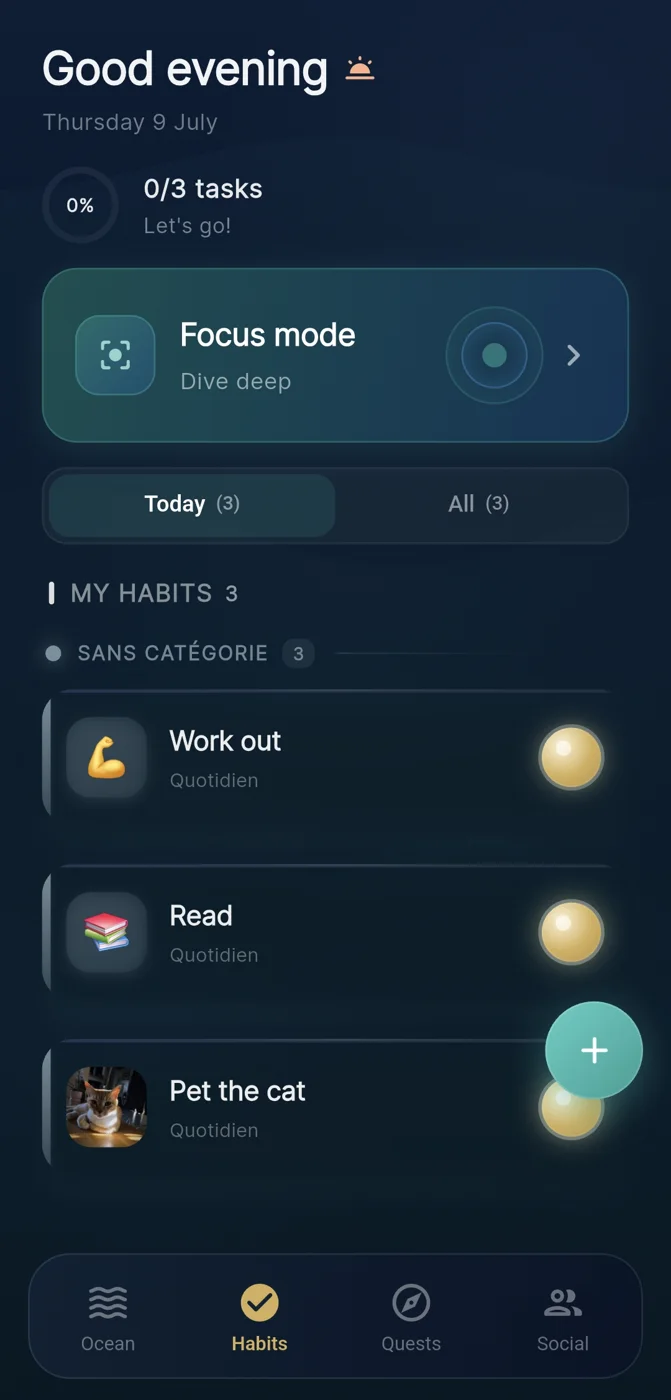
Most tools in this category combine three mechanics. A habit tracker logs whether a planned action happened. A focus timer protects a block of time and marks it complete. A social layer lets a friend or group see your progress. Each one answers a different need, so deciding which you actually lack is the most useful step before choosing.
The limits to understand before relying on one
Tracking measures behaviour, not learning. A completed fifty-minute session shows the timer ran; it says nothing about whether you understood the chapter. Treat the log as evidence that you showed up, and check comprehension separately with practice questions or past papers.
No app can promise more study time, higher marks or less stress, and claims of that kind deserve scepticism. Reef states plainly that it does not guarantee any behaviour or health outcome, which is a fair standard to apply to every tool you consider.
Pressure is the other limit. Accountability built on embarrassment or harsh streak resets can work for a week and then backfire, because one missed evening makes the whole system feel broken. If studying already feels stressful, favour designs that make recovery easy, and raise persistent stress or sleep problems with a qualified professional rather than an app.
Choosing a study accountability app: a decision checklist
Run through these questions before committing. Each maps to something you can verify in a few minutes on the provider's own pages or during a first session.
If an app fails the missed-day or privacy questions, it is usually worth moving on regardless of its other features. Pricing and features change, so confirm current details on each provider's site rather than relying on older reviews.
- Can I define a habit small enough to complete on a bad day, such as ten minutes with my notes?
- Does a finished focus session leave something visible, so completed time feels different from abandoned time?
- After a missed day, is there a way back, or does progress simply reset to zero?
- Is the social feature optional, and can I control who sees my progress?
- How is the app funded, and does it show ads or sell usage data?
- Can I start without paying, so I can test the fit before exam season?
Worked example: a hypothetical exam-season plan
Example (hypothetical): a student has a statistics exam in six weeks and keeps postponing revision. Instead of 'revise more', they set one daily habit, a single 25-minute focus session on statistics, and one weekly habit, a past-paper question set on Sunday.
In week two, shifts at a part-time job cause three missed evenings. Rather than abandoning the plan, they protect the streak on one planned off day, accept the other two misses, and shrink the daily session to fifteen minutes for the rest of the week. In week four they invite a classmate to see their progress, because both want a quiet nudge rather than a leaderboard.
The example makes no claim that the student passes or that the app caused anything. It shows how small units, visible completion and a gentle restart can keep a plan alive long enough to be judged on its results.
Where Reef fits, and where it does not
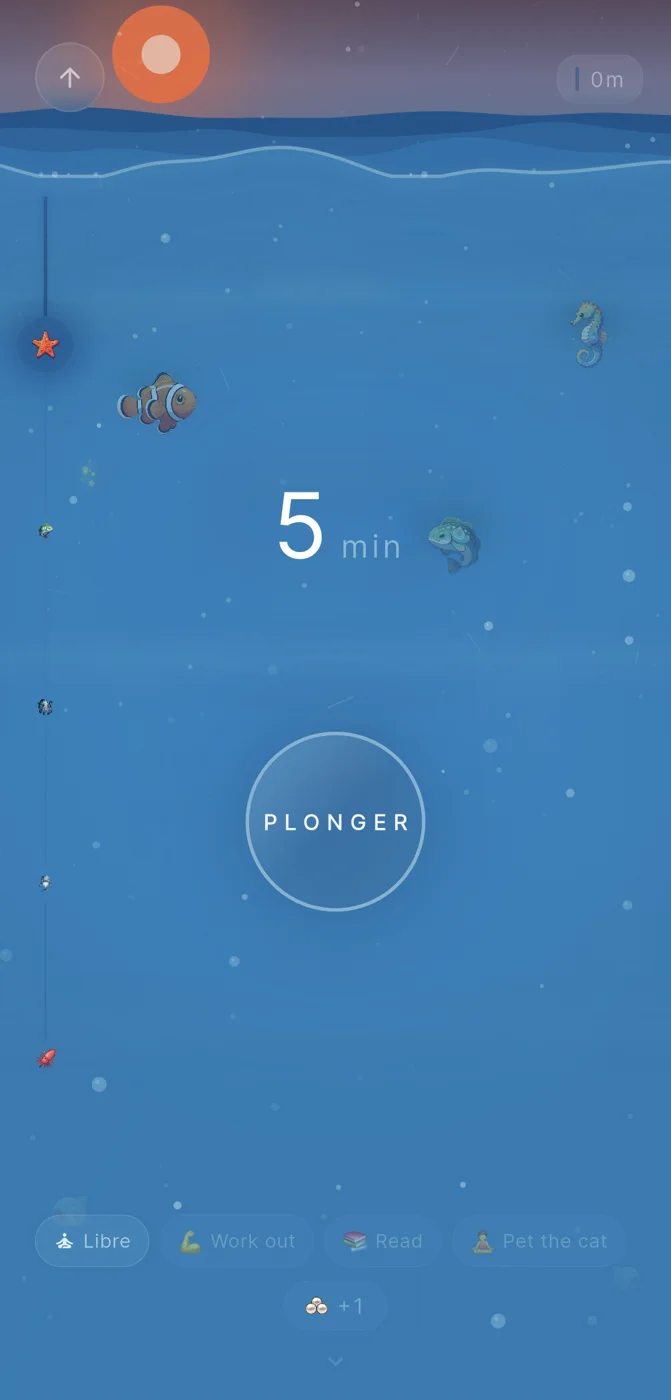
Reef is a habit tracker from IVRYN for iOS and Android, so its relevance to studying comes from general mechanics rather than study-specific features. Each finished habit drops a pearl into an on-screen ocean that grows over time, and focus sessions are framed as dives: the longer you stay with a block of work, the further you descend through five zones towards the abyss, earning pearls for completed time.
Reef's published habit design and evidence methodology and its gamified habit tracker guide explain the reasoning behind this approach; neither describes Reef studying students, and nothing here implies it did. Reef costs nothing to begin, carries no advertising and does not sell user data, which settles two checklist questions directly.
Missed days and optional social accountability
Gentle recovery matters for study because academic weeks are uneven. In Reef, a streak freeze can cover a single off day, steady effort gradually reveals creatures from a fifteen-species collection with different rarities, and Gambi, a small shrimp companion, responds to finished and skipped days without scolding. Its evening question gives you a private place to note what got in the way.
Social accountability works best when chosen. Reef's crews are optional, so a student can work alone through a stressful stretch and add a friend later. A useful rule: invite someone only if you would be comfortable telling them about a missed day, because accountability you feel the need to hide stops helping.
Frequently asked questions
Does a study accountability app improve grades?
No app can guarantee better grades. A study accountability app can make planned study sessions visible and easier to repeat, but learning depends on how you study, not only how often. Use the app's record to confirm you are showing up, and judge progress with practice questions or past papers.
Is it better to study alone or with an accountability partner?
It depends on the person and the period. Some students benefit from a friend seeing their progress, while others find it adds pressure. Choose an app where social features are optional, start alone if unsure, and add a partner only when you would be comfortable sharing missed days with them.
What should I do after missing several study days in a row?
Restart smaller rather than trying to catch up all at once. Shrink your daily study habit to something achievable, such as one short focus session, and rebuild from there. Prefer a habit app that offers a gentle way back, such as protecting a streak on an off day, over one that simply resets progress to zero.
Sources and further reading
These resources provide the wider reference frame. Product statements on this page are limited to the public information provided by Reef.