 Reef
Reef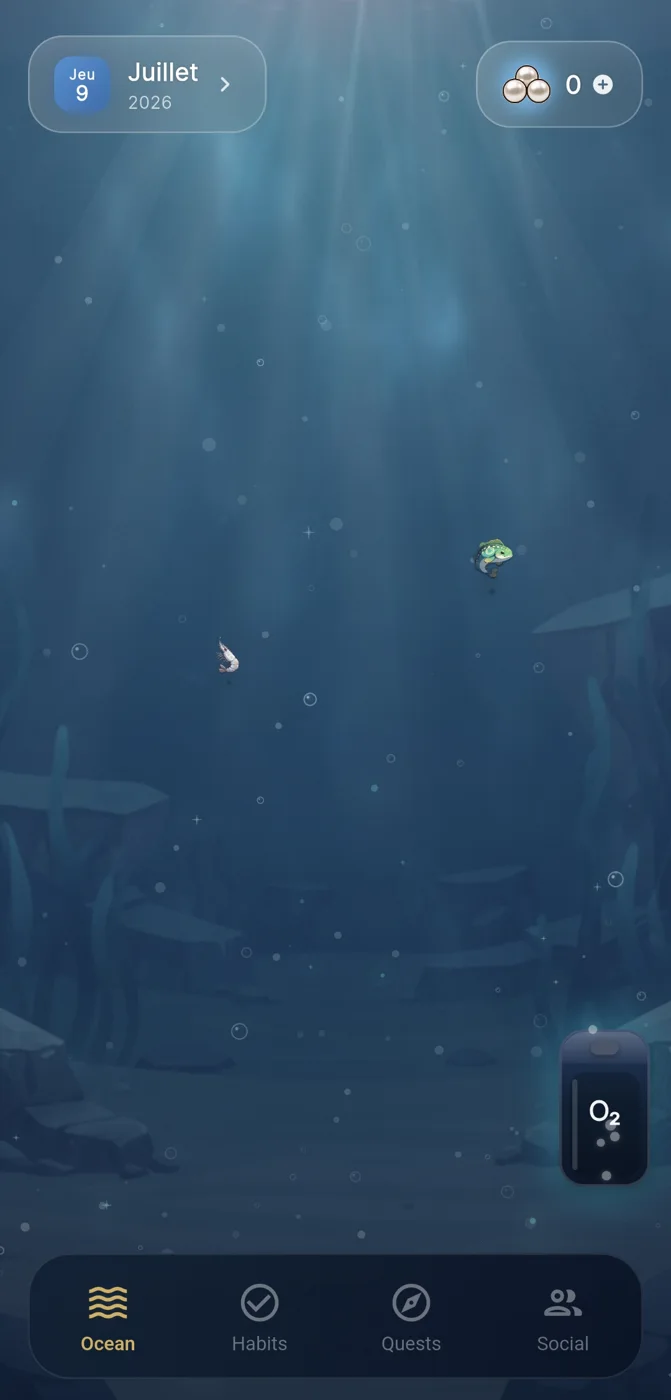
What an accountability app for ADHD can realistically offer
People who search for an accountability app for ADHD are usually not looking for another to-do list. They want something outside their own head that makes a repeated action noticeable: a record that a habit happened, a prompt that does not feel like a reprimand, and sometimes another person who knows they intended to do it.
An app can provide structure, visibility and a gentle form of witness. It cannot provide diagnosis, treatment or a guarantee that behaviour will change. Holding both of those truths at once is the most useful starting point, because it lets you judge a tool by whether it makes your next small action easier, not by whether it promises to fix attention or motivation.
This article is written by the team behind Reef, a habit and focus app. It stays within what Reef publicly describes about its own design and does not draw on clinical research, user studies or competitor testing.
Limits to accept before acting
The first limit is medical. ADHD is a clinical condition, and questions about assessment, medication or therapy belong with a qualified professional. An accountability app may sit alongside that support, but it is not a substitute for it, and any tool that implies otherwise deserves suspicion.
The second limit is motivational. Visible progress can make a habit feel more real, yet a streak counter or a reward does not create the underlying willingness to act. If a tool becomes one more thing to feel behind on, it is working against you, regardless of how polished it looks.
The third limit concerns other people. Shared accountability can be warm or it can be pressure. Before inviting anyone in, decide what you are comfortable having them see, and whether you can step back without awkwardness if the arrangement stops helping.
Four principles to look for in any tool
Rather than comparing feature lists, it helps to test any app against a few principles. These are the ones Reef treats as central in its published habit design approach, and they translate well to other tools too.
Each principle is a question you can ask during the first week of use, not a checkbox you can confirm from an app store page.
- Small repeatable habits: can you define an action small enough to complete on a difficult day, such as opening a notebook rather than writing a chapter?
- Visible progress: does completed effort show up somewhere you will actually look, in a way that feels encouraging rather than clinical?
- Gentle recovery after missed days: when you skip a day, does the app help you restart, or does it erase your history and leave you starting from zero?
- Optional social accountability: can you use the app entirely alone, and add other people only when and if you decide to?
Where Reef fits, and where its context stops
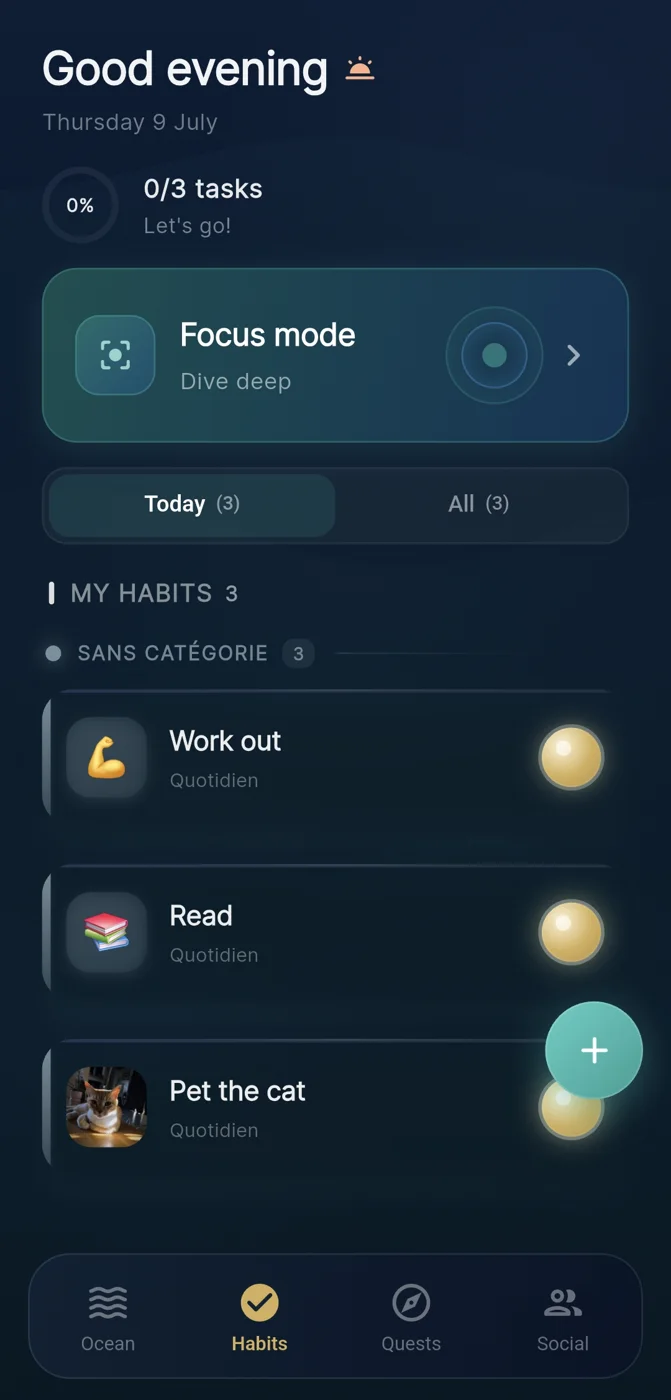
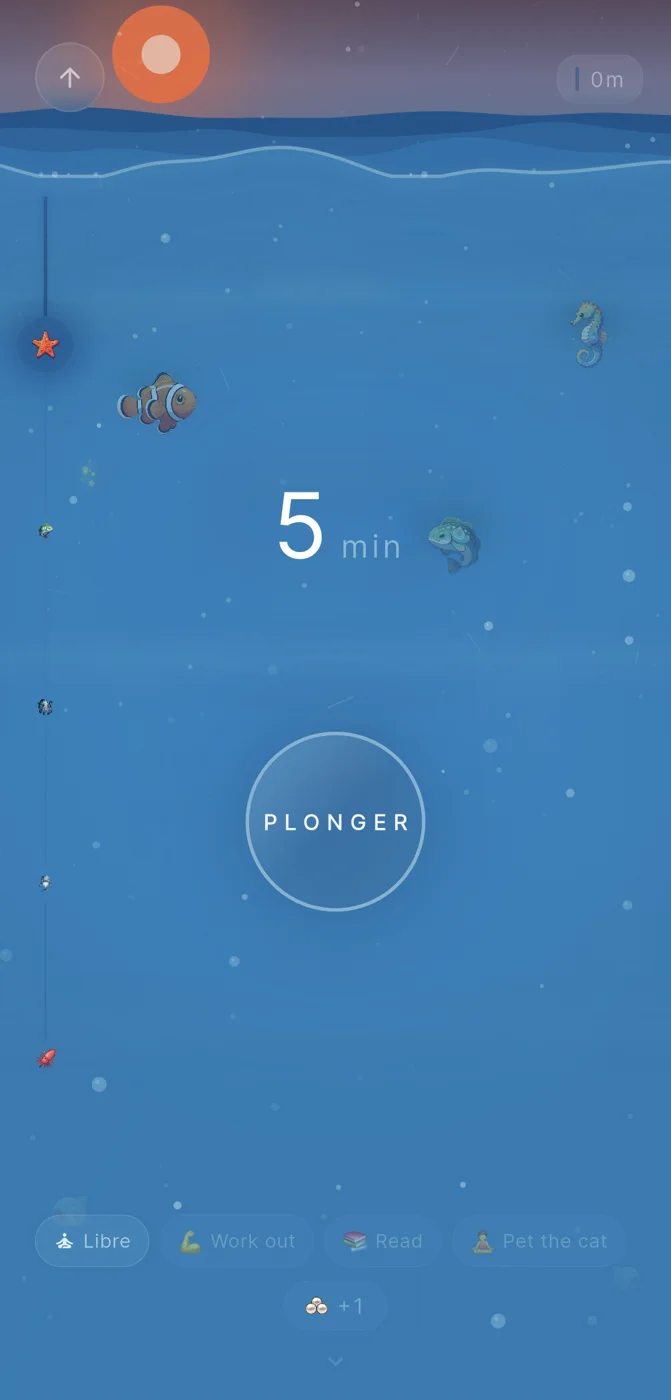
Reef is a mobile habit tracker from IVRYN for iOS and Android, and its approach leans on visual feedback rather than lists. Each finished habit adds a pearl to an ocean that grows over time, while focus blocks are framed as dives that descend through five zones, from a sunlit reef to the abyss, as the session lengthens. For someone who responds to seeing effort accumulate, that framing may make repetition feel less abstract.
Recovery is handled softly. A streak freeze can shield a run on a day off, and Gambi, a small shrimp companion, responds to both completed and missed days without assigning blame, then asks an evening question whose answers form a private journal. Crews are available for those who want company, but nothing requires joining one.
Equally important is what Reef does not claim. It does not promise a behaviour change or a health outcome, it has not published research on ADHD, and nothing here should be read as evidence that it works better for any particular person. It is free to start, carries no advertising and does not resell data, which matters if you plan to record personal reflections.
Worked example: choosing support for one week
Example (hypothetical): Sam wants to answer one evening email batch each weekday and keeps abandoning planners after a missed day. Sam defines the habit as opening the inbox and replying to a single message, sets a fifteen-minute focus session for it, and decides to keep the first week entirely private.
On Wednesday Sam misses the habit. The test is not whether the streak survived, but how Thursday felt: did the app make restarting easy, or did it produce a sense of failure? Sam notes that a gentle response made it simpler to try again, so the habit stays. By Friday, Sam considers inviting one trusted friend into a crew, but only for visibility of completions, not reflections.
At the end of the week Sam reviews three things: how many days the small version happened, whether any feature caused stress, and whether adding a person would help or add pressure. The decision to continue, shrink the habit or change tools follows from those answers, not from a streak number.
A short checklist before you commit
Whichever app you try, run it as a deliberate experiment with a defined end date. A week or two is usually enough to notice whether a tool reduces friction or adds to it, and treating it as a trial makes it easier to walk away without guilt.
Keep the experiment honest by writing down what you expected before you start. That way you judge the tool against your own goals instead of against its marketing.
- Choose one habit small enough to complete on your worst day.
- Decide whether the first week will be solo or shared, and keep it solo if unsure.
- Check how the app behaves after a missed day before relying on it.
- Read the privacy terms if you will journal or record personal notes.
- Keep clinical questions with a qualified professional, not inside the app.
- Set a review date and decide then whether to continue, adjust or stop.
Frequently asked questions
Can an accountability app treat ADHD?
No. An accountability app can make habits and focus time more visible and offer optional social support, but it is not a diagnosis or treatment for ADHD. Questions about assessment, medication or therapy should go to a qualified healthcare professional.
Is social accountability necessary for an ADHD-friendly habit app to work?
Not necessarily. Some people find that another person seeing their progress helps, while others experience it as pressure. A well-designed accountability app lets you use it alone first and add other people only if and when you choose to.
What should a habit app do when I miss a day?
A supportive habit app should make restarting easy rather than wiping out visible progress or framing the gap as failure. Look for gentle recovery options, such as a way to protect a streak on an off day or neutral feedback, and test this behaviour during a short trial.
Sources and further reading
These resources provide the wider reference frame. Product statements on this page are limited to the public information provided by Reef.