 Reef
Reef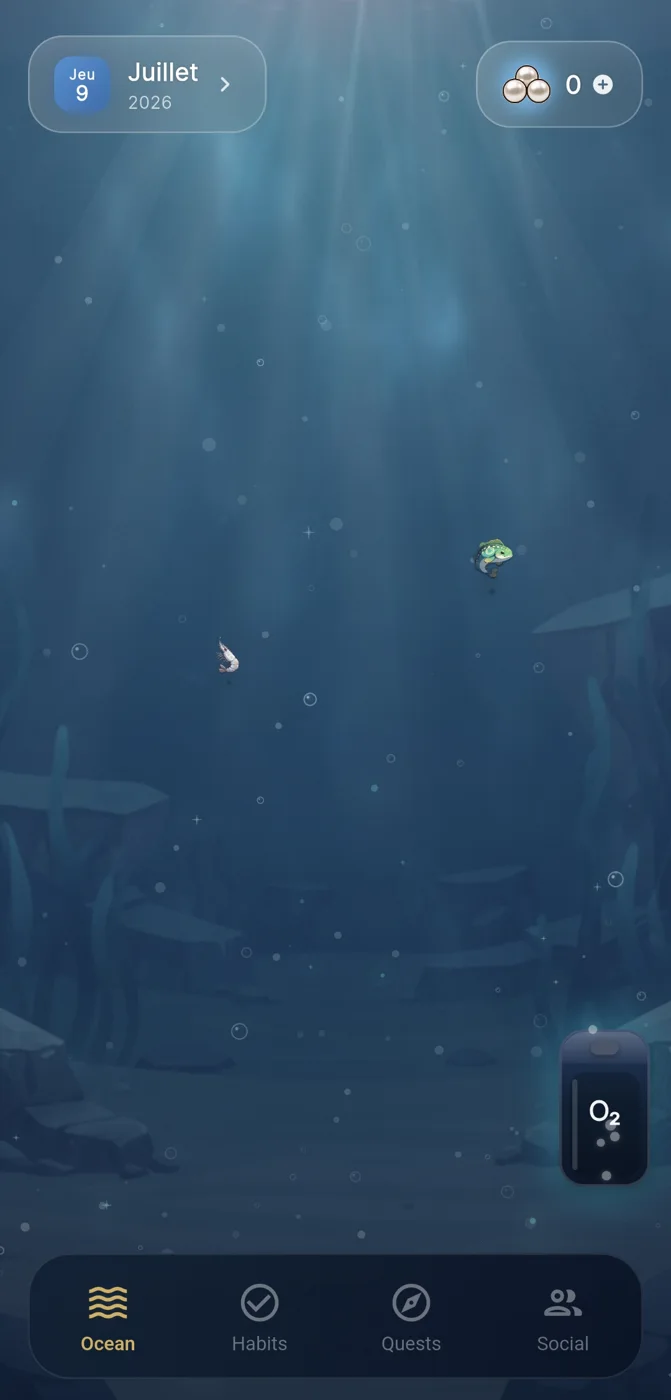
What an accountability app for gym can realistically do
Someone searching for an accountability app for gym is usually not short of workout plans. The harder problem is turning up on the days when motivation is low, the schedule is tight or the last session felt discouraging. An accountability app addresses that gap by making a commitment visible: you state what you intend to do, you record whether it happened, and, if you choose, someone else can see it.
That is a narrower job than it sounds. An app cannot make a session safe, choose the right load or explain why a joint aches; those questions belong with a qualified coach or health professional. Nor can any app guarantee that you will keep going. What it can do is lower the friction of checking in and make the pattern of your effort easier to see, which is often the first thing to slip.
This article is written by Reef, a habit tracker from IVRYN for iOS and Android. Reef is a general habit app rather than a dedicated training log, so the advice below focuses on the accountability layer (repetition, visibility, recovery and optional sharing) rather than on programming workouts.
Start with a gym habit small enough to repeat
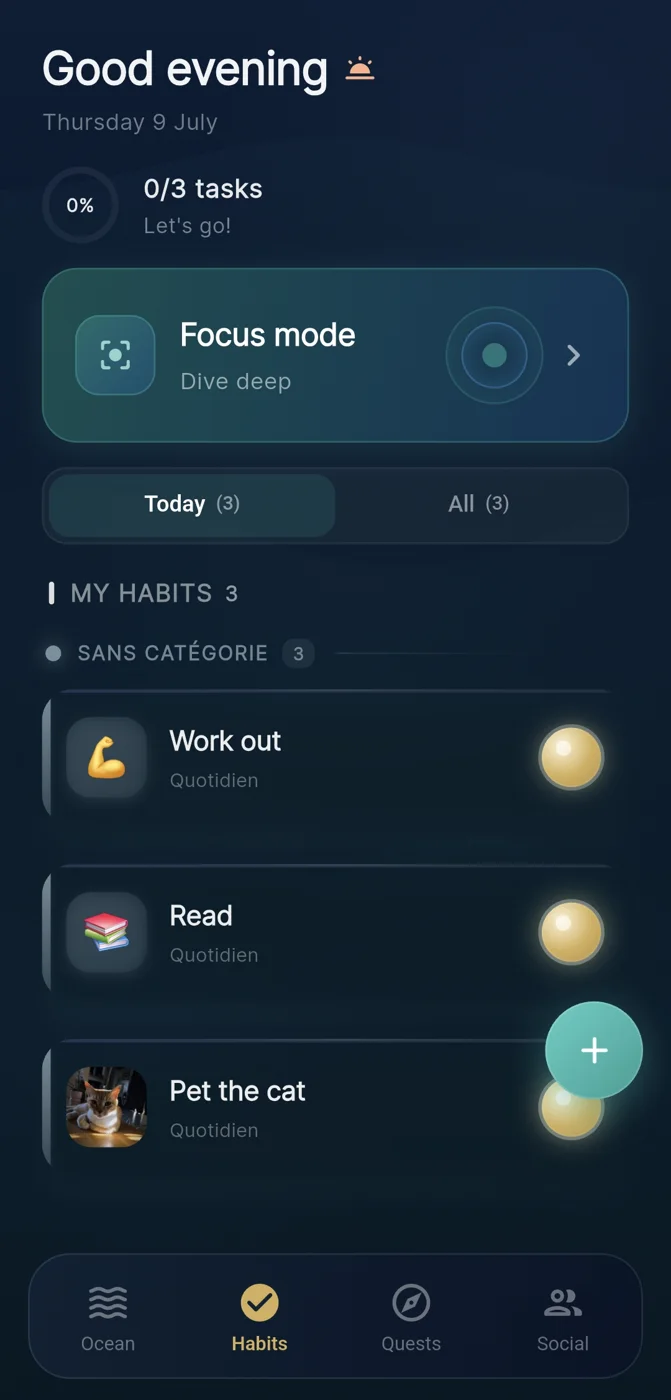
The most common way gym accountability breaks down is an overambitious target. A goal like training five times a week sounds motivating, but it turns every busy week into a visible failure. A smaller, clearly defined action, such as arriving and completing a warm-up or doing a twenty-minute session, gives the app something you can honestly mark complete even on difficult days.
Small does not mean trivial. A repeatable minimum keeps the routine alive while longer sessions remain an option on better days. Over time, the record shows a stable floor of attendance, which tells you more than a plan you met once and then abandoned.
- Define the habit as an action, not an outcome: "go to the gym" rather than "lose weight".
- Pick a frequency you could keep during your busiest ordinary week.
- Write down a minimum version of the session for low-energy days.
Make gym progress visible without turning it into a verdict
Visible progress helps because it turns scattered sessions into a pattern you can notice. A calendar of check-ins, a growing collection or a simple count all remind you that effort is accumulating, even in weeks when nothing seems to change.
The risk is that visibility becomes judgement. If an empty day reads as a mark of failure, some people start avoiding the app instead of the excuse. Look for feedback that acknowledges both completed and missed days without shaming you, because the record only helps if you keep looking at it.
Reef takes a deliberately visual route: each finished habit adds a pearl to an ocean that grows over time, and Gambi, a small shrimp companion, responds to good and missed days without guilt. Whether that tone suits you is personal; the point is to choose feedback you will still want to open after a bad week.
Decide in advance what happens after a missed session
Missed sessions are certain: illness, travel, work deadlines or plain fatigue. What matters for long-term consistency is how quickly you return, so it is worth setting a rule before you need it. One simple version is to treat a single missed session as normal and make the next planned session the priority, without trying to compensate with a punishing double workout.
Streaks can help and hurt here. A long run of check-ins creates momentum, but a single break can feel like losing everything. Tools that let you shield a streak on a genuine off day, such as Reef's streak freeze, are useful only when used honestly, not to hide a pattern you ought to notice.
If missed sessions come from pain, injury or a health condition, treat that as a reason to speak with a professional rather than an accountability problem to push through.
Choose whether social accountability helps you
Sharing check-ins with a friend or a small group adds a gentle external reason to show up. For some people, knowing a training partner will see the gap is the most effective nudge available. For others, shared tracking adds pressure that makes the gym feel like a test.
Treat social features as optional and adjustable. Start privately, add one trusted person if you want more pull, and step back if comparisons begin to sour the habit. In Reef, crews are entirely optional, and the app is free to start, carries no ads and does not resell data. Checking these points matters with any tool, because accountability records reveal your routines.
- Who will see my check-ins, and can I change that later?
- Does the group celebrate attendance or compare performance?
- Can I leave or go private without explaining myself?
Example: a one-week checklist before relying on an app
The following is an illustrative hypothetical, not an observed case. Sam wants to return to the gym after months away. Instead of committing to an ambitious programme, Sam sets one habit, completing a twenty-minute session on Monday, Wednesday and Saturday, with a minimum version of ten easy minutes plus stretching for low-energy days.
During the first week, Sam checks whether logging takes only a moment, whether recording a missed Wednesday felt manageable, and whether they want a friend added. If logging feels like a chore or missed days feel punishing, that is a reason to change the setup or the app, not to try harder.
For more on how Reef frames these mechanics and their limits, see its habit design and methodology page and its guide to gamified habit trackers. Neither the app nor this checklist can promise a behaviour or fitness result.
- Logging a session takes seconds, not minutes.
- A missed day can be recorded without dread.
- You know your restart rule after a missed session.
- Sharing is set at the level you actually chose.
- You still want to open the app after seven days.
Frequently asked questions
Can an accountability app for gym replace a personal trainer?
No. An accountability app helps you show up consistently by recording check-ins and, if you choose, sharing them with others. It does not assess technique, choose loads or adapt a programme to injuries or health conditions. Those decisions belong with a qualified trainer or health professional, and the app works best alongside that guidance.
What should I do after breaking a gym streak?
Treat one missed session as normal and make the next planned session the priority, rather than compensating with a much longer or harder workout. If your habit app offers a way to protect a streak on a genuine off day, use it sparingly and honestly. If missed sessions are caused by pain or illness, seek professional advice.
Is Reef designed specifically for gym workouts?
Reef is a general habit tracker from IVRYN for iOS and Android, so a gym visit can be tracked as one habit among others, with optional crews for shared accountability. It is not presented as a workout logging tool, and it does not promise any fitness, health or behaviour outcome.
Sources and further reading
These resources provide the wider reference frame. Product statements on this page are limited to the public information provided by Reef.