 Reef
Reef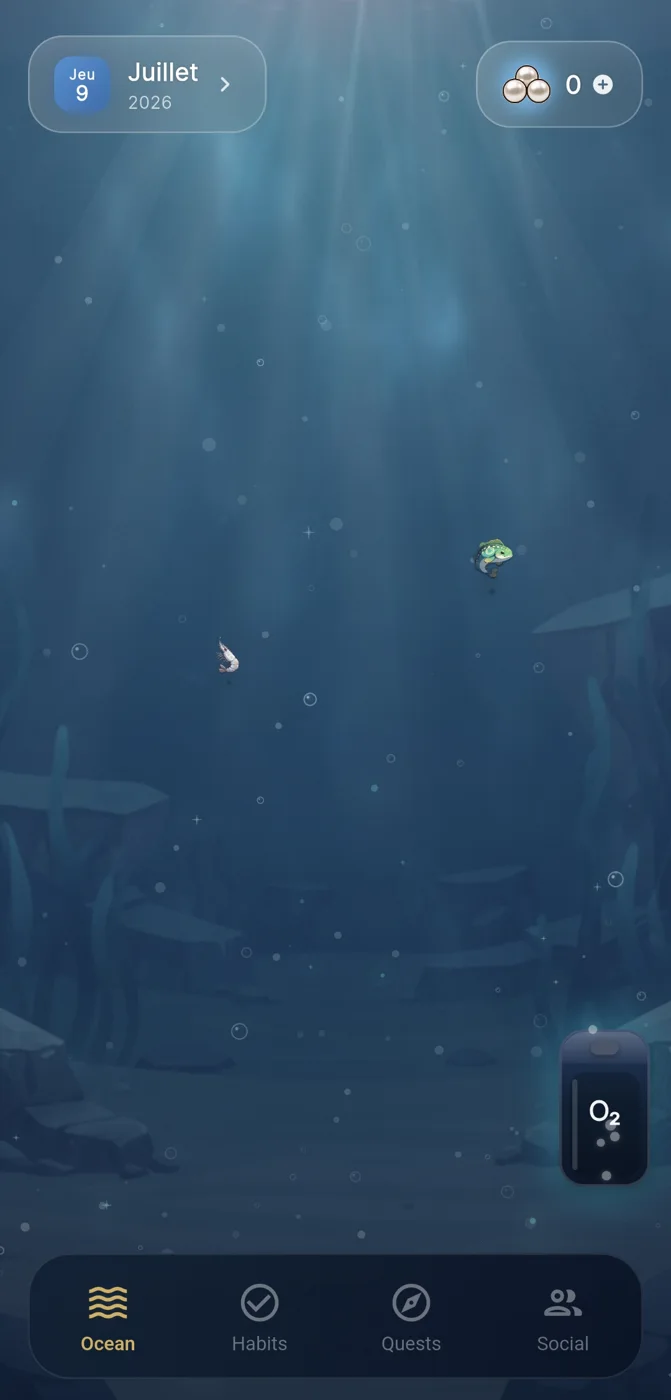
What an accountability app for exercise actually does
An accountability app for exercise makes your intention to move visible, to yourself and, if you choose, to other people. It does not do the workout, and it cannot judge whether a session was hard enough. What it can do is record that you showed up, reveal a pattern over weeks and give you a moment of feedback when you complete or skip a planned action.
That distinction matters before you act. It is easy to install an app hoping it will supply motivation. What the app actually supplies is structure: a reminder, a record and sometimes an audience. The reason to exercise still has to come from a goal you care about, sized so you can repeat it on an ordinary day.
This article is written from Reef's position. Reef is a habit tracker made by IVRYN for iOS and Android, not a fitness programme, and exercise is simply one habit you might log in it. The advice below therefore concerns the accountability layer rather than training plans, and it does not promise any change in behaviour or health.
Start smaller than feels useful
An easy mistake is logging the ambition instead of the action. As practical advice, rather than an established finding, a daily long run can be hard to sustain once a busy week arrives, whereas putting on shoes and walking out the door is a version you can still manage when time is short. Accountability depends on repetition, and repetition needs a form of the habit you can complete when tired, travelling or pressed for time.
A useful test is whether you could do it on your worst normal day in under ten minutes. If not, split it. You can always do more than the logged minimum; the record only needs to show that the habit happened.
If you have a medical condition or an injury, or you are returning after a long break, the choice of exercise and its intensity belongs with a qualified professional. An app can track what you agreed to do; it should not decide what that is.
- Name one action, not an outcome: a 10-minute walk rather than a weight target
- Attach it to an existing routine, such as after breakfast
- Define a floor version for low-energy days
- Review the habit's size after two weeks, not daily
Visible progress and what happens after a missed day
Tracking can help because it turns invisible effort into something you can see. A streak count, a calendar or a growing visual scene all serve the same purpose: they let you notice consistency long before any physical change appears, which can take a while.
The risk is that the same visibility can punish you. A broken streak flagged in red may make one missed workout feel like failure, and it is worth checking whether that would make you less inclined to open the app again. When comparing tools, test how each treats a missed day: does it shame you, wipe your progress without context, or let you resume calmly?
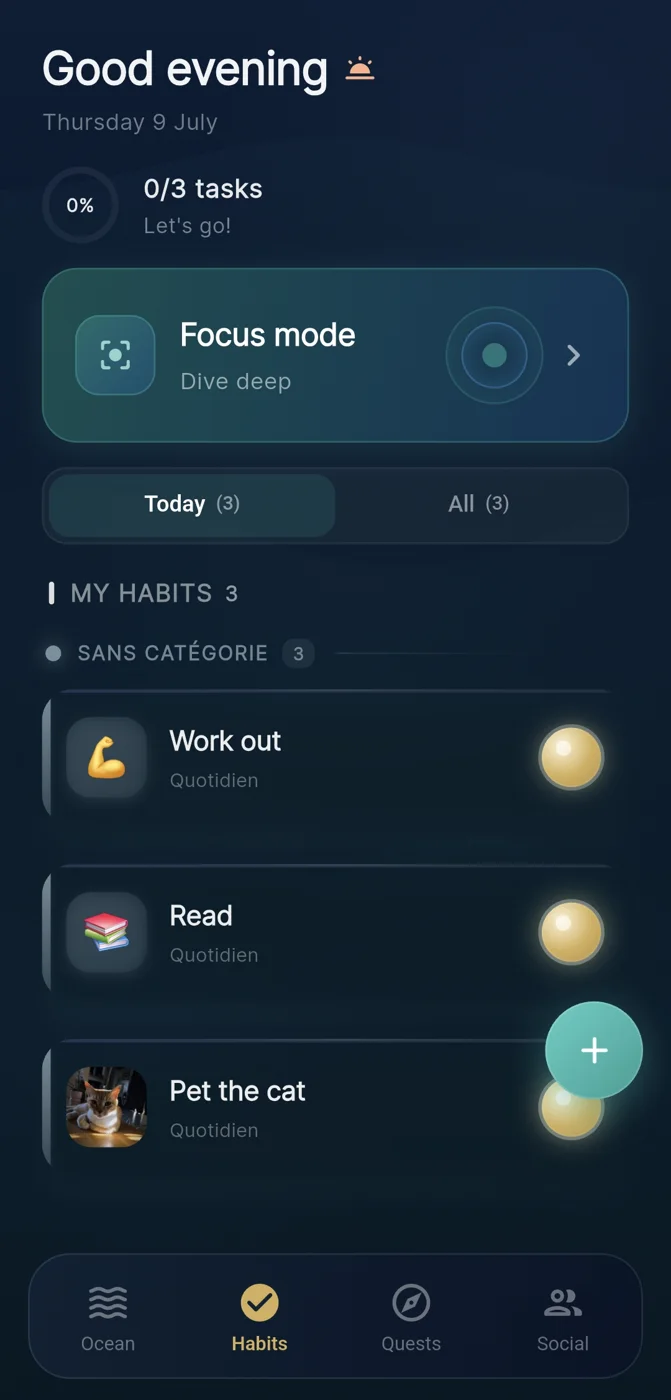
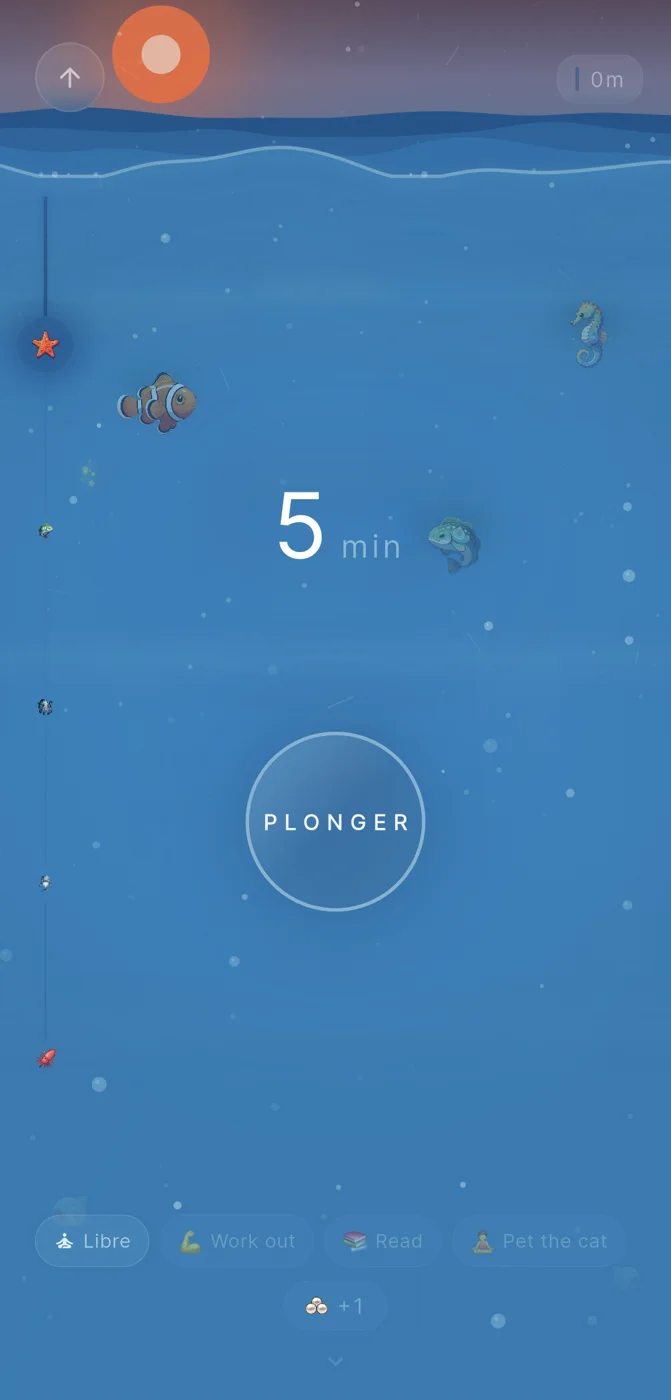
For reference, Reef handles this by letting each finished habit drop a pearl into an ocean that visibly fills up, unlocking sea creatures as consistency builds, offering a streak freeze for an off day, and having Gambi, a small shrimp companion, respond to a skipped day without blame. Whichever app you choose, a gentle way back matters more than an impressive streak.
Optional social accountability: when to add other people
Sharing a goal can motivate some people and pressure others. A sensible default is to keep social features chosen, small and reciprocal, such as a couple of friends who can see that you trained, rather than a public feed that ranks everyone. If being watched makes you avoid the app on bad days, the social layer is costing more than it gives.
A reasonable sequence is to run the habit privately for a couple of weeks, then invite one or two people once the routine feels stable. In Reef, crews are entirely optional, so using it alone is a normal choice rather than a lesser one.
Before inviting anyone, check what the app does with your data and theirs. Reef can be started for free, carries no ads and does not resell data. For any other app, read the current terms yourself, because pricing, advertising and data policies can change over time.
A decision checklist and a worked example
Use the checklist below before committing to any accountability app for exercise. It is deliberately about fit rather than feature counts, because the best tool is the one you will still open after a bad week.
Example (hypothetical): someone who has abandoned two exercise plans sets a single habit, a 10-minute walk after lunch, with a floor of walking to the end of the street. The first two weeks stay private. A missed Thursday is logged as missed, and Friday restarts without fuss. In week three they invite one colleague to a shared group. Nothing here guarantees they continue; the point is that each choice is meant to lower the cost of returning.
If you want the reasoning behind these mechanics, Reef publishes its habit design and evidence methodology alongside a guide to gamified habit trackers. Treat both as context for how the product is designed, not as proof that any particular person will change their routine.
- Can I log a habit in a few seconds?
- Does a missed day lead to a calm restart rather than a penalty?
- Is social sharing optional and limited to people I pick?
- Are pricing, ads and data use clear as of today?
- Does the app avoid promising fitness or health results?
Frequently asked questions
Can an accountability app for exercise make me exercise more?
An accountability app can make your exercise intention and record visible, add reminders and offer optional social support, which may make a habit easier to repeat for some people. No app can guarantee behaviour change; consistency still depends on choosing a small, realistic habit and fitting it into your routine.
What should an exercise habit app do when I miss a workout?
A helpful exercise habit app records the missed day honestly but lets you resume without shame, for example through a streak freeze or neutral feedback. Recovery design matters: one missed day should not become a disproportionate penalty, so it is worth testing how an app responds to a missed day before relying on it.
Should I share my workouts with friends in an accountability app?
Sharing workouts helps some people and adds unwelcome pressure for others. A practical approach is to track privately until the routine is stable, then invite one or two trusted people, and only use apps where social features are optional and data practices are clearly stated.
Sources and further reading
These resources provide the wider reference frame. Product statements on this page are limited to the public information provided by Reef.