 Reef
Reef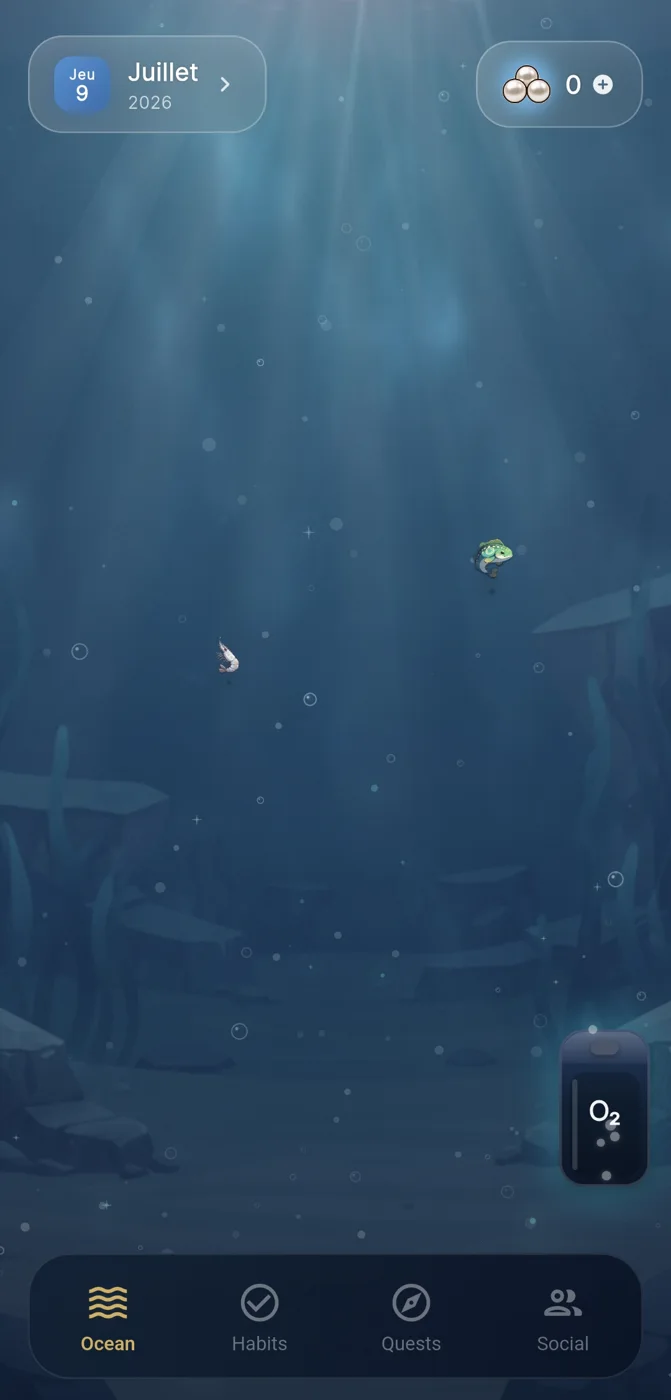

What an app for group accountability actually does
An app for group accountability gives a small circle of people a shared view of whether each person did what they said they would. The mechanism is simple: visibility plus a mild sense that someone will notice. It does not supply motivation you lack, and it cannot turn a goal you are unsure about into one you care about.
That distinction matters before you act. Being seen can help some people show up on low-energy days, while for others it adds pressure that makes a missed day feel like a public failure. Neither reaction is a flaw. It simply means the group layer should be something you choose and can leave, not the foundation your habit depends on.
This article is written by Reef, an IVRYN habit tracker for iOS and Android in which crews are an opt-in layer on top of solo tracking. Reef makes no promise about behavioural or health results, so the advice here treats group accountability as a tool that can help, not a guarantee.
Size the habit before you invite anyone
A group amplifies whatever you bring to it. If the habit is too large for an ordinary tired Tuesday, the group will mostly watch you miss it, and a visible pattern of misses can feel discouraging for some people.
A practical rule is to define each habit so it still fits your worst realistic day. You can always do more on a good day; the shared record should reflect the floor, not the ceiling.
- Write the habit as one observable action, such as ten minutes of reading rather than reading more.
- Pick a version you could complete while busy, unwell or travelling.
- Agree that each person sets their own habit; the group shares the practice of showing up, not identical targets.
Decide what progress the group should see
Before choosing a tool, decide what you want to share. For most groups a simple done or not done is enough. Sharing detailed logs, durations or reflections invites comparison and can make the space feel like an audit.
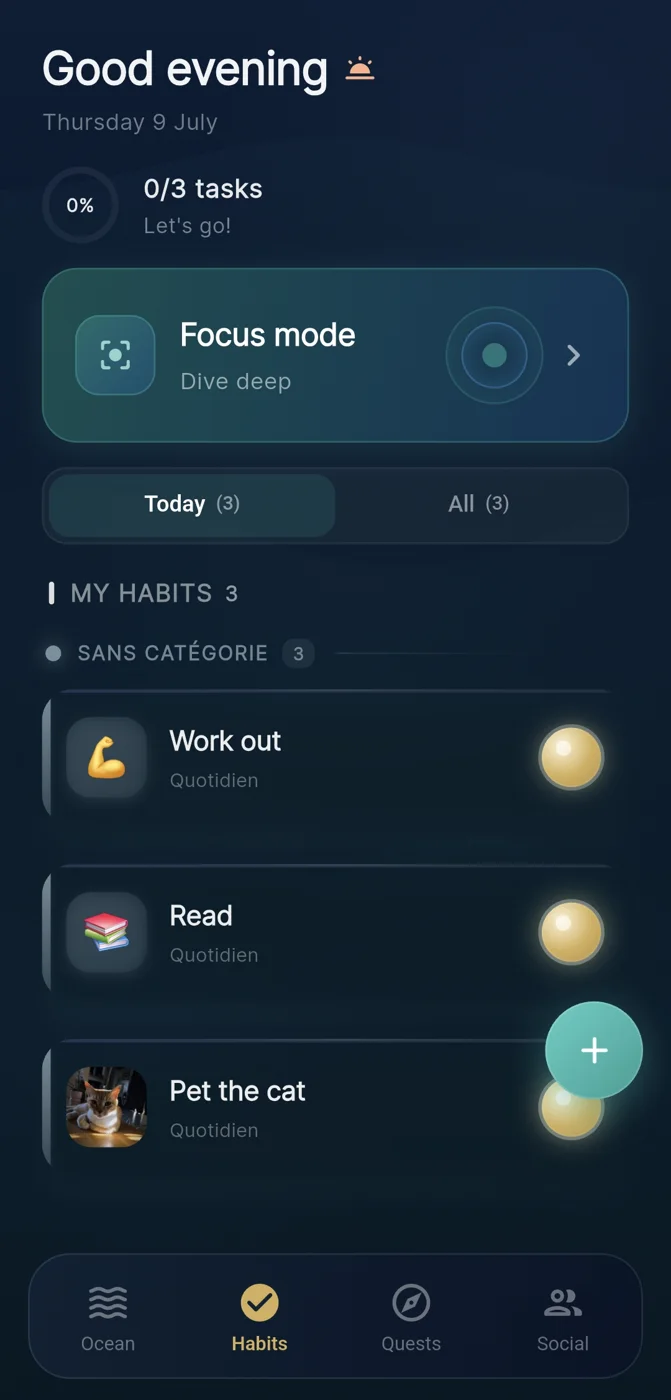
Visible progress is also worth having just for yourself. In Reef, each completed habit adds a pearl to an ocean scene that fills out over time, and longer focus sessions take you deeper through five zones, from the sunlit reef down to the abyss. That record stays meaningful whether or not a crew ever sees it.
Keep private reflection separate from what you share. A journal of how a day went is useful for understanding patterns, but it rarely needs an audience.
Agree on missed days before they happen
A common design concern for accountability groups is recovery rather than the start. Someone might miss two days, feel embarrassed, stop opening the app and quietly drop out. Settling in advance what a missed day means can reduce that friction.
One gentle default is to treat a single miss as information, not a verdict. In Reef, two features point in that direction: a streak freeze can cover an off day, and Gambi, a small shrimp companion, reacts to missed days without guilt. When comparing other tools, check for yourself how each one treats a single lapse.
Set group norms too. No public callouts, check-ins by private message if someone goes quiet, and an explicit understanding that leaving the group is fine.
A checklist for choosing an app for group accountability
Use the questions below as a decision aid. They focus on the limits that matter most for an informational choice rather than on feature counts.
Pricing, advertising and data practices change, so check each app's current store listing and privacy policy rather than relying on older reviews. For Reef's part, you can start for free, there are no ads, and data is not resold. Reef's methodology page and its gamified habit tracker guide describe how it approaches habit design in more depth.
- Is the group feature optional, and can you leave without losing your own history?
- Can you control exactly what others see?
- Does the app still work well if you use it alone?
- How does it handle a missed day, and does one lapse wipe out visible progress?
- Are its claims about outcomes modest, or does it promise results?
- Do its advertising and data terms match what you are comfortable sharing?
Worked example: a three-person crew (hypothetical)
Example only, not an observed case: three friends want more consistent routines. One picks ten minutes of stretching, one picks a short language lesson, one picks a twenty-minute focus block before work. They agree to share only completion, not details, and to review the arrangement after two weeks.
In week one, the person doing focus blocks misses two mornings. Under their agreement, nobody comments in the group; one friend sends a private message asking whether the time slot still works. The habit moves to lunchtime instead of being abandoned.
At the two-week review, each person answers one question: is being seen helping or adding stress? One decides to keep tracking solo and leave the crew. In this example that counts as a reasonable outcome, because the habit continues and the group stayed optional.
Frequently asked questions
Does an app for group accountability guarantee I will stick to a habit?
No. A group accountability app makes your actions visible to people you choose, which can help on low-motivation days, but no app can guarantee a behaviour or health outcome. Results depend on the habit, your circumstances and whether the group feels supportive rather than pressuring.
What should a group agree on before using an accountability app together?
Agree on what each person shares (often just whether a habit was done), how missed days will be handled, whether check-ins happen privately, and that anyone can leave without explanation. Setting these norms early can make a first lapse feel less awkward for everyone.
Can I use Reef for habits without joining a group?
Yes. Reef is a habit tracker for iOS and Android in which social crews are optional, so you can track habits and focus sessions entirely on your own. It is free to start, shows no ads and does not resell data, and it does not promise any particular behavioural or health result.
Sources and further reading
These resources provide the wider reference frame. Product statements on this page are limited to the public information provided by Reef.