 Reef
Reef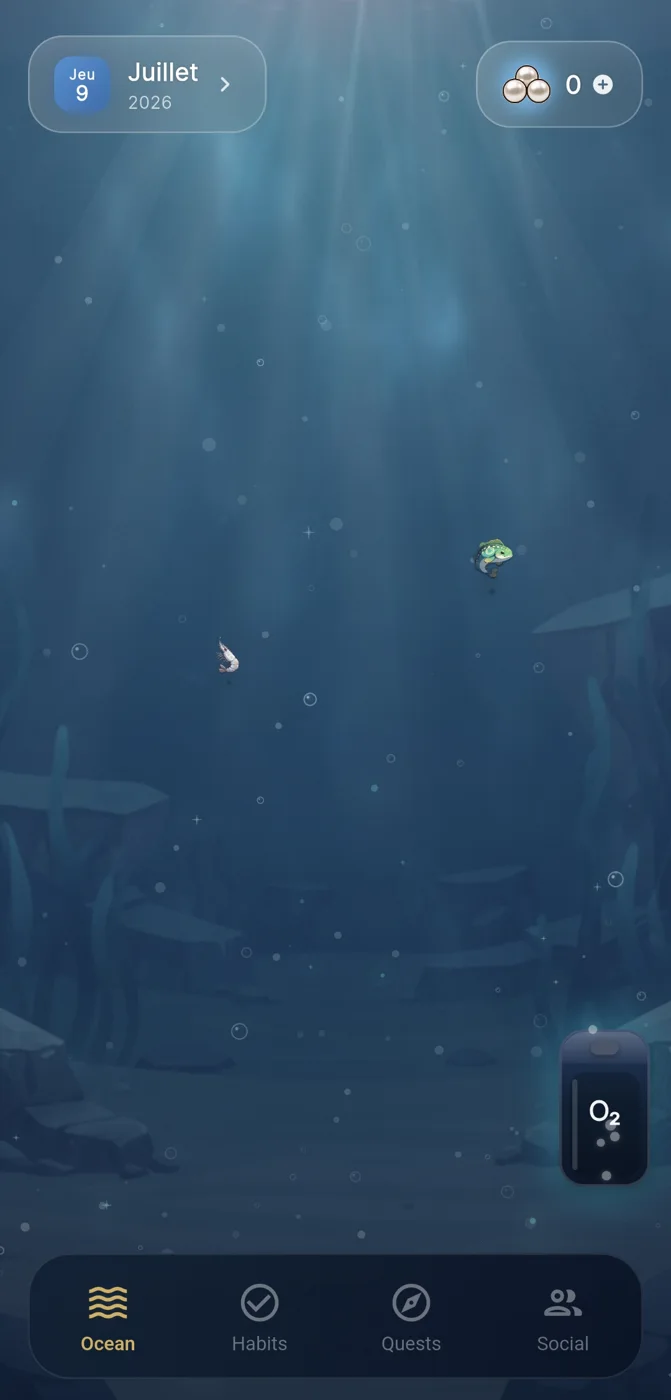
What an accountability app for teens can and cannot do
An accountability app for teens is, at its simplest, a tool that makes a repeated action visible: a teen records that they practised, read, studied or went to bed on time, and the app reflects that back as progress. Some add a social layer so a friend or small group can see the record too. That visibility is the whole mechanism. The app does not do the habit, and it cannot make a teen want to do it.
This matters before anyone downloads anything. Teens often arrive at these apps because an adult suggested one, or because school pressure makes a plan feel urgent. If the underlying goal is unclear or imposed, a tracker can end up as a record of what did not happen. The first question is therefore not which app, but which small action the teen actually chooses to repeat.
Who sees the progress: choice before accountability
One consideration worth weighing, rather than a settled finding, is that the audience for a teen's progress may matter a great deal. Being seen by a chosen friend might feel supportive, while being monitored by a parent or a class might feel more like surveillance for some teens, and it is possible that this feeling works against the habit. Because that is a hypothesis about motivation rather than a feature you can inspect, a cautious default is that sharing should be something the teen switches on, not something that is on from the start.
Before installing, look at what the app collects, whether it shows advertising, whether it sells data, and what the app store lists as its age rating and terms. Those details can change over time, so check them on the store page and the developer's own policy at the moment of download rather than relying on a review or a list.
- Can the teen use the app fully without joining any group?
- Is it clear who can see each entry, and can that be changed later?
- Does the developer state plainly whether it shows ads or resells data?
- Does the age rating and terms of use match the teen's age?
Small habits and gentle recovery beat streak pressure
A practical starting point for a busy school term is a habit small enough to complete on a bad day: ten minutes of reading, one page of revision notes, a glass of water before school. Small actions also produce more frequent visible progress, which is the feedback that keeps a tracker meaningful rather than discouraging.
Missed days are inevitable, and how an app responds to them is one of the most important things to evaluate. A design that punishes a single gap by wiping out weeks of progress can turn an ordinary off day into a reason to quit. Look instead for mechanics that acknowledge the miss without shame and make it easy to resume the next day, such as a way to protect a streak occasionally or a tone that treats missing as normal.
Focus time deserves the same gentleness. A teen trying to protect a study block benefits from a tool that rewards finishing a session, not one that adds another feed to scroll.
Example: a decision checklist for a teen and a parent
Example (hypothetical): Sam, 15, wants to stop leaving revision until the night before tests. A parent suggests an app. Rather than choosing together on features alone, they work through the checklist below in one conversation, and Sam makes the final call on what is shared.
In this example, Sam picks one habit (twenty minutes of revision on school days), keeps progress private for the first two weeks, and only then decides whether to invite one friend who is revising for the same exams. The parent agrees not to ask to see the app, and to check in by conversation instead. If the plan stalls, they shrink the habit rather than add pressure.
- Goal: one habit the teen chose, small enough for a tired day.
- Visibility: private by default; sharing is the teen's decision.
- Missed days: the app responds without guilt and allows a fresh start.
- Data: no ads, no resale of data, age rating checked on the store.
- Review: a fixed date, such as two weeks, to adjust or stop.
Where Reef fits within these limits
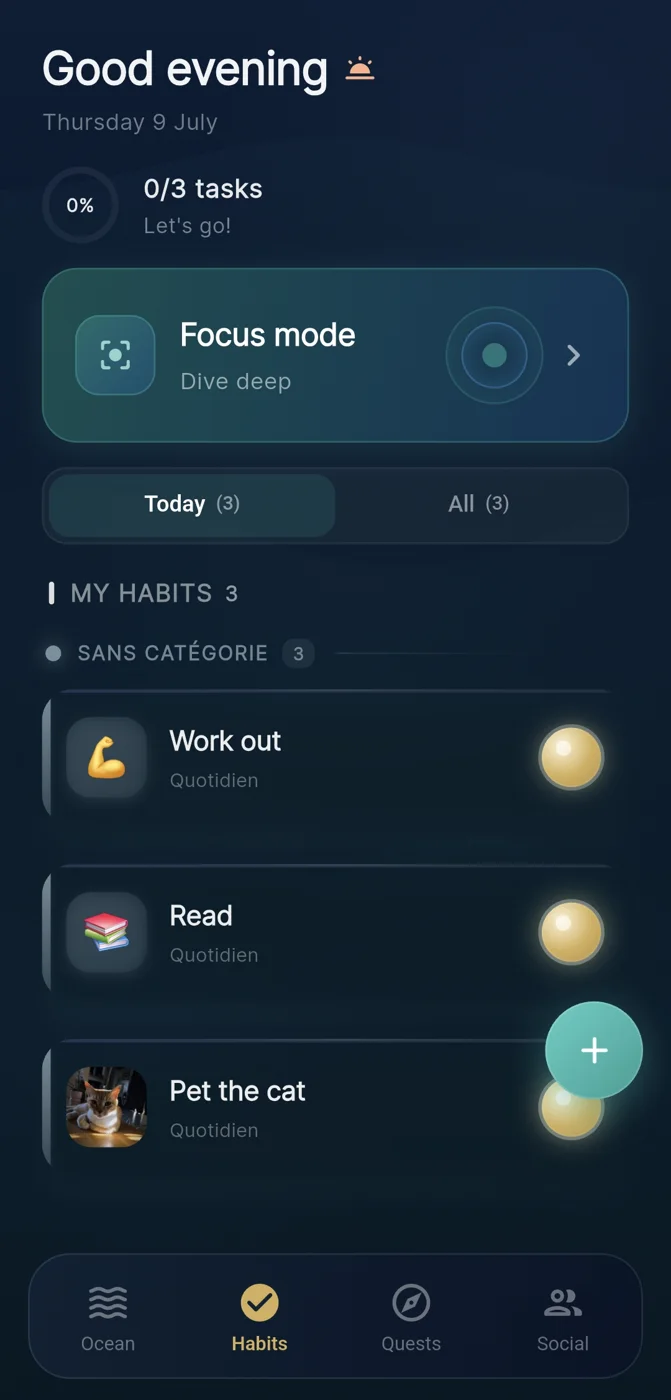
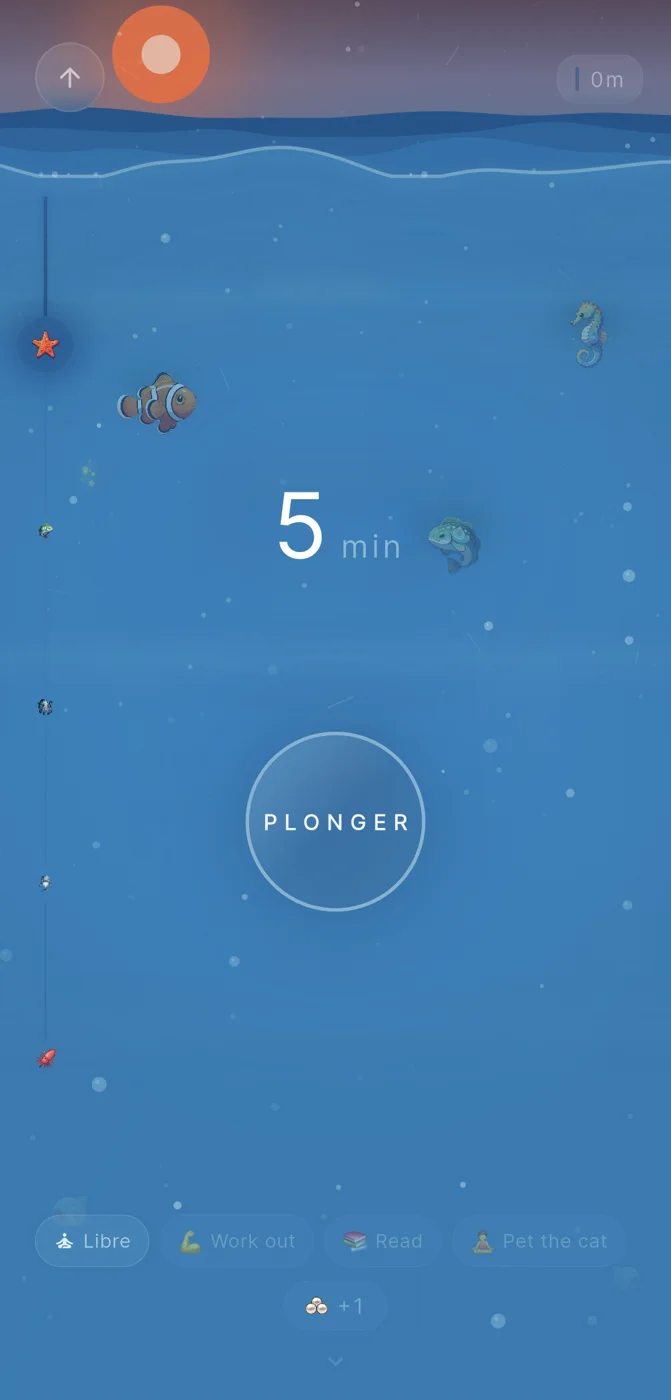
Reef is IVRYN's habit tracker for iOS and Android, and some of its published mechanics relate to the habit and recovery points above: each finished habit adds a pearl to an on-screen ocean, focus blocks are framed as a dive that earns pearls when completed, and joining a crew is a choice rather than a requirement. A small shrimp companion responds to completed and missed days without scolding, and a streak freeze can cover an occasional off day.
Reef's public methodology page and its gamified habit tracker guide describe the approach behind these mechanics, but Reef does not claim to guarantee behaviour or health outcomes, and no study of teen users is claimed here. Nothing in this article confirms how Reef answers the teen-specific checklist items, so families should verify Reef's own age rating, terms and crew visibility controls on its store listing and privacy policy before deciding, and treat any app, Reef included, as one aid among several rather than the plan itself.
Limits that apply to any teen accountability tool
An app can make effort visible, but it cannot diagnose why a habit keeps slipping. If struggles with sleep, mood, eating or schoolwork feel bigger than a missed habit, the right step is a conversation with a trusted adult, a school counsellor or a qualified professional, not a stricter tracker.
It is also worth watching for the tool becoming the problem: checking progress compulsively, feeling anxious about streaks, or using the record to compare against friends. Any of these is a sign to simplify, turn sharing off, or take a break. The best outcome is often that the habit continues after the app is no longer needed.
Frequently asked questions
Should a parent be able to see a teen's accountability app progress?
There is no single right answer, but it is worth considering letting the teen decide who sees their progress. Some teens may experience parental monitoring as surveillance, and that could weaken their motivation, so some families choose to keep the app private and check in through conversation instead, with sharing only if the teen opts in.
What happens if a teen misses days on a habit tracker?
Missed days are normal and should not erase all progress. When choosing a habit tracker for a teen, look for one that responds to gaps without guilt, offers a way to protect a streak occasionally, and makes it easy to restart the next day rather than starting from zero.
Can an accountability app guarantee that a teen will change their behaviour?
No. An accountability app can make repeated actions visible and add optional social support, but it cannot guarantee behaviour change or any health outcome. If difficulties seem larger than a missed habit, speaking with a trusted adult or qualified professional is the better next step.
Sources and further reading
These resources provide the wider reference frame. Product statements on this page are limited to the public information provided by Reef.