 Reef
Reef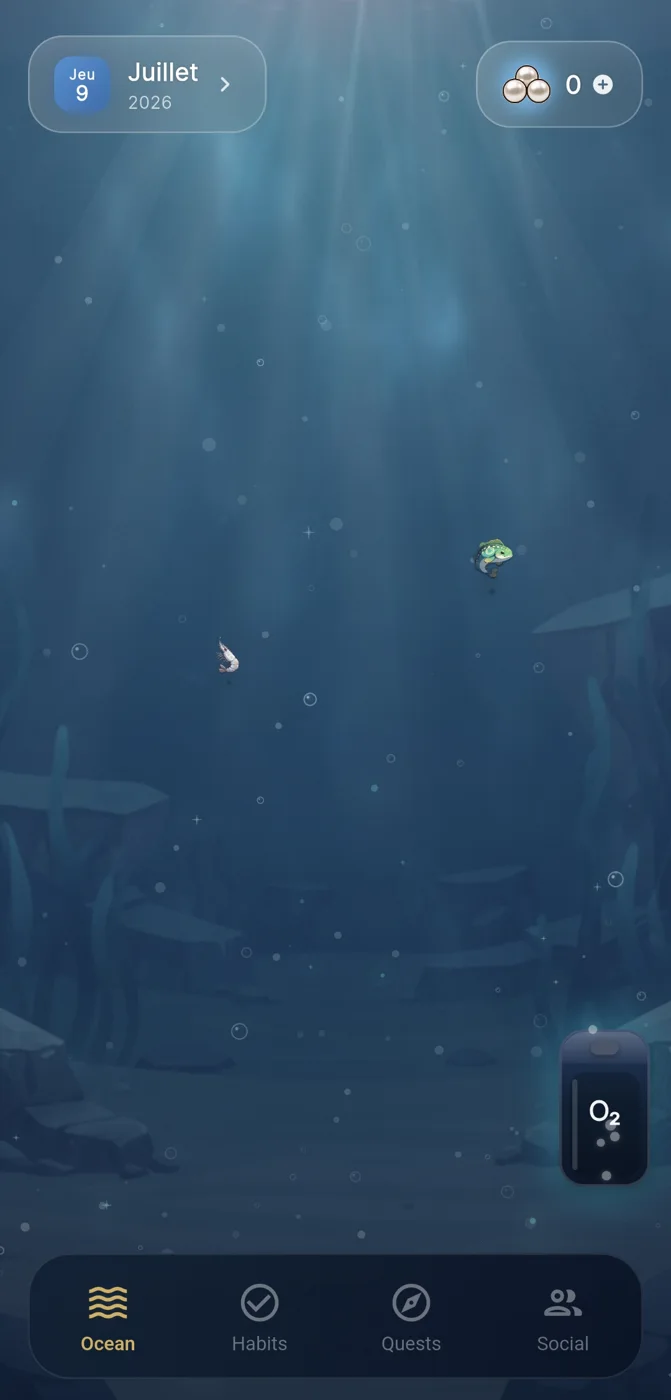
What an accountability app for weight loss can realistically do
Someone searching for an accountability app for weight loss usually wants help keeping small promises to themselves: taking a walk, planning a meal, going to bed on time. An accountability app records whether the actions you chose actually happened and makes that record visible to you, and sometimes to people you invite. It does not measure your body, change your metabolism or replace guidance from a doctor, dietitian or other qualified professional.
That distinction matters before you download anything. Body weight is an outcome shaped by many factors an app cannot see, while the part an app can genuinely support is the set of behaviours you repeat. A useful tool keeps your attention on those behaviours instead of on a number that can move for reasons unrelated to your effort.
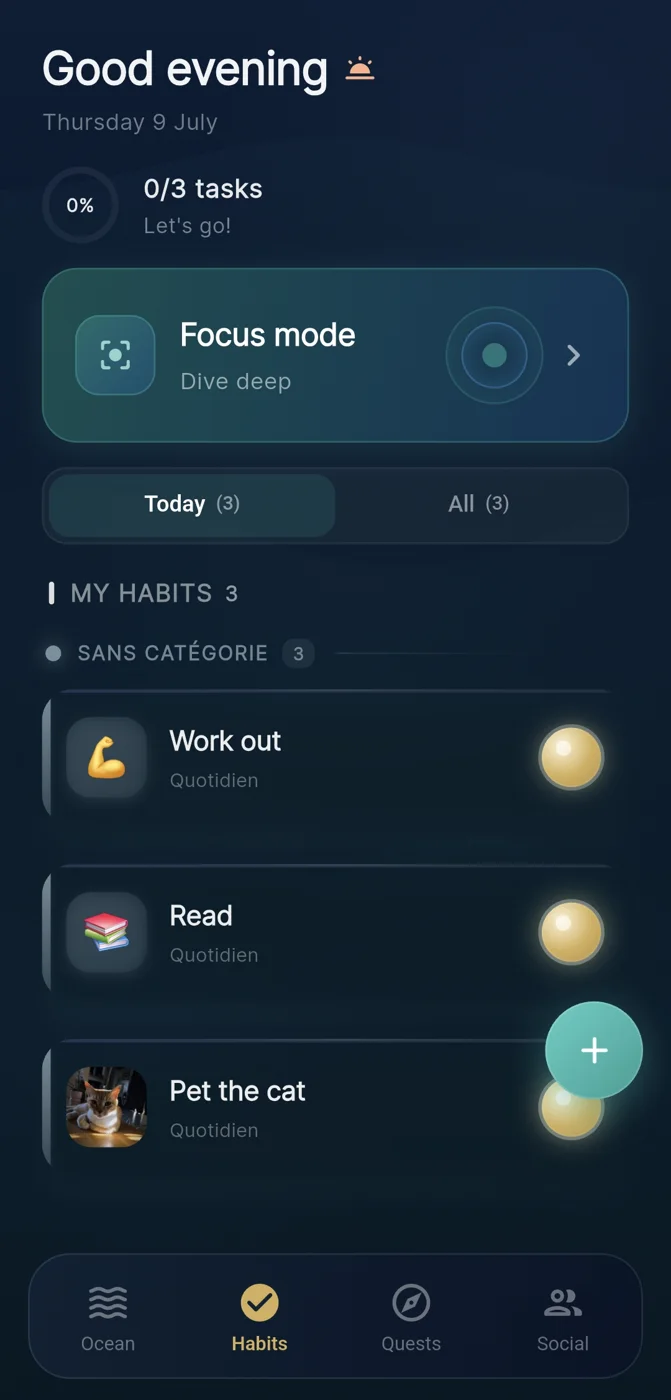
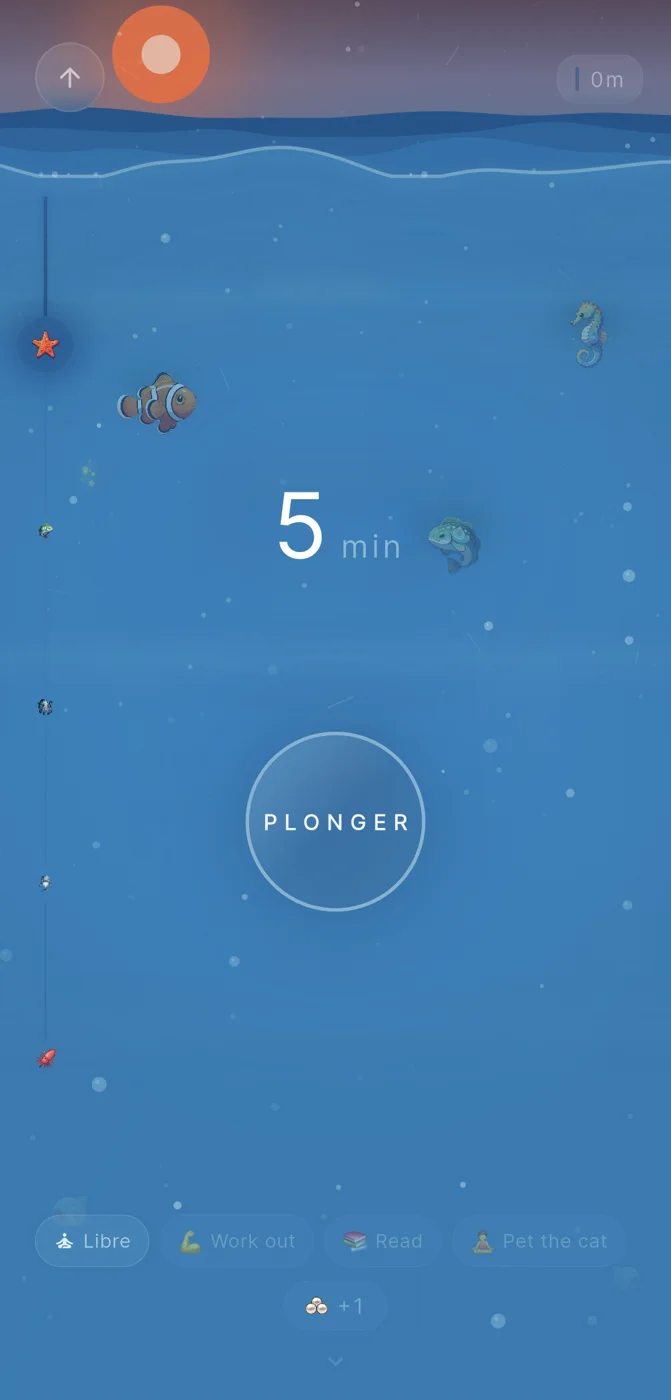
This article comes from Reef, an IVRYN habit tracker for iOS and Android. Reef is not a weight-loss programme, and its public description covers habits, focus and optional sharing rather than weighing, calorie counting or meal plans, so the advice below stays at the level of habits, visibility and support.
Track actions you control, not the scale
A common design mistake is to make the result the habit. If the only thing you log is a weight reading, a flat week feels like failure even when you did everything you planned. Accountability works better when the tracked item is an action you can complete today, ideally one agreed with a professional if you have a health condition or specific goal.
Small actions also give the app something honest to show. Repeating a modest step many times creates a visible record of effort, and that record is often what people need on the days when motivation is low. Reef's published methodology describes its approach to habit design around this kind of repetition and visible progress.
When choosing what to track, prefer actions that are specific, short and possible on a bad day:
- A short walk after one meal, rather than a weekly exercise target
- Writing tomorrow's lunch on a list, rather than a strict diet rule
- A consistent bedtime reminder, rather than an hours-of-sleep score
- One reflective note in the evening, rather than a daily weigh-in
Why the response to a missed day matters most
Missed days are normal. Some apps treat them as broken streaks with loud warnings, which can push people to abandon tracking altogether. Around food and body weight, a shame-based loop can also feed unhealthy patterns. If logging starts to make you anxious or preoccupied, pause the app and talk to a qualified professional.
Look for gentle recovery instead. In Reef, a small shrimp named Gambi reacts to done and skipped days without blame, his evening question gradually forms a private journal, and a streak freeze can cover a single off day. These are choices about tone; they make returning easier, but they do not by themselves change behaviour.
A practical test before committing: imagine opening the app the morning after a missed day. If the screen makes you want to close it, that design will likely work against you over months.
Keep social accountability optional and low-pressure
Sharing progress helps some people and adds pressure for others. Weight is personal, and an accountability partner who comments on your body is very different from one who simply asks whether you took your walk. Before connecting anyone, check exactly what they will see, whether you can share actions without sharing measurements, and how easily you can leave a group.
Reef keeps its crews opt-in, so habits can stay entirely private if you prefer. It is free to start, carries no advertising and states that it does not resell data. For any app, still read the privacy policy before writing health-related notes, and keep sensitive details out of shared spaces.
If you do invite someone, agree on the rules in advance: what you want them to ask about, what is off-limits, and what support looks like after a hard week.
A decision checklist and a worked example
Example (hypothetical, for illustration only): a reader wants more structure around eating and movement. Instead of logging a daily weight, they choose two actions agreed with their GP: a short walk after dinner and preparing lunch the night before. They keep both habits private for the first month, use the evening note to record what made a day easier or harder, and only later invite one friend who agrees to ask about walks, never about weight. The app's role is to make the repetitions visible; any change in health is a separate question for their clinician.
Use this checklist before choosing any accountability app for weight-related goals:
No app can guarantee a behaviour change or a health result, and Reef makes no such promise. Its guide to gamified habit trackers explains how visual rewards are meant to support repetition, which is a useful lens for judging any tool: does it make doing the action easier, or does it only make missing it feel worse?
- Can I track actions instead of, or before, body measurements?
- Does a missed day lead to a calm restart rather than a penalty?
- Is sharing optional, granular and easy to undo?
- Is it clear what happens to my data, and is there advertising?
- Have I checked my plan with a qualified professional if I have a health condition?
- Does opening the app feel encouraging after a bad week?
Frequently asked questions
Can an accountability app make me lose weight?
No app can guarantee weight loss. An accountability app can help you repeat chosen actions, such as walks or meal planning, by making them visible and easier to restart after a missed day. Weight depends on many factors, so health goals and plans are best discussed with a doctor or dietitian.
Is Reef a weight-loss app?
No. Reef is an IVRYN habit tracker for iOS and Android built around small habits, focus sessions and optional crews. Its public description does not include weighing, calorie counting or meal plans, and it does not promise any behaviour or health outcome. Some people use a general habit tracker for actions they have agreed with a professional.
Should I share my weight with an accountability partner in an app?
You do not need to. Many people prefer sharing completed actions, like a daily walk, rather than body measurements. Before connecting anyone, check what they will see, agree on what they should and should not comment on, and make sure you can leave the group easily.
Sources and further reading
These resources provide the wider reference frame. Product statements on this page are limited to the public information provided by Reef.