 Reef
Reef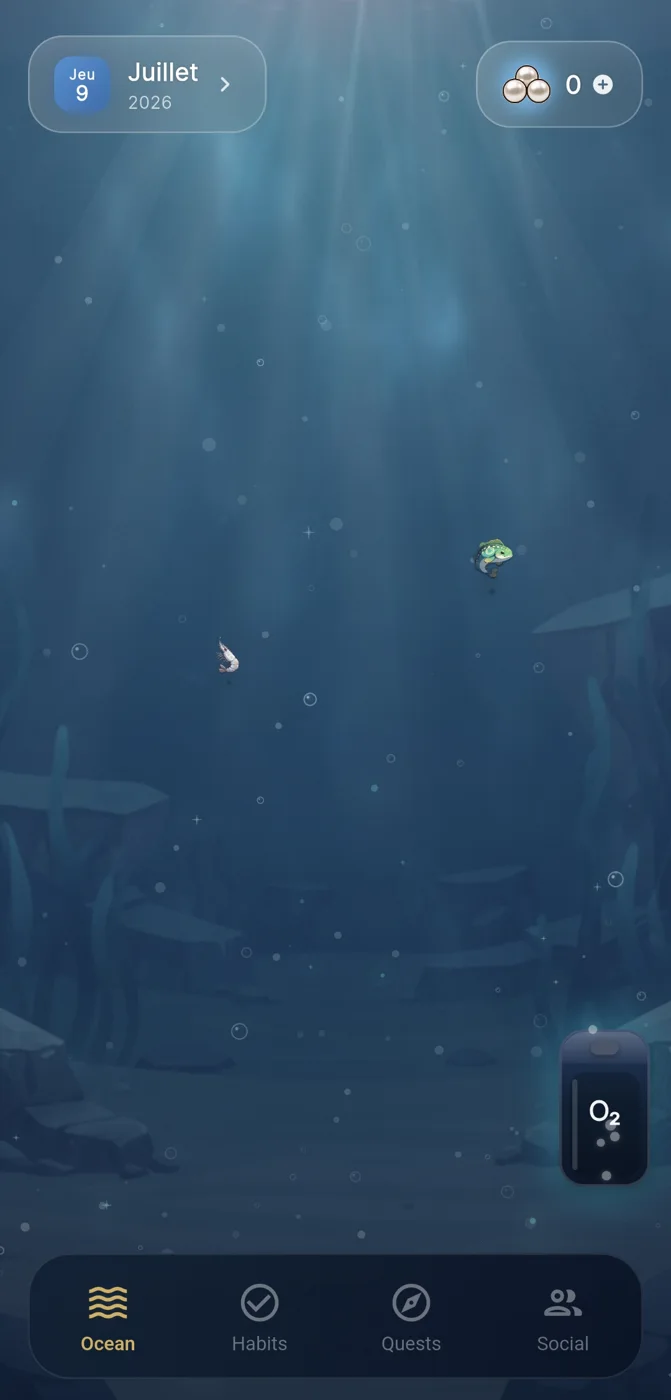
What an accountability app for working out actually does
An accountability app for working out is a record that someone can see, whether that is only you or people you choose. It does not move your body for you. What it can do is make a repeated action visible. Each session you log becomes evidence that the habit exists, and gaps become visible too. That visibility matters because exercise intentions rarely end with a decision. They usually fade quietly over a few busy weeks.
Two kinds of accountability are involved. Self-accountability comes from seeing your own pattern over time. Social accountability comes from knowing another person can see it. Some apps lean on one, some on both, and some add game-like rewards on top. Decide which kind you need before you install anything. A tool built around public comparison feels very different from one built around a private record.
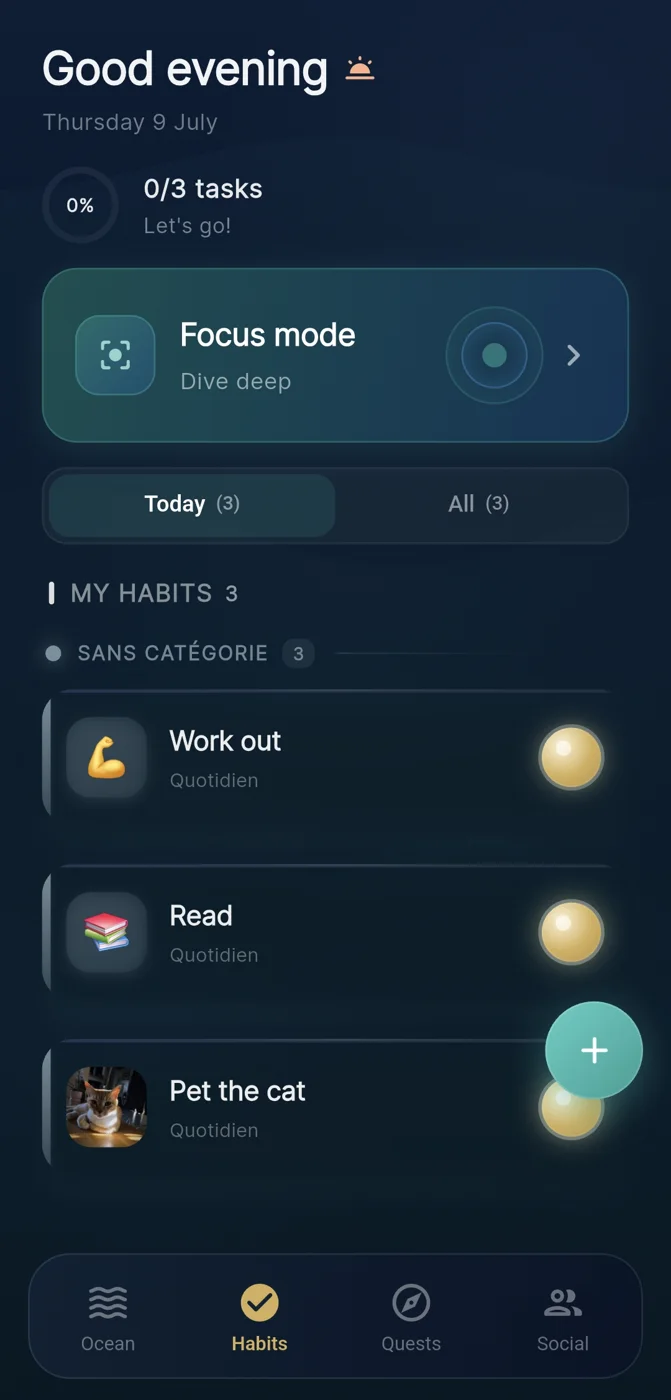
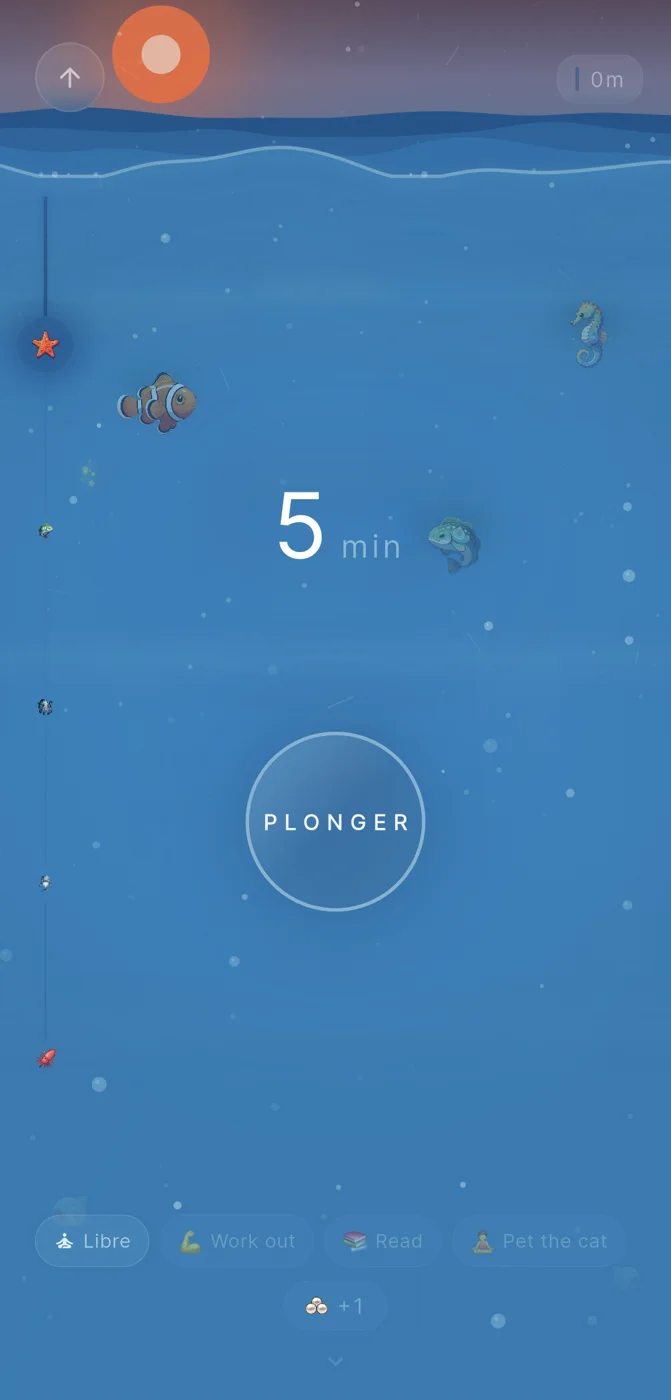
This article comes from Reef, a habit tracker by IVRYN for iOS and Android. It does not assume Reef plans training or measures exercise. A workout is simply one habit you could track, so the advice stays within what a general habit tool can reasonably offer.
The limits to understand before relying on one
No app can guarantee that you will exercise more, get fitter or change your health. A streak measures whether you showed up. It says nothing about whether the session was appropriate, safe or effective. Treat any tracker as a mirror for consistency, not as proof of progress toward a physical goal.
Exercise has a health dimension that a habit tool cannot assess. If you have a medical condition, an injury, or you are returning after a long break, ask a qualified professional what kind and amount of activity suits you. An app's job is to help you repeat what you have decided to do, not to decide it for you.
Visibility also has a cost. Rewards can pull attention toward the reward rather than the activity, and an unbroken streak can start to feel fragile. Features, pricing and availability of fitness and habit apps change often, so check current store listings rather than relying on older reviews or comparisons.
- It can show patterns; it cannot judge whether a workout is right for you.
- It can prompt you; it cannot remove the effort of starting.
- It can share progress; it cannot make other people supportive.
Start with a workout habit small enough to repeat
The most common setup mistake is logging the ambitious version of a workout as the habit. If the habit only counts when you complete a full session, every tired or busy day becomes a failure. A better approach is to define a minimum version you could manage on a bad day, then treat anything beyond it as a bonus.
A minimum version might be a short walk, a few minutes of stretching, or simply changing into training clothes and starting. The point is not that the minimum is enough exercise. The point is that it keeps the action alive in your week, so the longer sessions have a habit to attach to.
Write the habit in a form the app can check honestly: one action, a rough time of day, and a clear meaning of done. Vague habits like "be more active" make the record meaningless, because you can never tell whether you met them.
- Name one action, not a goal.
- Set a minimum version for low-energy days.
- Choose a time or trigger, such as after work or before breakfast.
- Decide in advance what counts as complete.
Plan for missed days before they happen
Missed workouts are certain. Illness, travel, work deadlines and poor sleep all interrupt routines. Strict all-or-nothing streaks often turn the first gap into the reason to stop entirely, which is the opposite of what accountability is for. Look for a tool, and a mindset, that treats a missed day as information rather than a verdict.
Reef handles this gently. Its shrimp companion, Gambi, responds to a missed day without guilt, and a streak freeze can cover a genuine off day so one gap does not erase the visible record. Whatever app you use, the more useful question is what you will do on the next scheduled day.
A simple recovery rule helps. For example, decide that after any missed session the next one is automatically the minimum version. This lowers the bar at exactly the moment motivation is weakest, and it keeps the habit visible without pretending the gap did not happen.
Deciding whether to make workout accountability social
Sharing a workout habit helps some people and quietly pressures others. A training partner who notices when you skip can make starting easier. A group that compares numbers can make you hide bad weeks or push past what your body needs. Neither outcome is guaranteed, so treat social accountability as an experiment.
Choose the audience deliberately. One trusted person, a small group or nobody at all are all legitimate options. In Reef, crews are optional, so a private record remains a complete way to use the app. A reasonable path is to start privately and add people only once the habit feels stable.
Before inviting anyone, agree on what support looks like. A short message after a missed day can feel encouraging or intrusive depending on the relationship, so say which you would prefer.
- Do I want someone to notice, or someone to train with?
- Will I feel encouraged or judged if others see a gap?
- Can I leave the group easily if it stops helping?
Example: a four-week checklist for testing an app
The following is a hypothetical example, not a report of anyone's results. Imagine someone who wants to walk or train three times a week but keeps stopping after a fortnight. Rather than choosing an app on features alone, they run a short, structured trial and review it honestly at the end.
The value of this example is the review step. Many people judge an accountability tool by how motivated they feel in the first week. A more honest test is whether it still helps after the first missed day, and whether keeping the record feels lighter or heavier over time.
- Week 1: set one workout habit with a minimum version, tracked privately.
- Week 2: note which days were missed and why, without changing the goal.
- Week 3: apply the recovery rule after any gap and see if it holds.
- Week 4: decide whether to add one person, keep it private, or switch tools.
- Review: did the record make starting easier, and did missed days feel manageable?
Frequently asked questions
Does an accountability app for working out guarantee that I will exercise more?
No. An accountability app can make your workout habit visible and remind you of your own pattern, but it cannot guarantee behaviour change, fitness gains or health outcomes. It works best as a consistency record alongside a plan that suits you, ideally agreed with a qualified professional if you have health concerns.
What should I do after missing a planned workout?
Treat the missed workout as information rather than failure. A practical rule is to make your next scheduled session a smaller minimum version, which lowers the barrier to restarting. Tools that respond gently to missed days, or offer a way to protect a streak on an off day, can help one gap stay one gap.
Should I share my workout habit with friends in an accountability app?
Only if it helps you. Sharing a workout habit with a trusted person can make starting easier, but group visibility can also create pressure or comparison. Many people start privately, then add one partner or a small group once the habit feels stable, and agree in advance on what kind of support they want.
Sources and further reading
These resources provide the wider reference frame. Product statements on this page are limited to the public information provided by Reef.