 Reef
Reef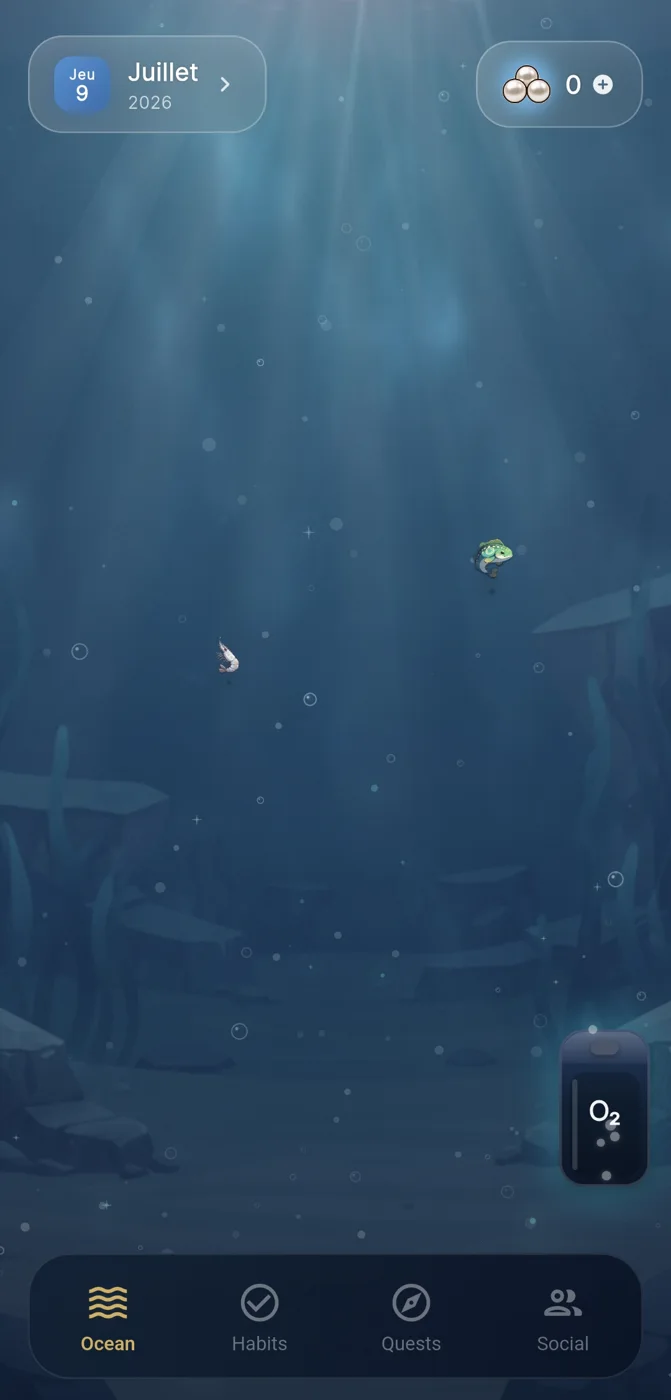
What a healthy routine app can realistically do
A healthy routine app is a tool for repeating chosen actions and seeing that repetition over time. It can remind you, record what you did and turn scattered efforts into a visible pattern. What it cannot do is decide which habits are healthy for you, or make them happen on your behalf. The app handles the record and the nudge. The choice and the effort stay with you.
That distinction matters before you install anything. Many people expect a new app to supply motivation, then abandon it when motivation fades. A more useful question is narrower. Will this tool make it easier to repeat one or two small actions on ordinary days, and to restart after the days that go badly? If the answer is unclear, more features rarely fix it.
Any health-related goal also has a limit worth stating plainly. A routine tracker is not medical guidance. If a habit involves diet, sleep, exercise intensity or a health condition, the target itself should come from a qualified professional. The app only helps you keep track of it.
Start with habits small enough to repeat
The most common setup mistake is loading the app with an ideal life on day one: eight habits, each ambitious, each daily. The tracker then reports failure faster than it reports progress. Small, repeatable habits work better because they survive bad days. Two minutes of stretching, one glass of water before coffee and ten minutes of reading are examples. They are modest enough that a tired evening does not cancel them.
A practical test is to imagine your worst ordinary weekday, not a holiday or a crisis. If you could still complete the habit on that day, it is sized correctly. If not, shrink it until you could. You can always widen a habit once it is stable. Recovering from a habit that was too big from the start is much harder.
- Begin with one to three habits, not a full routine.
- Define each habit so completion is unambiguous.
- Size each habit for a low-energy day.
- Add a new habit only after the earlier ones feel automatic.
Why visible progress helps, and where it stops
Repetition is easy to undercount. After a few weeks, people often feel they have done nothing, even when they have shown up most days. A visual record corrects that impression. A calendar, a chart or a growing scene makes accumulated effort concrete, and that can make the next repetition feel worth doing.
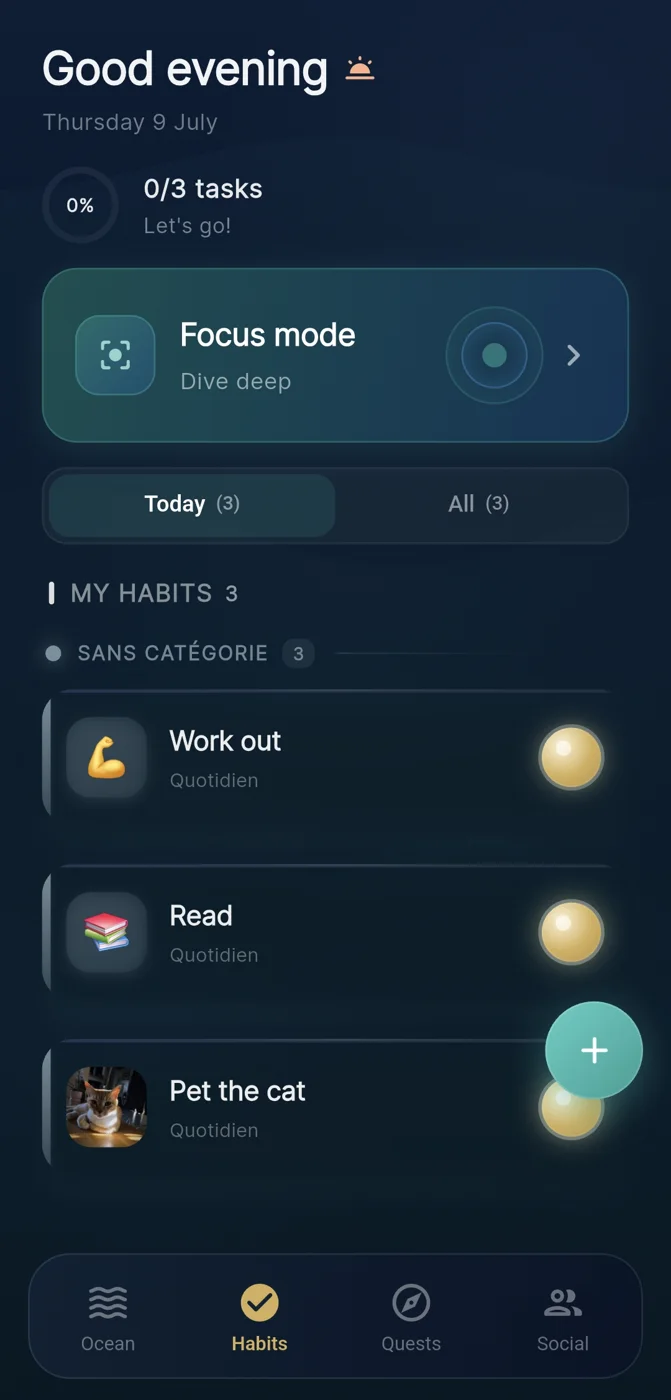
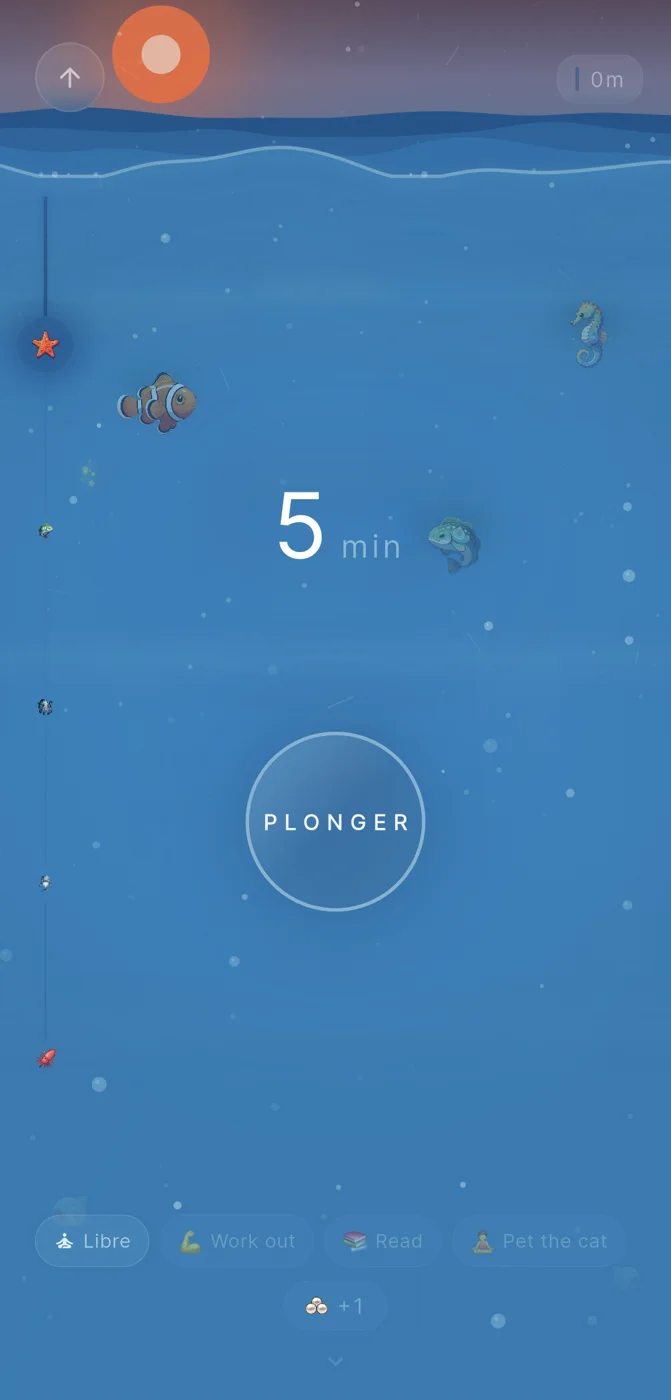
Reef, an IVRYN habit tracker for iOS and Android, takes the gamified route: each finished habit drops a pearl into an ocean scene that fills out over time, and a small shrimp companion reacts to both completed and skipped days without scolding. The approach is documented as a way to make repeated actions visible, not as a promise that behaviour will change.
The limit is that visuals reward logging, not necessarily the habit itself. If you notice yourself tapping completion for the sake of the scene, simplify the habit or pause the tracker for that item. A visual system is useful only when it reflects what actually happened.
Planning for missed days before they happen
Missed days are not a sign the routine failed. They are a normal part of any routine that lasts longer than a few weeks. The real risk is what happens next. A broken streak can feel like a verdict, and some people quit entirely rather than restart from zero. A gentle tool treats a miss as information, not as a judgement.
When comparing apps, check how each one handles the day after a miss. Look for some form of protection for an occasional off day, neutral rather than guilt-laden language, and a simple path back into the habit. Then decide your own rule in advance, such as "never miss twice in a row". A rule chosen calmly beforehand works better than one invented in a moment of frustration.
It also helps to separate a skipped habit from a skipped check-in. Sometimes the action happened but was not logged. Updating the record honestly keeps the picture accurate and stops the app from showing a decline that never took place.
Social accountability as an option, not a requirement
Sharing progress with friends or a small group helps some people and pressures others. The benefit is a gentle external reason to show up. The cost can be comparison, oversharing or the feeling of being watched. Neither reaction is wrong, so a healthy routine app should let you choose.
If you try a shared group, keep it small and agree on tone early. Encouragement is welcome, and nobody is shamed for a missed day. Share completion rather than personal details, especially for habits connected to health. If the group starts to feel like an obligation, leaving it should be easy and should not cost you your own history.
Example: a decision checklist for choosing a healthy routine app
Example only, a hypothetical person: Sam wants to drink more water, read before bed and take a short walk after lunch. Sam starts with only the first two, sized as one glass before breakfast and five pages at night. Sam picks a tool that shows progress visually and allows an occasional off day without resetting everything, and leaves group features switched off for the first month. After four steady weeks, Sam adds the walk.
The example works because each decision protects repetition: fewer habits, smaller targets, a recovery plan and social features added only by choice. Use the checklist below with any app you are considering. No tool can guarantee the outcome.
- Can I set up one habit in under a minute?
- Does progress stay visible after a missed day?
- Is there a gentle way to protect or recover a streak?
- Are social features optional and easy to leave?
- Is it clear how my data is handled, and is it free to try before committing?
- Have I confirmed any health-related target with a qualified professional?
Frequently asked questions
What should I look for in a healthy routine app?
Look for quick habit setup, a clear visual record of progress, gentle handling of missed days and optional rather than mandatory social features. Check how the app treats your data before committing. Remember that the app records and reminds; it does not choose your goals or guarantee results.
How many habits should I track when starting a new routine?
Start with one to three small habits that you could still complete on a tired, ordinary weekday. Add another only after the first ones feel automatic. Tracking too many habits early tends to produce a record of misses, which makes quitting more likely.
Can a routine app replace advice from a doctor or other health professional?
No. A routine app can help you repeat and track actions, but it cannot judge whether a diet, sleep or exercise target is appropriate for you. For any health-related goal, get the target from a qualified professional and use the app only to keep track of it.
Sources and further reading
These resources provide the wider reference frame. Product statements on this page are limited to the public information provided by Reef.