 Reef
Reef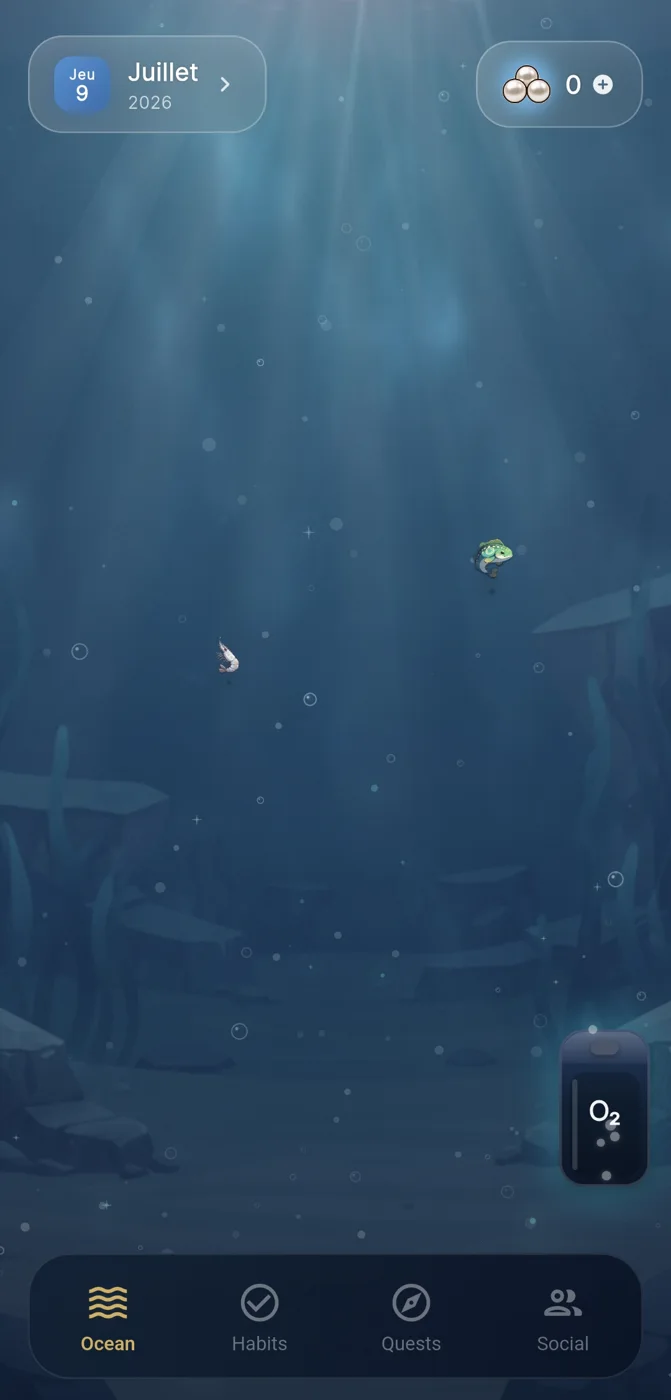
What 'learning apps my routine' is really asking
When someone searches for learning apps my routine, they usually already have an app, or several, and want to know how to make those sessions part of an ordinary day instead of something they open twice and forget. The useful question is how the learning becomes repeatable, not which app is best. Any app can teach well and still go unused if the routine around it never forms.
That distinction sets the main limit. A learning app handles the content: lessons, exercises, reviews. The routine is yours: when you open it, what counts as done, and what happens after a bad week. Advice about routines can make sessions more likely to happen. It cannot promise that you will learn faster, pass an exam, or reach fluency by a certain date.
Start with a session small enough to repeat
The most common mistake is setting the target for your best day. Thirty minutes of vocabulary sounds reasonable on a quiet Sunday and impossible on a busy Tuesday. A routine is shaped by its hardest days, so pick a minimum you could finish when tired, distracted or short on time, such as one lesson or five minutes of review.
Tie that minimum to something that already happens every day: the morning coffee, the commute, the wait after dinner. Anchoring removes one daily decision. You are not asking yourself whether to study, only whether the anchor has passed. Longer sessions stay welcome, but they are a bonus, not the standard you are judged against.
- Define 'done' as one specific, finishable unit
- Attach it to an existing daily moment
- Treat anything beyond the minimum as extra
Make progress visible without confusing streaks with learning
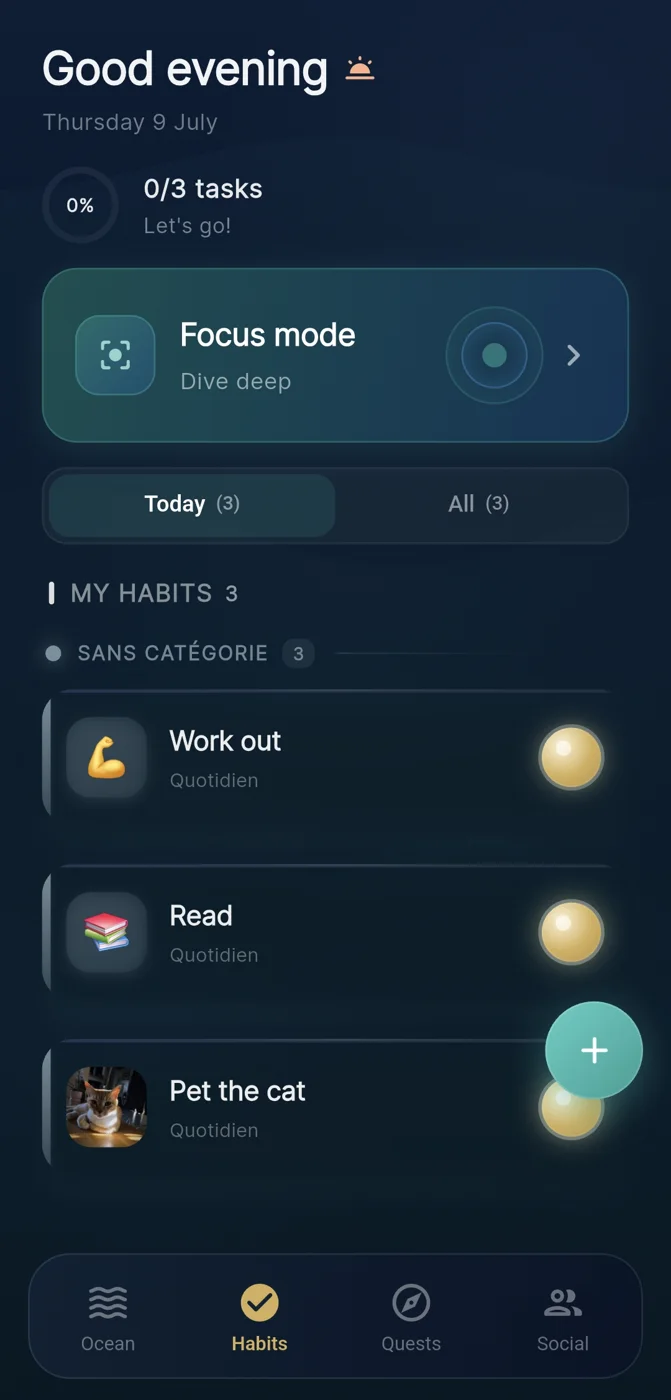
Seeing progress helps people continue. A calendar of ticked days, a growing count or a picture that fills in over time turns invisible effort into something you can look at. Many learning apps include their own counters, and some people prefer a separate habit tracker so their language practice, reading and exercise share one view.
The risk is that the visible number becomes the goal. If the streak matters more than the lesson, it is tempting to tap through the easiest exercise just to keep the count alive. Every so often, ask a plainer question: can I do something this month that I could not do last month? If the answer is yes, the tracking is serving the learning. If not, change the content, not just the count.
Plan for missed days before they happen
Missed days are part of any long routine, not proof that it failed. Illness, travel and overloaded weeks will interrupt even well-built habits. What matters is how quickly you return, and that depends partly on whether a missed day feels like a disaster or like a pause.
Decide your recovery rule in advance. One option is 'never miss twice': a missed day is fine, but the next day you do the minimum, however small. Another is to allow yourself a set number of rest days per month. Some trackers let you protect a streak on a planned off day, which can reduce the urge to quit after one gap. Whatever you choose, avoid punishing yourself with a doubled session the next day; that often turns one missed day into three.
Share accountability only if it helps you
Learning with others can help. A friend studying the same language, a study group or a partner who simply knows your goal adds a gentle reason to show up. For some people, knowing that someone will notice is the push that carries a session through a low-energy evening.
For others, being watched creates pressure that makes the routine feel like a test. Social features should be a choice, not a default. Try a short period with a study partner, then keep the arrangement only if it makes sessions easier to start rather than more stressful to miss.
Worked example and checklist for your learning routine
Example (hypothetical): Sam wants to practise Spanish with a learning app but has stopped three times. Sam sets the minimum at one lesson, anchored to the morning train. Each finished lesson is logged in a separate habit tracker alongside a daily walk, so both appear in one place. Sam's rule is 'never miss twice', and Sunday is a planned rest day. After four weeks, Sam checks one practical sign of progress: reading a short menu without a dictionary. This is an illustration of how the pieces fit together, not a reported result.
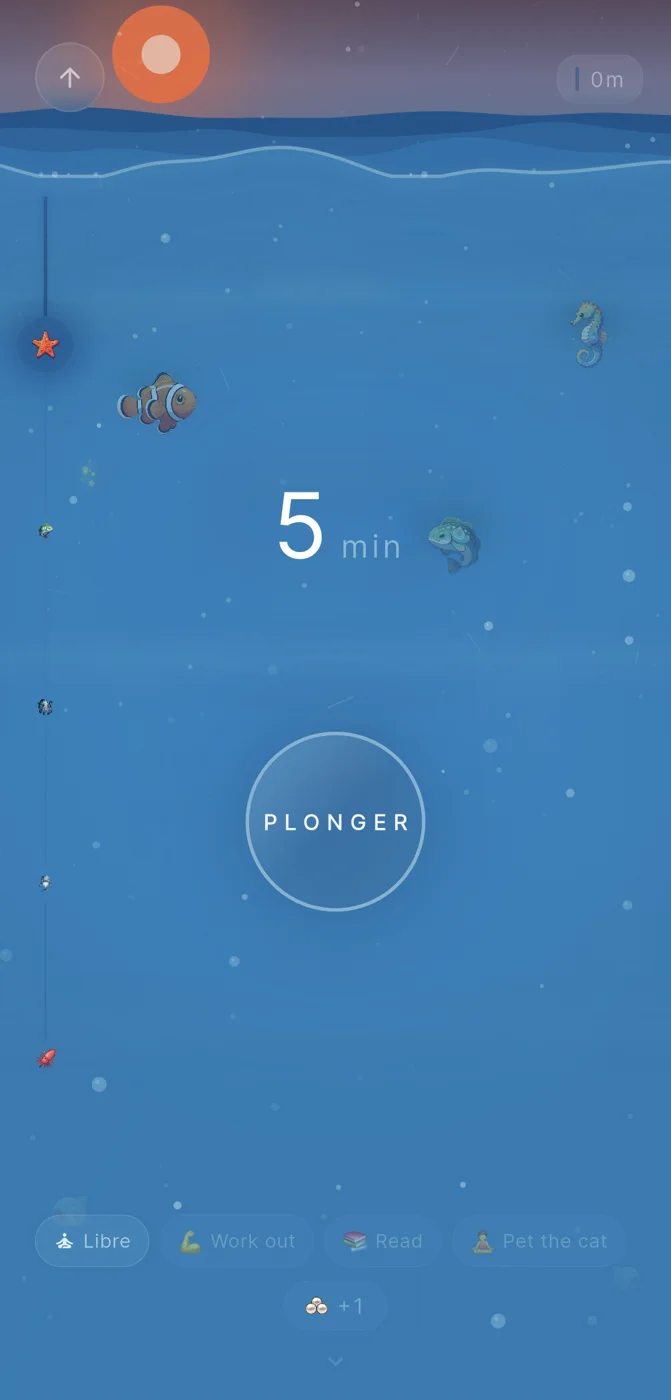
Reef, an IVRYN habit tracker for iOS and Android, is one example of the separate-tracker approach: each finished habit adds a pearl to a growing ocean scene, and a streak freeze can cover an off day. It does not teach a subject and does not guarantee you will stick with it. Its methodology and gamified habit tracker guide explain the design reasoning behind those mechanics.
- Is my daily minimum small enough for my worst day?
- Is it anchored to something that already happens?
- Do I check real skill, not just the streak, each month?
- Have I decided what happens after a missed day?
- Is any social element helping rather than pressuring me?
Frequently asked questions
How long should a daily session on a learning app be to build a routine?
Short enough to finish on your busiest day. Many people start with one lesson or about five minutes, then add more on good days. A small, reliable session is easier to repeat than a long one that depends on free time, though the right length depends on your schedule and goals.
Should I track my learning app sessions in a separate habit tracker?
It can help if you want learning to sit alongside other habits in one view, or if the app's own counter does not motivate you. A separate tracker adds visibility but not teaching, so it complements rather than replaces the learning app. If logging feels like extra work, the app's built-in progress may be enough.
What should I do after missing several days of a learning routine?
Restart with your smallest session rather than trying to catch up. Doubling the workload often makes returning harder. Some people use a rule such as never missing two days in a row, and a missed stretch is a normal interruption, not evidence that the routine has failed.
Sources and further reading
These resources provide the wider reference frame. Product statements on this page are limited to the public information provided by Reef.