 Reef
Reef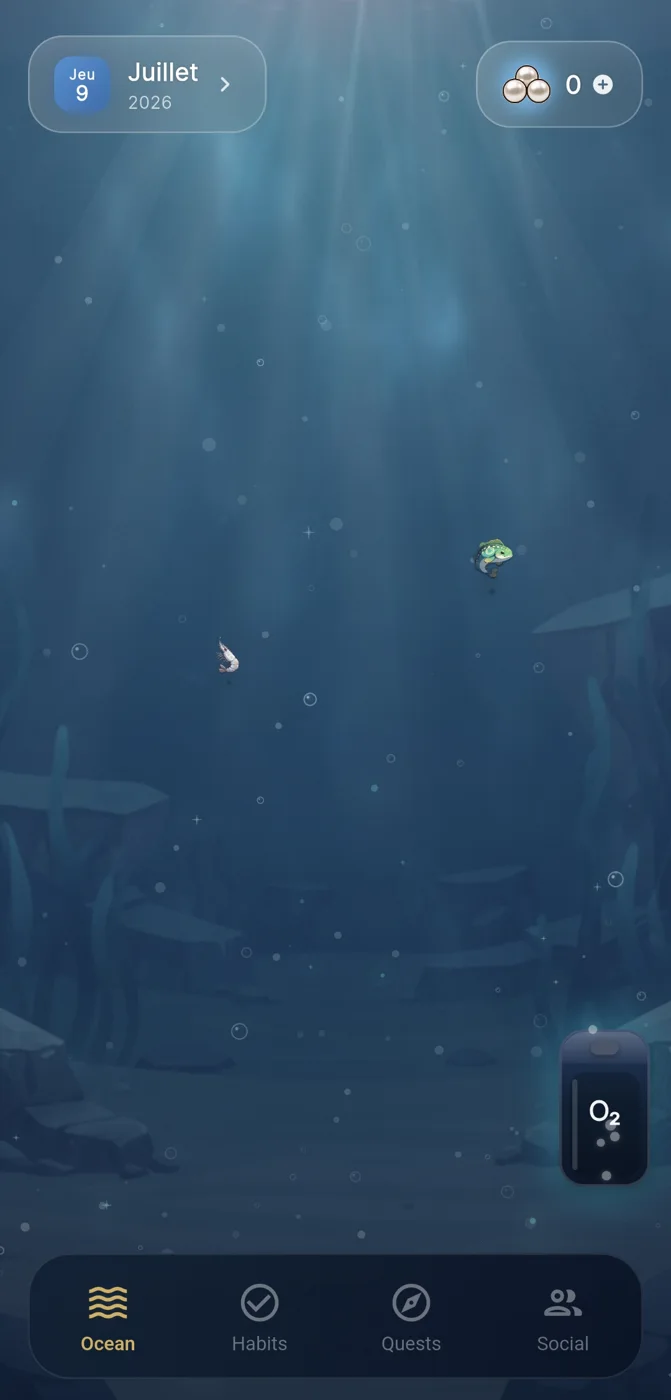
What is habit tracking, in plain terms
Habit tracking is the practice of recording, usually once a day, whether you completed a specific action you want to repeat. The record can be a tick on a paper calendar, a row in a spreadsheet or a tap in a phone app. What separates it from general note-taking is repetition: you log the same defined action over time so that a pattern becomes visible.
So the practical answer to what is habit tracking is that it is a feedback tool, not a method that changes behaviour on its own. It shows what you actually did, which often differs from what you remember doing. Whether that helps depends on how the habit is defined, how the record is displayed and what happens on the days you miss.
What a tracker records, and what it leaves out
Most trackers record a binary outcome per day: done or not done. Some add a count, a duration or a short note. That simplicity keeps the cost of logging low, but it means the record says nothing about quality, context or why a day went the way it did.
This matters before you rely on it. A long run of completed days can hide a habit that has shrunk to a token gesture, and a broken run can hide a week that was otherwise fine. Treat the log as one signal among others, and remember it only records what you tell it. If you want to understand causes, pair the tick with a one-line reflection rather than adding more checkboxes.
Four details that decide whether tracking helps
Before choosing a tool or format, look at four design details. They are less visible than colours or widgets, but they shape how tracking feels after the first enthusiastic week.
Of these, recovery is the one people underestimate. A streak counter motivates until it resets, and a reset can feel like a verdict on the whole effort. A gentler design acknowledges the missed day, keeps accumulated history in view and makes the next completion feel like continuation rather than starting over.
- Habit size: an action small enough to do on a bad day, such as two minutes of stretching rather than a full workout.
- Visible progress: a display you actually look at, where effort accumulates instead of disappearing into a list.
- Recovery after a miss: a way to resume without the record suggesting everything was wasted.
- Optional sharing: accountability you can switch on with chosen people, and leave off without losing the core tool.
Worked example: setting up one habit to track
Example (hypothetical, for illustration only): someone wants to read more. Their first idea is thirty pages a day. Applying the four details, they shrink it to one page after dinner, because one page is still doable on a tiring evening and often leads to more.
They log it with a single tap each night and keep the display where they see it daily. They decide in advance that a miss means a blank day followed by one page the next evening, nothing more. They keep the habit private for now and plan to reconsider sharing after a month.
After four weeks, the useful question is not how long the streak is but what the pattern shows. Perhaps weekends are consistently blank. That is something they can act on, for instance by moving the weekend trigger to morning coffee.
A checklist before relying on habit tracking
Use this list to judge whether a tracker, paper or digital, is ready to rely on. If several answers are no, adjust the setup before adding more habits.
Starting narrow is a judgement call rather than a rule, but fewer habits make the record easier to read and the misses easier to interpret.
- Can I describe the habit in one sentence with a clear trigger?
- Is it small enough to complete on my worst realistic day?
- Does logging take only a few seconds?
- Will I see the progress without going looking for it?
- Do I know what I will do the day after a miss?
- Is sharing a choice I made, not a default I accepted?
- Am I starting with three habits or fewer?
How Reef approaches tracking, and where its role ends
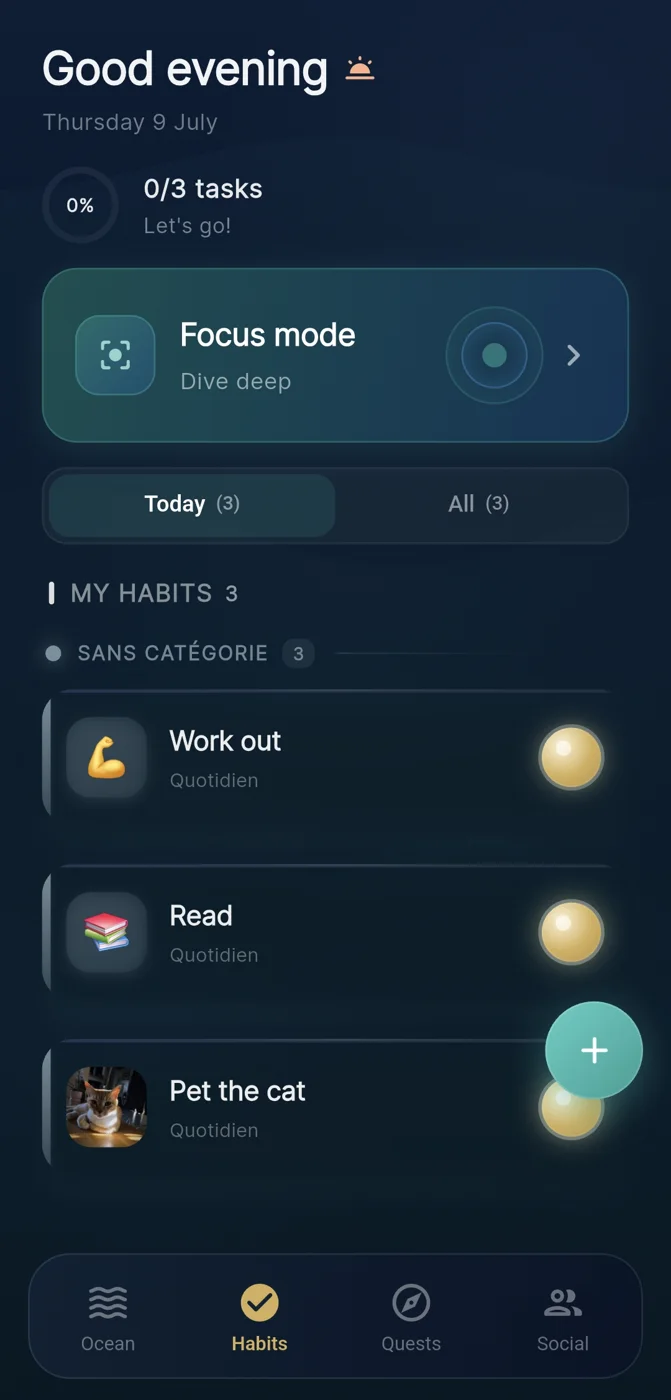
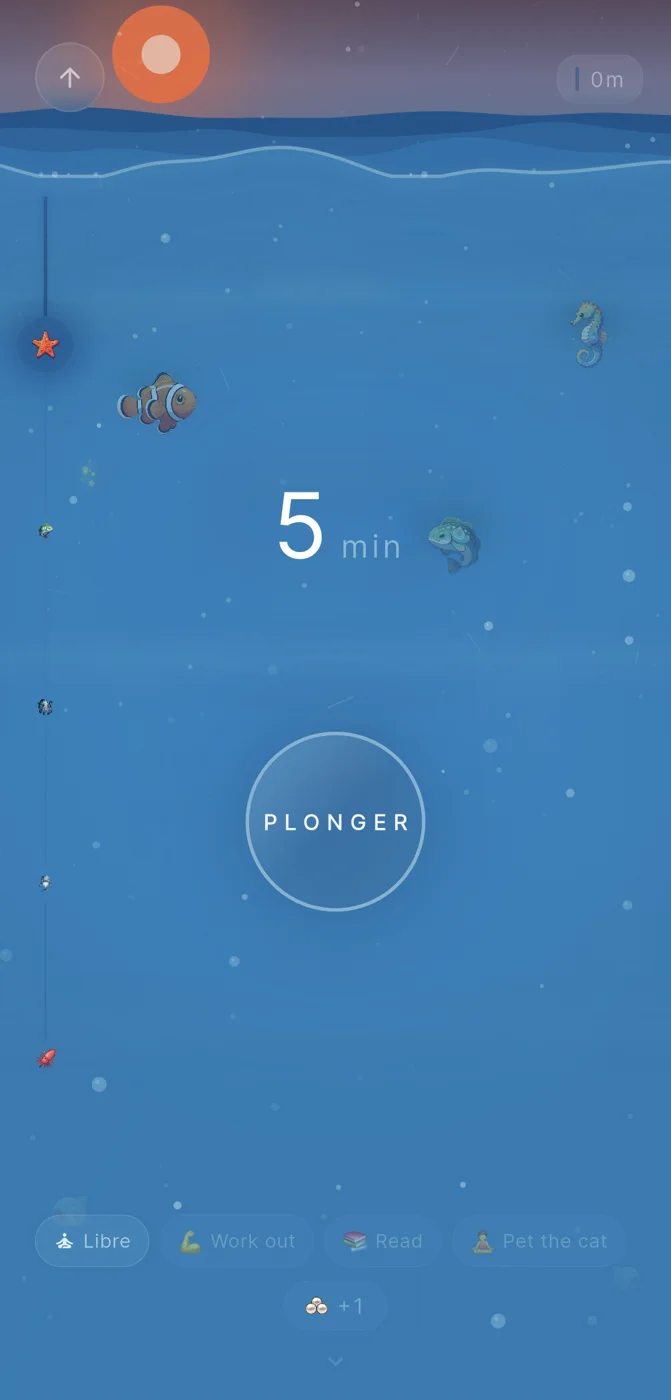
Reef, a habit tracker from IVRYN on iOS and Android, applies these ideas visually: each completed habit adds a pearl to an ocean that grows on screen, a streak freeze can absorb an occasional off day, and shared crews stay opt-in. Its public methodology page sets out the reasoning behind those design choices.
That context bounds this article. A tool like Reef can make repeated actions visible and soften a missed day, but no tracker can promise that a habit will stick or that a health goal will be reached. For a closer look at how game-like rewards fit into tracking, Reef's guide to gamified habit tracker apps covers that angle.
Frequently asked questions
Is habit tracking the same as setting goals?
No. A goal describes an outcome you want, such as finishing a book. Habit tracking records whether you did a repeated action that may lead toward it, such as reading one page each evening. Tracking gives you a record of behaviour; it does not define the outcome or guarantee you reach it.
What should I do after breaking a habit streak?
Treat the missed day as information rather than failure. Check whether the habit was too large or its trigger unreliable, adjust if needed, and complete it at the next opportunity. Some trackers can protect a streak on an occasional off day, which may reduce the urge to abandon tracking altogether.
Do I need an app for habit tracking?
No. A paper calendar or notebook works if you check it daily. Apps can reduce the effort of logging, show progress visually and add optional sharing with other people, but the core practice is the same: define a small repeatable action and record honestly whether you did it.
Sources and further reading
These resources provide the wider reference frame. Product statements on this page are limited to the public information provided by Reef.